Morton Canning and Pickling Salt, Bulk Salt, 4 Pound (Pack of 1), White Review (2026)
Updated September 14, 2026 · Research-based review
Our verdict
This 4 pound bag of Morton canning and pickling salt is the same additive-free, non-iodized formula sold in the boxed version, in a bulk pack for frequent fermenters. It dissolves quickly into clear brine, but a single 4 lb bag means restocking often at higher volumes, and it has no distinct mineral flavor for those who want one.
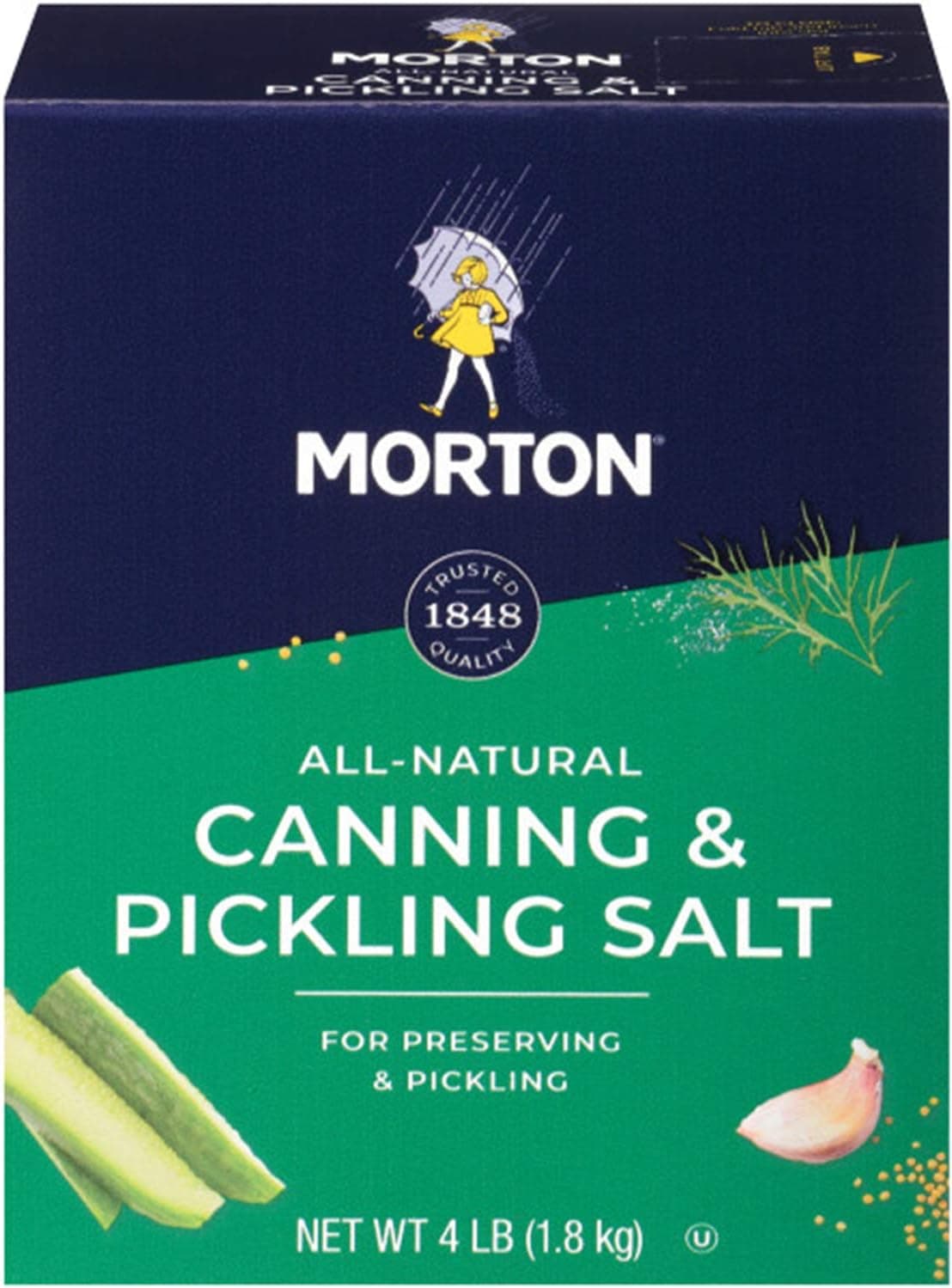
Morton's canning and pickling bulk salt, a 4 Pound (Pack of 1) white salt for pickles, kraut and brines.
Price range: See on Amazon
What we liked
- + Bulk Salt format is economical for frequent fermenters
- + Pure white pickling salt dissolves quickly without clouding brine
- + Well-known Morton brand keeps quality consistent between purchases
Trade-offs
- - Pack of 1 means buying more often if you ferment in large volumes
- - Plain salt lacks the mineral flavor some fermenters prefer
Who This Bulk Salt Suits
Fermenters who go through salt steadily, whether running several jars of sauerkraut and pickles at once or keeping a rotation of brined vegetables going through the season, benefit from buying pickling salt in a bulk format rather than picking up small containers repeatedly. This bag is sized at 4 pounds, sold as a single pack, which is a practical middle ground between a small table-salt-sized container and a large multi-pack case. It suits anyone who already knows they like Morton's additive-free pickling salt and wants to reorder the same reliable product without switching brands, rather than someone just starting out and still deciding which salt works best for their ferments.
What Is In The Bag
This is an all natural, non-iodized salt with no anti-caking agents added, the same formulation used across Morton's canning and pickling salt line regardless of packaging. That additive-free profile matters for fermentation specifically because iodine can affect brine color and taste over a long ferment, and anti-caking agents can leave brine looking cloudy, which makes it harder to judge whether cloudiness in the jar is from healthy fermentation activity or just the salt itself. The salt is pure white and dissolves quickly, producing a clear brine suited to canning, pickling, brining, and general cooking. At 4 pounds per bag, this single pack covers a solid stretch of regular fermenting before needing a refill, without asking you to store a much larger multi-pack all at once.
Using It Day To Day
Because this salt has no anti-caking agent, the bag can clump if left open in a humid kitchen, so transferring it to an airtight container after opening, or keeping the original bag well sealed, helps keep it free-flowing between uses. Like other fine pickling salts, it is denser by volume than kosher salt or coarse sea salt, so a tablespoon of this salt weighs more than a tablespoon of a coarser salt, which means following a brine recipe by weight on a kitchen scale gives more consistent results than measuring by volume, especially if you switch between salt types across different recipes. For anyone building 2 to 5 percent brines regularly, this consistency in grain size batch to batch is part of what makes a trusted, repeat-purchase salt worth sticking with.
Bulk Bag Versus The Boxed Version
Compared with Morton's boxed canning and pickling salt, which uses the identical additive-free formula, the practical difference is really about packaging and how you plan to buy it going forward. The bagged bulk format here is aimed at reordering the same product repeatedly, sometimes available in multi-packs of several bags at once for further savings, while the box is a more familiar single-purchase format found on most grocery shelves. Neither packaging changes how the salt performs in a ferment, so the choice mostly comes down to whether you prefer resealing a bag or a box, and whether buying in a larger multi-pack quantity fits how often you ferment. Fermenters who want a specific mineral flavor rather than a neutral salt should look to a kosher or sea salt instead, since this stays intentionally plain.
Verdict And When To Look Elsewhere
For regular fermenters who already trust Morton's additive-free pickling salt and want an easy way to restock, this bag earns our score of 8.3 out of 10 for consistency and reliable performance in brine. It is a dependable, no-surprises choice for anyone brining vegetables regularly. If you ferment only occasionally, a smaller container may sit around longer than ideal before you use it up, so the boxed version in the same size could be a more familiar shelf option instead. Anyone chasing a specific mineral taste in their ferments, rather than a neutral brine, should look at a coarse sea salt or kosher salt instead of this plain pickling salt.
Frequently asked questions
Is this the same salt as Morton's boxed canning and pickling salt?
Yes, it uses the same additive-free, non-iodized formula, just sold in a bulk bag format of 4 pounds rather than a box.
Does this salt have iodine or anti-caking agents?
No, it is formulated without iodine or anti-caking agents, which helps keep fermentation brine clear rather than cloudy.
How should I measure this salt for a brine recipe?
Weighing it on a kitchen scale is more reliable than using a tablespoon, since pickling salt is finer and denser by volume than kosher or sea salt.
Can this salt clump in storage?
It can clump in humid conditions since it has no anti-caking agent, so keeping the bag sealed or moving it to an airtight container helps prevent that.
Prices change often, so check the current price and availability on Amazon.
Check price on AmazonFerment Nest may earn a commission from the link above.