Small-Space Living Tips
Practical fermentation advice: choosing crocks and jars, brewing kombucha, salt ratios for kimchi and kraut, avoiding mold, and the tools that make fermenting easier and safer. the US. No fluff, just what works.

How to Make Kombucha at Home: Step-by-Step Recipe for a One-Gallon Batch
How to make kombucha drink at home: a one-gallon recipe with tea, sugar, SCOBY and starter tea, plus timing, temperature, taste checks and spoilage signs.

Backslopping: How to Start a New Ferment From the Last Batch
Backslopping means seeding a new ferment with some of the last batch. Typical amounts for yogurt, kombucha, sourdough and vegetables, and when to start fresh.
Fermentation Salt Chart
Salt percentages for vegetable ferments, how to calculate a brine by weight, and why the right salinity is what keeps a ferment safe.
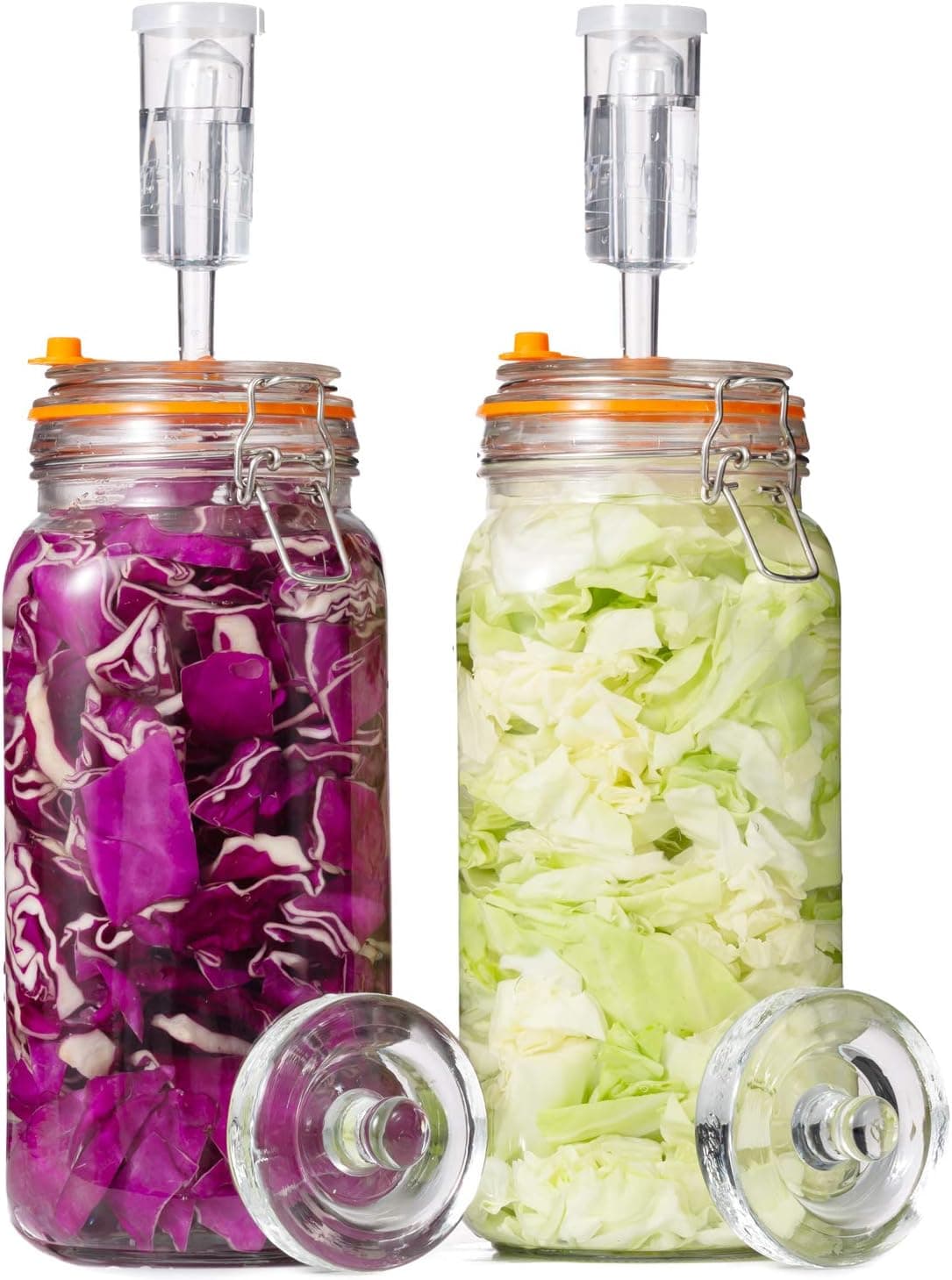
How to Make Honey-Fermented Cranberries for Holiday Meals
Honey-fermented cranberries make a tangy relish, cocktail garnish and gift. How to start them in autumn, manage the jar and keep the ferment safe.
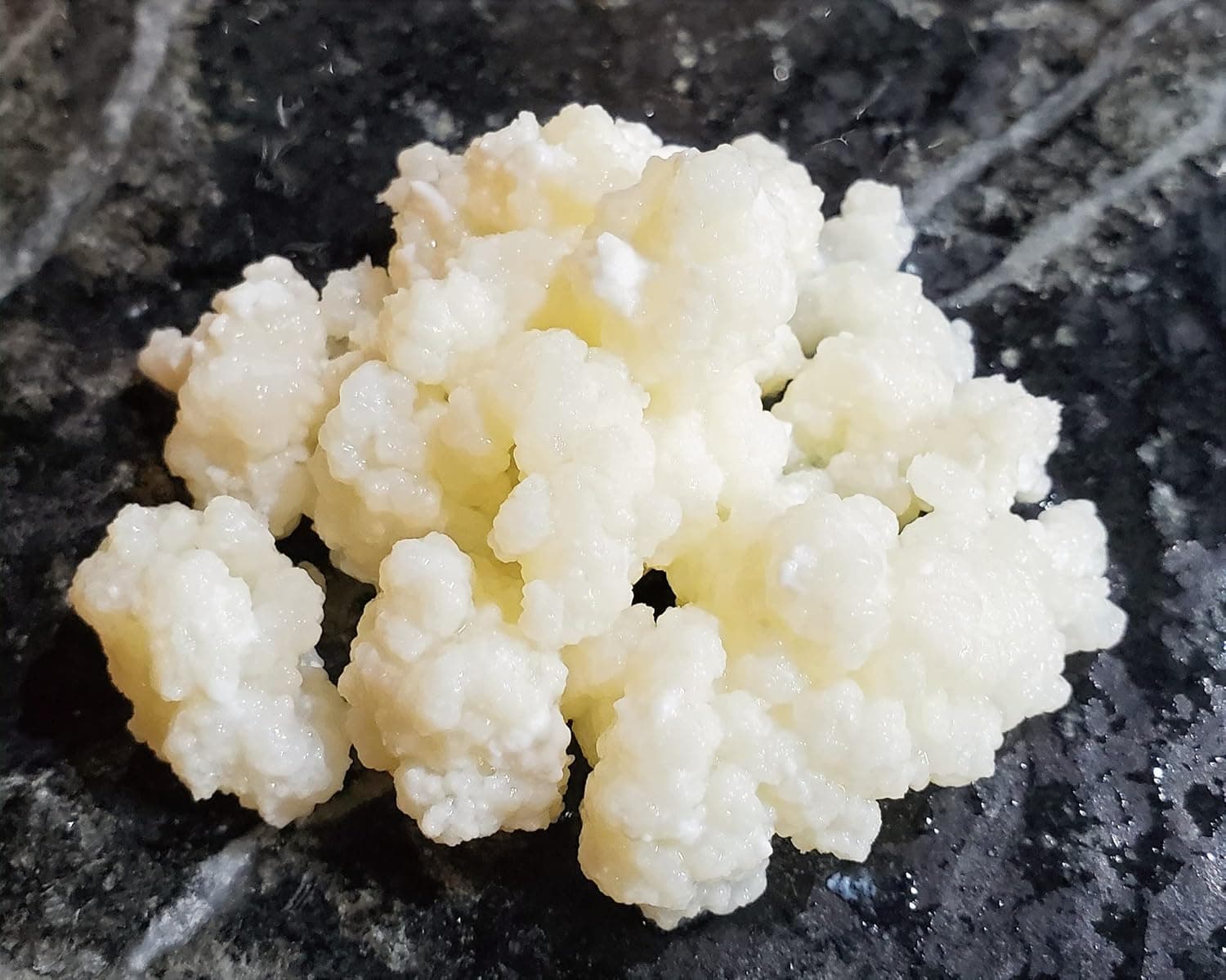
Why Milk Kefir Separates and How to Keep It Smooth
Pockets of clear whey and thick curds mean kefir fermented too far. How grain-to-milk ratio, temperature and timing affect separation and how to rescue a batch.
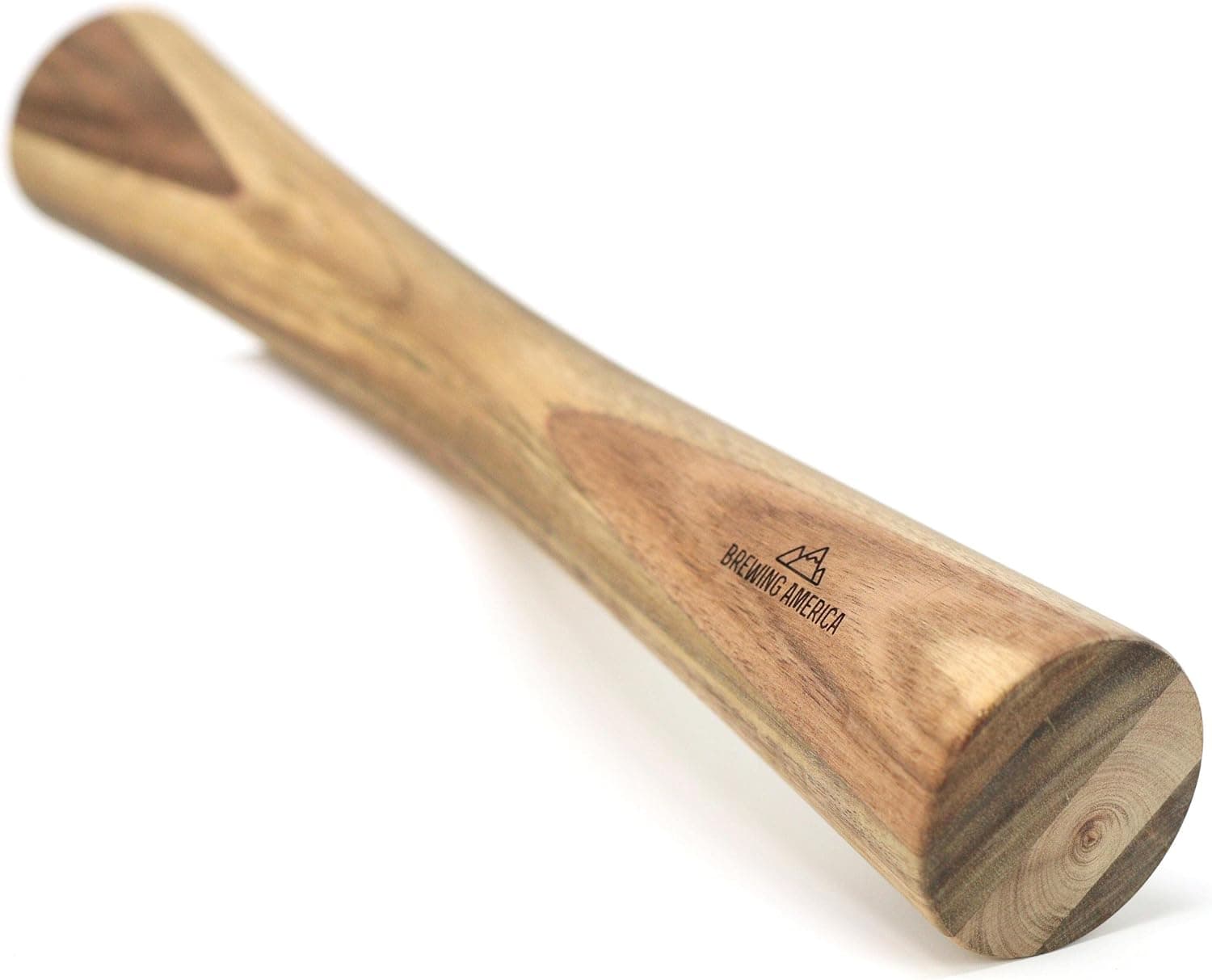
What to Do When Sauerkraut Does Not Make Enough Brine
Dry cabbage and exposed shreds invite mould. Why sauerkraut sometimes lacks brine, how to massage, weigh and top up with salt water safely.

How to Make Flat Kombucha Fizzy in the Second Ferment
Flat kombucha after bottling usually comes from bottles, sugar, temperature or timing. How to seal, prime and time the second ferment for reliable fizz.
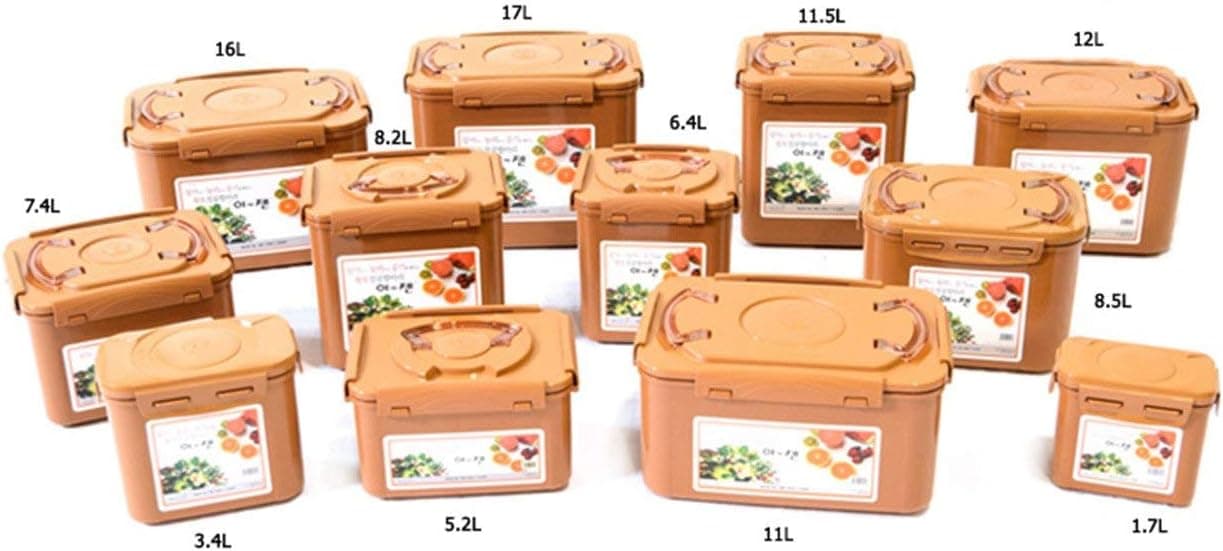
Gut Health Basics and Fermented Foods
What live cultures in fermented food are, what they are not, how to keep them intact at home, and how to think about them without overstating the effects.

Seasonal Produce for Fermenting Through the Year
What to ferment in each season, from spring greens and summer cucumbers to autumn cabbage and winter roots, with notes on texture, salt and timing.
Scaling Up Ferment Batches Without Losing Control
How to move from single jars to large batches of kraut, kimchi or pickles, covering salt by percentage, vessel choice, workflow, timing and storage plans.
Storing Finished Ferments So They Keep Their Character
How to store finished ferments, when to move a jar to the fridge, how long vegetables, kombucha, dairy and pastes keep, and what changes during cold storage.
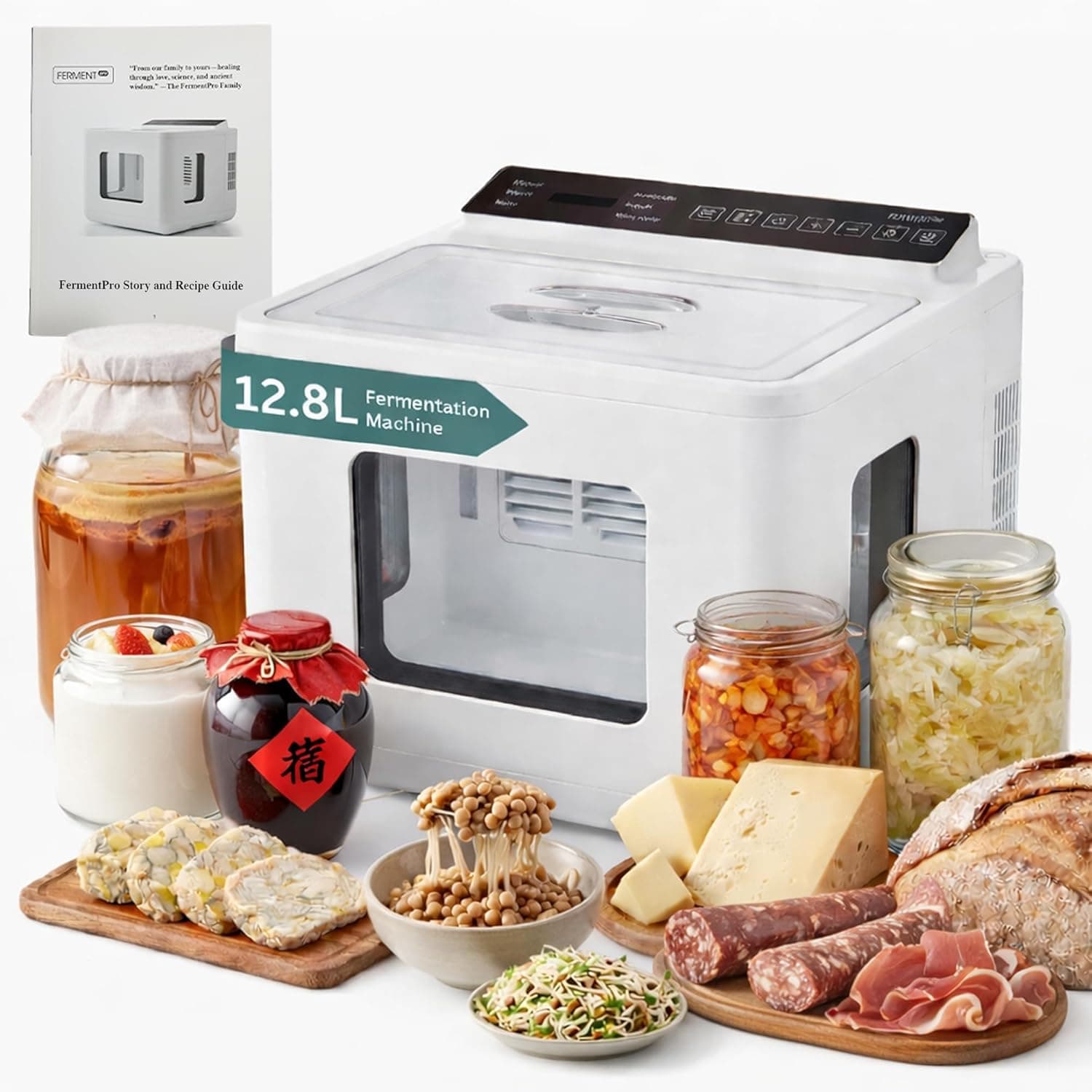
Making Tempeh at Home
A guide to home tempeh, covering bean preparation, acidifying, drying, incubation temperature and airflow, plus how to read the mycelium as it develops.
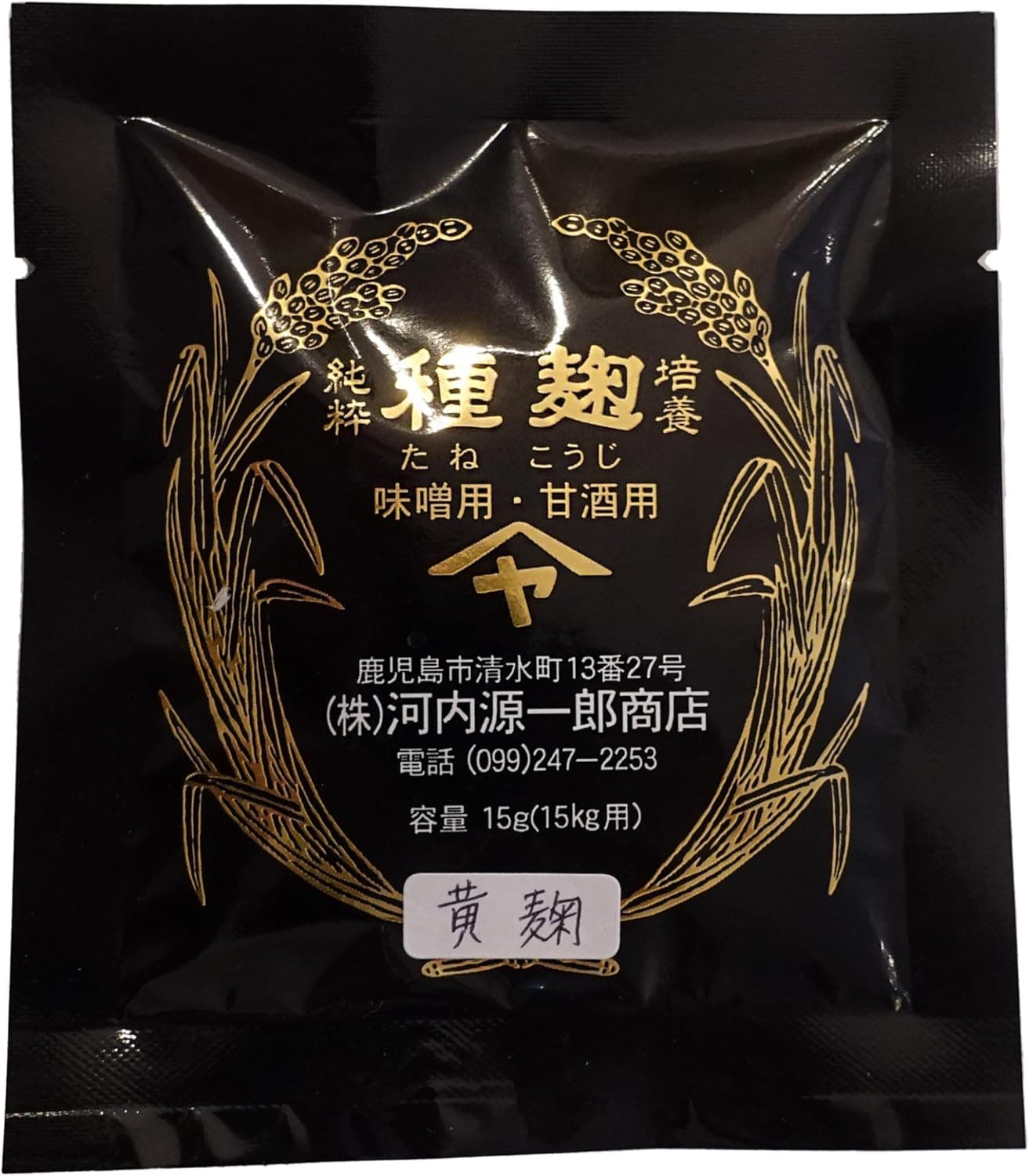
Koji and Miso Basics for the Curious Home Fermenter
An introduction to koji and miso for home cooks, explaining what koji is, how miso is made from it, ratios, ageing times and what to expect from a first batch.
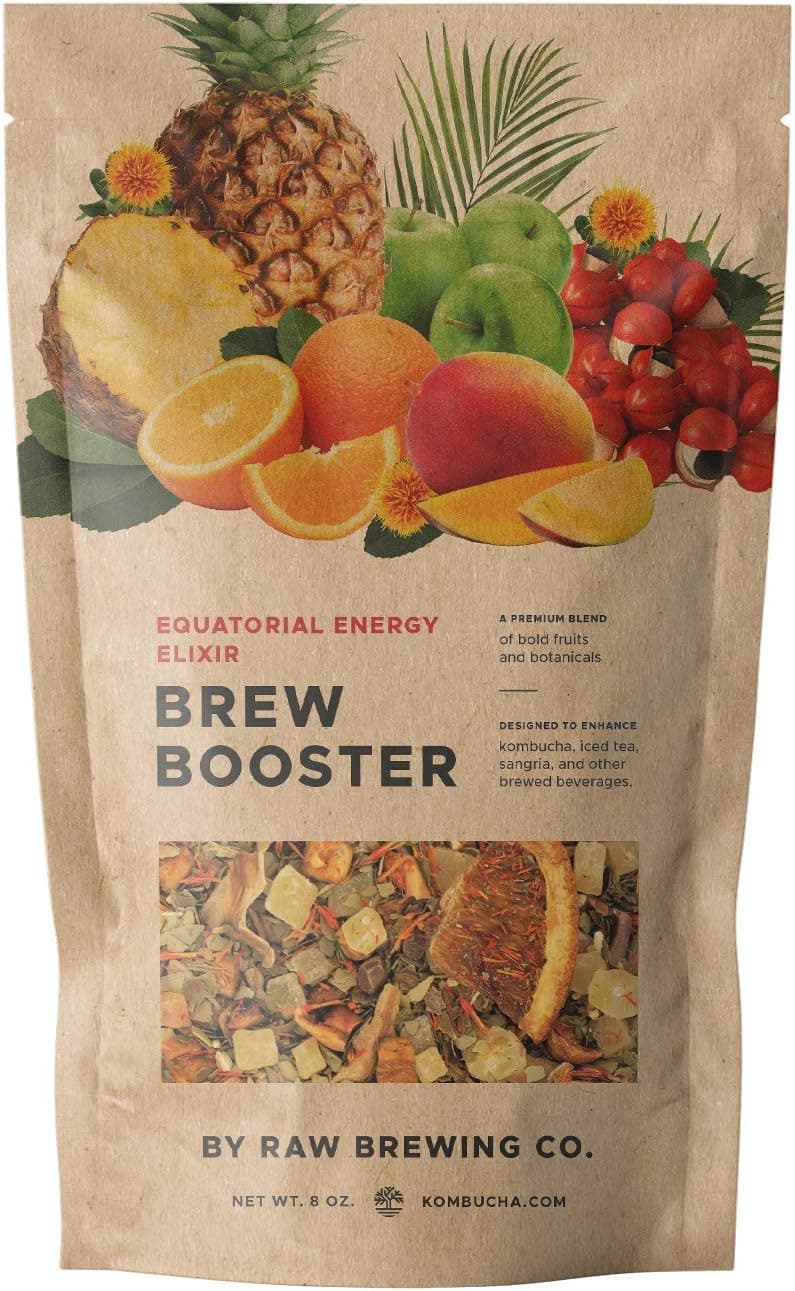
Secondary Flavouring Ideas for Ferments That Actually Work
Which flavourings to add to ferments and when, from spices and aromatics in the jar to fruit and herbs added after, plus combinations worth trying and pitfalls.
Sourdough Starter Care
How to feed and store a sourdough starter reliably, what ratios and timings do, how to keep one in the fridge and how to revive a neglected or sluggish culture.
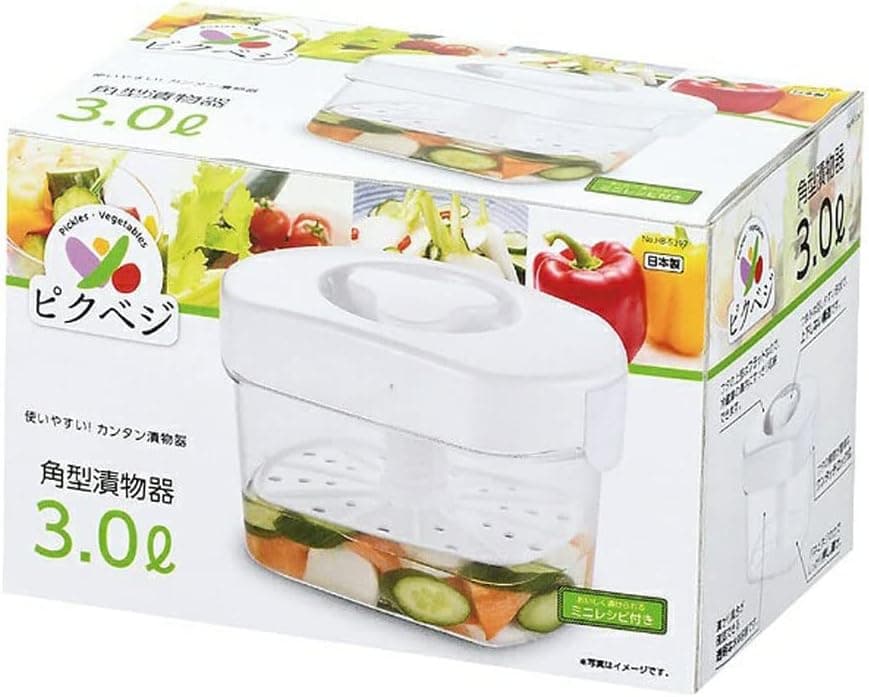
Brine Pickles or Vinegar Pickles
How fermented brine pickles differ from vinegar pickles in method, flavour, texture and storage, and which approach suits which vegetables and which cooks.

Fermented Salsa
How to ferment salsa safely at home, which ingredients hold up, why tomatoes need care, plus salt guidance, timing at room temperature and storage expectations.
Lacto Fermented Hot Sauce From Fresh Chillies
How to make lacto fermented hot sauce at home, from choosing chillies and setting brine strength to fermenting, blending, straining and adjusting the acidity.
Fermentation Safety Basics Every Beginner Should Know
The safety rules of home fermentation, covering acidity, submersion, clean equipment, what normal looks like and the clear signals that mean discard it.
Fixing Slimy or Soft Ferments
Why fermented vegetables turn slimy or mushy, which causes are harmless and which are not, and the salt, temperature and tannin fixes that keep texture crisp.

Water Quality and Chlorine in Home Fermentation
Whether tap water harms ferments, how to remove chlorine and chloramine, when filtered or bottled water is worth it, and how hard water affects cultures.
Fermentation Temperature
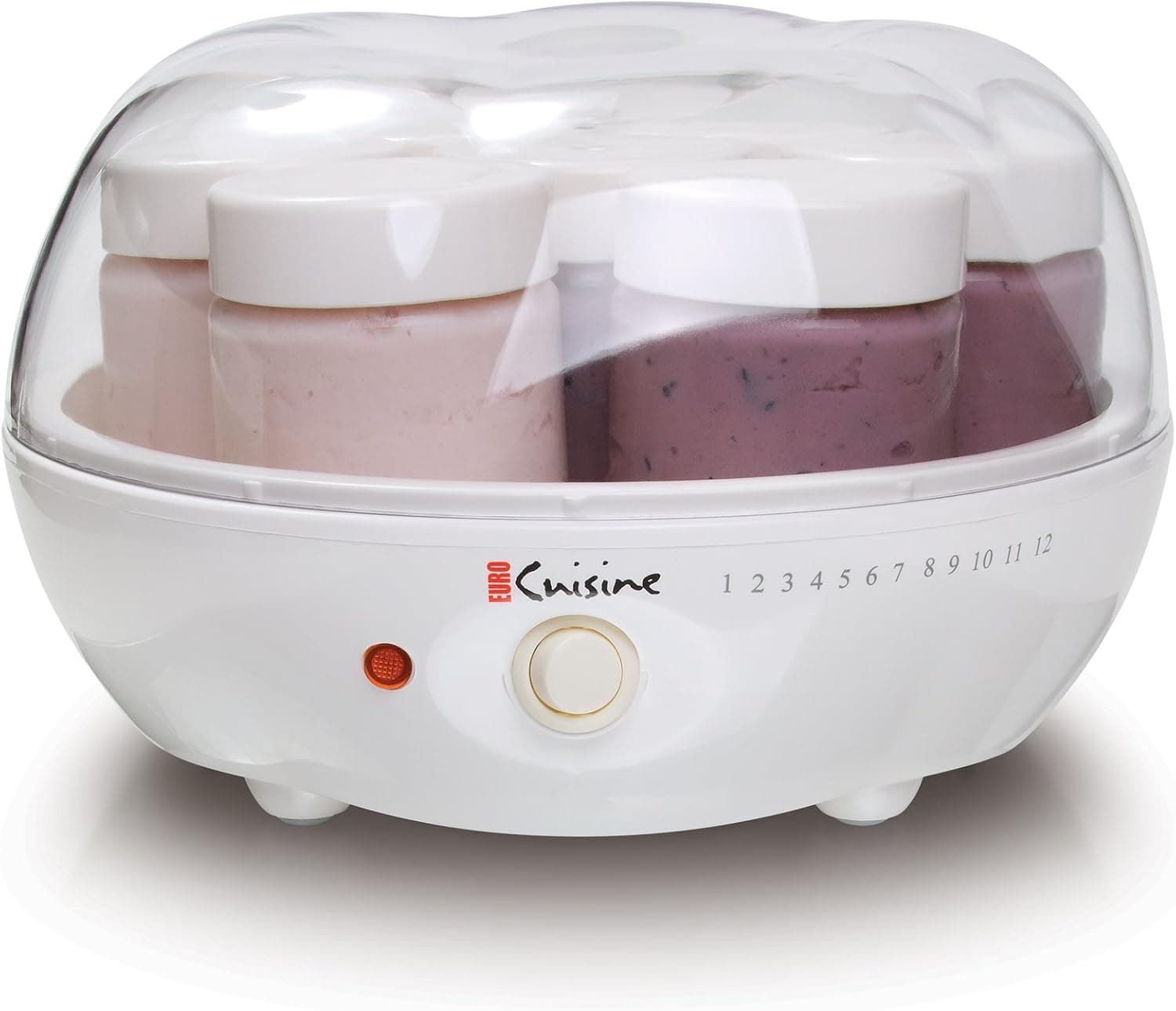
Best fermentation temperature by ferment: 64 to 72 F (18 to 22 C) for vegetables, 75 to 82 F for kombucha, 104 to 113 F for yogurt, and how to hold it steady.

Burping Jars and Using Airlocks Without the Mess
Why fermenting jars build pressure, how often to burp them, how airlock lids work and which method suits vegetables, kombucha bottles and other active ferments.
Fermentation Crock or Glass Jar
A practical comparison of water sealed crocks and glass jars for fermenting vegetables, covering batch size, cost, maintenance, visibility and long ferments.
Milk Kefir Daily Routine
How to keep milk kefir grains happy with a short daily routine, including ratios, straining, temperature, rest periods in the fridge and common texture fixes.
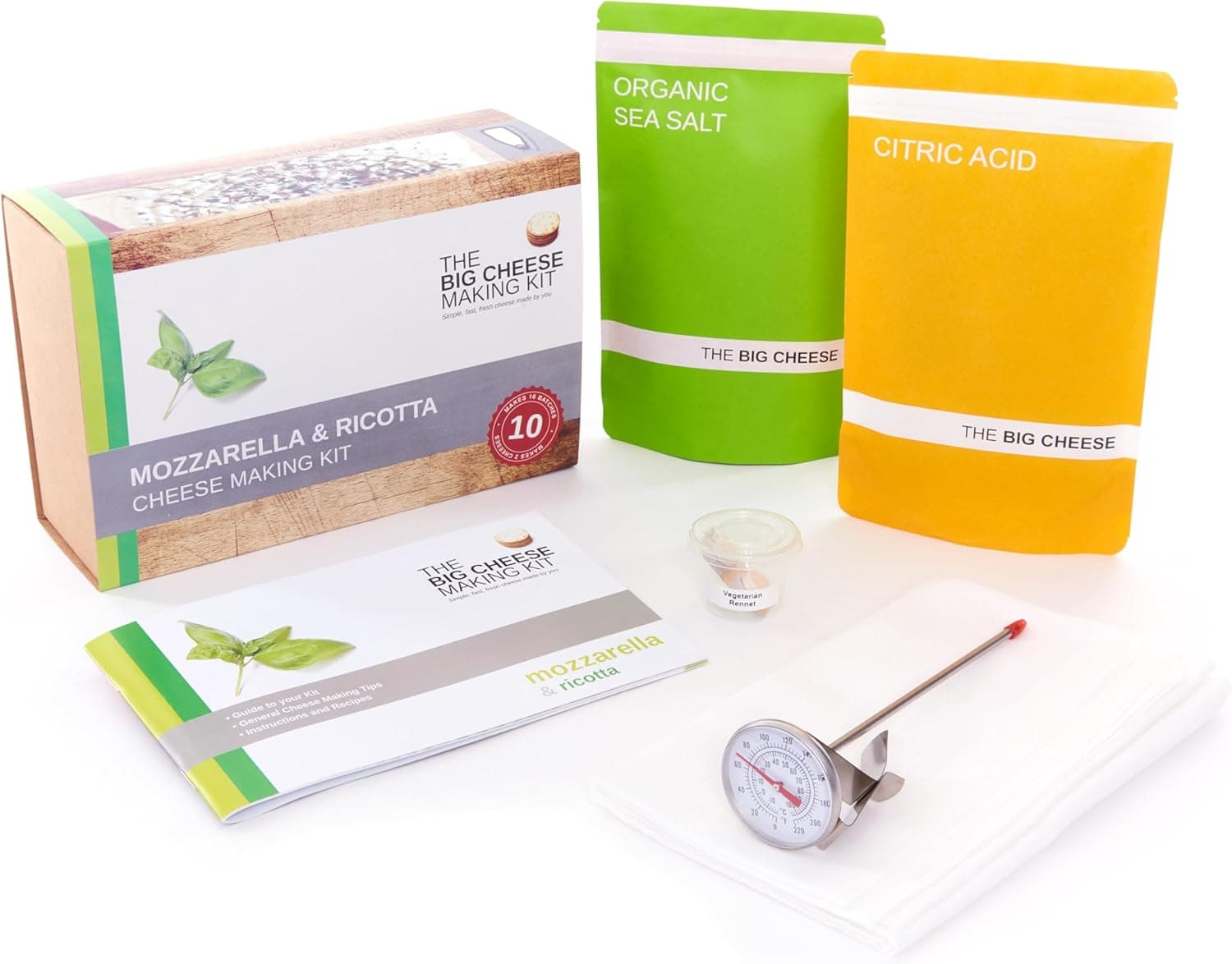
Making Kimchi at Home Without Special Equipment
A practical guide to home kimchi, covering cabbage salting, paste ingredients, fermenting time at room temperature and how to store the finished jar.
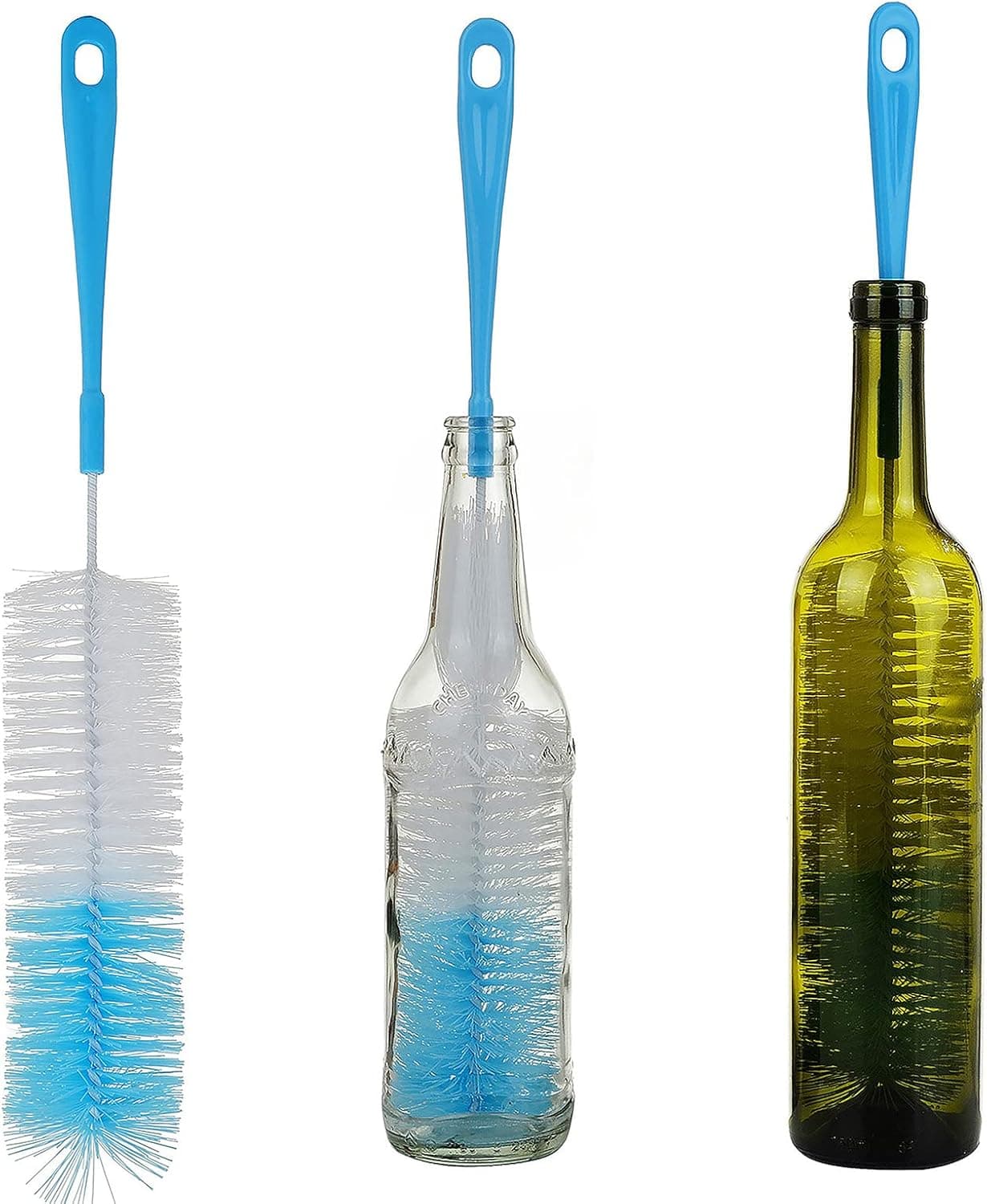
Avoiding Mold and Kahm Yeast in Your Ferments
How to tell mold from harmless kahm yeast, what causes each one to appear on ferments, and the practical habits that keep the surface of your jars clean.
Kombucha First and Second Ferment Explained
What happens in the first and second ferment of kombucha, how long each stage takes, and how to build fizz and flavour without over carbonating bottles.
Your First Batch of Sauerkraut, Step by Step
A practical walkthrough of making sauerkraut in a jar, from choosing cabbage and weighing salt to submerging, tasting and knowing when the batch is ready.
Salt Ratios for Vegetable Ferments
How to calculate salt for sauerkraut, kimchi and brine pickles by weight, which percentages suit which vegetables, and what happens when you go too low or high.
How Fermentation Works
A plain guide to how home fermentation works, covering the microbes, salt, oxygen and time that turn fresh vegetables and milk into tangy preserved food.