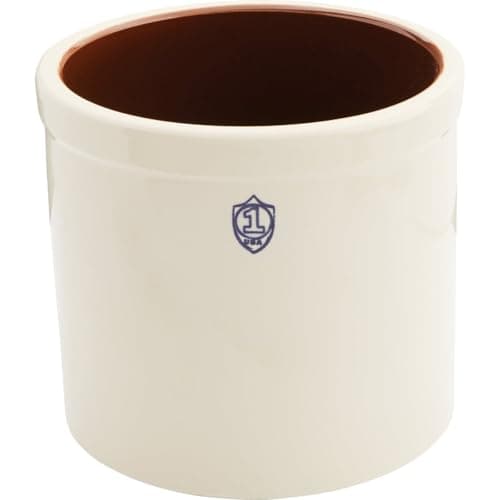
Ferment better food at home
Real picks for crocks, kombucha kits, airlocks, cultures, and everything for fermenting at home
- 1
Prep
Wash and cut vegetables, and start with clean jars and tools.
Kimchi & Kraut → - 2
Salt
Weigh salt as a percent of the vegetables or the water.
Testing & Tools → - 3
Weigh down
Keep everything under the brine with weights or an airlock lid.
Crocks & Vessels → - 4
Wait
Ferment at cool room temperature, then refrigerate when it tastes right.
Bottling & Storage →
Top picks right now
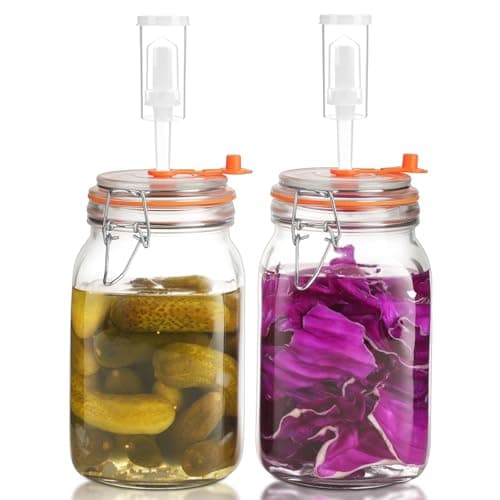
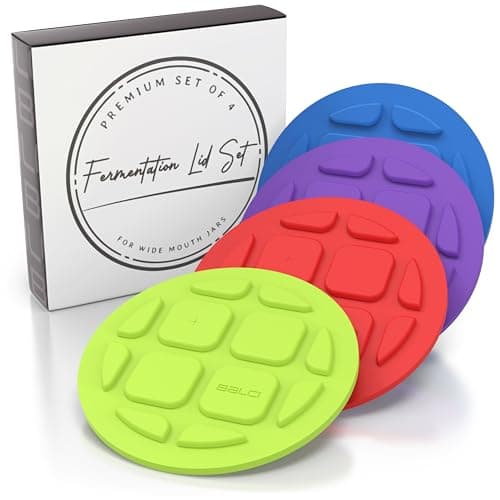
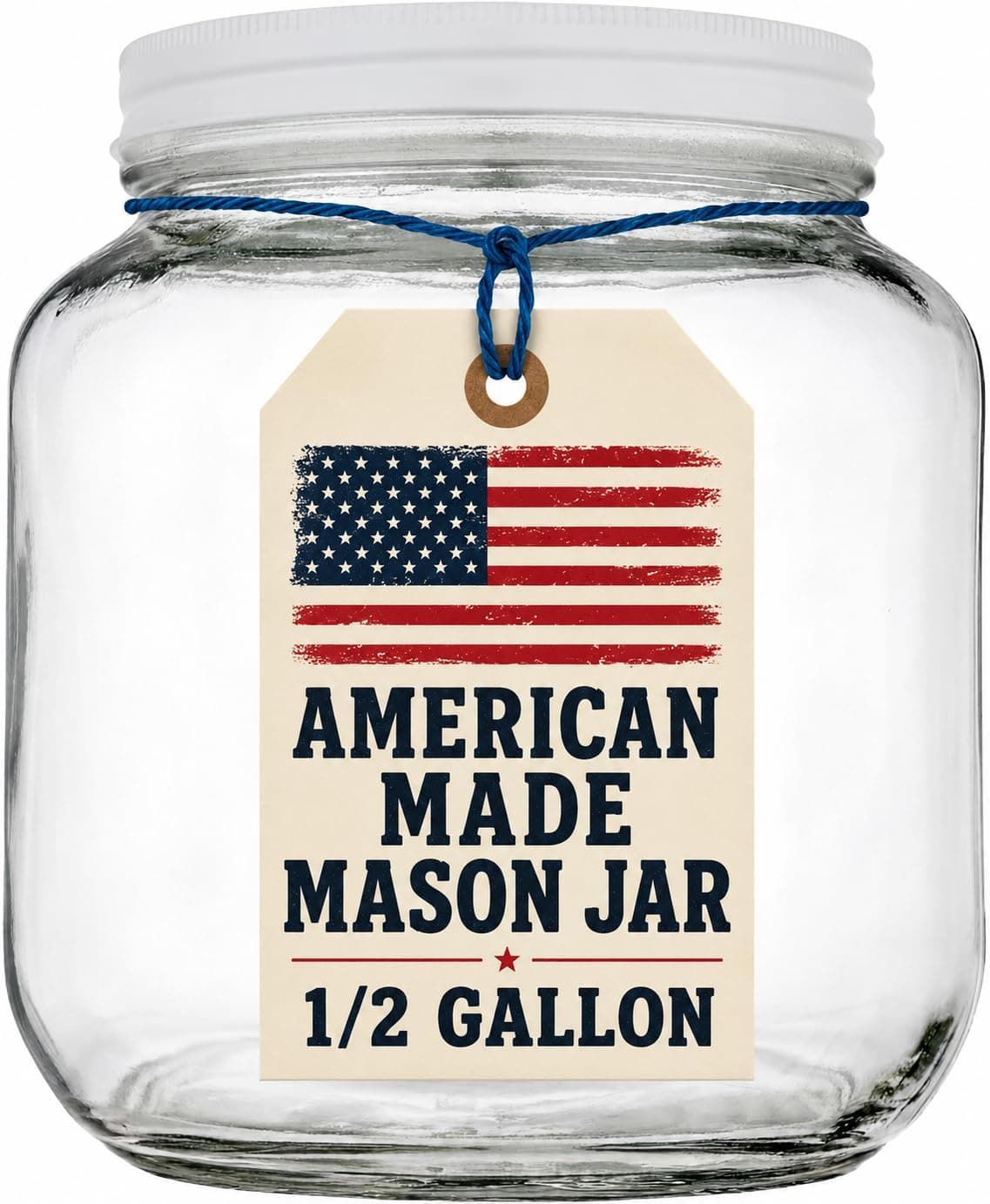

Salt by weight
- Sauerkraut about 2% of the cabbage
- Vegetable brine often 2 to 5% of the water
- Example 1,000 g water at 3% = 30 g salt
Typical ranges. Use non-iodized salt and weigh it, since grain size changes how much fits in a spoon.
New here?
Start Here: A Beginner's Path Into Home Fermentation
8 short steps in the order a beginner needs them, with the guides and tools for each one.
Popular right now
- Brine Pickles or Vinegar PicklesArticle
- Water Quality and Chlorine in Home FermentationArticle
- The Best Vacuum Seal Bags for FermentationBuying guide
- Backslopping explainedGlossary
- Best Koji Starter SporesBuying guide
- Fermentation TemperatureArticle
Based on the last 28 days of search and visitor data.
Start here
All guides →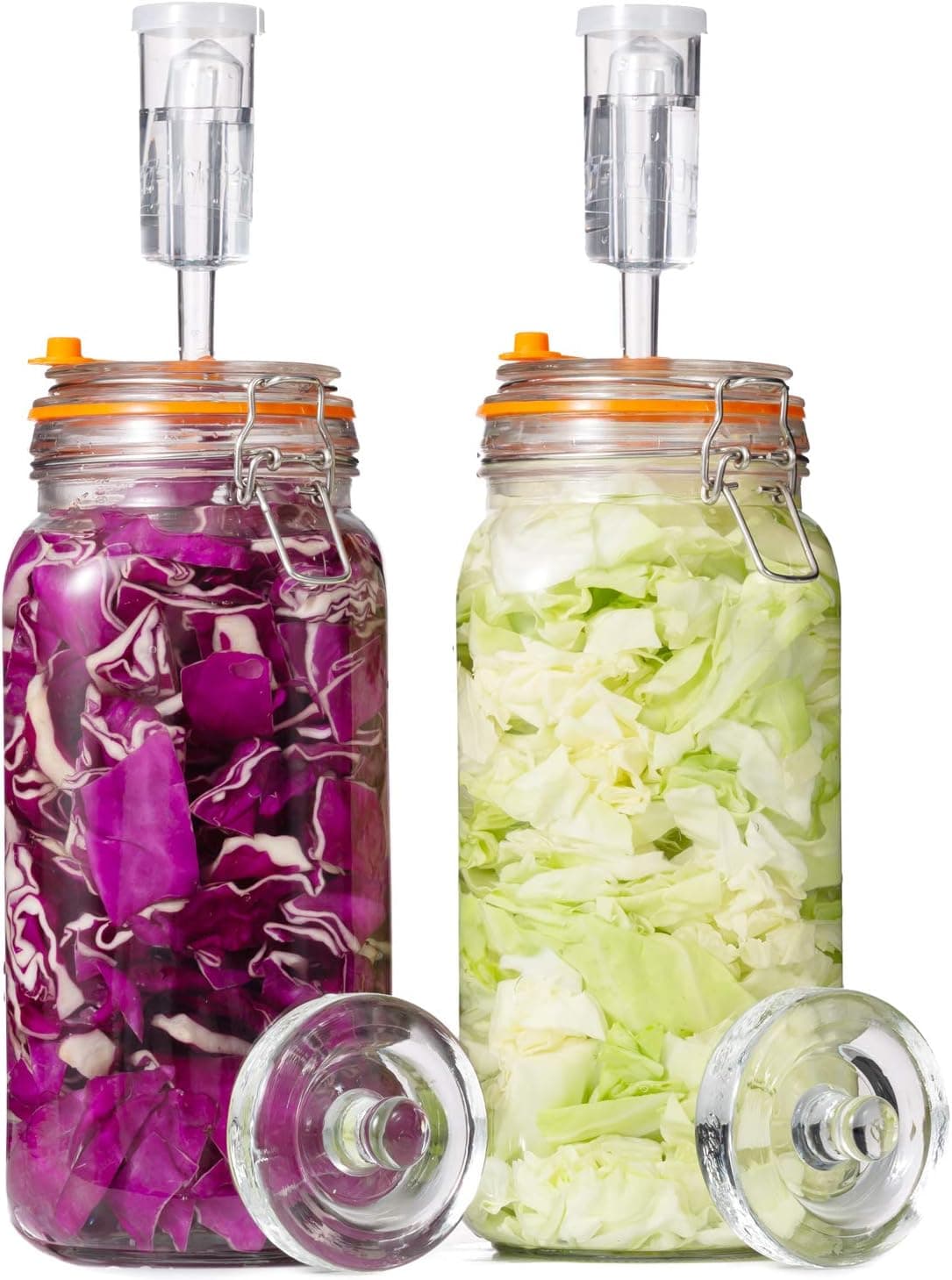
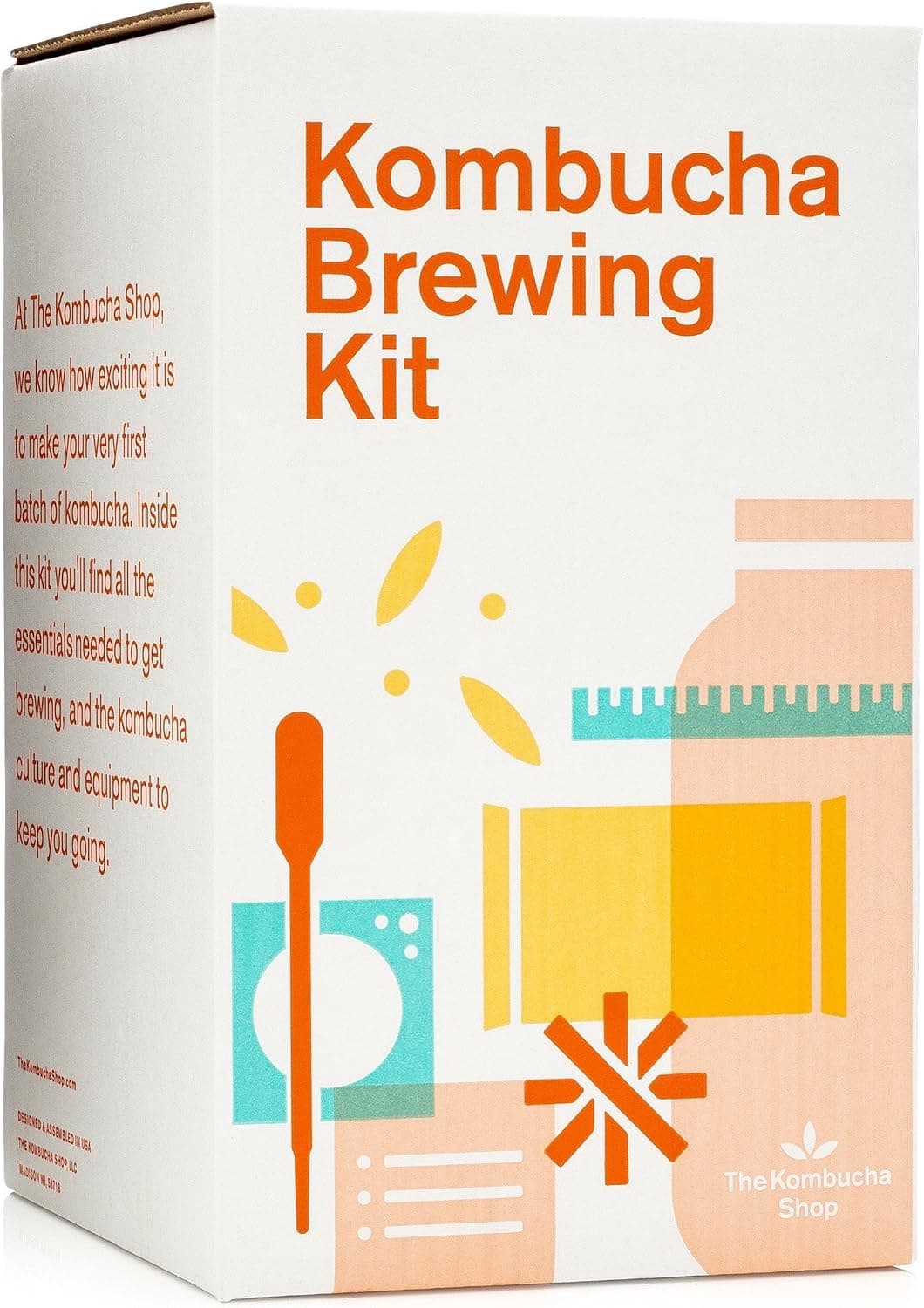
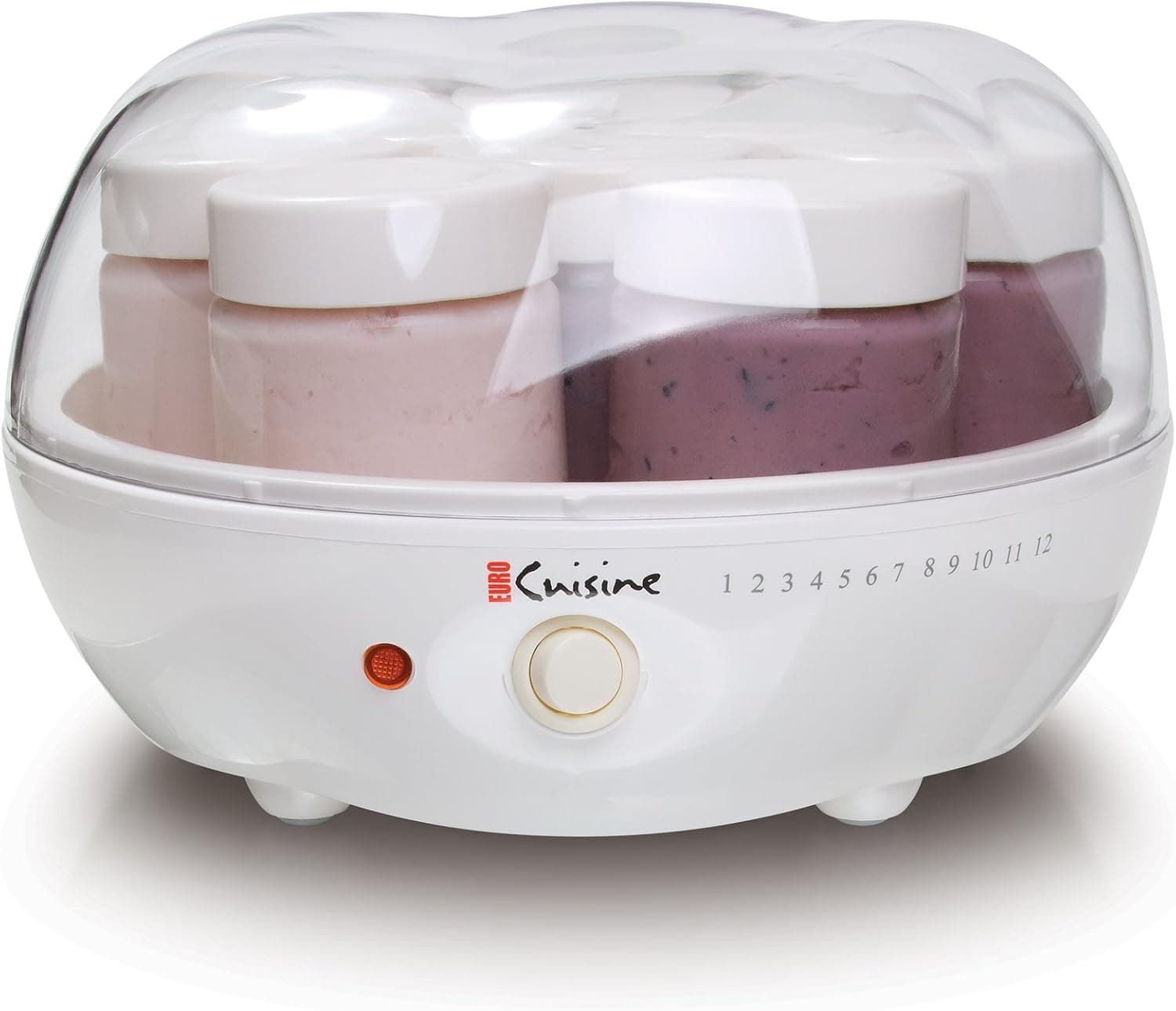
Shop by category
Crocks & Vessels
Fermentation crocks, jars, weights, and airlock lids.
Browse 10 guides →Kombucha & Drinks
Kombucha kits, jun, water kefir, and brewing vessels.
Browse 10 guides →Kimchi & Kraut
Vegetable fermentation gear, presses, and prep tools.
Browse 10 guides →Dairy & Cultures
Yogurt and kefir makers, starter cultures, and tempeh gear.
Browse 11 guides →Bottling & Storage
Swing-top bottles, funnels, siphons, and storage.
Browse 9 guides →Testing & Tools
pH meters, scales, thermometers, and kitchen helpers.
Browse 11 guides →Best buying guides
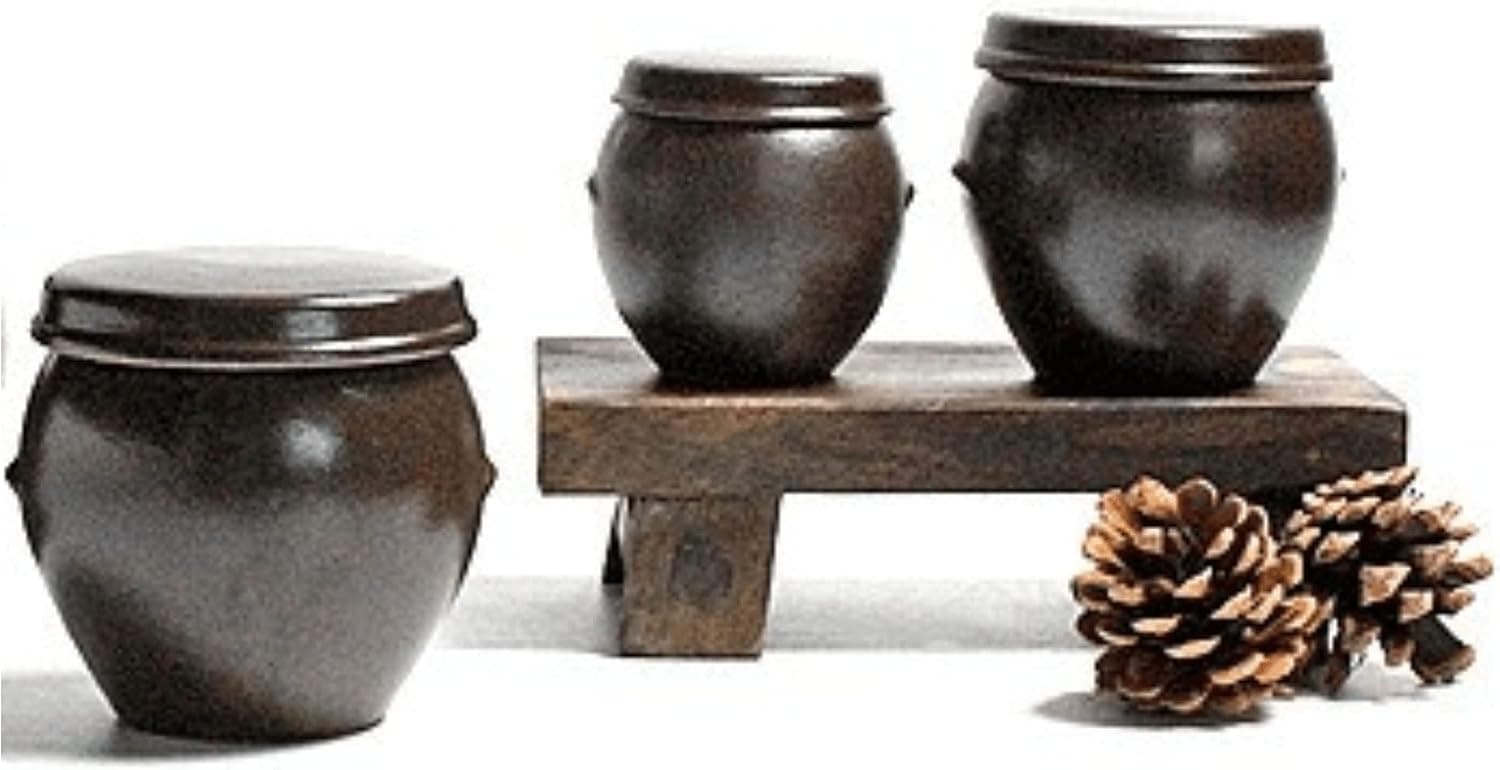
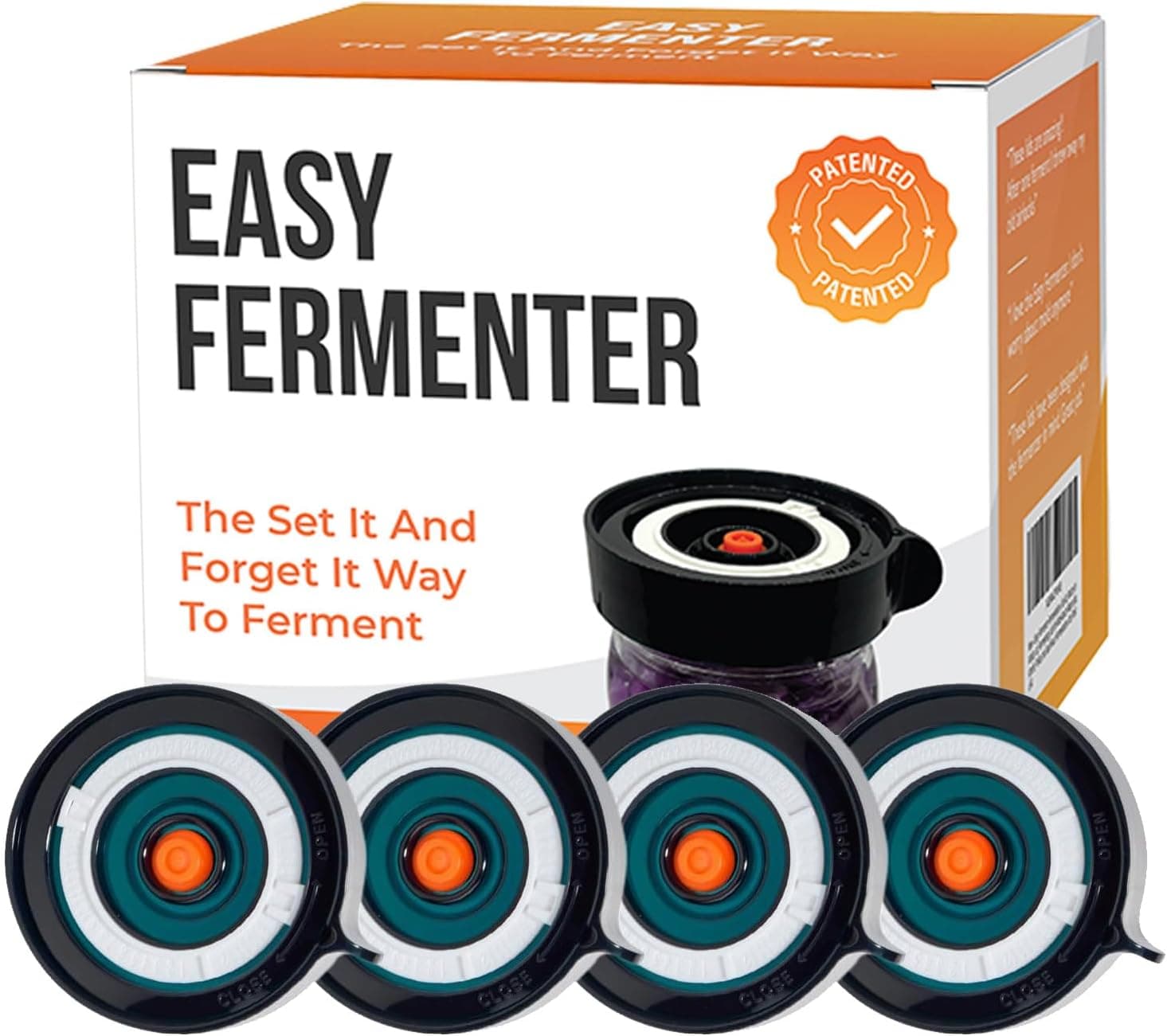
Best Onggi Crocks
Unglazed Korean onggi crocks that breathe while kimchi ferments. We compare clay body, porosity, lid fit and sourcing, plus how to season a new jar.
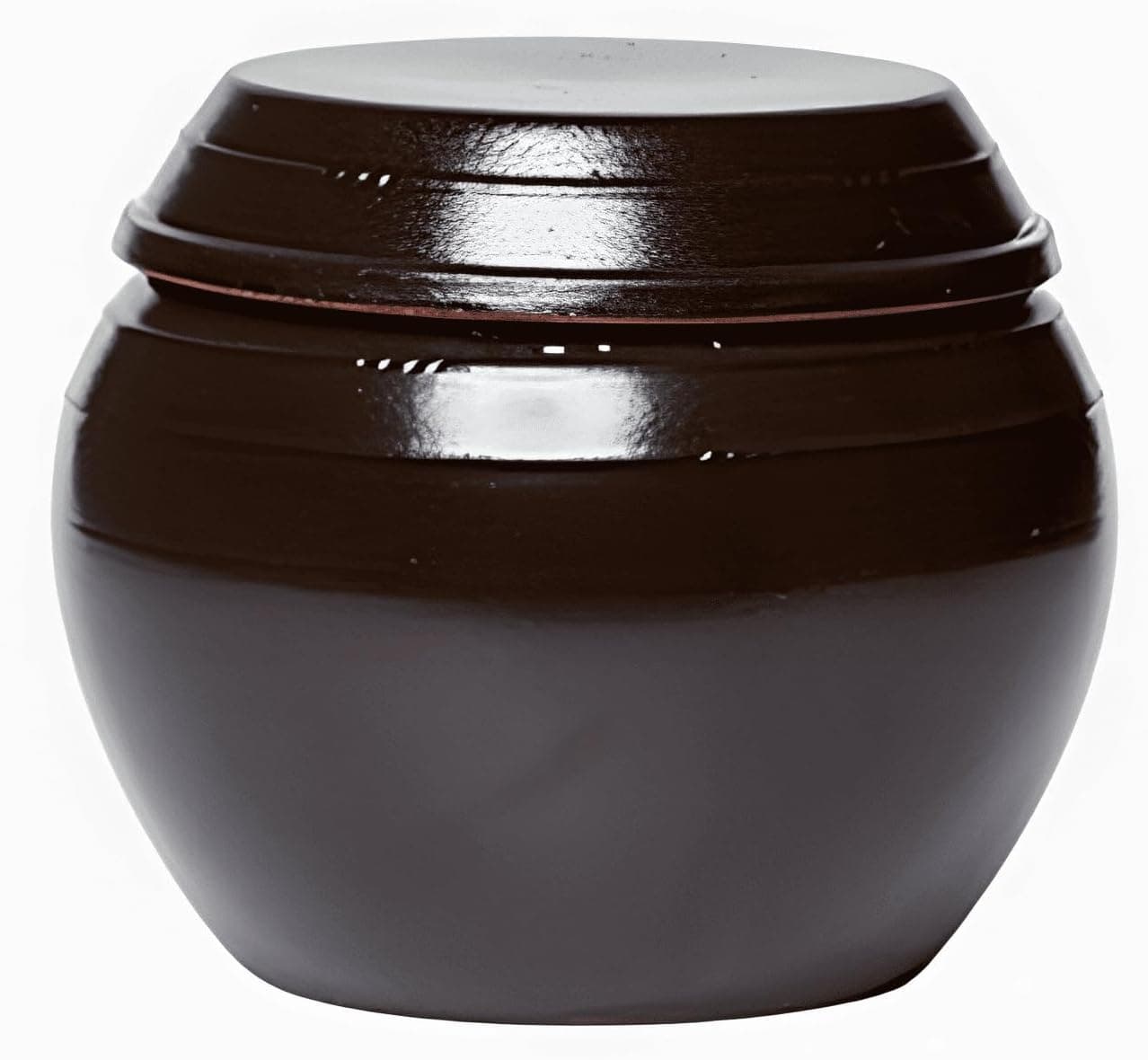
Best Fermentation Kits
Starter kits that take you from nothing to a jar of kraut. We judge each on its weakest part: weights, valves, jar quality and genuinely clear instructions.
Best Kimchi Containers for Home Fermentation
Kimchi containers that hold up to brine, gas and garlic. We look at seals, vent options, sizes and materials so batches stay crisp and the fridge stays calm.

Best SCOBY Starter Kits
SCOBY starter kits for a dependable first kombucha batch. We compare live versus dehydrated cultures, starter tea volume, packaging and seller instructions.
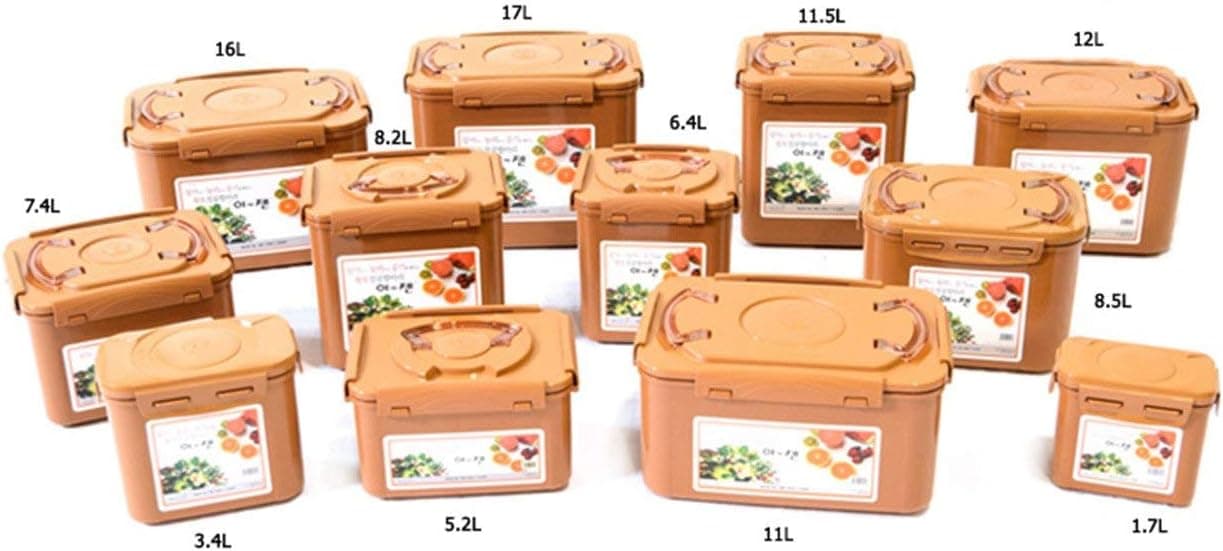
The Best Storage Containers for Fermented Foods
Once fermentation is done, the right container slows it down. These fridge containers keep kraut, kimchi, and pickles crisp without leaks or odors.
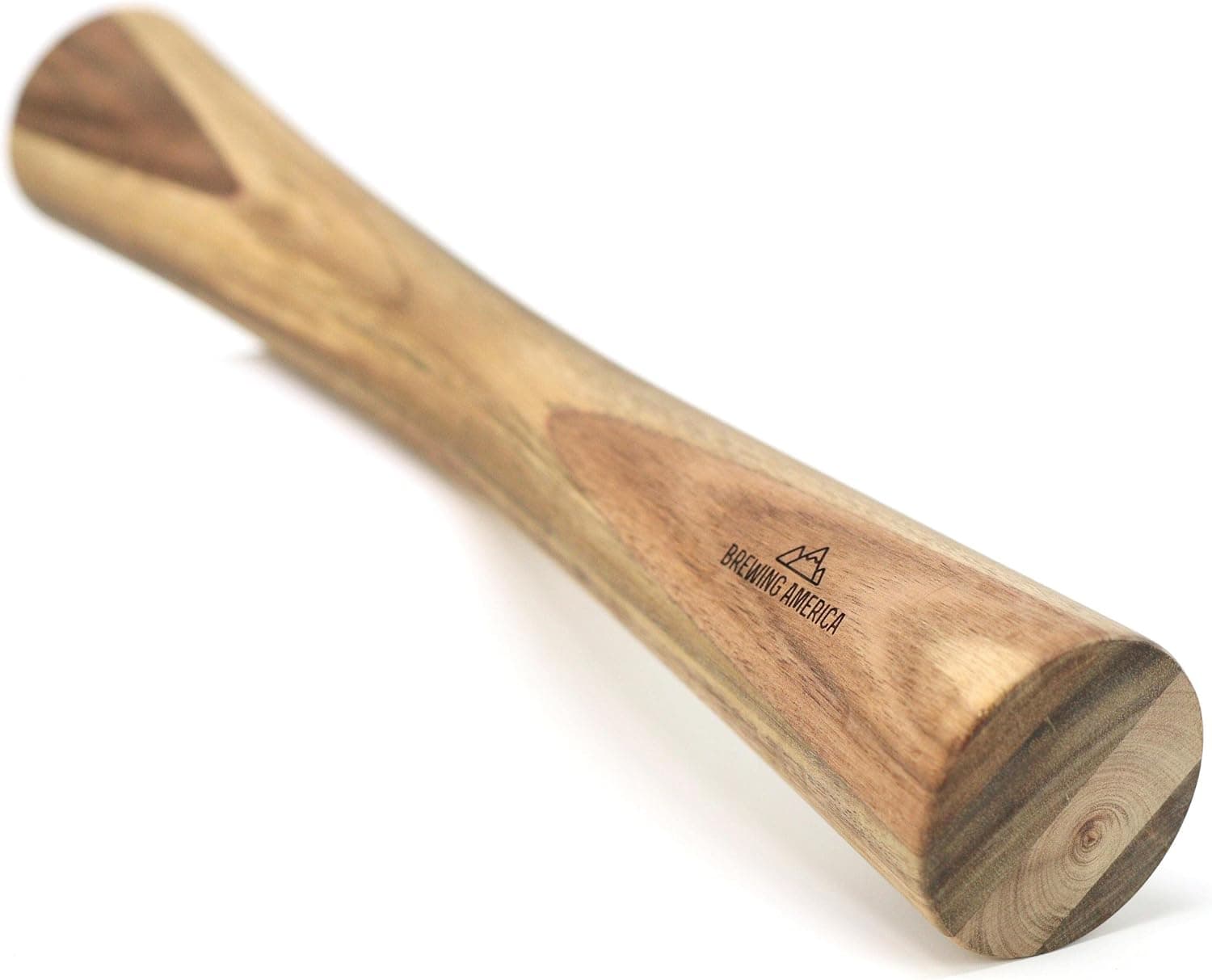
The Best Muddlers and Tampers for Packing Ferments
Packing vegetables tightly under brine is step one of good kraut. These tampers and muddlers bruise cabbage and pack jars without wrecking hands.
Packing tips
All tips →How to Make Kombucha at Home: Step-by-Step Recipe for a One-Gallon Batch
How to make kombucha drink at home: a one-gallon recipe with tea, sugar, SCOBY and starter tea, plus timing, temperature, taste checks and spoilage signs.
Backslopping: How to Start a New Ferment From the Last Batch
Backslopping means seeding a new ferment with some of the last batch. Typical amounts for yogurt, kombucha, sourdough and vegetables, and when to start fresh.
Fermentation Salt Chart
Salt percentages for vegetable ferments, how to calculate a brine by weight, and why the right salinity is what keeps a ferment safe.
How to Make Honey-Fermented Cranberries for Holiday Meals
Honey-fermented cranberries make a tangy relish, cocktail garnish and gift. How to start them in autumn, manage the jar and keep the ferment safe.