Testing & Tools
Small tools make fermenting accurate and repeatable. Scales, thermometers, pH meters and labels take the guesswork out of salt ratios and timing.
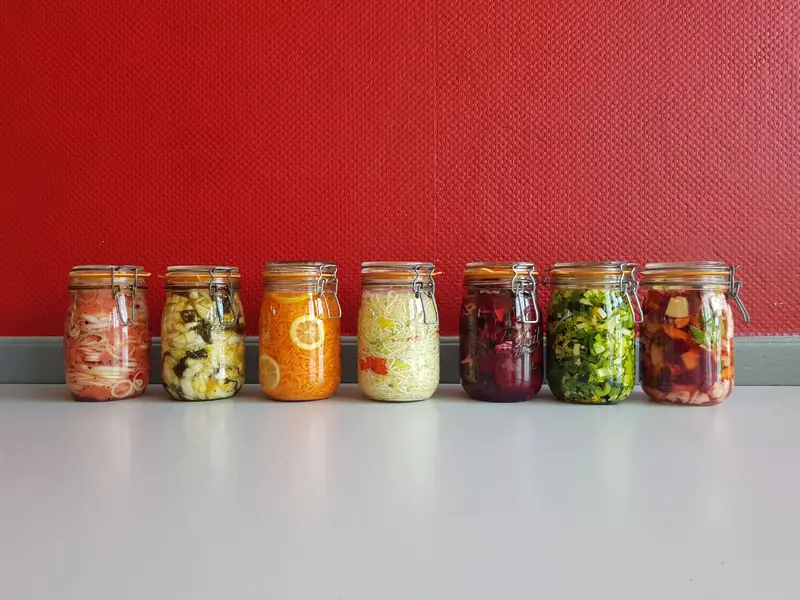
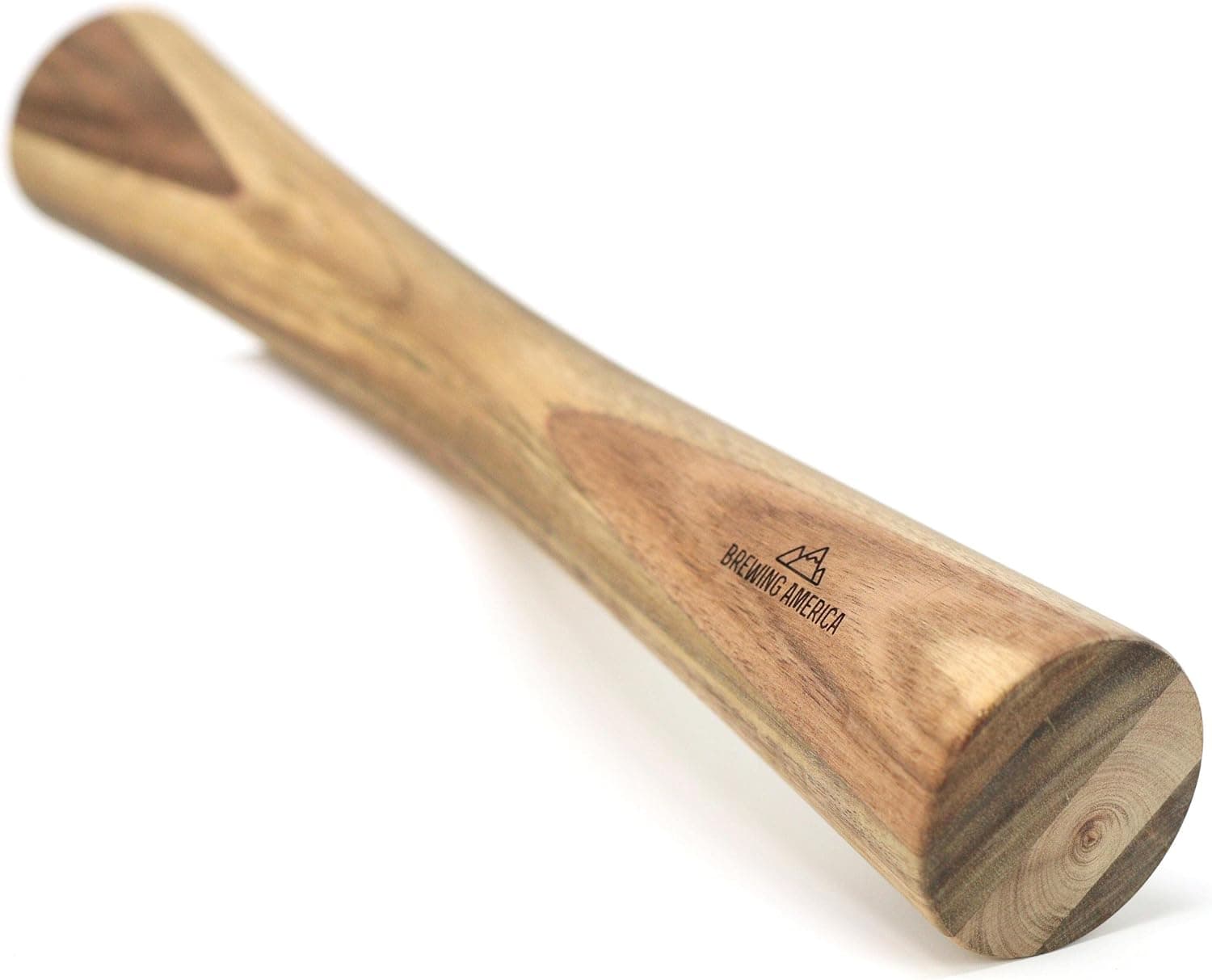
The Best Muddlers and Tampers for Packing Ferments
Packing vegetables tightly under brine is step one of good kraut. These tampers and muddlers bruise cabbage and pack jars without wrecking hands.
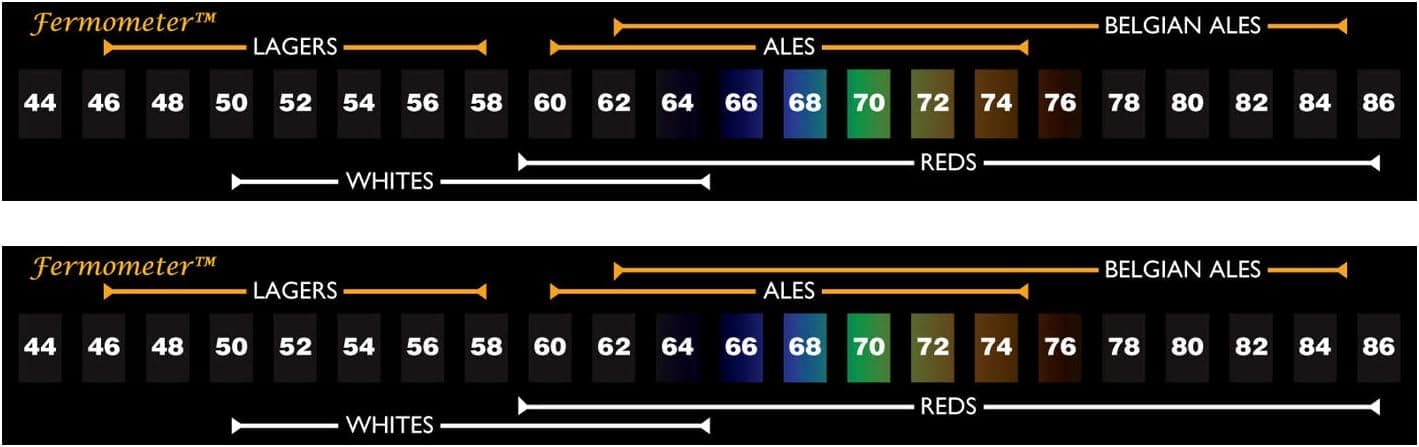
The Best Thermometers for Fermentation
Temperature quietly decides how fast and how well ferments go. These thermometers track jars, crocks, and brewing vessels reliably.
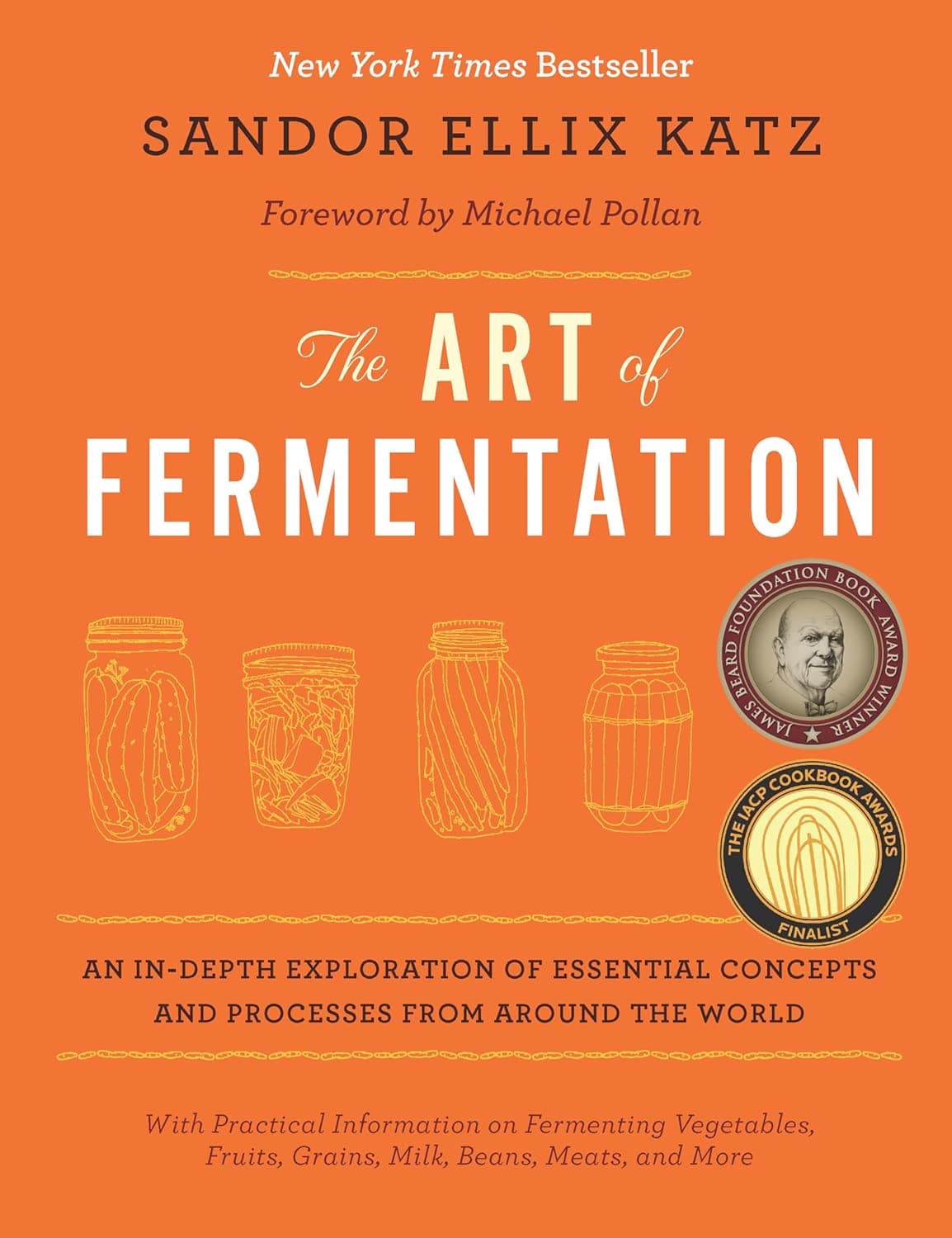
The Best Fermentation Books Worth Owning
The right book takes you from following recipes to understanding ferments. These are the references worth shelf space, from beginner to obsessive.
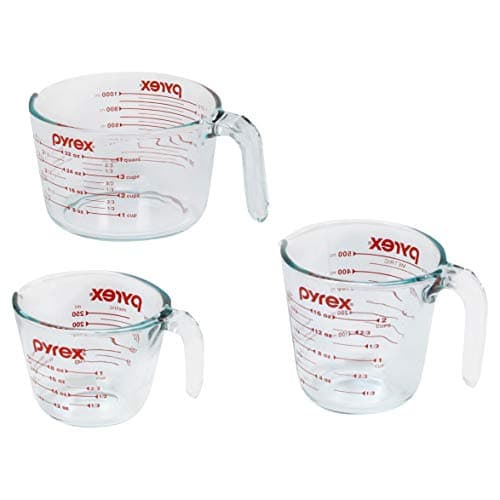
The Best Glass Measuring Pitchers for Brines and Batches
Mixing brines, feeding kombucha, and topping up jars all go through a pitcher. These glass picks measure accurately and shrug off acid and heat.
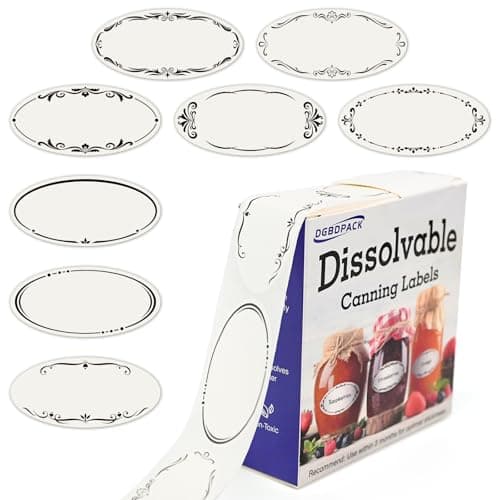
The Best Labels for Fermentation Jars and Bottles
Every fermenter eventually finds a mystery jar. These labels survive brine, fridge moisture, and dishwashers, then peel off clean when the batch is done.
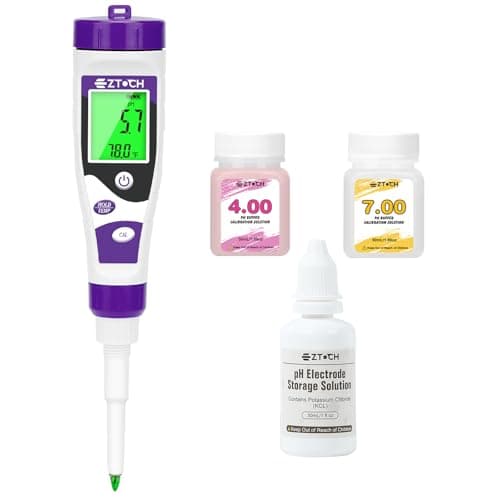
The Best pH Meters for Fermentation
A pH meter turns guessing into knowing for hot sauce, kraut, and kombucha. These meters calibrate easily and hold accuracy over time.
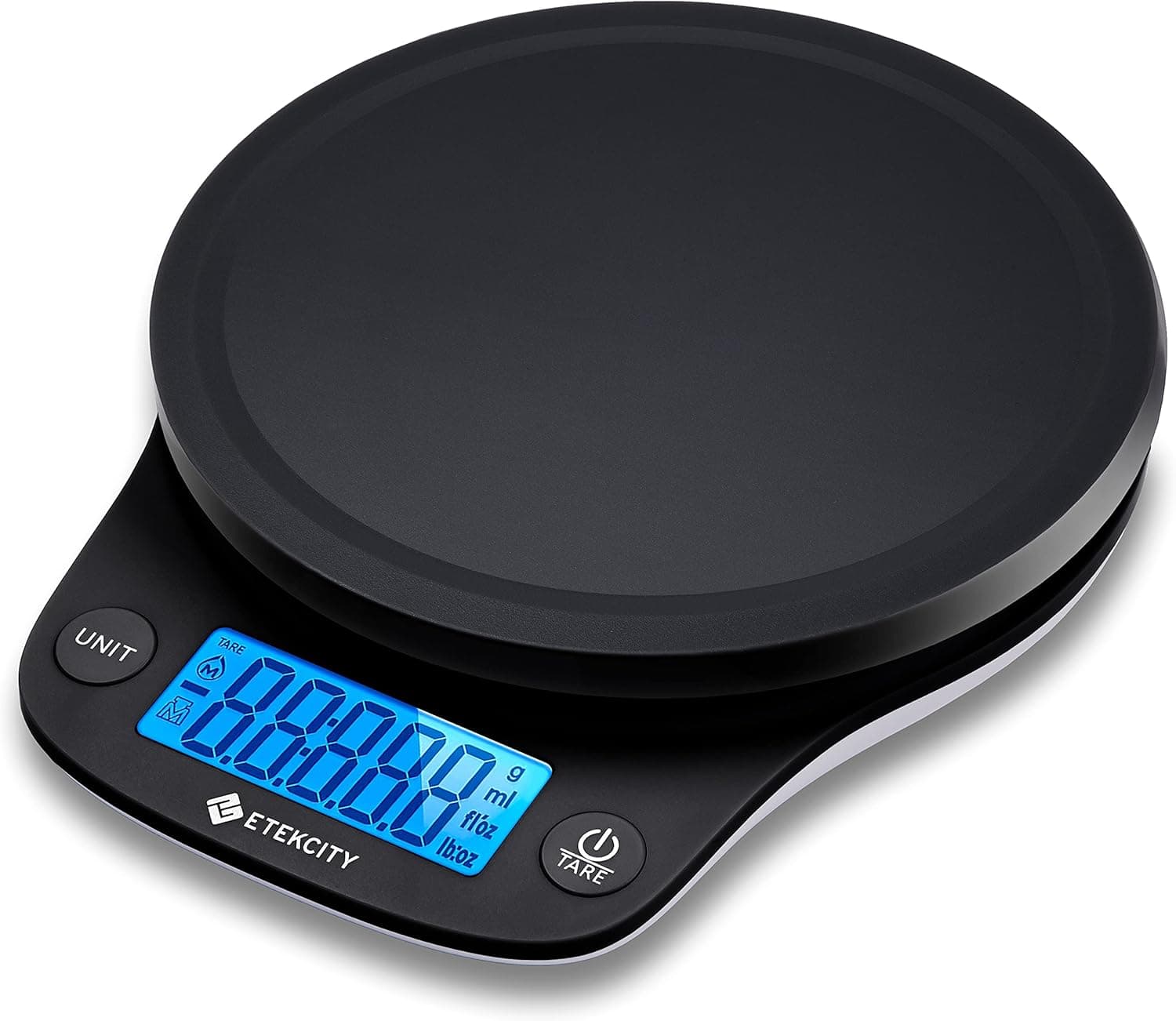
The Best Kitchen Scales for Fermentation
Salt by weight is the difference between reliable ferments and lucky ones. These scales handle both gram precision and full-jar batches.
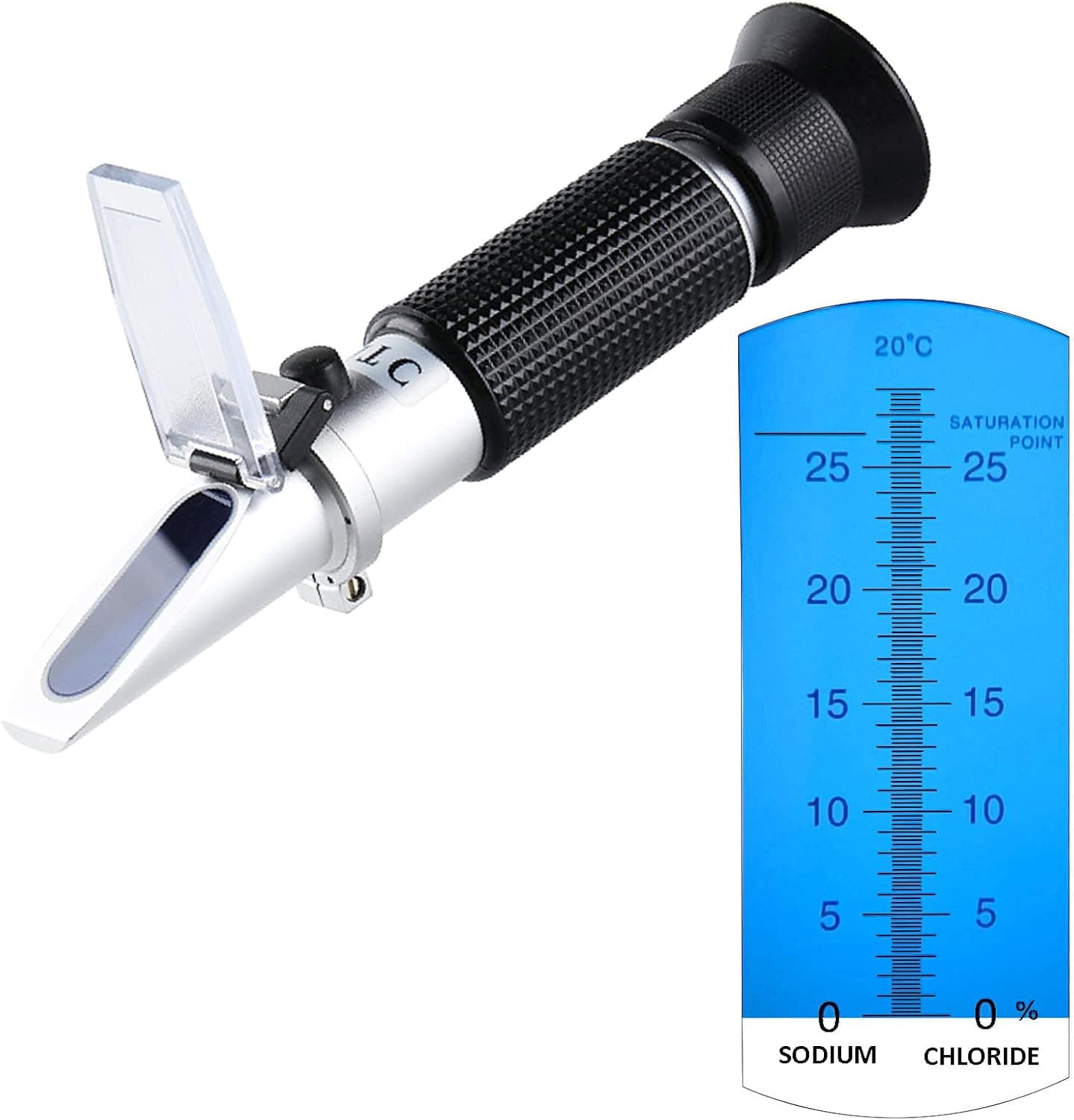
The Best Brine Calculators and Measuring Tools
Getting brine percentage right is most of vegetable fermentation. These calculators, refractometers, and measuring tools remove the math.
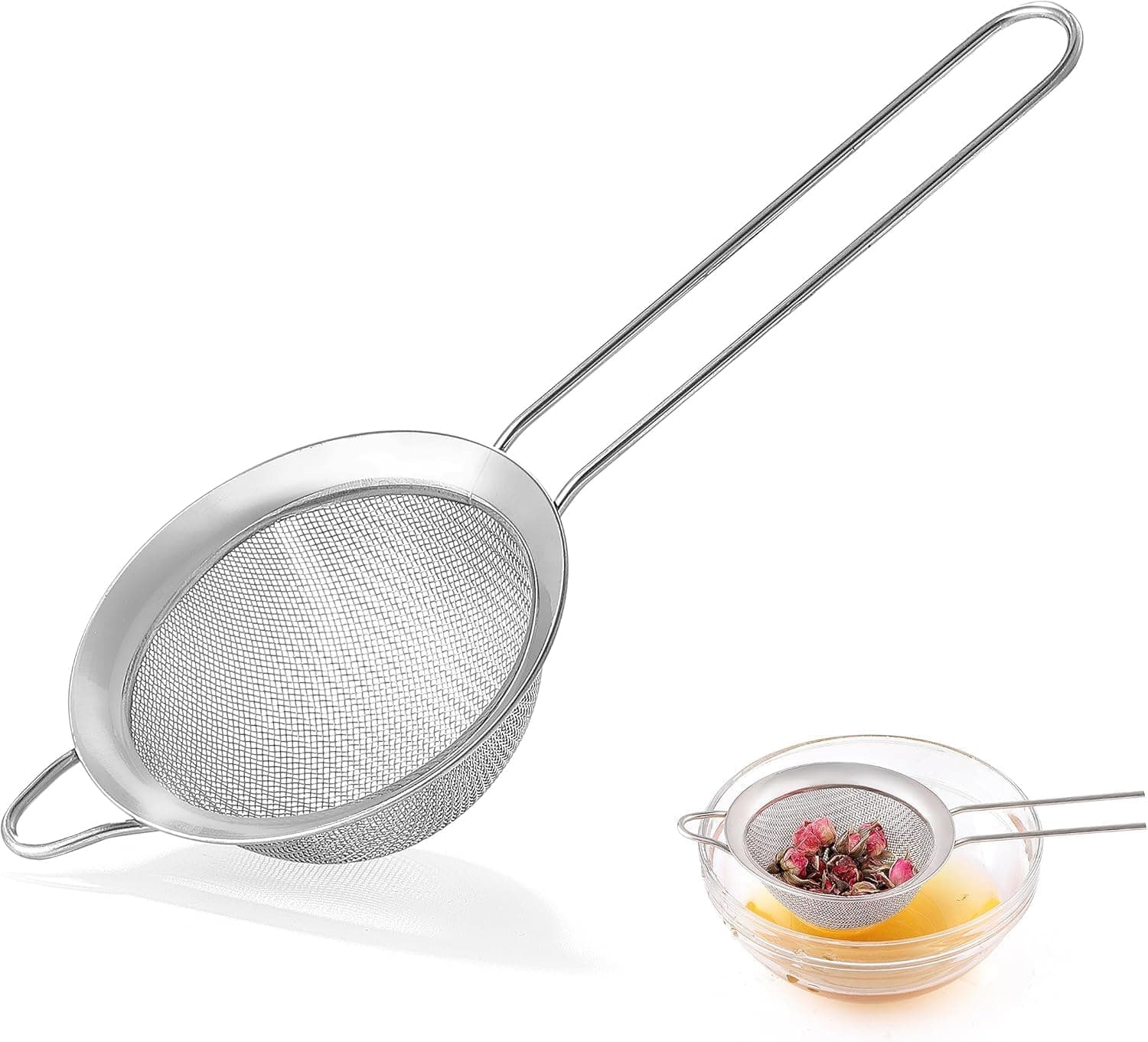
The Best Fine Mesh Strainers for Fermentation
From catching kefir grains to clarifying kombucha, a fine mesh strainer is daily-use fermentation gear. These hold up to acid and constant rinsing.
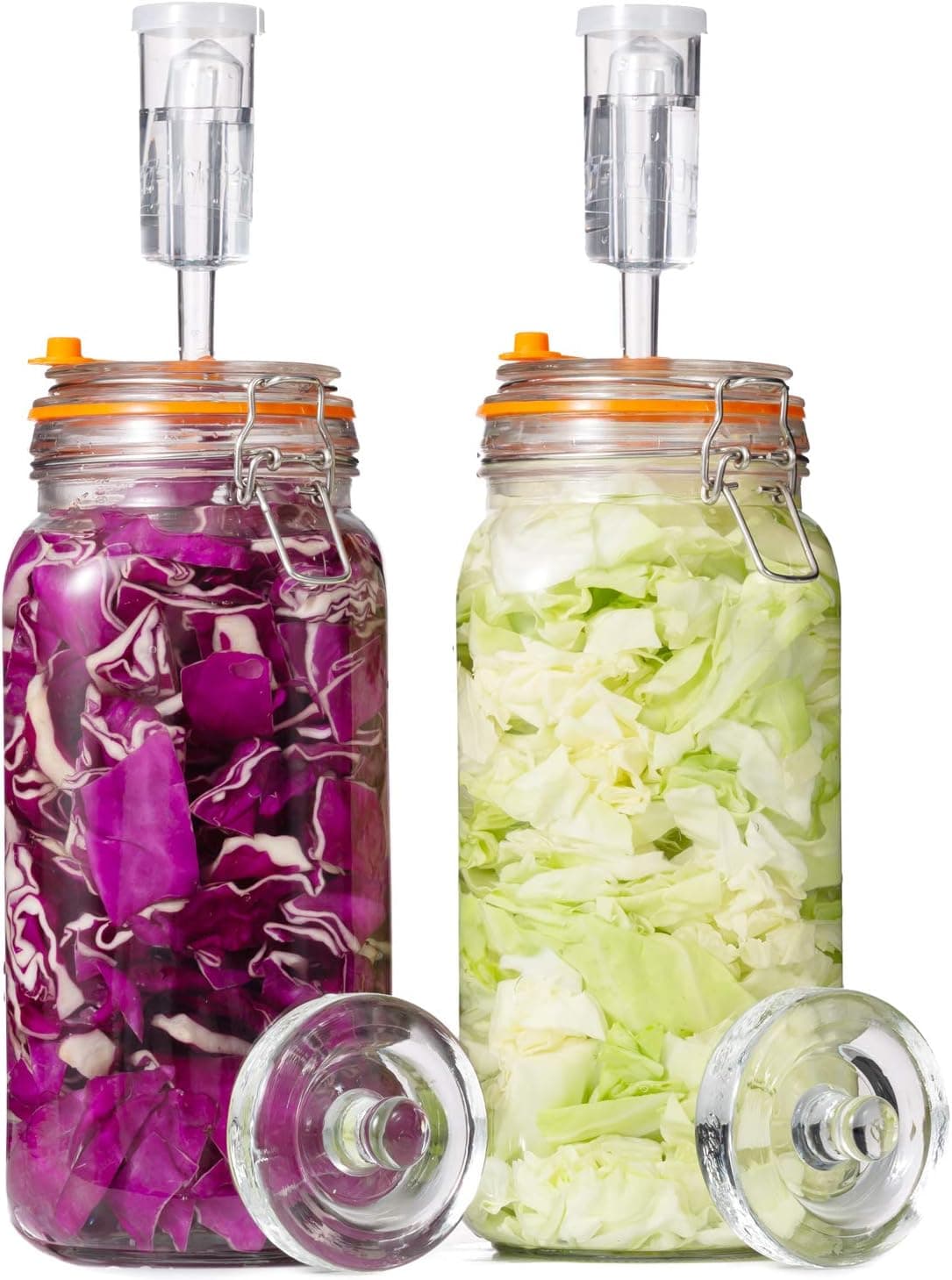
Best Fermenting Equipment for Beginners
A first fermenting setup chosen for standard fittings and visible brine rather than for quality, so that every replacement part you buy a year later still fits.
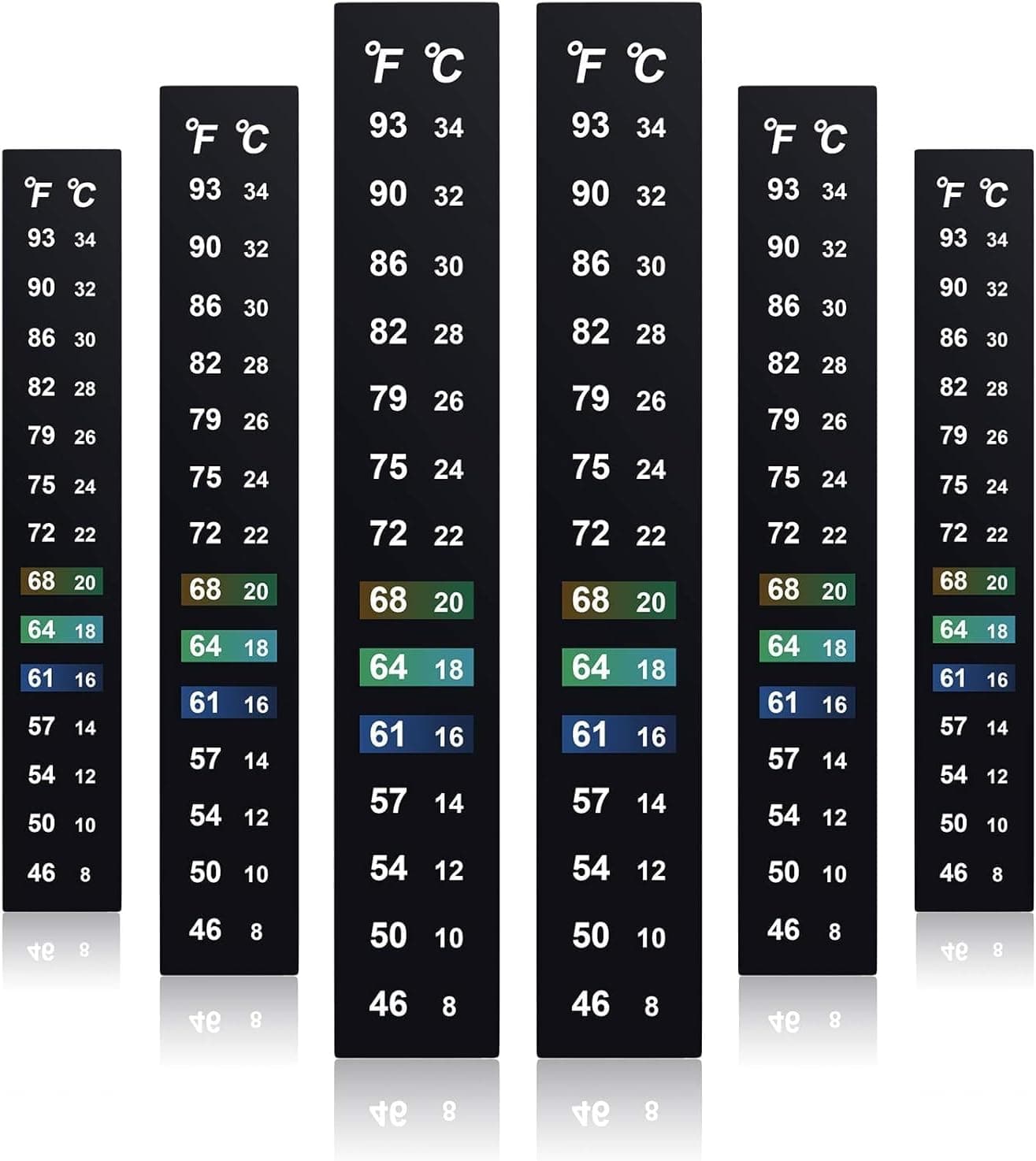
Best Fermentation Measuring Tools
Salinity, pH and temperature are the only three readings a ferment needs, and resolution rather than feature count is what decides which tool is worth buying.
How to choose
- Use a scale for salt percentages.
- Track room temperature with a thermometer.
- Use a pH meter for more advanced projects.
- Label every jar with date and salt ratio.
Common questions
Do I need a pH meter to ferment?
Not for basic sauerkraut and pickles. It is useful for hot sauces, advanced projects and when you want to confirm acidity.
How do I calculate brine?
Multiply the weight of water, or of vegetables for dry salting, by the salt percentage. For a 2% brine, add 20 g of salt per litre of water.