Dairy & Cultures
Dairy and specialty cultures open up yogurt, kefir, cheese, tempeh and koji. Many need steady temperatures, which makers and incubators provide.
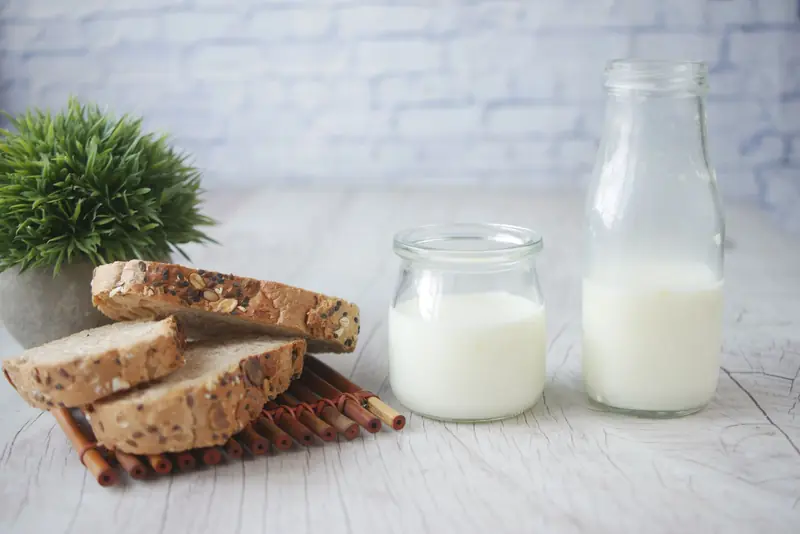
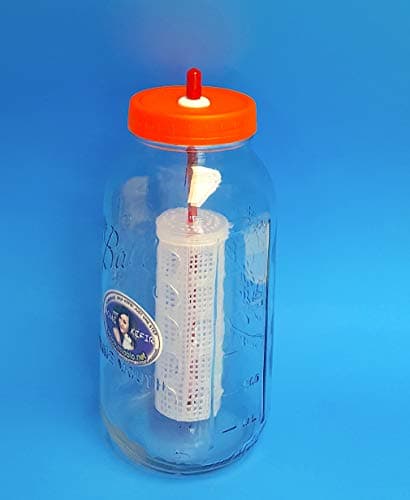
Best Kefir Fermenters and Brewing Jars
The right vessel keeps kefir straining simple. We compare jar shapes, built-in sieves, lid venting, glass thickness and which setups suit daily brewing at home.
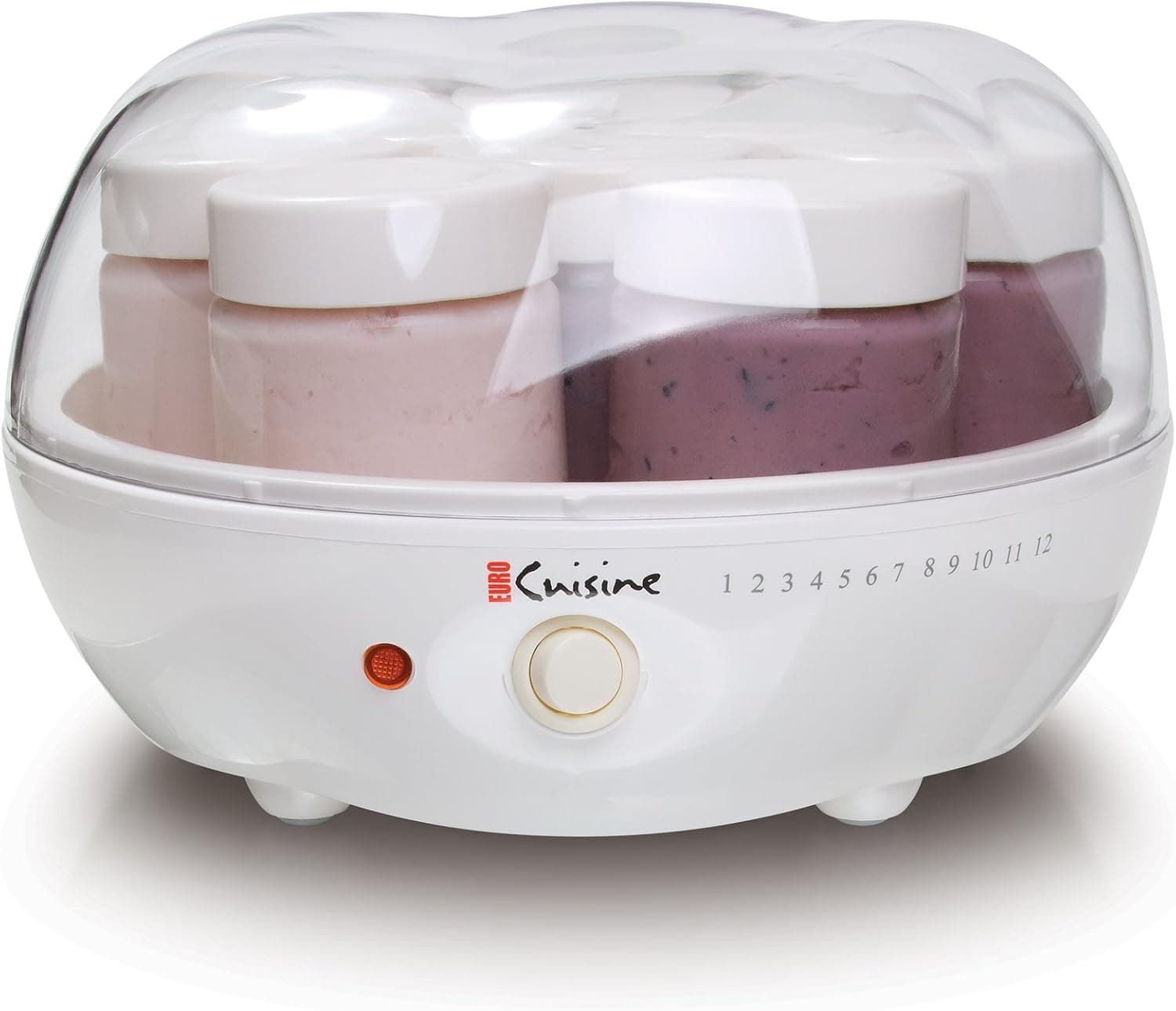
Best Yogurt Makers for Home Use
Steady warmth makes thick yogurt. We compare yogurt makers on temperature control, jar layout, timers and capacity, plus which ones suit daily family batches.
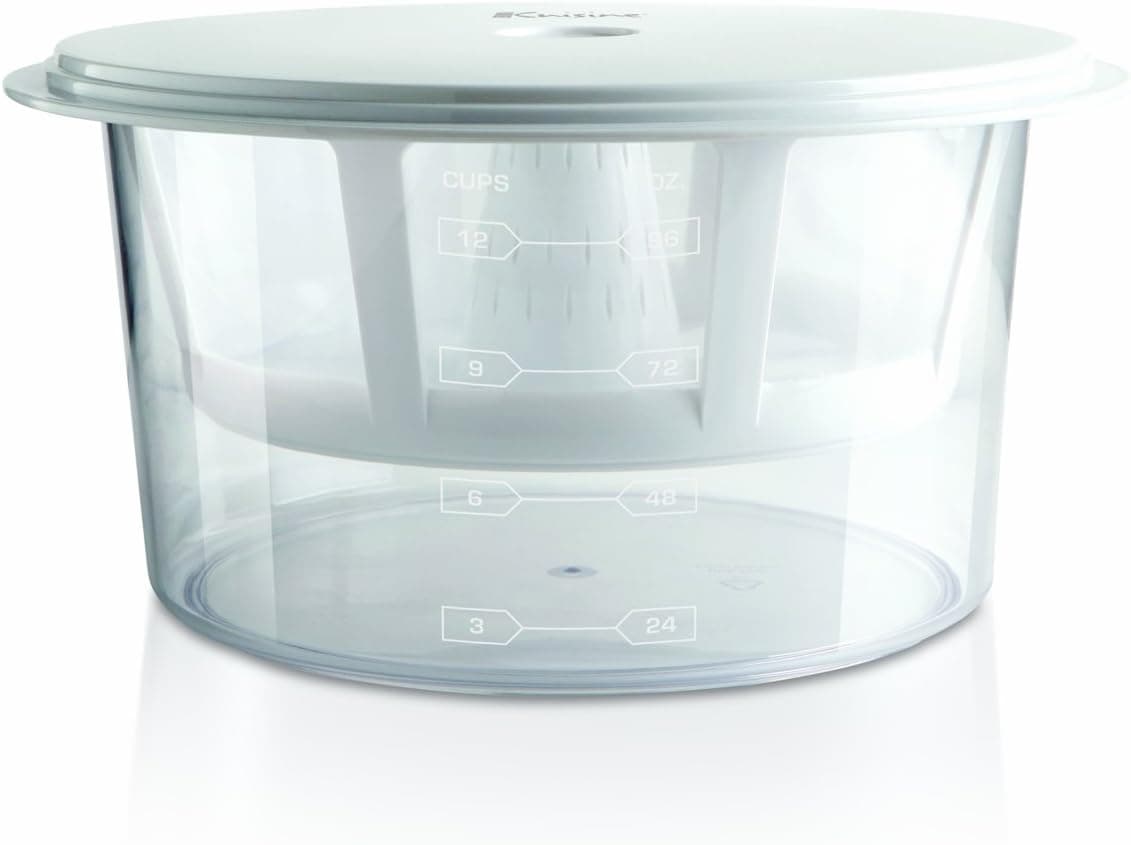
Best Greek Yogurt Strainers
Straining turns plain yogurt into thick Greek style. We compare mesh fineness, bowl capacity, whey drainage, cleanup and which strainers fit fridge shelves.
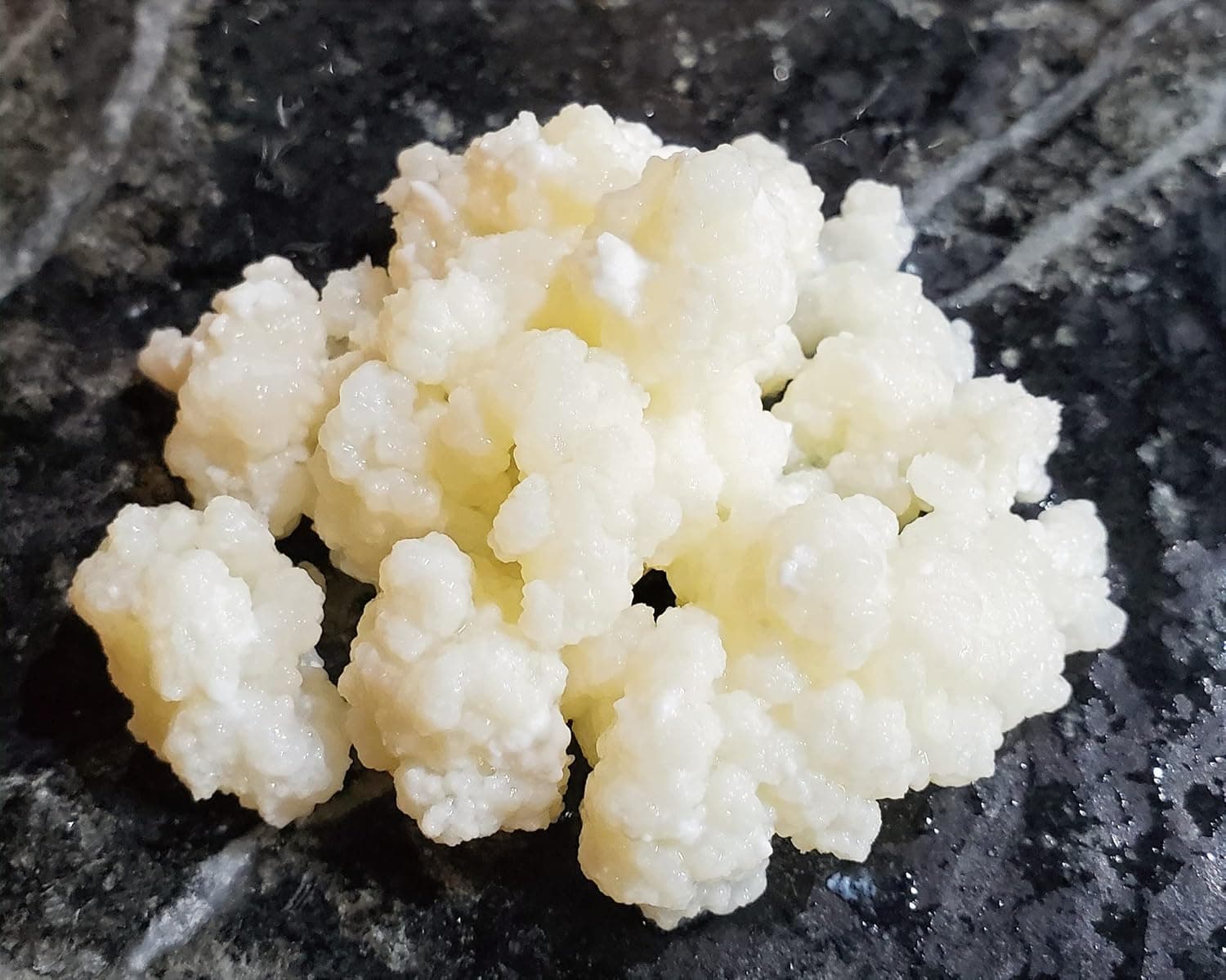
Best Milk Kefir Grains for Home Brewing
Live kefir grains vary in vigour and packaging. We compare dehydrated and fresh grains, batch size, revival time and supplier care instructions for beginners.

Best Yogurt Starter Cultures
Your starter decides tang, thickness and reliability. We compare heirloom and direct-set cultures, strain blends, storage life and which suit repeat batches.
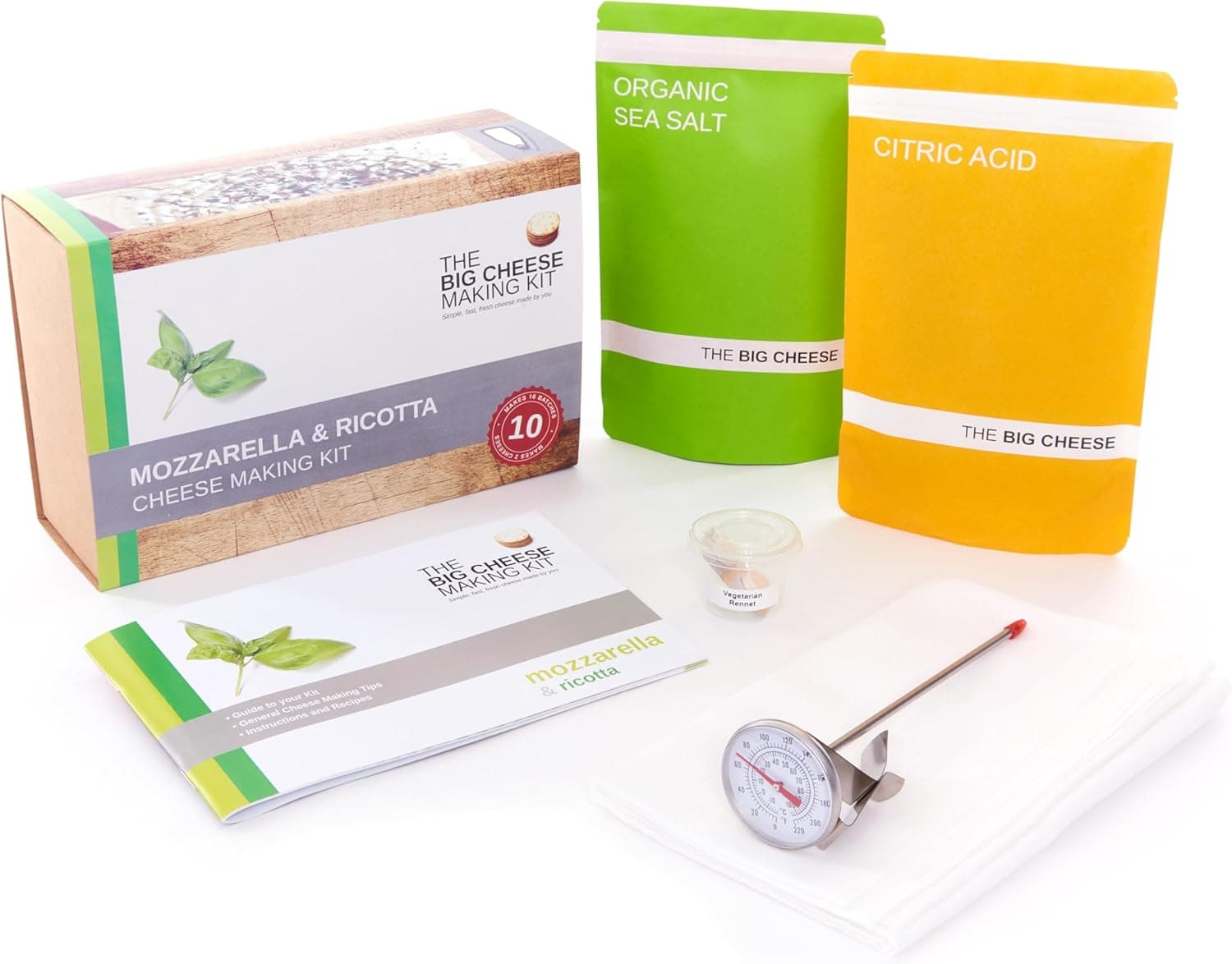
Best Cheese Making Kits for Beginners
A first cheese kit should include rennet, cultures and a usable guide. We compare kit contents, recipe range, reusable tools and value for beginners and beyond.
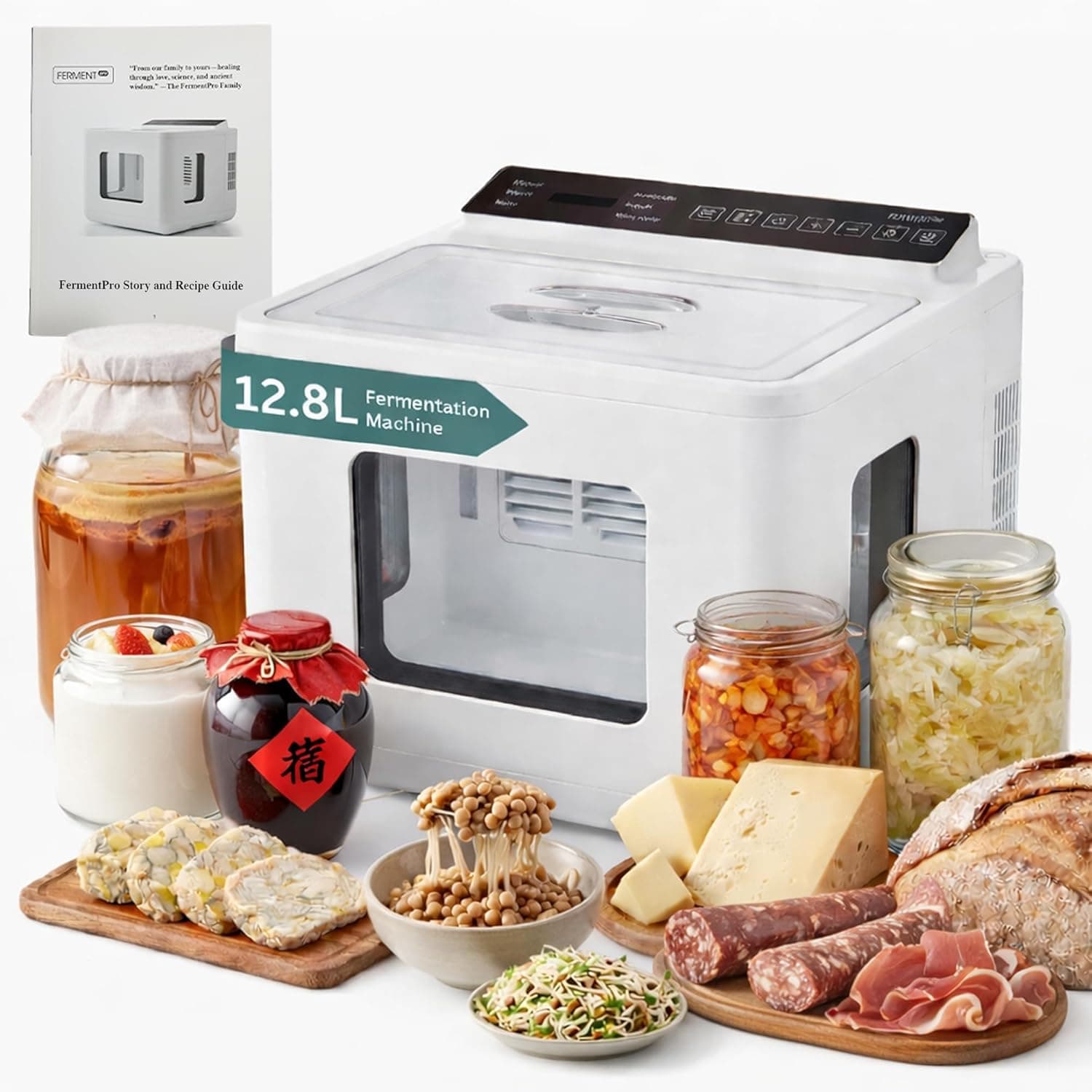
Best Tempeh Incubators and Proofing Boxes
Tempeh needs steady warm air for a day or more. We compare incubators, proofing boxes and heat mats on temperature stability, airflow, capacity and cleanup.
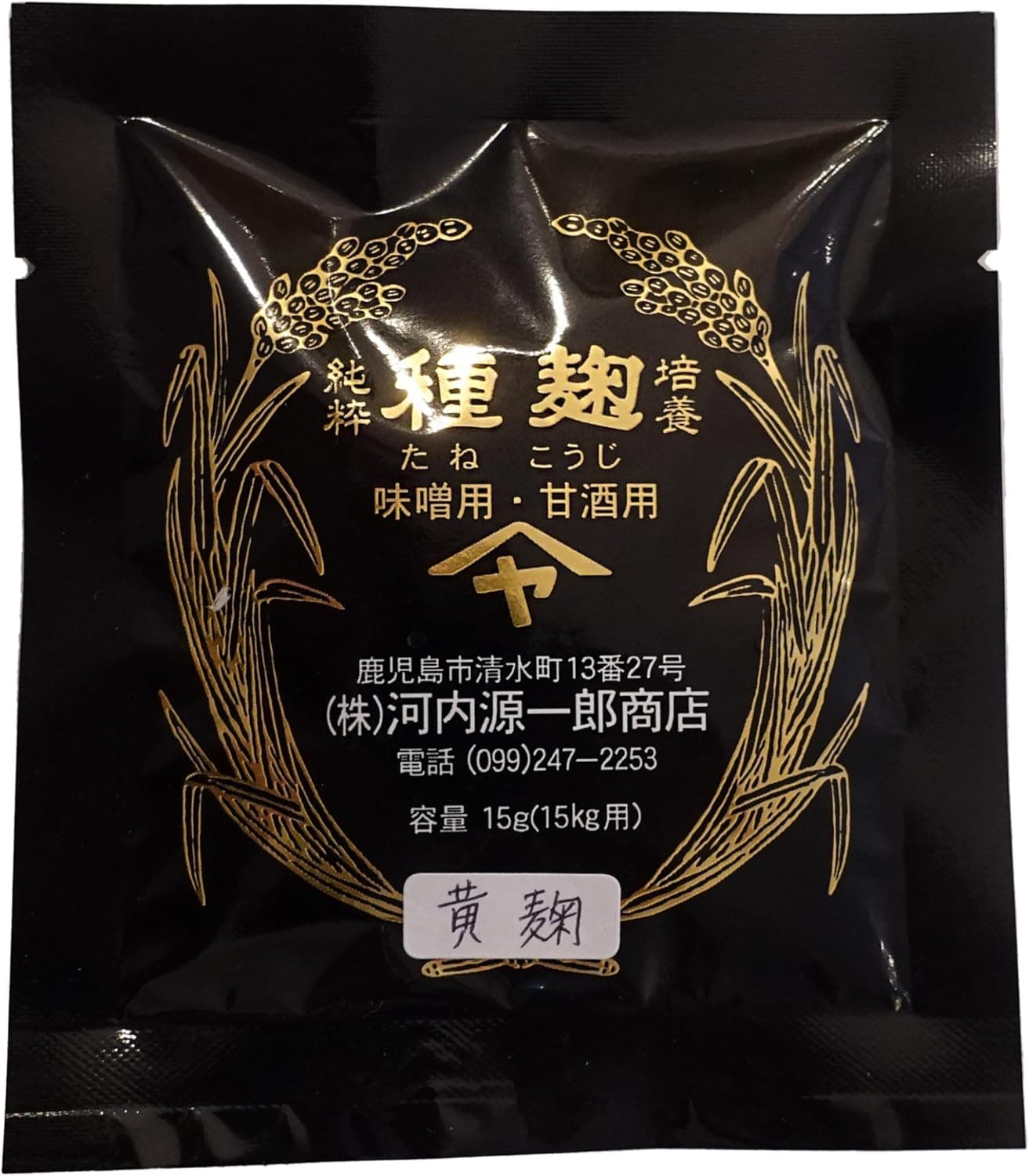
Best Koji Starter Spores
Koji spores vary by strain and intended use. We compare rice and soybean strains, spore viability, packaging size and which suit miso, amazake or shio koji.
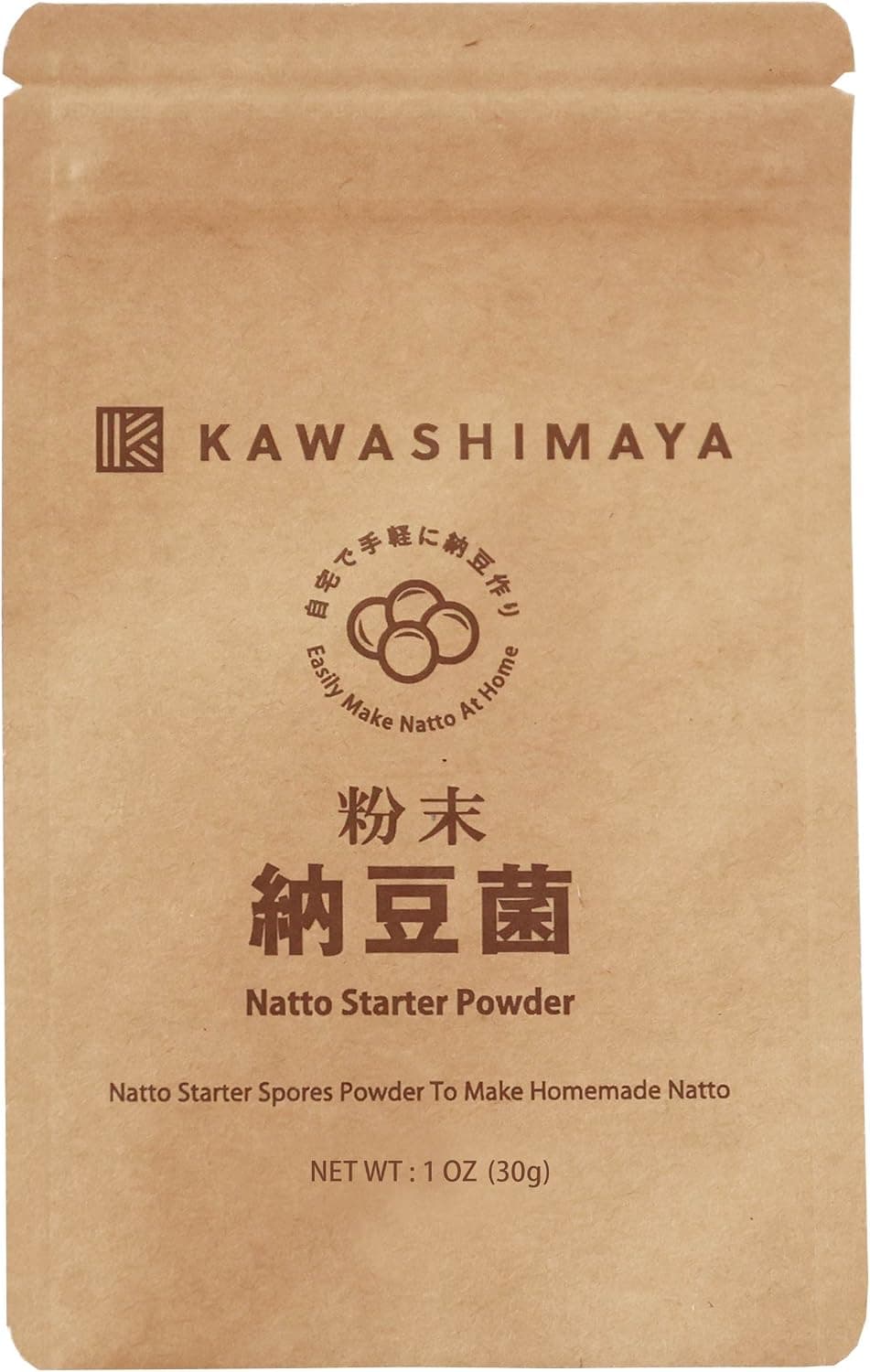
Best Natto Making Supplies and Starters
Natto needs the right spores plus steady warmth. We compare starter cultures, trays, incubation gear and quantities, so a first batch is not a guessing game.
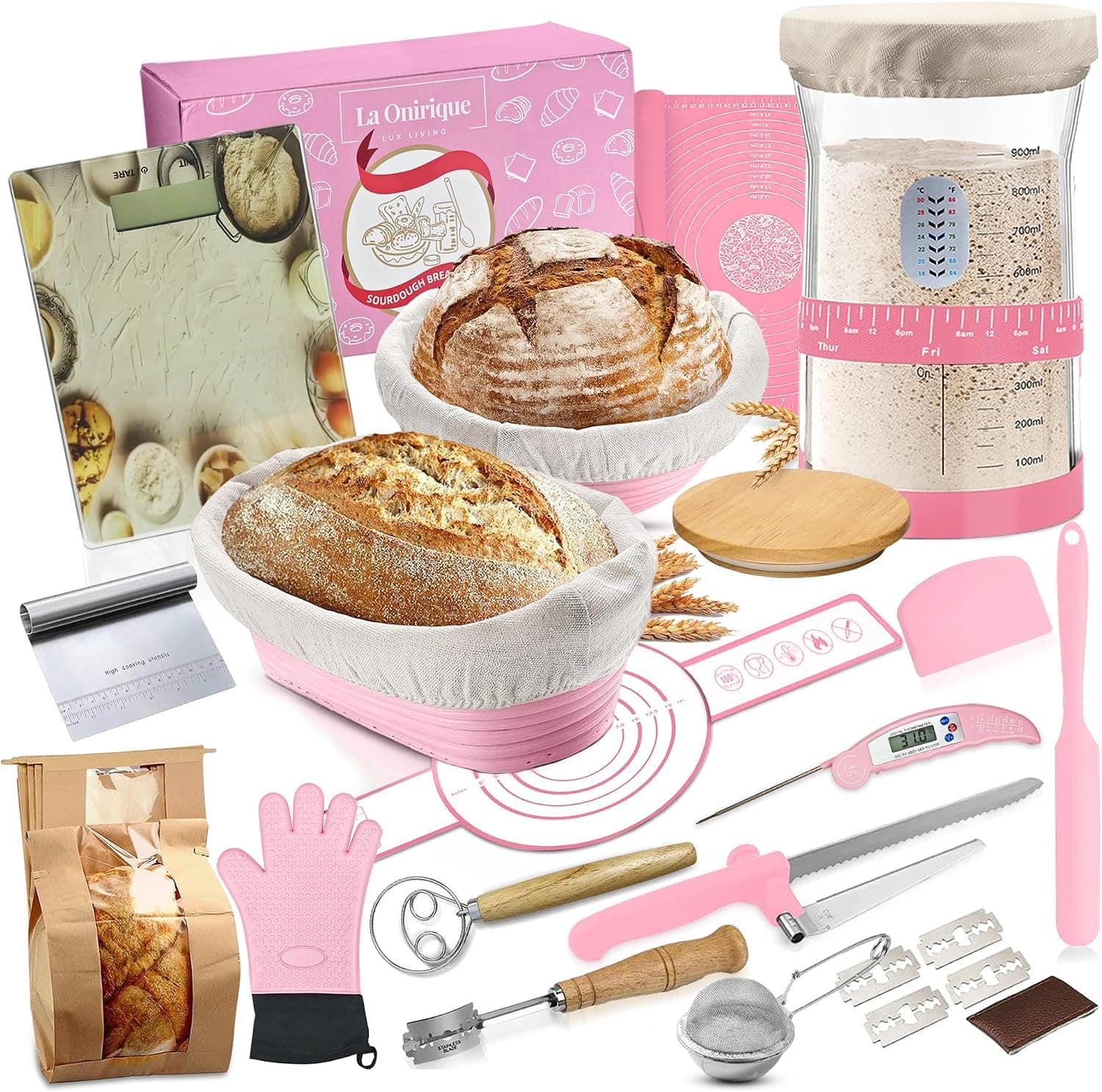
The Best Sourdough Starter Kits for Home Bakers
Compare sourdough starter kits with the right jars, tools, and instructions so your first starter actually survives past week one.
Best Fermentation Temperature Control
Heat wraps, pads and proofing boxes compared on the only things that hold a temperature: a thermostat with a probe, internal volume and a stated range.
How to choose
- Use a yogurt maker or incubator for steady warmth.
- Start with fresh, reputable cultures.
- Use a strainer for thick Greek-style yogurt.
- Keep equipment very clean to avoid unwanted microbes.
Common questions
What temperature does yogurt need to ferment?
Most yogurt cultures work best around 105-115°F (40-46°C) for several hours until set.
How do milk kefir grains work?
The grains ferment milk at room temperature in about 24 hours. Strain them out, add to fresh milk, and the grains keep going indefinitely with regular feeding.