BALWOO Earthenware Onggi Korean Traditional Clay Jar Breathing Kimchi Fermentation Crock, 3L (0.8 gal) Review (2026)
Updated September 21, 2026 · Research-based review
Our verdict
A 3-liter Korean earthenware onggi crock made from breathing clay, sized for a weekly kimchi batch without taking over the kitchen. The porous clay body supports slow, traditional fermentation, but it is heavier and more fragile than glass or plastic, and there is no included lid weight or airlock, so brine management is on you.
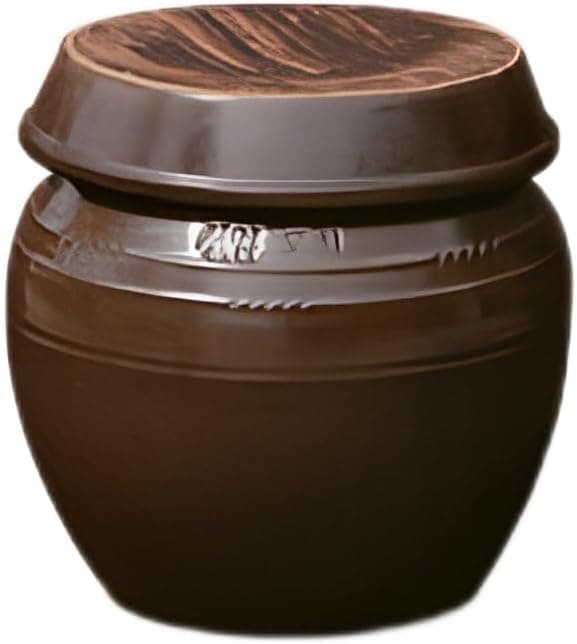
BALWOO's 3L breathing onggi jar, a step up in size for weekly kimchi batches while keeping traditional clay fermentation.
Price range: See on Amazon
What we liked
- + 3L capacity gives room for a proper kimchi batch without taking over the kitchen
- + Breathing earthenware wall helps regulate moisture during slow fermentation
- + Same BALWOO clay style as the smaller jar, so a matched pair works for rotating batches
Trade-offs
- - Onggi clay is heavier and more fragile than glass or food-safe plastic
- - No weights or airlock included, so you manage the brine level yourself
A Traditional Breathing Jar, Sized for Home Use
Onggi is the traditional Korean earthenware used for centuries to ferment kimchi, soy sauce and other pantry staples, and the defining trait is that the clay body is porous enough to let small amounts of air pass through the wall, which Korean cooks describe as the jar breathing. This BALWOO jar holds 3 liters, about 0.8 gallons, which is enough for a real kimchi batch made from a few heads of napa cabbage without needing floor space the way a large crock does. That makes it a reasonable middle ground between a small test-batch jar and a full-size fermentation crock meant for preserving a whole season of vegetables at once.
How the Clay Affects Fermentation
The porous wall is the main functional difference between onggi and a sealed glass or plastic container. Because the clay allows gradual air exchange, it is credited with helping regulate moisture and temperature during a slow ferment, which many traditional cooks say produces a different depth of flavor compared with fermenting the same recipe in glass. This is a traditional claim rather than something that can be measured from a product listing, but it is the reason onggi has remained in use in Korean households for kimchi and jang, or fermented sauces, long after glass and plastic became cheaper and more widely available alternatives.
Fragile and Heavy Compared With Glass
Earthenware of this kind is heavier for its size than glass and considerably more fragile if dropped, since a crack in fired clay does not forgive the way tempered glass sometimes does. That weight and fragility mean the jar needs a stable spot to sit, away from the edge of a counter or a high shelf, and it should be handled more carefully when full of brine than a mason jar would need to be. Onggi also needs gentler care than dishwasher-safe glass, since the clay body and any glaze can be more sensitive to abrasive scrubbing or sudden temperature swings than smoother, non-porous materials.
No Weights or Airlock in the Box
Unlike a Western-style fermentation crock that often ships with ceramic weights to keep vegetables submerged and a water-seal lid to vent gas, this onggi jar does not include those accessories, so keeping the kimchi under the brine line and monitoring gas buildup is left to the cook using traditional methods, such as a plate or a smaller dish set on top of the vegetables. That is consistent with how onggi has traditionally been used in Korean kitchens, where the breathing clay itself does some of the work an airlock would do elsewhere, but it does mean buyers used to a Western crock kit should expect to source their own weight or improvise one.
Who Should Buy This Jar
This suits someone specifically interested in traditional Korean fermentation, wanting an authentic onggi rather than a Western-style crock, and who has stable counter or floor space to keep it. The 3-liter size fits a household making kimchi regularly in modest batches rather than preserving in bulk. It is not the easiest first fermentation vessel for a beginner who wants an included weight and airlock lid, since those extras are not part of this jar, and a beginner may find a glass crock with those accessories included a gentler starting point before moving to traditional earthenware.
Frequently asked questions
Does this jar come with a fermentation weight or airlock?
No, the listing does not include weights or an airlock lid, so keeping vegetables submerged is managed with a plate or similar traditional method.
How big is a 3 liter kimchi crock?
It holds about 0.8 gallons, enough for a home batch of kimchi from a few heads of napa cabbage.
How should I clean an onggi jar?
Wipe the inside and outside with a soft cloth or scrub brush using a mix of baking soda or vinegar with water, then rinse with clean water and let it dry fully.
Is onggi fragile compared to glass?
It is heavier for its size and more prone to cracking if dropped than glass, so it needs a stable, careful spot on the counter or floor.
Prices change often, so check the current price and availability on Amazon.
Check price on AmazonFerment Nest may earn a commission from the link above.