Fermentation Crock or Glass Jar
Published How we research
Almost every vegetable ferment can be made in either a plain glass jar or a traditional water sealed crock, so the choice is about your batch size, your storage space and how much you enjoy tinkering. Neither one produces better sauerkraut on its own. What they change is how much attention the jar needs while it works, how much you can make at once, and how easy it is to see what is happening inside. Beginners are almost always better served by jars, and the reasons are practical rather than snobbish.
Products from this article
The highest-scoring picks from the buying guides this article links to. Scores are our editorial assessment, not customer ratings.
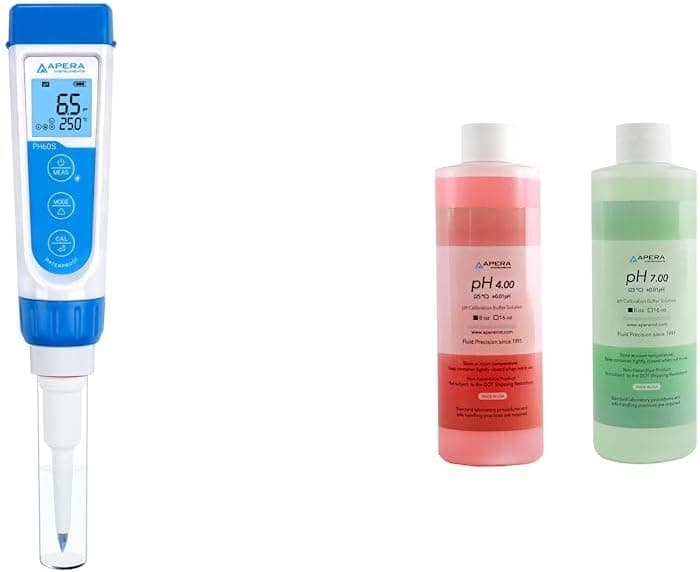
+ Swiss Spear pH Electrode pierces cheese, meat and firm vegetables
From our guide: Best Fermentation Measuring Tools
+ Clear glass lets you check brine level and color without opening the jar
From our guide: Best Fermenting Equipment for Beginners
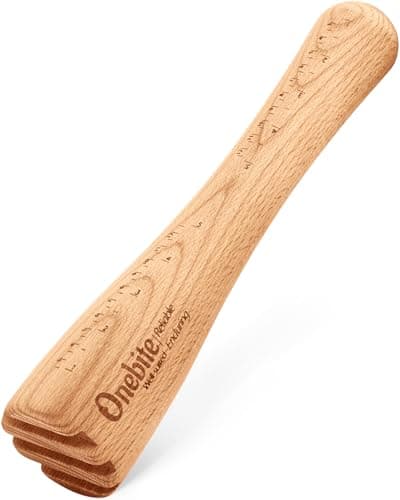
+ Measuring marks on the shaft help you track brine depth and how far the cabbage is packed down.
From our guide: Best Sauerkraut Pounders and Cabbage Tampers
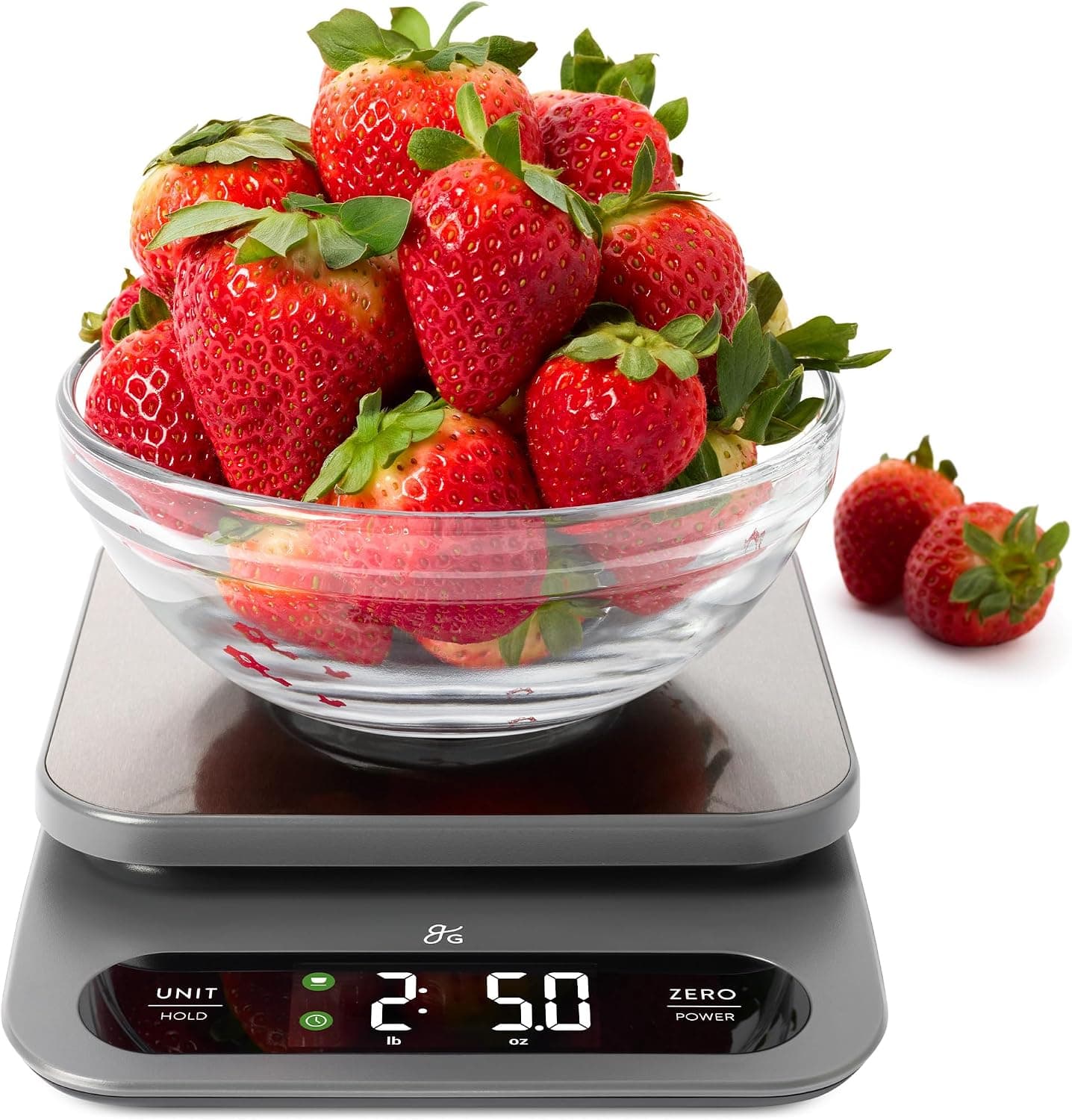
+ 10kg capacity handles crock-size vegetable batches and full jars
From our guide: Best Fermentation Measuring Tools
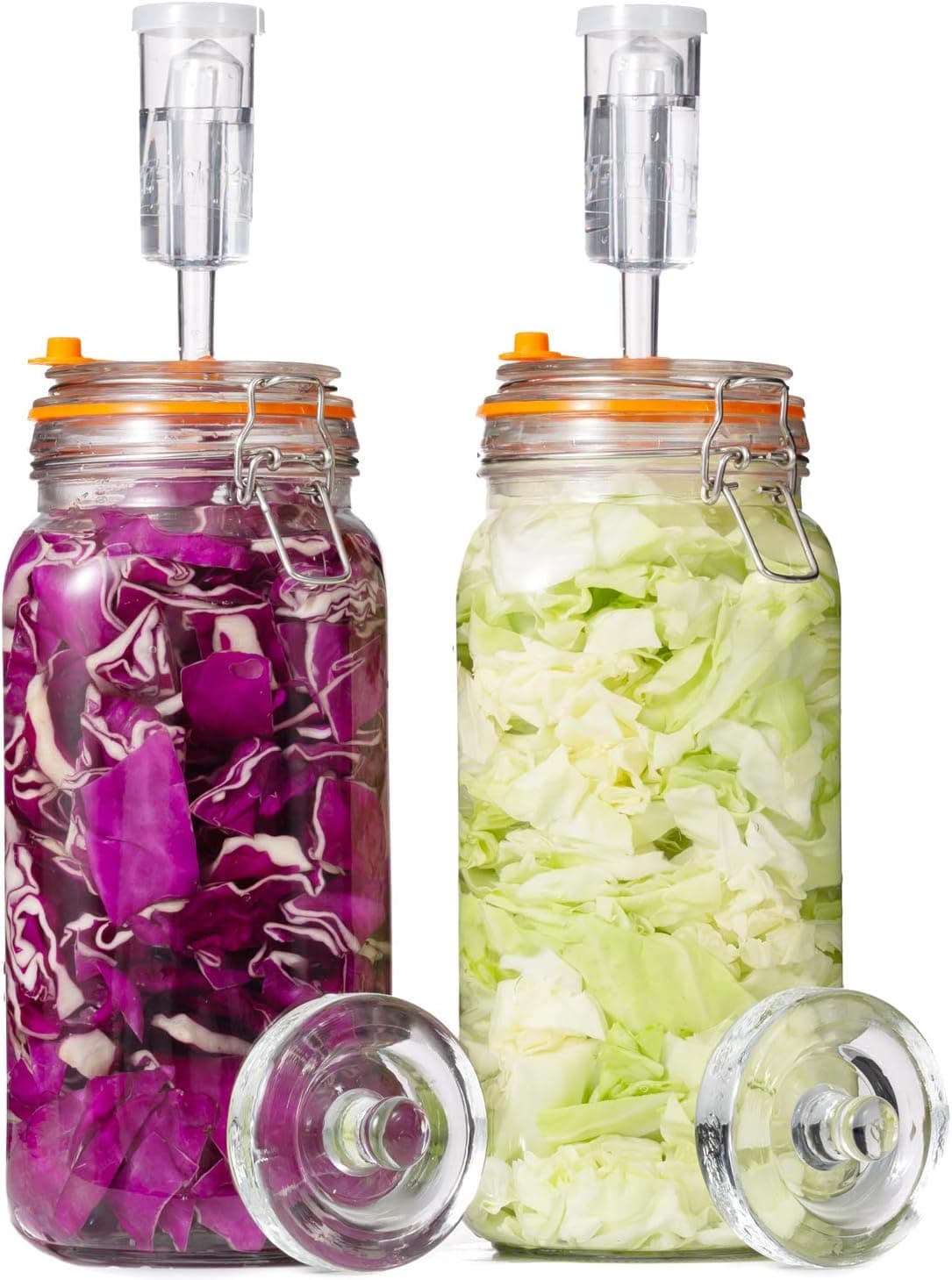
Wide mouth glass jars are cheap, stackable, easy to clean and completely transparent. Transparency matters more than people expect when you are learning, because you can watch the bubbles rise, confirm the brine level, and spot a floating shred before it becomes a problem. A one litre jar holds roughly one medium cabbage worth of kraut, which is a sensible amount to eat before you get bored of it. If a jar batch fails you have lost one cabbage and a spoon of salt, which makes experimenting cheap.
The drawback of a plain jar is the lid. A tightly sealed lid traps carbon dioxide and builds pressure, so you have to open it daily to burp the jar. A loose lid lets gas out but also lets air in, which raises the chance of surface yeast. Airlock lids solve both issues by letting gas escape while blocking air, and they are inexpensive enough that buying a few is usually the first upgrade a home fermenter makes. Add a set of glass weights and a jar setup handles most of what a crock does.
A traditional crock is a heavy stoneware vessel with a moat around the rim. You fill the moat with water and set a lid into it, creating a seal that vents gas continuously without any human involvement. Most crocks also come with heavy stone weights shaped to fit the interior, which hold vegetables down far more reliably than improvised solutions. The thick walls buffer temperature swings, which helps in kitchens that get warm in the afternoon and cool overnight. For a long ferment left alone for six or eight weeks, that combination is genuinely superior.
Capacity is the other real difference. Crocks typically start around five litres and go far beyond that, so they suit anyone processing a garden harvest or making enough kraut and kimchi to last a winter. Filling a large crock takes real quantities of vegetables, and once full it is heavy and not something you will move around casually. You also cannot see inside, so checking a crock means lifting the lid, which briefly breaks the seal. The moat needs topping up as water evaporates, especially in dry heated rooms.
Cost and storage settle it for most people. A complete jar setup with weights and airlock lids costs a fraction of a decent crock and lives in a cupboard between uses. A crock is a considered purchase for someone who already ferments regularly, in volume, and wants a vessel that works with less supervision. There is no upgrade path you are missing by sticking with jars for years, and plenty of experienced fermenters use nothing else.
A reasonable plan is to start with two or three wide mouth jars, weights and airlock lids, and make a dozen batches. You will learn what quantities you actually eat, whether you prefer short or long ferments, and whether daily maintenance bothers you. If you find yourself making the same thing four jars at a time and wishing you could ignore it for a month, that is the moment a crock earns its price. Buying one first, before you know any of that, tends to produce a handsome vessel that sits empty.
At a glance: Mason jar vs Fermentation crock
| Mason jar | Fermentation crock | |
|---|---|---|
| Batch size | Small, about 1 quart to 1 gallon | Large, several gallons |
| Visibility | See brine level and bubbles | Opaque |
| Light protection | Keep in a dark spot | Built in |
| Cost | Low | Higher |
| Space and weight | Light, fits a shelf | Heavy and bulky |
| Airflow control | Airlock lids | Water-seal moat on many crocks |
Choose Mason jar if
- You are trying fermentation for the first time
- You want several flavours at once
- You have little space
Choose Fermentation crock if
- You make large seasonal batches
- You ferment for a family
- You want a traditional water-seal vessel
Bottom line: Start with jars, weights and airlock lids. Move to a water-seal crock once you are making sauerkraut or kimchi by the gallon.
Popular right now
- Brine Pickles or Vinegar PicklesArticle
- Water Quality and Chlorine in Home FermentationArticle
- The Best Vacuum Seal Bags for FermentationBuying guide
- Backslopping explainedGlossary
- Best Koji Starter SporesBuying guide
- Fermentation TemperatureArticle
Based on the last 28 days of search and visitor data.