The Art of Fermentation: An In-Depth Exploration of Essential Concepts and Processes from Around the World Review (2026)
Updated September 14, 2026 · Research-based review
Our verdict
The Art of Fermentation suits a fermenter who wants to understand the process deeply enough to troubleshoot, not just follow steps. Its strength is the global scope covering vegetables, dairy, grains and drinks in one reference, and the trade-off is a dense style suited to a desk more than a quick recipe.
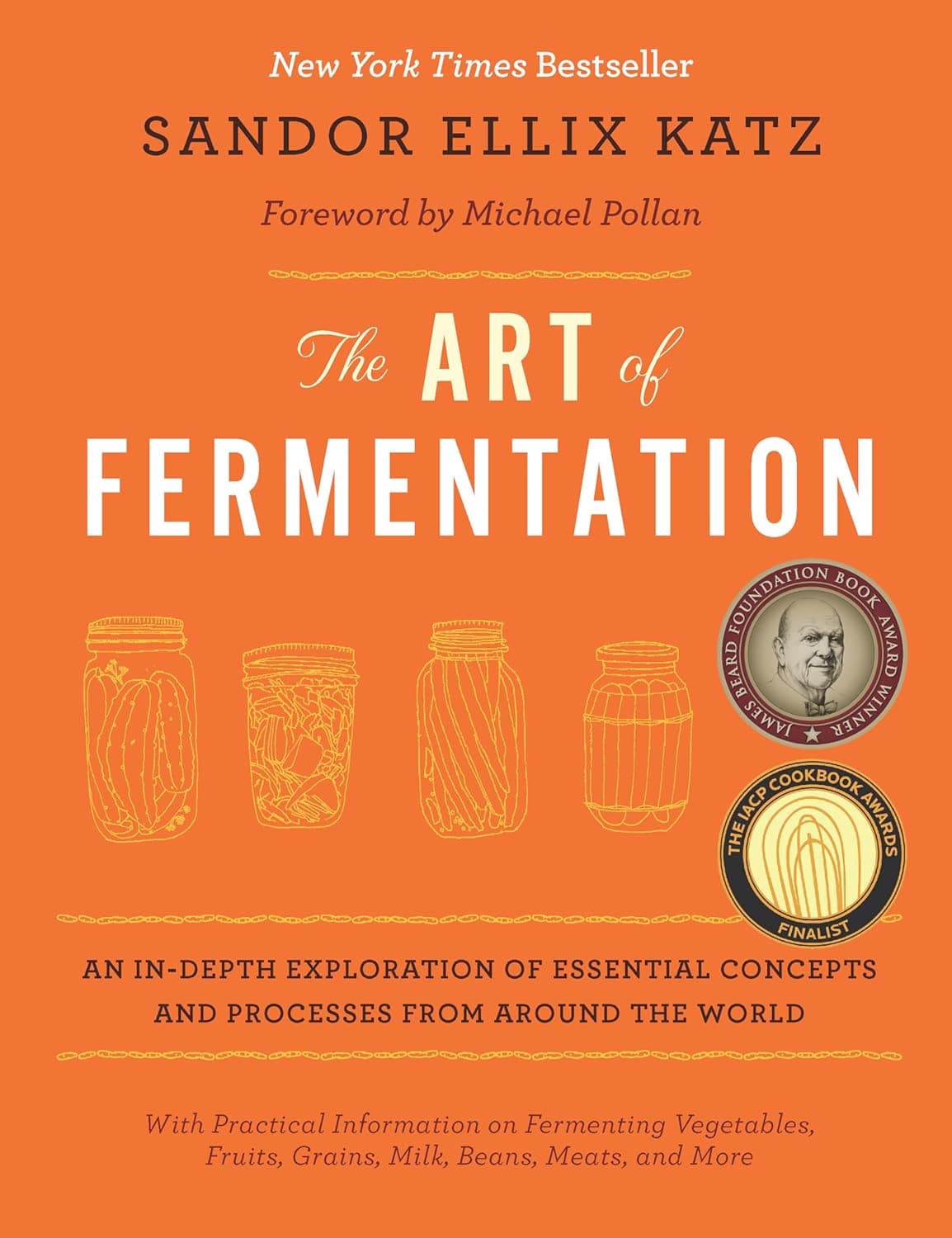
The Art of Fermentation, Sandor Katz's in-depth exploration of essential fermentation concepts and processes from around the world.
Price range: See on Amazon
What we liked
- + Covers the why behind fermentation, so you can troubleshoot rather than only follow recipes
- + Global scope spans vegetables, dairy, grains, beverages and more
- + Widely treated as a reference book by serious home fermenters
Trade-offs
- - Dense, encyclopedic style can overwhelm someone wanting quick recipes
- - Large hardcover is more of a desk reference than a counter cookbook
Who this book is written for
The Art of Fermentation by Sandor Ellix Katz, published by Chelsea Green in 2012 with a foreword by Michael Pollan, is a 528 page reference aimed at fermenters who want to understand the underlying process rather than only follow a fixed recipe. It won the James Beard Foundation Book Award for Reference and Scholarship and has sold more than a quarter million copies, and The New York Times has named it among the most influential cookbooks of the past century. That reputation fits its content, since the book spans vegetables, fruits, grains, legumes, dairy, fish and meat rather than focusing on a single category. It suits someone building a long term fermentation practice across several foods, more than someone who wants a narrow, single purpose recipe book for one project.
What is actually inside
Rather than organizing by finished dish, Katz structures the book around fermentation concepts such as salt ratios, wild versus cultured fermentation, and the microbiology behind common failures, then applies those ideas across categories including sauerkraut style vegetable ferments, sourdough and other grain ferments, dairy ferments like yogurt and cheese, and fermented beverages such as wine, beer, cider and kombucha. Later sections move into more advanced territory, including mold based ferments like tempeh and koji, and even non-food applications of fermentation in agriculture and energy. This breadth is what makes it function as a reference rather than a themed cookbook, since a reader can return to it for a completely different project months or years after the first read, and the underlying explanations still apply.
Living with it on the shelf
In practice, this book works best kept as a desk or shelf reference rather than propped open next to the stove, since entries are longer and more discursive than a typical numbered recipe. Readers commonly use it to look up the reasoning behind a step, such as why a brine ratio matters or why a ferment might be behaving unexpectedly, rather than to follow along in real time. The scientific grounding pays off here, since troubleshooting a stalled or off smelling ferment usually requires understanding what is happening in the jar, and Katz spends real space on exactly that. For someone newer to fermentation who wants short, direct recipes without background reading, the density can feel like more than is needed for a first batch.
Trade-offs and how it compares
The dense, encyclopedic style that makes this book valuable as a reference is also its main drawback for a reader who just wants a quick answer, since finding a specific recipe can mean reading several surrounding pages of context first. Against Fermented Vegetables, also by fermentation authors Kirsten and Christopher Shockey and scoring 9.2 in our vegetable-only comparison, this book trades a narrower but faster to use format for much broader coverage across dairy, grains and drinks that the Shockeys' book does not attempt. Against Wild Fermentation, Katz's earlier and shorter book, this later title is the deeper, more reference-style follow-up rather than a quick start guide, so readers newer to fermentation sometimes prefer starting with Wild Fermentation first.
Verdict and who should pick something else
For building real understanding of fermentation across food categories, this book earns its place with our score of 8.8 out of 10 and a second place ranking among the fermentation books we compared. Its scope and grounding in the science make it worth the desk space for anyone serious about the craft. Readers who want a focused, fast to use vegetable-only recipe book should start with Fermented Vegetables instead, and readers who want a lighter introduction before committing to a dense reference may prefer Wild Fermentation first, saving this title for once they are ready to go deeper into the full range of fermented foods.
Frequently asked questions
Does The Art of Fermentation include recipes, or is it mostly theory?
It includes practical recipes and techniques across vegetables, dairy, grains, beverages and more, but frames them within explanations of the underlying process rather than presenting only numbered steps.
Is this a good first fermentation book for a beginner?
It can work for a beginner who likes understanding why a technique works, but its dense, reference style may feel like more reading than someone wanting quick recipes needs at first.
What categories of fermentation does the book cover?
It covers vegetables, fruits, grains, legumes, dairy, fish, meat, fermented beverages such as wine and kombucha, and mold based ferments like tempeh.
How does it compare with Fermented Vegetables by the Shockeys?
Fermented Vegetables focuses narrowly and deeply on vegetable and herb recipes, while The Art of Fermentation covers a much wider range of foods with more emphasis on the science behind each process.
Prices change often, so check the current price and availability on Amazon.
Check price on AmazonFerment Nest may earn a commission from the link above.