Kawashimaya Natto Starter Spores Powder, Made From Soybean Extract (30g) Review (2026)
Updated September 21, 2026 · Research-based review
Our verdict
A large 30 gram bag of natto starter spores from a Japanese fermentation specialist, enough to make many batches of homemade natto rather than a single trial run. It suits someone committed to natto making with the right equipment for a long, warm incubation, but casual first-timers may find the quantity more than they need.
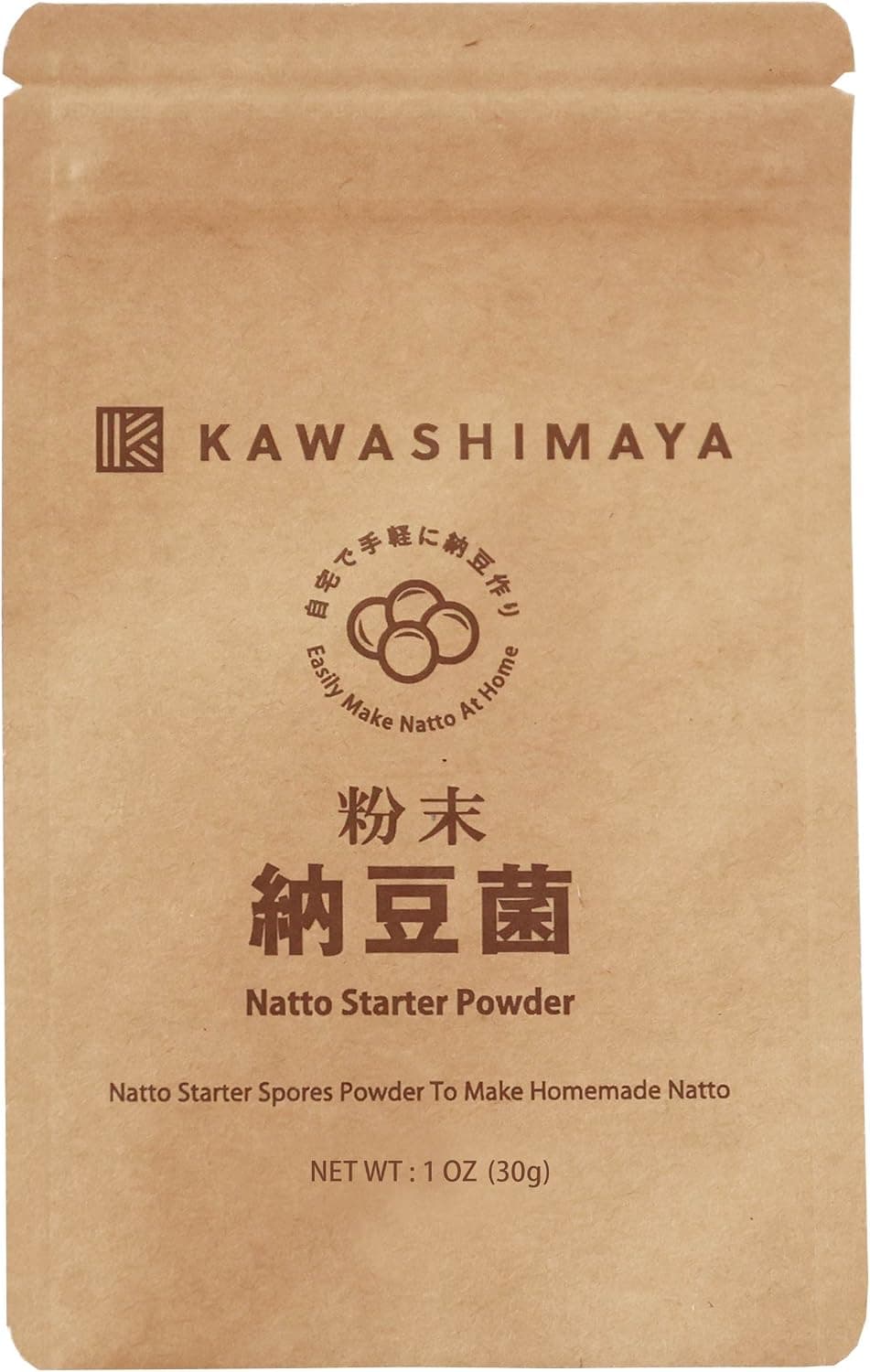
Kawashimaya's natto starter spores powder made from soybean extract, a 30g pack for homemade natto.
Price range: See on Amazon
What we liked
- + 30g pack supplies many batches of homemade natto
- + Soybean Extract base keeps the starter aligned with traditional natto
- + Kawashimaya specializes in Japanese fermentation ingredients
Trade-offs
- - Needs steady heat around a full day, so an incubator helps
- - Larger pack than casual natto makers are likely to use
What the powder is and where it comes from
This starter is Bacillus subtilis natto spores made from soybean extract, sold by Kawashimaya, a company that specializes in Japanese fermentation ingredients. The spores are the bacteria responsible for converting cooked soybeans into natto, the fermented soybean dish known for its sticky texture and strong smell. According to the seller, the spores are cultured purely and have strong fermenting power, and English instructions are provided by email or video alongside the product to help buyers unfamiliar with the process work through the steps of making natto at home. Sourcing spores from a dedicated Japanese fermentation supplier rather than a generic seller gives some assurance the culture is meant for food use and handled with natto specifically in mind.
How far a 30 gram bag goes
Kawashimaya's smaller 3 gram version of this same starter is described by the seller as enough to make 10 to 30 kilograms of natto, so a 30 gram bag scales up to a very large number of potential batches for a home natto maker. In practical terms, this means most households will use only a small fraction of the bag per session and store the rest, rather than working through it quickly. Someone making natto only occasionally, a few times a year, is unlikely to exhaust a bag this size within a reasonable shelf life.
What making a batch actually involves
Based on the brand's own instructions, natto starts with soybeans soaked overnight and then steamed until soft, followed by mixing in a small amount of the starter powder and holding the inoculated beans at a warm, steady temperature, typically cited around 104 degrees Fahrenheit for roughly 18 to 24 hours. That extended, controlled warm period is the main equipment challenge for home fermenters, since a yogurt maker, proofing box, or oven with a light on are common ways people hold this temperature, while a kitchen left at room temperature usually will not stay warm enough on its own.
Storage and shelf life considerations
Kawashimaya advises storing the starter at a low temperature or in the refrigerator both before and after opening, since spores that sit warm for extended periods can lose potency over time. Because the 30 gram size lasts through many batches, keeping the unused portion refrigerated in its original packaging, sealed well between uses, helps preserve its fermenting strength for future sessions rather than only the first one. This matters more for a large bag like this one than it would for a single-use packet meant to be used up right away.
Who should choose this size
Someone who plans to make natto regularly, or who wants to try several batches at slightly different soaking or soybean varieties without reordering starter each time, gets the most value from the 30 gram size. A first-timer only wanting to see if they like natto before committing further would likely be better served by a smaller 3 gram pack from the same brand, since the smaller size covers plenty of trial batches at a lower upfront cost while this larger bag is really meant for sustained, repeated use. Buyers who cook for a larger household or who want to gift homemade natto to family members over time will also get more practical use out of the bigger quantity than a one-off taster would.
Frequently asked questions
How many batches of natto can 30 grams of starter make?
The brand's smaller 3 gram pack is described as enough for 10 to 30 kilograms of natto, so a 30 gram bag scales to a very large number of home batches, far more than most casual users need quickly.
What temperature does natto need to ferment properly?
The brand's instructions describe holding inoculated soybeans around 104 degrees Fahrenheit for about 18 to 24 hours, which usually requires a yogurt maker, proofing box, or similar warm environment.
How should the starter be stored?
Kawashimaya recommends keeping it at a low temperature or refrigerated, both before and after the package is opened, to preserve its fermenting strength.
Do I need special equipment to make natto at home?
Soaking and steaming soybeans is straightforward with normal kitchen tools, but holding a steady warm temperature for close to a day is the main equipment need, often met with a yogurt maker or similar device.
Prices change often, so check the current price and availability on Amazon.
Check price on AmazonFerment Nest may earn a commission from the link above.