Kawachi Yellow Koji Starter Spores, 0.53oz (15g) Tane-koji oryzae Mold Spore Starter for Japanese Fermented Foods, Miso Soy Sauce Review (2026)
Updated September 14, 2026 · Research-based review
Our verdict
A solid choice for anyone making miso or soy sauce at home and wanting the traditional yellow koji strain rather than a white or improved variety. The 15 gram pack is sized for a meaningful batch of rice or barley koji, but growing koji demands precise heat and humidity, and buyers still need to prepare their own base grain.
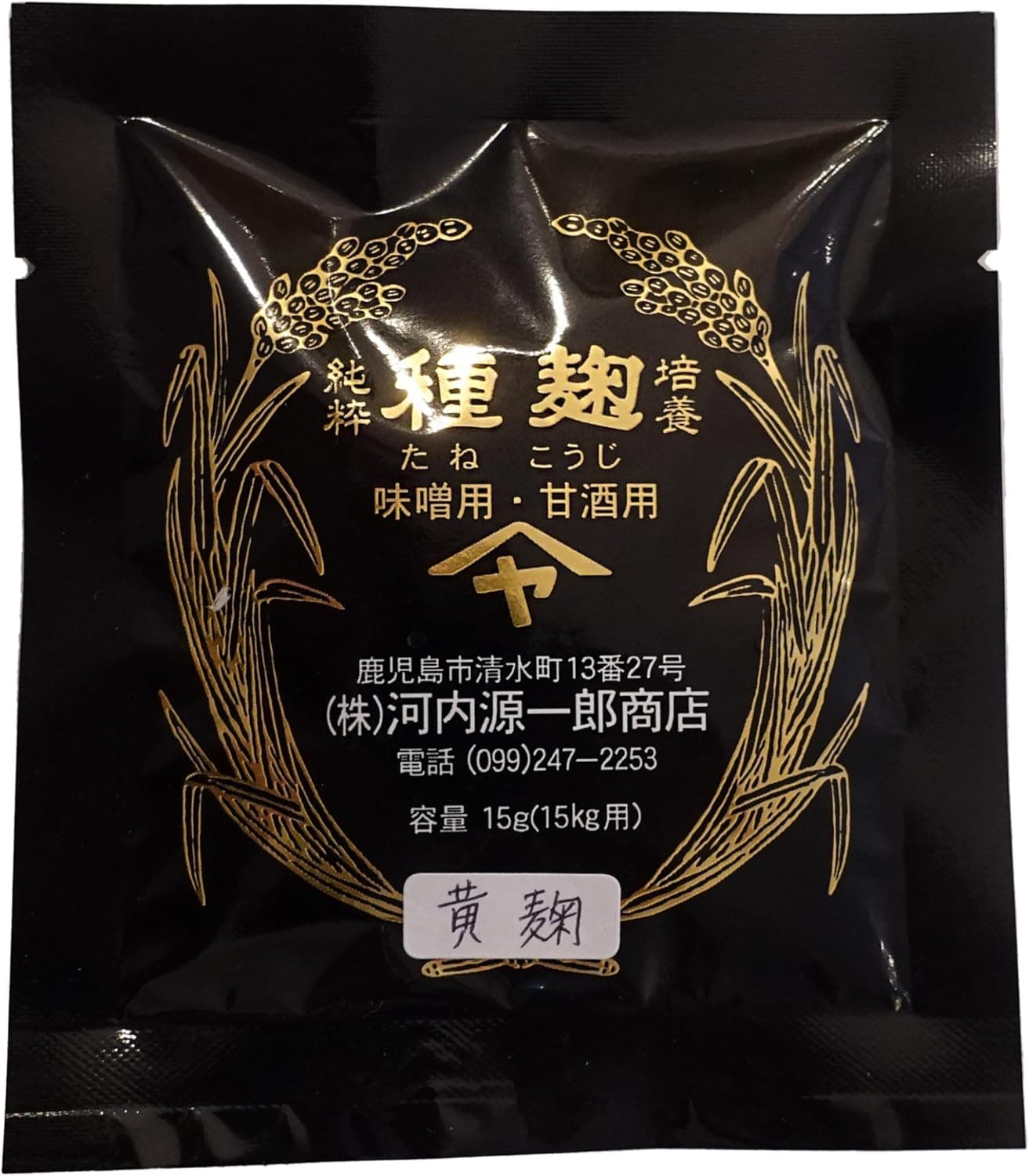
Kawachi's yellow koji starter spores, 0.53oz (15g) of tane-koji oryzae for miso, soy sauce and Japanese ferments.
Price range: See on Amazon
What we liked
- + Yellow koji spores are the classic choice for miso and soy sauce
- + Kawachi is a long-established Japanese koji spore producer
- + 15g provides enough spores for several inoculations
Trade-offs
- - Growing koji needs precise heat and humidity control
- - Spores are for making koji, so rice or barley must be prepared
Who these spores are for
Kawachi's yellow koji spores are aimed at home fermenters who already understand that koji is a starting ingredient, not a finished product, and who specifically want the yellow Aspergillus oryzae strain traditionally used for miso and soy sauce. This is not a beginner-friendly all-in-one kit; it assumes the buyer will source their own rice or barley, steam it, and manage the incubation environment themselves. That makes it a good fit for someone who has already made koji before, or who has done the research and has a warm, humid space such as a proofing box or insulated cooler ready to go. Someone looking for a simple, hands-off starter culture, like a yogurt sachet, is in the wrong category entirely, since koji making is a multi-day, involved process.
What the yellow strain is good for
The yellow designation refers to the spore color and the enzyme profile it produces once grown, which differs from white koji strains bred for milder, lighter fermented products like amazake or light miso. Yellow koji is the traditional choice for darker, more robust miso and for soy sauce production, where a stronger enzymatic breakdown of proteins and starches is desirable. The 15 gram pack is described as enough to inoculate a substantial batch of rice or barley, which suits someone planning a real batch of miso or soy sauce rather than a small test run. Because the spores are a living mold culture, freshness at the time of use matters, and buyers should plan to use the pack within a reasonable window rather than let it sit for a long time.
Using koji spores in practice
To use the spores, they are spread evenly over a layer of cooked rice or barley grains, which are then held in a warm, humid environment, generally in the range of 25 to 30 degrees Celsius, for two to three days until the grains are visibly covered in mold. That window requires monitoring temperature and humidity closely, since koji can either fail to grow or grow unevenly if conditions drift too far outside that range. This is meaningfully more involved than most fermentation starters, since it is closer to cultivating a mold crop than simply adding a culture to a liquid and waiting. Anyone without a dedicated proofing space, a koji tray, or a way to hold steady warm humidity should expect a learning curve before results are consistent.
Trade-offs and how it compares
Kawachi is positioned as a traditional koji spore producer, competing closely with other established Japanese suppliers such as Hishiroku, whose Kairyou Chouhaku Kin strain is a white koji tuned for amazake and light miso rather than the darker profile yellow koji produces. Buyers deciding between the two should match the strain to their end goal rather than picking based on brand alone: yellow for classic miso and soy sauce, white for amazake and pale miso. Against a much larger 200 gram pack like the Shirayuri koji spores, this 15 gram size suits someone testing a strain or making a smaller batch rather than someone running larger or repeated batches, where a bigger pack would be more economical per gram.
Verdict
These spores are a solid pick specifically for someone set on making traditional-style miso or soy sauce and who already has, or is ready to build, a controlled warm and humid environment for growing koji. The pack size fits a real batch without committing to a large multi-hundred-gram quantity. Anyone newer to fermentation, or wanting a milder white koji for amazake, should look at a different strain, and everyone should be ready for a slow, multi-day process rather than a quick starter culture that simply gets stirred into a jar.
Frequently asked questions
What is yellow koji best used for?
Yellow koji is the traditional strain used for miso and soy sauce, producing a stronger enzymatic breakdown suited to those darker, more robust ferments.
How long does it take to grow koji from these spores?
Grains inoculated with the spores typically need two to three days in a warm, humid environment, generally around 25 to 30 degrees Celsius, until fully covered in mold.
Does the kit include rice or barley to inoculate?
No, the spores are sold on their own. Buyers need to prepare and steam their own rice or barley as the base grain.
How much rice can one 15 gram pack inoculate?
The pack is sized to inoculate a substantial batch of rice or barley koji, making it suited to a real batch rather than a tiny test run.
Prices change often, so check the current price and availability on Amazon.
Check price on AmazonFerment Nest may earn a commission from the link above.