Best Koji Starter Spores
Updated How we research
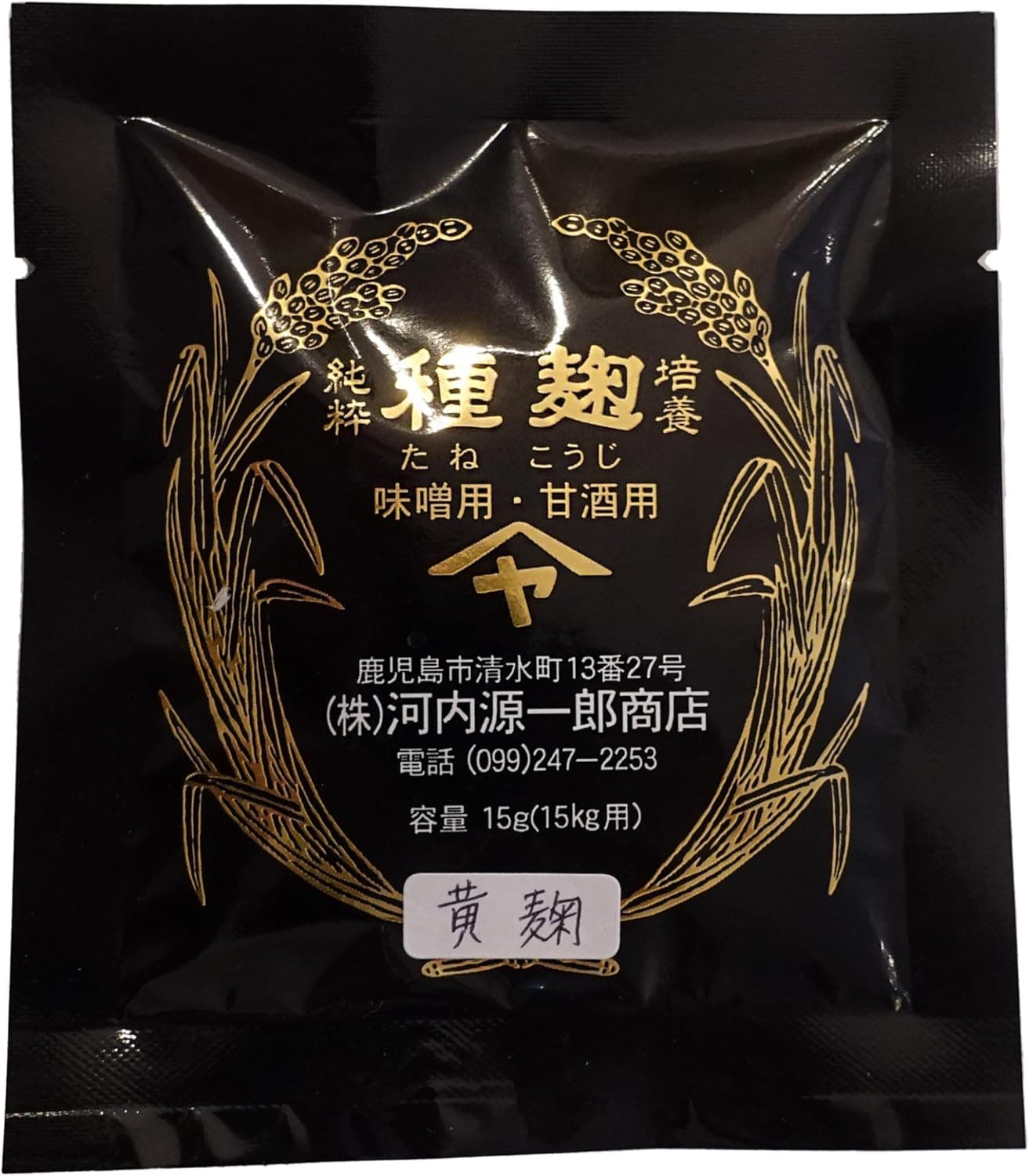
Kawachi Yellow Koji Starter Spores, 0.53oz (15g) Tane-koji oryzae Mold Spore Starter for Japanese Fermented Foods, Miso Soy Sauce
Kawachi's yellow koji starter spores, 0.53oz (15g) of tane-koji oryzae for miso, soy sauce and Japanese ferments.
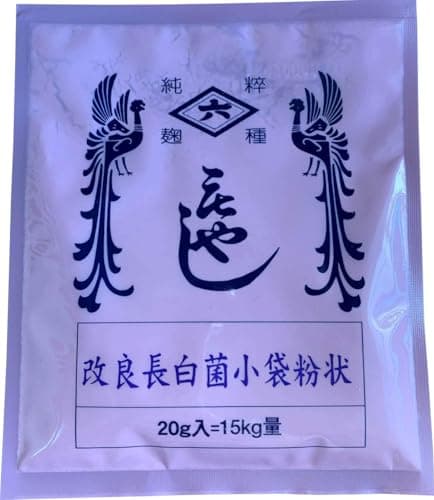
Hishiroku Kairyou Chohaku-kin Koji Starter Spores 0.7 oz (20g) Sachet
Hishiroku Kairyou Chohaku-kin koji spores in a 20 g powder sachet, sold by Kawashimaya. An Aspergillus oryzae starter for white rice koji, miso, amazake and sake.
Koji is the starting point for miso, shoyu, amazake and shio koji, and the spores you buy decide what is possible. Strains are selected for different jobs: some are bred for enzyme output on rice, others for soybeans or barley, and a few produce more aroma than sugar. Packaging varies from small foil sachets to bulk tins, sometimes cut with flour to make spreading easier. Viability depends on age and cold storage, so purchase date matters. We weighed strain suitability, how clearly each supplier documents intended uses and dosage, packaging size, and cold-chain handling. A general-purpose rice koji strain suits first attempts at amazake and shio koji. Soybean-oriented strains are the pick if miso or shoyu is the goal. Small sachets fit occasional makers, and bulk tins are worth it for monthly growers with freezer space to keep the rest viable.
The short version
We compared 8 picks. Our scores range from 6.7 to 8.6 out of 10.
- Best overall:Kawachi Yellow Koji Starter Spores, 0.53oz (15g) Tane-koji oryzae Mold Spore Starter for Japanese Fermented Foods, Miso Soy Sauce. Highest overall score in this guide at 8.6/10.
- Also great value:Shirayuri Koji (Aspergillus oryzae) Spores Gluten-Free Vegan - 200g/8oz. Value score of 9/10, overall 8.0/10.
- Solid build:Hishiroku Kairyou Chohaku-kin Koji Starter Spores 0.7 oz (20g) Sachet. Build and materials score of 8/10, overall 8.4/10.
- Feature-rich:Hishiroku Chouhaku-kin Koji Starter Spores 0.7oz (20g) Sachet (Set of 3). Features score of 8/10, overall 8.4/10.
Scores are our editorial assessment, not customer ratings. How we score
- 1.Kawachi Yellow Koji Starter Spores, 0.53oz (15g) Tane-koji oryzae Mold Spore Starter for Japanese Fermented Foods, Miso Soy Sauce8.6/10See on AmazonCheck price
- 2.Hishiroku Kairyou Chohaku-kin Koji Starter Spores 0.7 oz (20g) Sachet8.4/10See on AmazonCheck price
- 3.Hishiroku Chouhaku-kin Koji Starter Spores 0.7oz (20g) Sachet (Set of 3)8.4/10See on AmazonCheck price
- 4.Hishiroku Kairyou Chohaku-kin Koji Starter Spores 0.7 oz (20g) (Set of 3)8.1/10See on AmazonCheck price
- 5.Shirayuri Koji (Aspergillus oryzae) Spores Gluten-Free Vegan - 200g/8oz8.0/10See on AmazonCheck price
- 6.Hishiroku Chouhaku-kin Koji Starter Spores 0.7oz (20g) Sachet8.0/10See on AmazonCheck price
- 7.Shiragiku Koji (Aspergillus oryzae) Spores Gluten-Free Vegan - 10g/0.35oz7.6/10See on AmazonCheck price
- 8.Kawachi White Koji Starter Spores, 0.53oz (15g) Tane-koji Mold Spore Starter for Japanese Fermented Foods, sake miso soy sauce amazake6.7/10See on AmazonCheck price
 #1
Kawachi's yellow koji starter spores, 0.53oz (15g) of tane-koji oryzae for miso, soy sauce and Japanese ferments.
Fit for the job 9/10 · Features and specs 8/10 · Build and materials 9/10 · Value 8/10
- + Yellow koji spores are the classic choice for miso and soy sauce
- + Kawachi is a long-established Japanese koji spore producer
- + 15g provides enough spores for several inoculations
- - Growing koji needs precise heat and humidity control
- - Spores are for making koji, so rice or barley must be prepared
 #2
Hishiroku Kairyou Chohaku-kin koji spores in a 20 g powder sachet, sold by Kawashimaya. An Aspergillus oryzae starter for white rice koji, miso, amazake and sake.
Fit for the job 9/10 · Features and specs 8/10 · Build and materials 8/10 · Value 8/10
- + Made by Hishiroku of Kyoto, described in the listing as a 300-year-old specialist koji maker.
- + One 20 g sachet is rated to make up to 15 kg (33 lb) of rice koji, more than most home batches need.
- + Powder format lets you adjust the dose, and the listing suggests using 2 to 3 times more for better results.
- - Spores only: you still need steamed rice and a warm, humid incubation setup to grow koji.
- - A 20 g sachet is a lot for an occasional maker, so leftover spores need careful cool, dry storage.
 #3
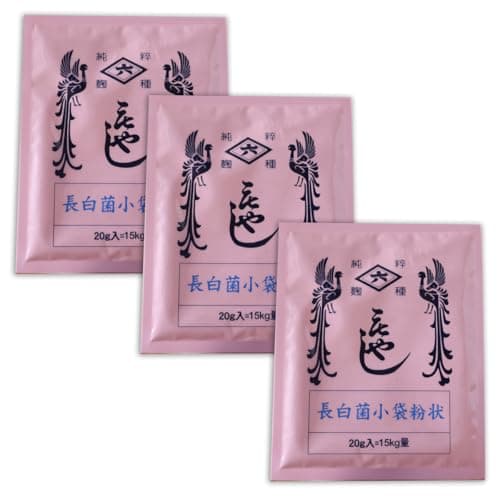
Three 20g (0.7 oz) sachets of Hishiroku Chouhaku-kin koji starter spores, described as the whitest and most versatile type, for rice koji, amazake, shio koji and white miso.
Fit for the job 9/10 · Features and specs 8/10 · Build and materials 8/10 · Value 8/10
- + Each 20g sachet is stated to yield up to 15kg (33 lbs) of rice koji, so the set of 3 covers many batches.
- + Made by Hishiroku, which the listing describes as a 300-year-old specialist koji manufacturer in Kyoto.
- + Powder in sachets, with guidance to use 2x or 3x the spores when you want a stronger result.
- - A set of 3 sachets is more than an occasional koji maker needs, and a single sachet is the smaller way in.
- - No storage instructions or shelf life in the listing, which matters when three sachets are used over time.
 #4
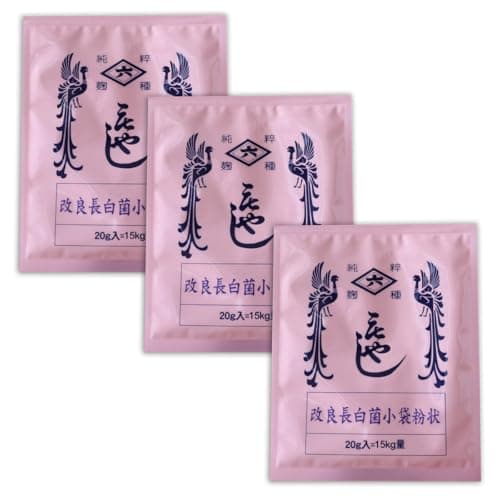
Three 20g (0.7 oz) sachets of Hishiroku Kairyou Chohaku-kin koji starter spores (Aspergillus oryzae) from Kyoto, sold for white rice koji, miso, sake and amazake.
Fit for the job 9/10 · Features and specs 7/10 · Build and materials 8/10 · Value 8/10
- + Stated yield of up to 15kg (33 lbs) of rice koji per 20g sachet, which makes three sachets a long-running supply.
- + From Hishiroku in Kyoto, described in the listing as a specialist koji manufacturer with 300 years of history.
- + Easy-to-measure powder in sachets, and the listing notes the spore quantity can be adjusted per batch.
- - The listing does not explain how Kairyou differs from the standard Chouhaku-kin, so the choice is unclear.
- - Three sachets is a lot of spores for a first try, and a single sachet costs less up front.
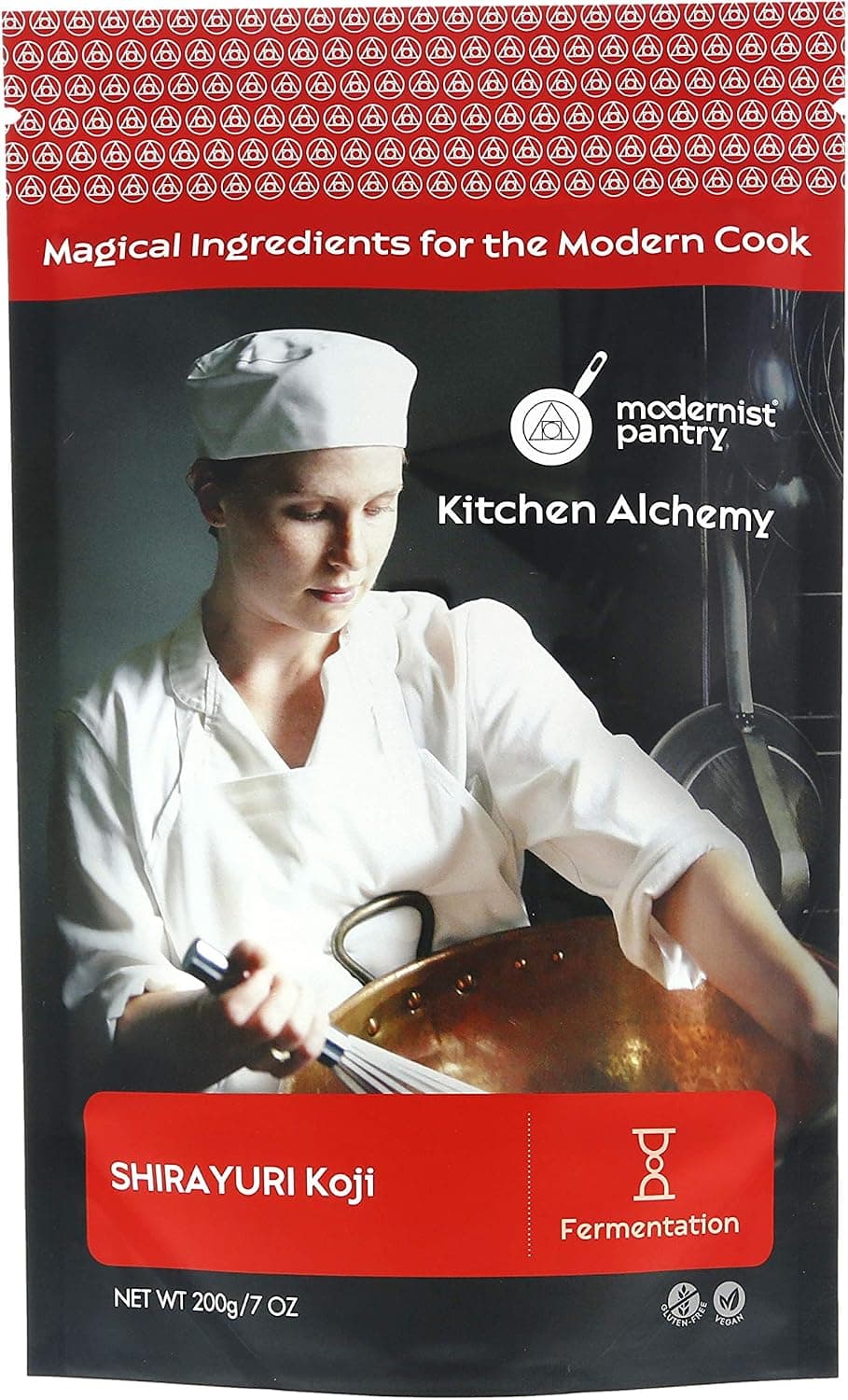 #5
Shirayuri koji (Aspergillus oryzae) spores, gluten-free and vegan, in a large 200g/8oz bag for heavy use.
Fit for the job 8/10 · Features and specs 7/10 · Build and materials 8/10 · Value 9/10
- + 200g bag supplies many batches for miso and shio koji makers
- + Shirayuri is a known strain for rice koji
- + Gluten-Free Vegan label suits plant-based kitchens
- - Large quantity may lose viability before a hobbyist uses it all
- - Bulk bag needs careful cold, dry storage
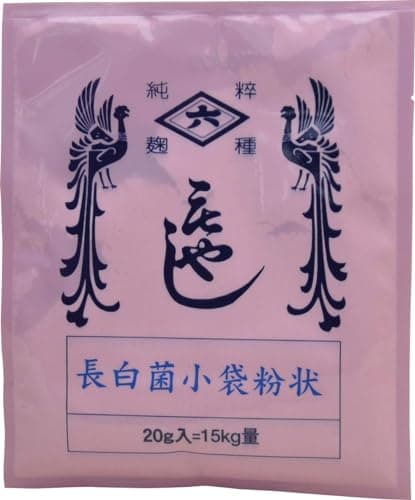 #6
Hishiroku Chouhaku-kin koji spores in a 20 g sachet. The listing calls it the whitest and most versatile strain, aimed at rice koji, amazake, shio koji and white miso.
Fit for the job 8/10 · Features and specs 8/10 · Build and materials 8/10 · Value 8/10
- + Described as keeping its white color with strong fermentation ability, useful for pale ferments like white miso.
- + One 20 g sachet is rated for up to 15 kg (33 lb) of rice koji, enough for many home batches.
- + Produced by Hishiroku in Kyoto and sold as a powder that is easy to measure out.
- - Only 20 g per sachet, so anyone making koji every week may prefer a larger pack.
- - Very close to the Kairyou Chohaku-kin sachet from the same maker, so most kitchens need only one of the two.
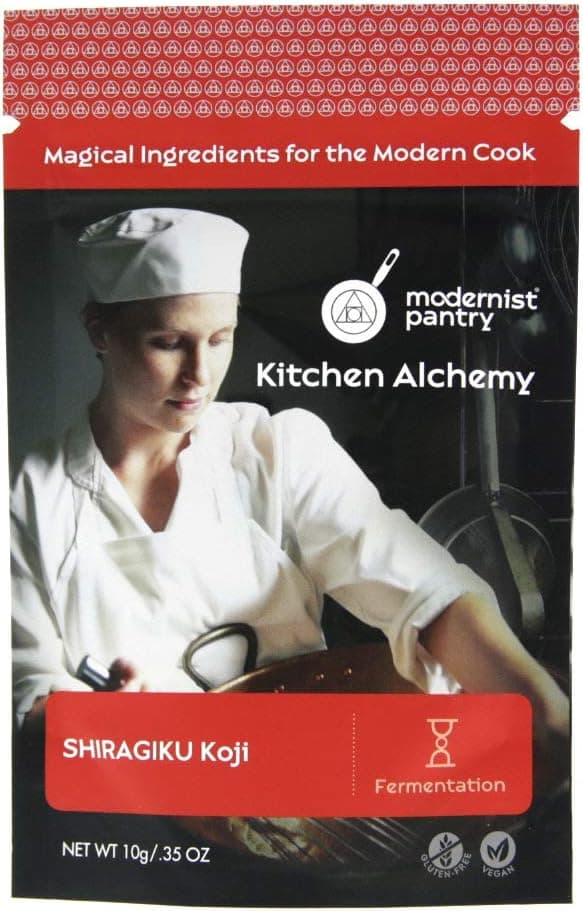 #7
Shiragiku koji (Aspergillus oryzae) spores, gluten-free and vegan, in a 10g/0.35oz packet.
Fit for the job 8/10 · Features and specs 7/10 · Build and materials 8/10 · Value 7/10
- + Shiragiku strain is popular for sweet rice koji and amazake
- + Gluten-Free Vegan label suits plant-based fermenters
- + 10g size is a manageable amount for home experiments
- - Small packet is quickly used by frequent koji makers
- - Success depends on steady warm, humid incubation
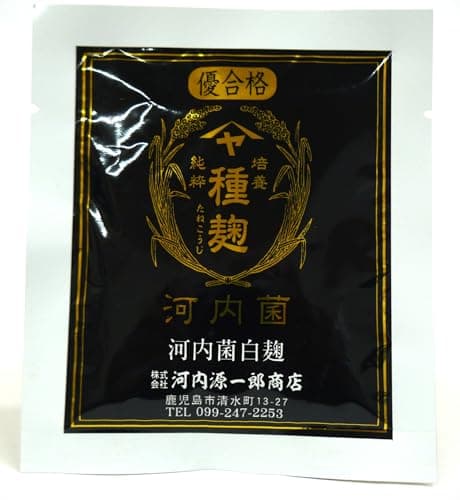 #8
Kawachi White Koji starter spores (tane-koji) in a 15g (0.53 oz) packet, listed for Japanese ferments such as sake, miso, soy sauce and amazake.
Fit for the job 8/10 · Features and specs 5/10 · Build and materials 7/10 · Value 6/10
- + A white koji starter in the Kawachi line, an alternative to the yellow Kawachi koji also covered in this guide.
- + 15g packet is a small-batch size, so there is less to store between koji-making sessions.
- + Title lists sake, miso, soy sauce and amazake as intended uses, the range most home koji makers work in.
- - The listing has a single generic bullet, with no stated yield per gram, strain details or dosing guidance.
- - At 15g it is a small packet, so the cost per gram runs higher than the multi-sachet sets.
Before you buy: trade-offs we flagged
No pick is perfect. These are the main compromises we noted for the top products in this guide, so you can check they will not matter for you.
- Growing koji needs precise heat and humidity control (Kawachi Yellow Koji Starter Spores, 0.53oz...)
- Spores only: you still need steamed rice and a warm, humid incubation setup to grow koji. (Hishiroku Kairyou Chohaku-kin Koji Starter...)
- A set of 3 sachets is more than an occasional koji maker needs, and a single sachet is the smaller way in. (Hishiroku Chouhaku-kin Koji Starter Spores...)
- The listing does not explain how Kairyou differs from the standard Chouhaku-kin, so the choice is unclear. (Hishiroku Kairyou Chohaku-kin Koji Starter...)
- Large quantity may lose viability before a hobbyist uses it all (Shirayuri Koji (Aspergillus oryzae) Spores...)
- Only 20 g per sachet, so anyone making koji every week may prefer a larger pack. (Hishiroku Chouhaku-kin Koji Starter Spores...)
Frequently asked questions
›What is the best choice among koji starter spores?
Kawachi Yellow Koji Starter Spores, 0.53oz (15g) Tane-koji oryzae Mold Spore Starter for Japanese Fermented Foods, Miso Soy Sauce is our top overall pick. Kawachi's yellow koji starter spores, 0.53oz (15g) of tane-koji oryzae for miso, soy sauce and Japanese ferments. It earns our score of 8.6/10, based on fit for the job, features, build and value.
›What is a good budget option?
Hishiroku Kairyou Chohaku-kin Koji Starter Spores 0.7 oz (20g) Sachet is the strongest low-cost pick in this guide. Hishiroku Kairyou Chohaku-kin koji spores in a 20 g powder sachet, sold by Kawashimaya. An Aspergillus oryzae starter for white rice koji, miso, amazake and sake.
›How much should I expect to spend?
Picks in this guide span See on Amazon price bands (roughly: $ = under $30, $$ = $30 to $100, $$$ = over $100). We never display exact prices because they change constantly, so the buttons above always show Amazon's current price.
›How were these products chosen?
We shortlist products that fit the job this guide solves and compare their published specifications, such as size, capacity, materials and what is included. Each pick gets an editorial score out of 10 for fit, features, build and value, and we write the pros and cons from those details. Our score is not an Amazon customer rating. We earn a commission if you buy through our links, which never affects the ranking.
Ferment Nest independently selects every product; we may earn a commission from links above.
Popular right now
- Brine Pickles or Vinegar PicklesArticle
- Water Quality and Chlorine in Home FermentationArticle
- The Best Vacuum Seal Bags for FermentationBuying guide
- Backslopping explainedGlossary
- Fermentation TemperatureArticle
- Why Milk Kefir Separates and How to Keep It SmoothArticle
Based on the last 28 days of search and visitor data.