Wild Fermentation: The Flavor, Nutrition, and Craft of Live-Culture Foods, 2nd Edition Review (2026)
Updated September 14, 2026 · Research-based review
Our verdict
Wild Fermentation, Sandor Katz's 2nd edition guide to live culture foods, covers everything from sauerkraut to kombucha to sourdough in a friendly, experimental tone. It carries our score of 8.6 out of 10 for approachability, and readers who want precise measurements rather than loose, flexible recipes may find it looser than they expect.
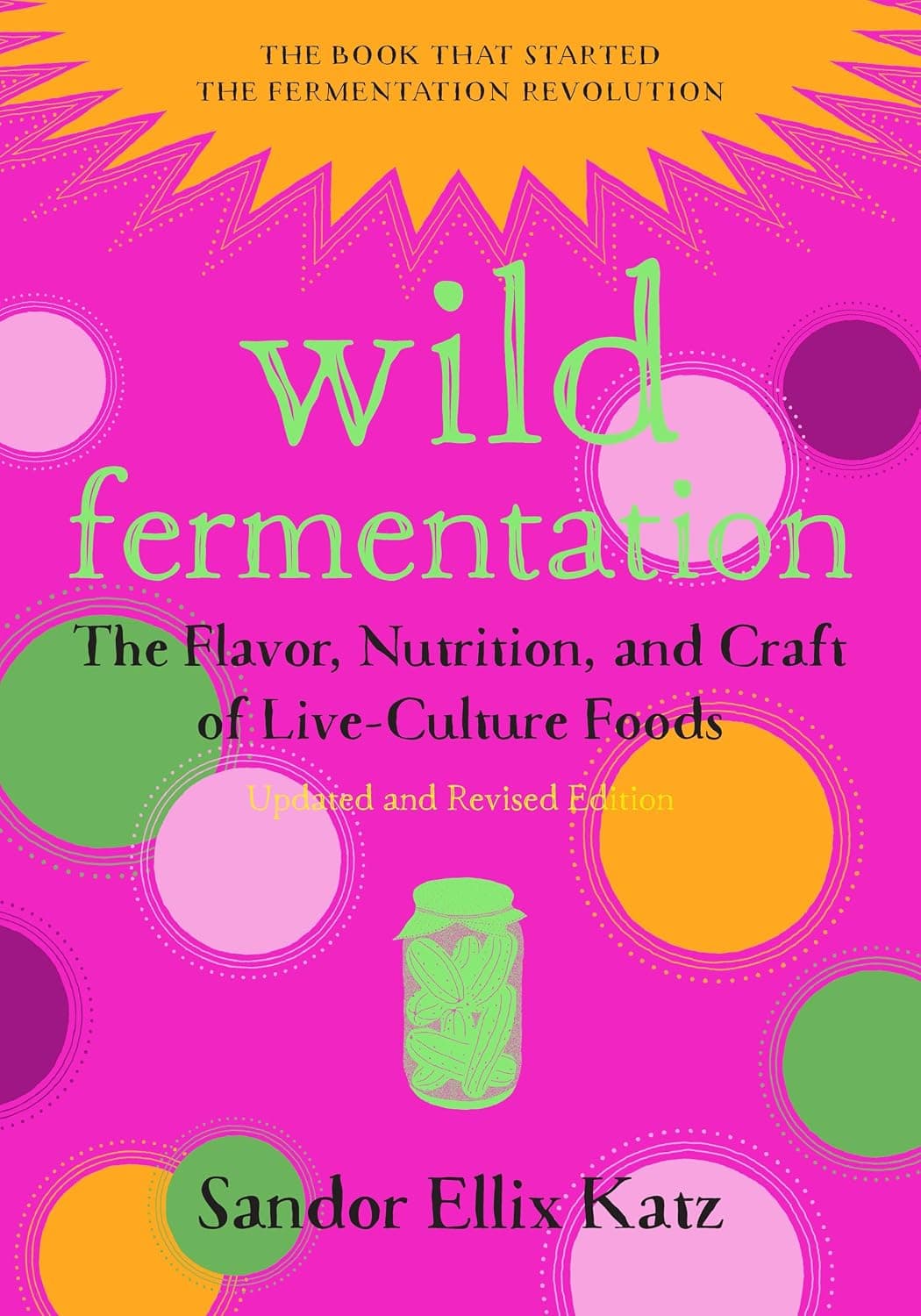
Wild Fermentation, the 2nd Edition of Sandor Katz's guide to the flavor, nutrition and craft of live-culture foods.
Price range: See on Amazon
What we liked
- + Approachable recipes make it a friendly first fermentation book
- + 2nd Edition updates the original with expanded recipes and notes
- + Encourages a relaxed, experimental approach that builds confidence
Trade-offs
- - Loose, flexible recipes may frustrate readers who want exact measurements
- - Overlaps with the author's larger reference book if you own both
Who this book fits
Wild Fermentation is written for someone just starting to ferment at home who wants one book covering many kinds of foods rather than a narrow focus on vegetables alone. It ranks third among seven titles in the best fermentation books guide with a score of 8.6, behind two more recipe dense or reference heavy books but ahead of several others, which fits its identity as the friendlier entry point in the lineup. It also ranks second among ten items in the best fermenting equipment for beginners guide, suggesting it works as a starting resource alongside physical gear like jars and weights rather than only as a standalone cookbook.
What is inside the book
This is the 2nd, revised edition from Chelsea Green Publishing, running 320 pages in a 7 by 10 inch paperback with full color photographs and illustrations throughout. Author Sandor Ellix Katz describes himself as a fermentation revivalist, and he later won a James Beard Award for his follow up book The Art of Fermentation, along with a lifetime achievement award from the Southern Foodways Alliance. The book covers a wide range of live culture foods, including kimchi, miso, sauerkraut, pickles, gundruk, kombucha, kvass, sourdough, paneer, yogurt and amazake. This revised edition adds new recipes not in the original, including strawberry kvass, African sorghum beer and a buckwheat bread.
Reading and using it day to day
Katz writes in a conversational, encouraging voice that treats fermentation as forgiving rather than exacting, which helps first time fermenters get past the fear of ruining a batch. Recipes tend to describe a process and a range rather than a strict formula, which suits readers who want to understand what is happening in the jar and adjust by taste, but can frustrate anyone who prefers exact measurements and step counts. The full color photographs help with visual cues like what a properly submerged ferment or a healthy kombucha culture should look like, which is useful for readers without anyone to show them in person. Because the book spans so many food categories, most readers will use certain chapters heavily and others rarely, depending on which ferments they actually want to make.
How it compares with other fermentation books
Fermented Vegetables leads the same guide at a score of 9.2, offering a deeper, recipe dense focus specifically on vegetable ferments like krauts, kimchis and brined pickles rather than Katz's broader survey of foods. The Art of Fermentation, also by Katz, scores 8.8 and works as a denser reference book once a reader already has fermenting basics down. The Noma Guide to Fermentation scores 8.5, leaning toward more advanced techniques like koji and garums aimed at cooks with some experience. Wild Fermentation's place in the middle of the guide reflects its role as the accessible starting point rather than the most exhaustive or advanced option.
Bottom line
Wild Fermentation earns its score of 8.6 by being a genuinely approachable first book that covers vegetables, dairy, grains and beverages in one place, backed by an author whose later work went on to win a James Beard Award. Its loose, descriptive recipes are a feature for readers who want to learn the logic of fermentation, but a drawback for anyone who wants precise weights and timings from page one. Readers who already own Katz's later Art of Fermentation may find real overlap between the two, and anyone focused purely on vegetable ferments may prefer the more specialized Fermented Vegetables instead.
Frequently asked questions
Does this book only cover vegetable ferments like sauerkraut?
No. It covers a wide range of live culture foods including kimchi, miso, sauerkraut, pickles, kombucha, kvass, sourdough, paneer, yogurt and amazake.
How long is the book?
The 2nd edition runs 320 pages in a 7 by 10 inch paperback format from Chelsea Green Publishing.
Does this edition include new content compared to the original?
Yes. This revised 2nd edition adds new recipes not in the original book, including strawberry kvass, African sorghum beer and a buckwheat bread.
Is this the same book as The Art of Fermentation?
No. They are different books by the same author, Sandor Ellix Katz, with Wild Fermentation working as the more approachable starting point and The Art of Fermentation as a denser later reference.
Prices change often, so check the current price and availability on Amazon.
Check price on AmazonFerment Nest may earn a commission from the link above.