Signature Soy NON-GMO Soybeans for Natto 20 Lbs, Fresh Crop Small Size Soybean Review (2026)
Updated September 21, 2026 · Research-based review
Our verdict
Signature Soy's 20 pound bag of small, non-GMO soybeans is grown for natto specifically and priced to lower the cost per batch for regular natto makers. The bulk size is far more than an occasional natto maker needs, and the beans require airtight, pest-proof storage once the bag is opened.
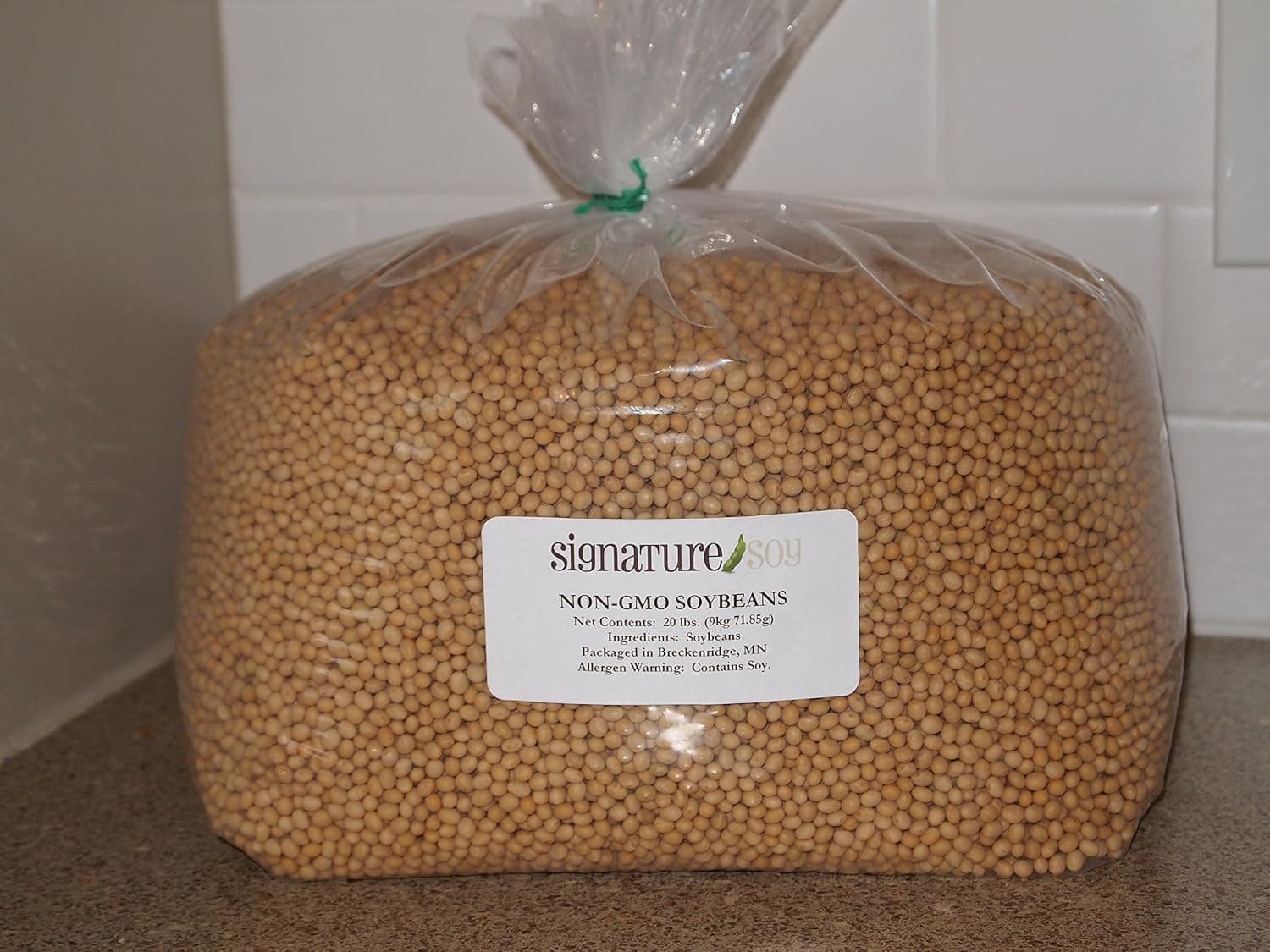
Signature Soy's NON-GMO soybeans for natto, a 20 Lbs bulk bag of fresh crop small size soybeans.
Price range: See on Amazon
What we liked
- + 20 Lbs bulk bag lowers the cost per batch for regular natto makers
- + Small Size beans are the traditional choice for natto
- + Also works for tempeh, soy milk and other soybean projects
Trade-offs
- - Heavy bag needs airtight storage to keep pests away
- - Far more beans than an occasional natto maker needs
Why bean size matters for natto
Signature Soy markets this bag specifically as a patented variety bred to make good natto, and calls out small bean size on the label. Small soybeans are the traditional choice for natto because a smaller bean ferments more evenly and develops the sticky, stringy texture natto is known for more reliably than larger soybeans bred for other uses like tofu or edamame. This is a meaningfully different product from a generic soybean bag, since not every soybean variety is well suited to natto fermentation even though the beans themselves look similar before cooking.
Sourcing and crop freshness
The maker describes these as non-GMO, fresh crop beans, and the brand's own site notes the beans are grown on a family farm. Fresh crop matters for natto specifically, since older, drier soybeans absorb water and cook less evenly during the soaking and steaming steps that precede fermentation, which can affect how consistently the natto bacteria colonize the beans afterward. Buyers comparing bean sources for natto should generally favor a recent crop year over old stock sitting in a warehouse, and a supplier that specifically markets fresh crop for natto, as this one does, is signaling that distinction rather than selling a generic bulk soybean.
What 20 pounds actually means for a home fermenter
Twenty pounds of dried soybeans is a substantial quantity, well beyond what a household making natto occasionally would use in a reasonable timeframe. The maker also sells the same beans in smaller 1.5 pound and 13 pound sizes, so the 20 pound bag is aimed squarely at frequent natto makers, or households sharing the batch making across more than one person, who benefit from the lower price per pound that bulk buying usually brings. Someone testing natto making for the first time, or making it only occasionally, is likely better served starting with the smallest size to confirm they enjoy both the process and the finished product.
Storage needs for a bag this size
A 20 pound bag of dried soybeans needs to be moved into airtight, pest-proof storage once opened, since dried beans left in their original bag are vulnerable to pantry pests and to humidity swings that affect cooking quality over time. This is a heavier lift than storing a small bag, both in terms of physical weight and the container space required, typically several airtight bins or large jars rather than a single small container. Buyers should plan for that storage step as part of the purchase, particularly in humid climates where dried beans left improperly sealed can pick up moisture and mold risk faster. A cool, dark pantry shelf or a chest freezer for longer-term portions will help preserve cooking quality across the months it may take to work through the full 20 pounds.
Bottom line
This bag delivers what it promises: a small-seeded, non-GMO, fresh crop soybean variety suited specifically to natto, at a bulk size that lowers cost per batch for anyone making natto on a regular basis. It is not the right first purchase for someone who has never made natto before and is not sure how often they will keep it up, since 20 pounds is far more than a light or occasional natto habit will use before storage quality starts to matter. Frequent natto makers with proper airtight storage in place are the clearest fit for this size.
Frequently asked questions
Why does bean size matter for natto specifically?
Small soybeans ferment more evenly and develop natto's characteristic sticky, stringy texture more reliably than larger beans bred for other uses like tofu.
Are these beans non-GMO?
Yes, the maker markets them as non-GMO, fresh crop, small size soybeans specifically suited to natto.
How should I store a 20 pound bag once it is opened?
Move the beans into airtight, pest-proof containers rather than leaving them in the original bag, since dried beans are vulnerable to pests and humidity over time.
Is 20 pounds too much for an occasional natto maker?
Likely yes. The maker also sells 1.5 pound and 13 pound sizes, and a smaller bag is a better starting point for anyone unsure how often they will keep making natto.
Prices change often, so check the current price and availability on Amazon.
Check price on AmazonFerment Nest may earn a commission from the link above.