Shirayuri Koji (Aspergillus oryzae) Spores Gluten-Free Vegan - 200g/8oz Review (2026)
Updated September 21, 2026 · Research-based review
Our verdict
Shirayuri koji spores are a white, long-haired Aspergillus oryzae strain suited to shio koji, sweet sake and white miso, sold here in a large 200 gram bag for frequent koji makers. The bulk size is good value per batch but more than an occasional hobbyist will use before it loses potency.
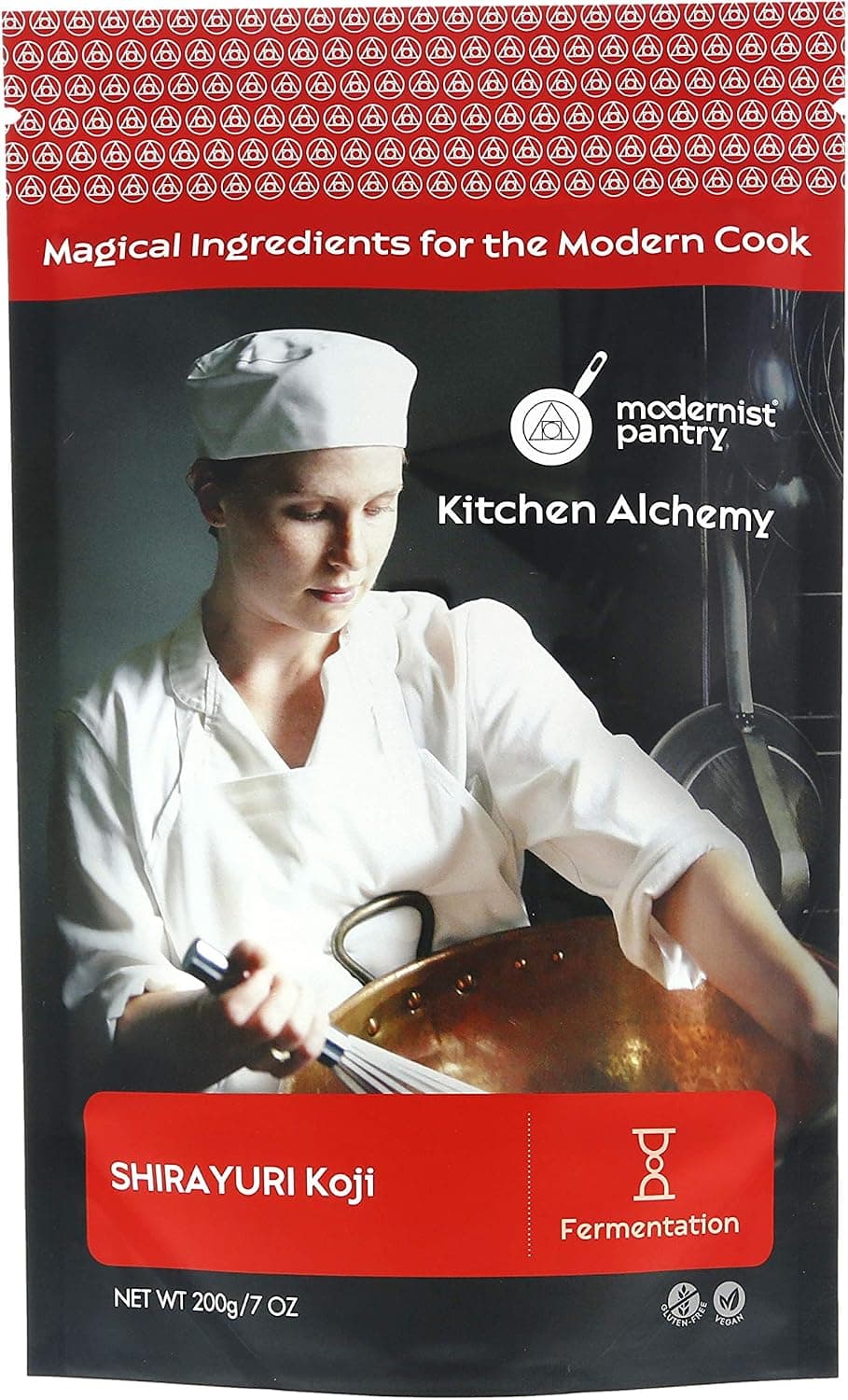
Shirayuri koji (Aspergillus oryzae) spores, gluten-free and vegan, in a large 200g/8oz bag for heavy use.
Price range: See on Amazon
What we liked
- + 200g bag supplies many batches for miso and shio koji makers
- + Shirayuri is a known strain for rice koji
- + Gluten-Free Vegan label suits plant-based kitchens
Trade-offs
- - Large quantity may lose viability before a hobbyist uses it all
- - Bulk bag needs careful cold, dry storage
What Shirayuri koji spores actually are
Shirayuri is a named strain of Aspergillus oryzae, the mold used to inoculate cooked rice, grains or soybeans to start koji, the base culture behind miso, shoyu, sake and shio koji. Shirayuri specifically is described as a long-haired white spore variety that produces a soft, white koji with little tendency to brown as it grows, along with a sweet aroma and flavor. That profile is why it is commonly recommended for shio koji, sweet sake styles and white miso, where a mild, sweet result is desirable, rather than for darker, more pungent miso or soy sauce styles that often use a different strain.
What comes in this package and how it is used
This listing is the 200 gram, 8 ounce size of the spores, labeled gluten-free and vegan. Koji spores are typically used at a small ratio relative to the rice, grain or soybean base being inoculated, generally in the range of about 1 gram of spores per kilogram of substrate, which means a 200 gram bag covers a substantial number of batches for a household koji maker rather than being sized for a single project. The spores are dusted onto cooked, cooled rice or another base under controlled warm, humid conditions to begin the koji-making process, the same general method used across most home koji projects regardless of strain.
Storage and shelf life considerations
Mold spores like this are living material and lose viability over time, especially if exposed to heat, moisture or inconsistent storage conditions. A 200 gram bag represents many more batches than most home fermenters will use in a short window, so keeping the unused portion cold, dry and sealed between uses matters more here than it would with a smaller package meant to be used up quickly. Buyers who only make koji occasionally should weigh whether the lower cost per gram of the bulk size is worth the risk of spores losing potency before the bag is finished, versus buying a smaller size more often.
Who this size makes sense for
The 200 gram bag is best suited to someone making koji regularly, whether for a steady supply of homemade miso, shio koji or amazake, or for someone experimenting across several koji-based projects at once. A hobbyist making one or two batches a year is likely better served by a smaller package from the same or a comparable brand, both to reduce upfront cost and to avoid stretching the storage window past the point where spore viability starts to drop. The strain choice itself, Shirayuri for a sweet, white result, is the more important decision for most buyers and applies regardless of which size is purchased. Splitting a large bag into smaller sealed portions right after opening, rather than repeatedly reopening the same bag over months, is a simple way to extend usable life for anyone who does buy the bulk size.
Bottom line
This product delivers a well-regarded white koji strain in a bulk size that rewards frequent koji makers with a lower cost per batch, provided the spores are stored cold and dry and used within a reasonable window. It is gluten-free and vegan, fitting plant-based kitchens without qualification. Anyone newer to koji making or planning only occasional batches should consider starting with a smaller package to avoid wasted spores, then step up to this size once koji making becomes a regular part of their fermentation routine. For an established koji maker who already runs shio koji or white miso batches on a regular schedule, the bulk 200 gram bag is a straightforward way to cut the cost of an ingredient that would otherwise need reordering every few projects.
Frequently asked questions
What is Shirayuri koji best used for?
Its white color and sweet, mild aroma make it a common choice for shio koji, sweet sake styles and white miso, rather than darker, more pungent miso or shoyu.
How much spore powder do I need per batch?
Koji spores are generally used at a light ratio, roughly around 1 gram per kilogram of rice or other substrate, so a 200 gram bag covers many batches.
How should I store the spores to keep them viable?
Keep the unused portion cold, dry and sealed between uses, since mold spores lose viability over time, especially with heat or moisture exposure.
Is this product vegan and gluten-free?
Yes, the listing labels this product as both gluten-free and vegan.
Prices change often, so check the current price and availability on Amazon.
Check price on AmazonFerment Nest may earn a commission from the link above.