Avoiding Mold and Kahm Yeast in Your Ferments
Published How we research
Two things commonly appear on the surface of a ferment, and they are not the same. Kahm yeast is a wrinkled, flat, off white film that spreads across the brine like a skin. Mold is fuzzy and grows upward in circular colonies, usually in shades of blue, green, black or pink. Kahm is a cosmetic nuisance that can add a slightly musty flavour if left too long. Mold is a signal that something in your setup let air reach the food, and it should be treated more seriously.
Products from this article
The highest-scoring picks from the buying guides this article links to. Scores are our editorial assessment, not customer ratings.
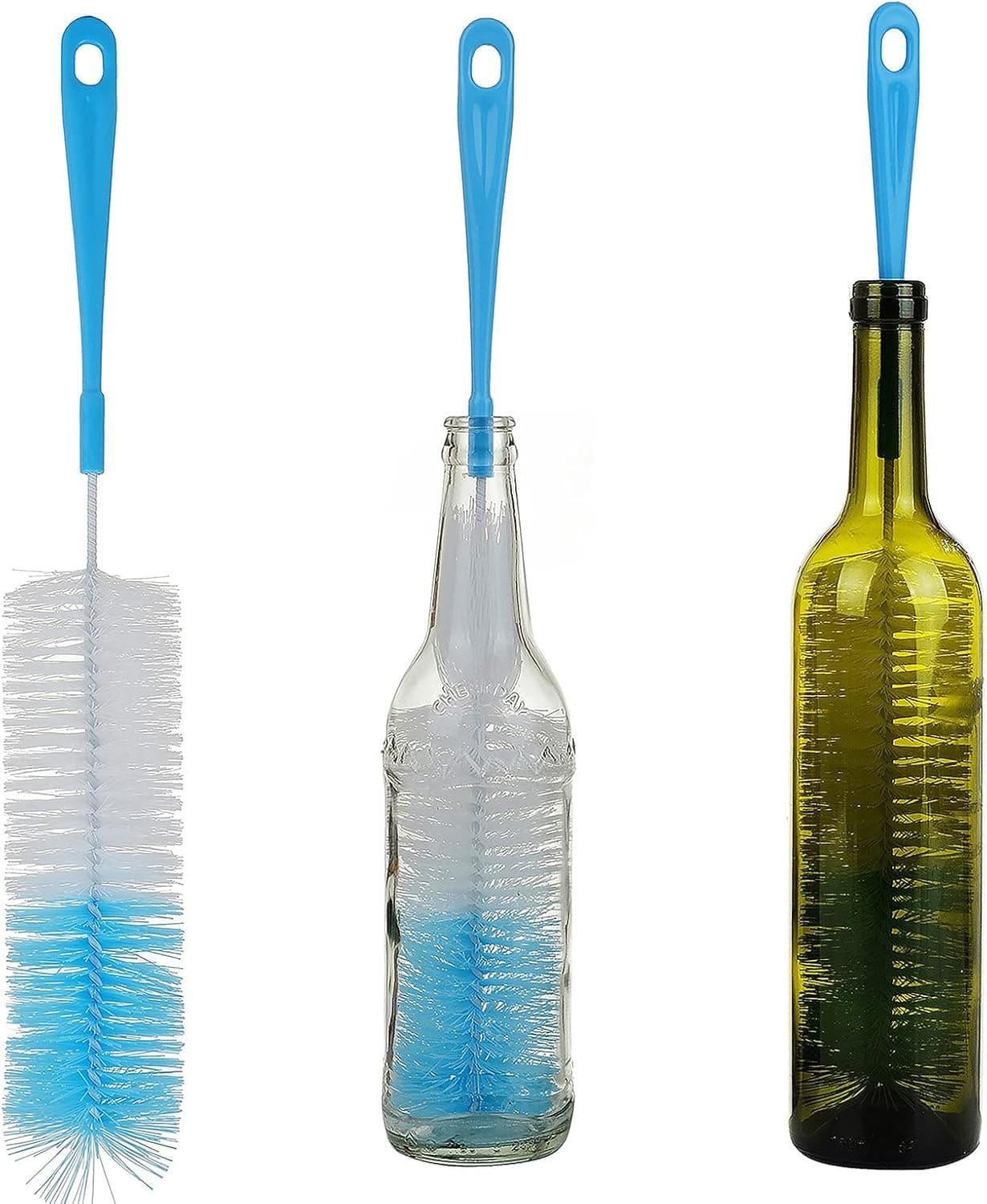
+ 16 Inches of reach cleans the bottom of tall bottles
From our guide: The Best Bottle Brushes for Fermentation Gear
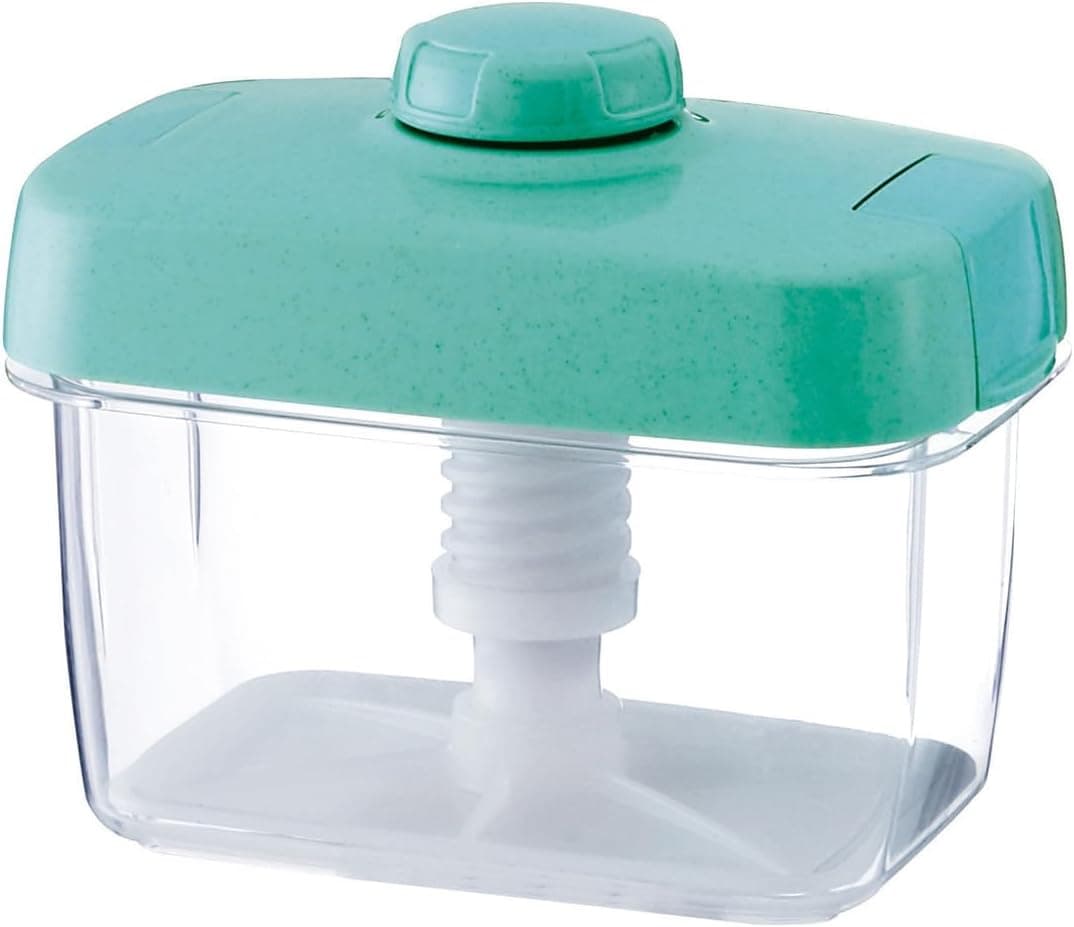
+ 1.6L capacity handles a family side dish of pressed pickles
From our guide: Best Vegetable Fermentation Presses and Weights
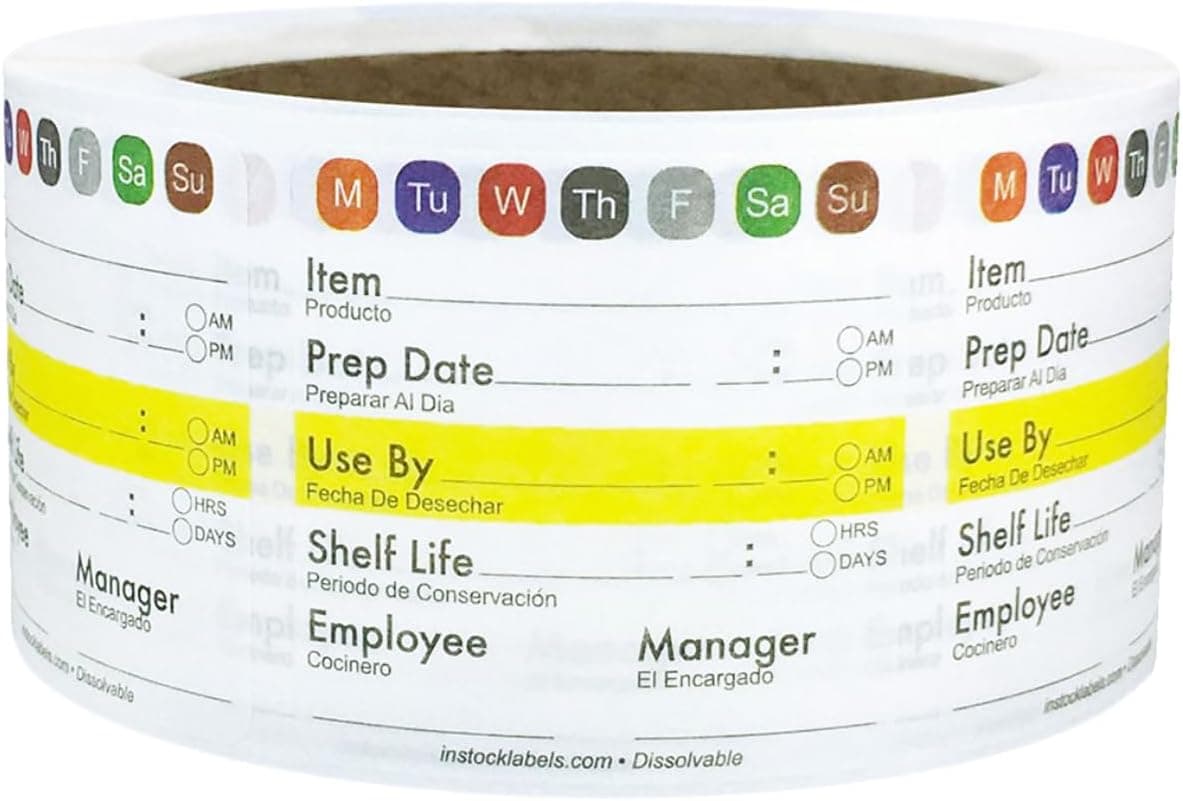
+ 500 Adhesive Stickers last through many seasons of labeling
From our guide: The Best Labels for Fermentation Jars and Bottles
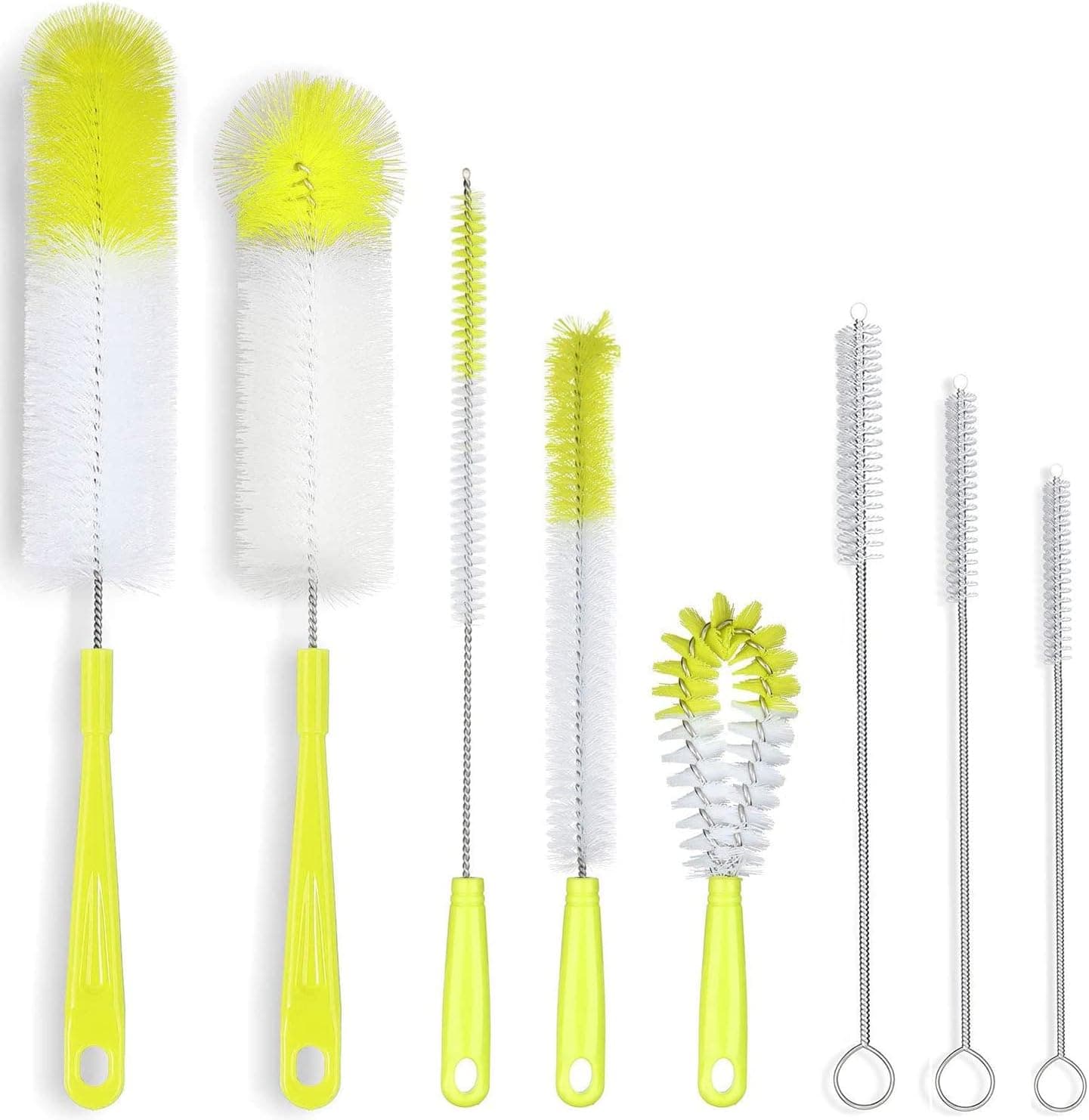
+ 8-Pack covers bottles, straws and kettle spouts in one set
From our guide: The Best Bottle Brushes for Fermentation Gear
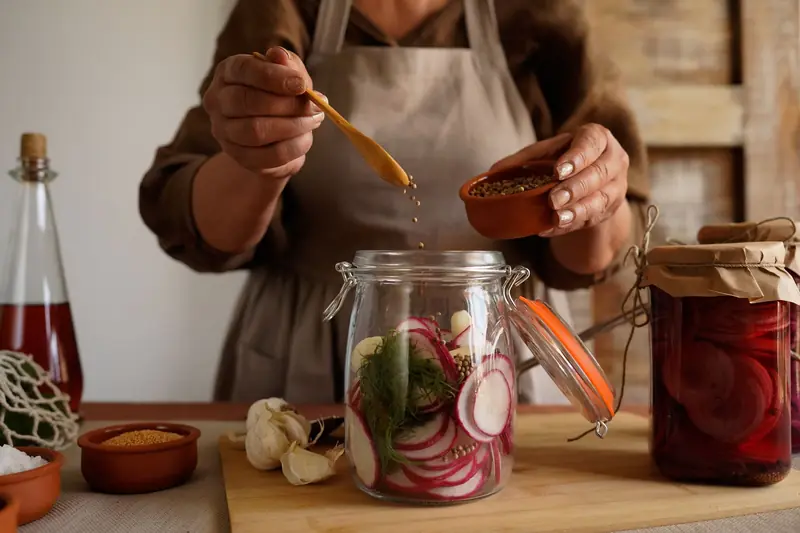
Both problems have the same underlying cause, which is exposure to oxygen at the surface. Lactic acid bacteria are happy without air, but yeasts and moulds need it. Any piece of cabbage floating above the brine, any shred stuck to the side of the jar, and any layer of liquid that has evaporated below the food line gives them somewhere to land and grow. This is why the single most effective preventive measure is not a special lid or a fancy vessel, but simply keeping everything solid fully submerged from day one to the day you refrigerate.
Submersion is easier with the right tools. Glass fermentation weights, a small jar that fits inside the mouth of the larger one, or a sealed bag of brine all work well. A folded outer cabbage leaf laid over shredded vegetables catches the small pieces that otherwise float free. Wide mouth jars are easier to keep clean than narrow ones because the weight sits flat. After packing, wipe the inside walls above the brine with a clean cloth so no stray fragments remain, and check the level every few days, topping up with fresh brine at the same salt percentage if it drops.
Salt and temperature also matter. Under salted ferments acidify slowly and give surface organisms a longer window to establish. Warm rooms speed everything up, including the yeasts. If kahm keeps appearing batch after batch, raise the salt slightly, move the jar somewhere cooler, and check that your weights are actually holding the food down rather than floating themselves. Airlock lids help by keeping the headspace filled with carbon dioxide instead of air, which is why they reduce surface problems noticeably even though they do not eliminate them.
When kahm appears, skim it off carefully with a clean spoon, wipe the jar rim, press the food back under the brine and carry on. Do this promptly rather than waiting, because a thick established film is harder to remove cleanly and its flavour begins to carry into the batch. The ferment underneath is generally fine, and many people never notice a difference in taste once the film is gone and the jar has been cleaned up.
Mold calls for a different judgement. Small isolated spots on the very surface of a firm ferment such as sauerkraut can sometimes be removed along with a generous margin of the food beneath them, but that is a decision you make based on how the rest looks and smells. If the mold is widespread, if it has reached below the brine, if the texture has gone soft and slimy, or if the smell is genuinely unpleasant rather than sour, discard the batch. That is not a wasted effort. It is information. Look at what let air in, fix that specific thing, and the next batch will usually be clean.
Popular right now
- Brine Pickles or Vinegar PicklesArticle
- Water Quality and Chlorine in Home FermentationArticle
- The Best Vacuum Seal Bags for FermentationBuying guide
- Backslopping explainedGlossary
- Best Koji Starter SporesBuying guide
- Fermentation TemperatureArticle
Based on the last 28 days of search and visitor data.