Brine Pickles or Vinegar Pickles
Published How we research
Two very different things are sold as pickles, and confusing them causes a lot of disappointment. A vinegar pickle is a vegetable preserved by adding acid from outside, usually vinegar, often with heat. A brine pickle is a vegetable preserved by acid that the vegetable and its resident bacteria create themselves, through fermentation in salt water. They look similar in the jar and taste completely different, and only one of them is a ferment.
Products from this article
The highest-scoring picks from the buying guides this article links to. Scores are our editorial assessment, not customer ratings.
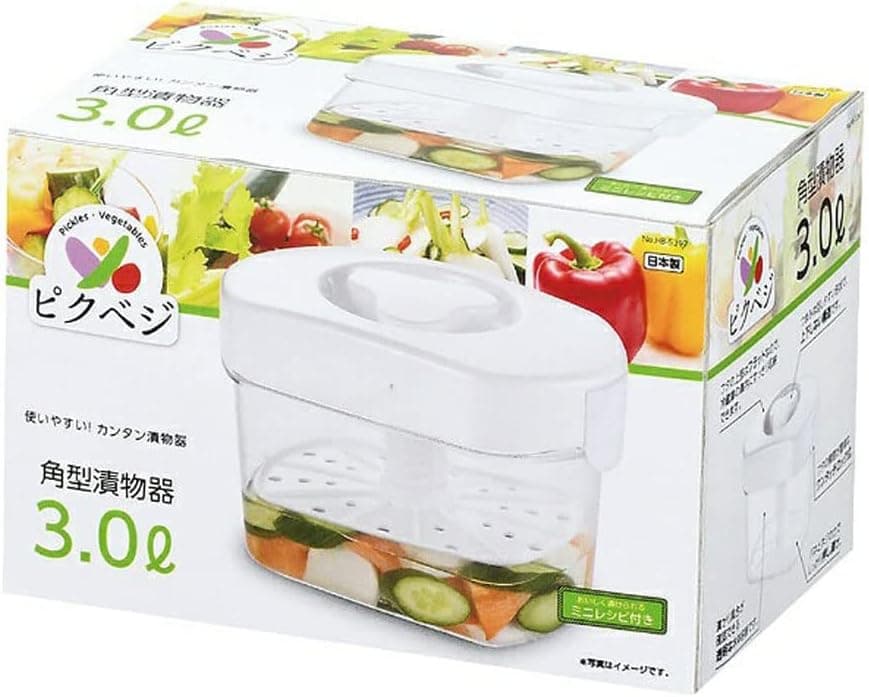
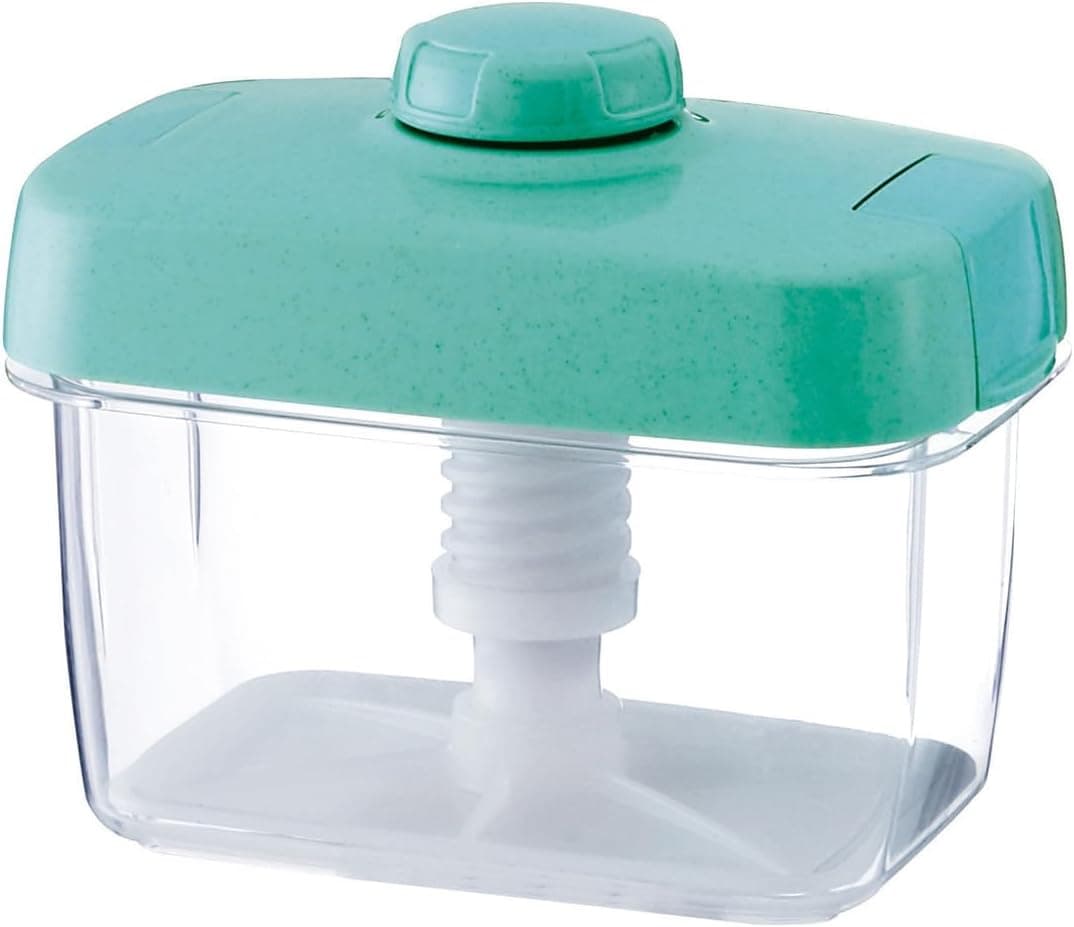
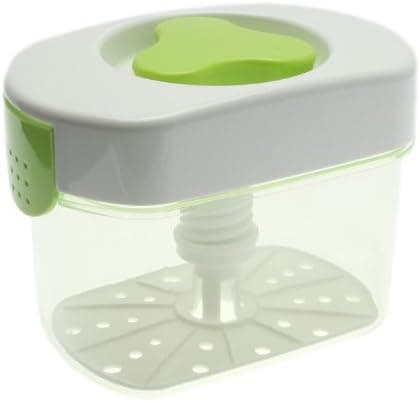
+ 1.6L capacity handles a family side dish of pressed pickles
From our guide: Best Vegetable Fermentation Presses and Weights
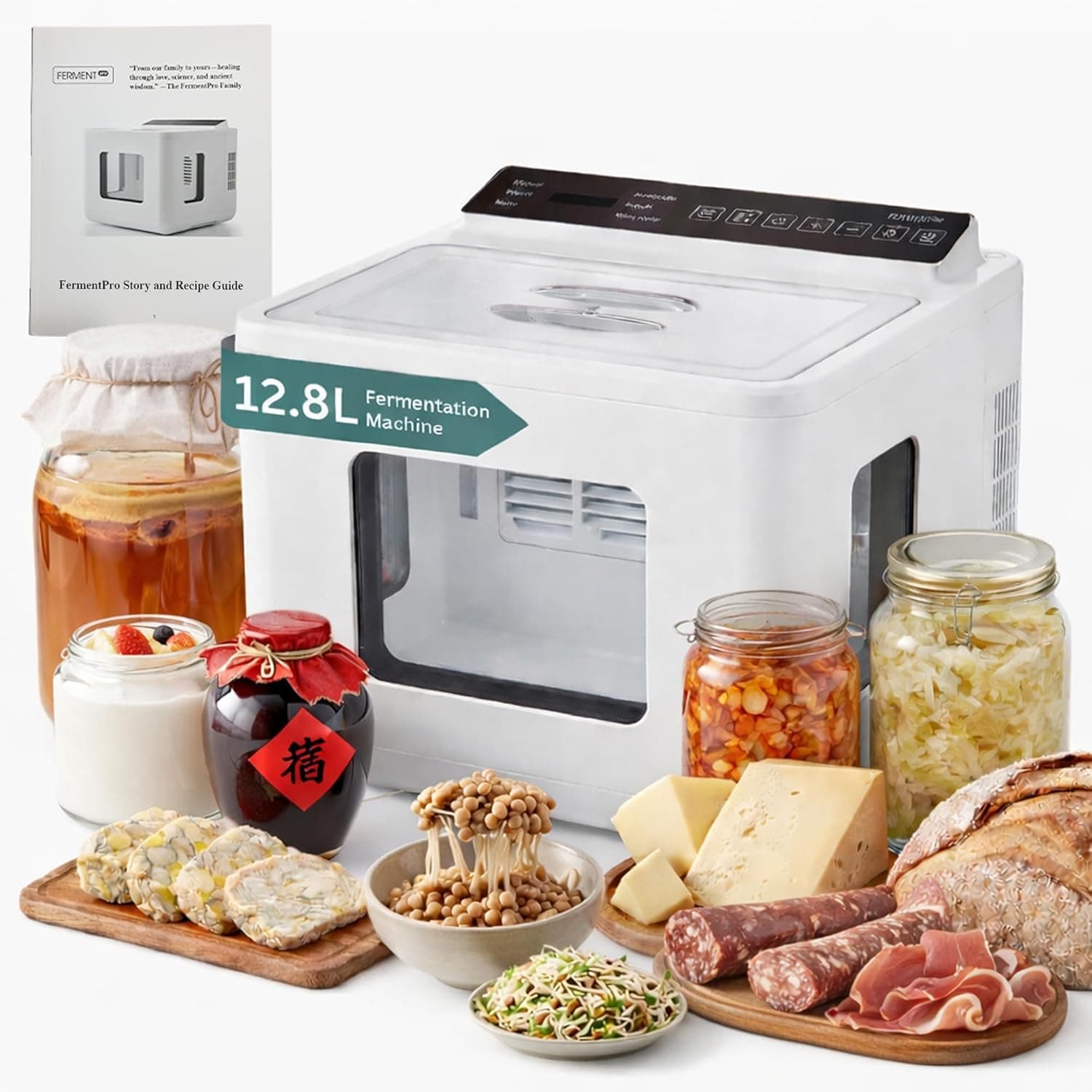
+ 12.8L chamber fits trays of tempeh or several yogurt jars at once
From our guide: Best Fermentation Temperature Control
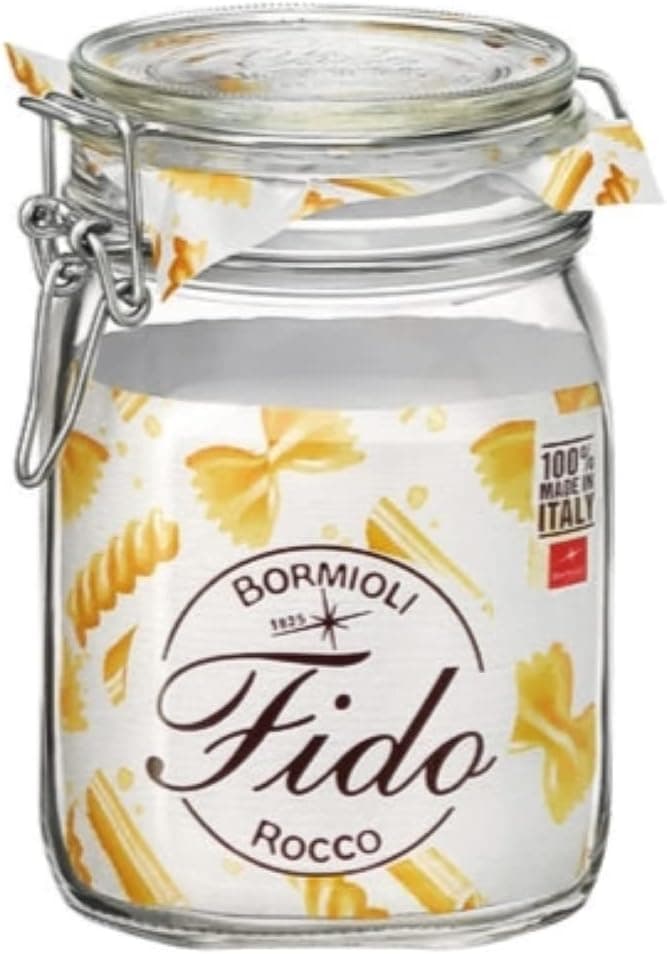
+ Airtight Rubber Seal lets gas escape under pressure while blocking air
From our guide: The Best Fido Jars for Vegetable Ferments
+ 2.2L rectangular body holds long vegetables without cutting them short
From our guide: Best Vegetable Fermentation Presses and Weights
Vinegar pickles are fast and predictable. You heat vinegar with water, salt, sugar and spices, pour it over vegetables in a jar, and refrigerate. Within a few hours you have something sharp, bright and clean tasting, and within a day it is at its best. The acidity is set by your recipe, so the result is the same every time regardless of temperature or season. Nothing is alive in the jar, which means no bubbling, no burping and no surface films to manage.
Brine pickles take time and reward it with complexity. You submerge vegetables in salt water at roughly 3.5 to 5 percent salt, keep everything under the liquid, and leave the jar at cool room temperature for one to four weeks. Lactic acid bacteria on the vegetables multiply, consume sugars and acidify the brine. The flavour that results is rounder, more savoury and slightly effervescent, with a depth that vinegar cannot produce. This is the flavour of a proper deli style dill pickle, and it is why the two categories are not interchangeable.
Texture behaves differently as well. Vinegar pickles made with a hot brine soften somewhat from the heat, though they hold their shape. Refrigerator vinegar pickles made with a cold brine stay crisper. Brine ferments retain a distinct snap when they are made cool and salted properly, but they soften faster if the room is warm or the salt is low. Both benefit from the same preparation habits, which are fresh firm produce, chilling before packing and trimming the blossom end from cucumbers.
Storage expectations are not the same either. Vinegar pickles kept in the refrigerator last for months and change very little. Properly canned vinegar pickles made with a tested recipe are shelf stable in a cupboard. Fermented pickles are living food, so they keep for months in the refrigerator but keep evolving, becoming more sour over time. Heating a fermented pickle to can it stops the fermentation and removes the live cultures, which defeats much of the point for most people who ferment.
Which to make depends on what you want. If you need a jar of something bright to go with dinner tonight, make a quick vinegar pickle with whatever is in the vegetable drawer. If you want the complex sour depth that develops over weeks and the live cultures that come with it, ferment. Many households do both, and it is genuinely useful to have a jar of each, since they serve different roles on a plate.
One practical note bridges the two. If you have made brine pickles and they have reached exactly the sourness you want, refrigeration is your brake. Cold slows the bacteria dramatically, which holds the flavour roughly where it is for a long time. Adding vinegar to a fermented product is not necessary for safety in a properly fermented, refrigerated jar, and it will mute the fermented character you spent weeks developing. Keep the two techniques separate and each one does its job well.
Popular right now
- Water Quality and Chlorine in Home FermentationArticle
- The Best Vacuum Seal Bags for FermentationBuying guide
- Backslopping explainedGlossary
- Best Koji Starter SporesBuying guide
- Fermentation TemperatureArticle
- Why Milk Kefir Separates and How to Keep It SmoothArticle
Based on the last 28 days of search and visitor data.