Fermentation Temperature
Published How we research
Vegetable ferments do best between 18 and 22 degrees Celsius, where lactic acid bacteria dominate and flavor develops in layers; above 24 degrees, ferments move faster and less predictably, softening vegetables and inviting kahm yeast. Dairy ferments want more warmth, with yogurt around 40-45 degrees and kombucha around 24-28 degrees, while milk kefir prefers ordinary room temperature. Find the steadiest spot in your home with a cheap thermometer rather than guessing, and adjust with the seasons, moving jars cooler in summer and warmer in winter. Track temperature and taste rather than chasing exact recipe times. Temperature is the dial that changes everything about a ferment except the ingredients. Warmth speeds microbial activity, so a jar that takes three weeks in a cold pantry might be done in five days on a summer worktop. That is not simply the same result arriving sooner. Fast ferments taste different from slow ones, and they behave differently in terms of texture and surface problems. Learning to read your own home and pick the right spot is more useful than any recipe timing.
Products from this article
The highest-scoring picks from the buying guides this article links to. Scores are our editorial assessment, not customer ratings.
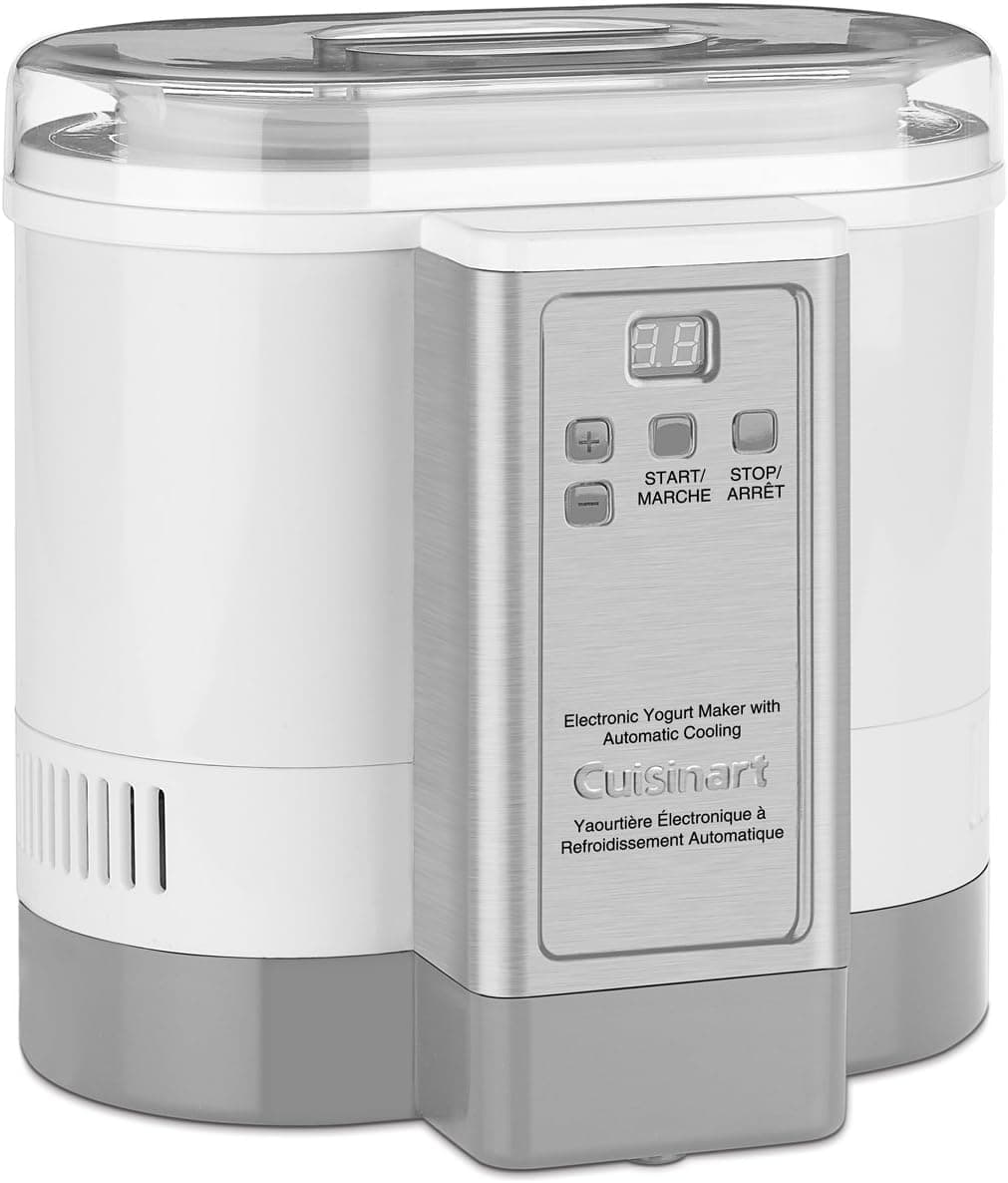
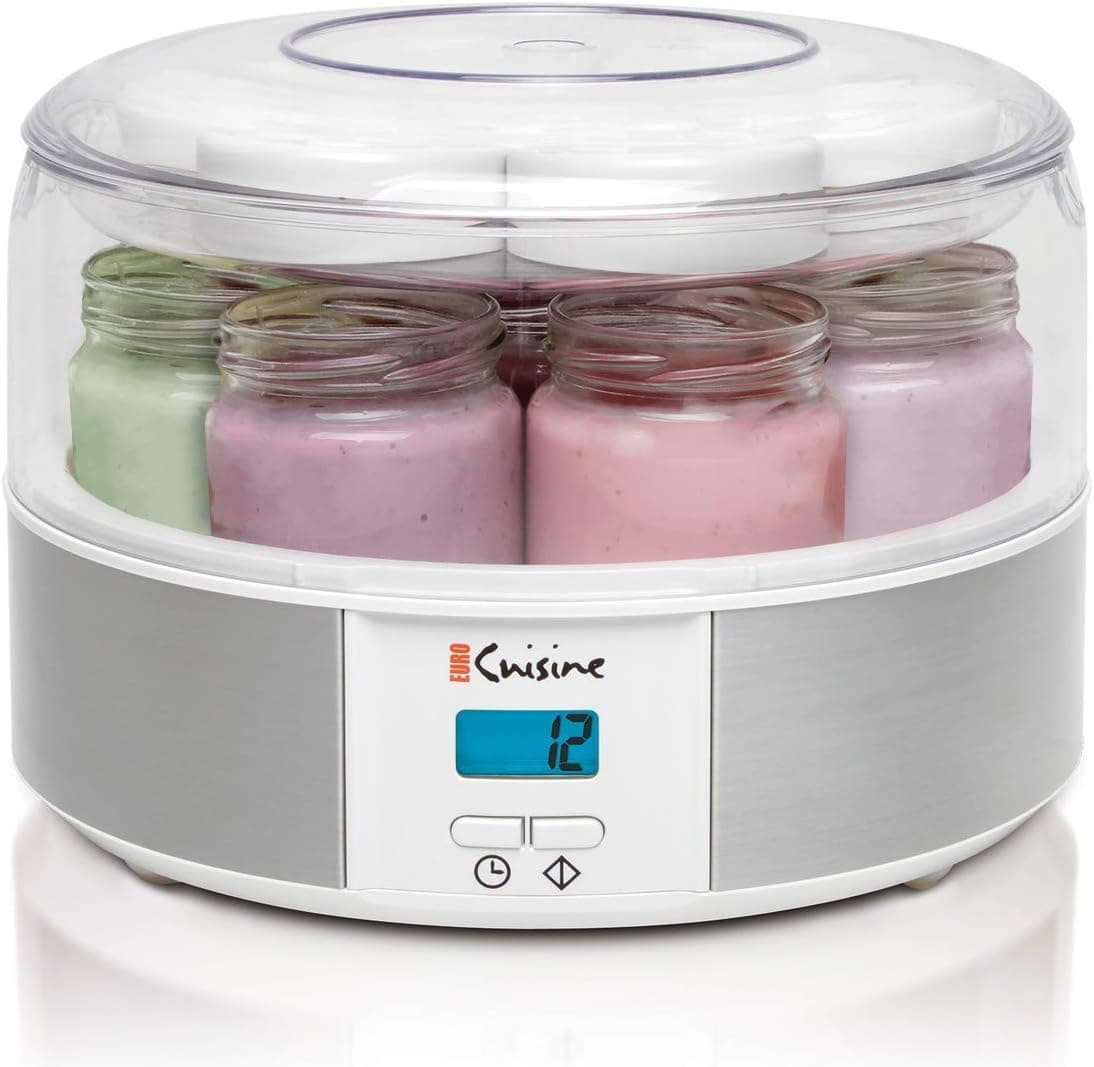
+ Automatic Cooling stops fermentation so yogurt does not over-sour
From our guide: Best Yogurt Makers for Home Use
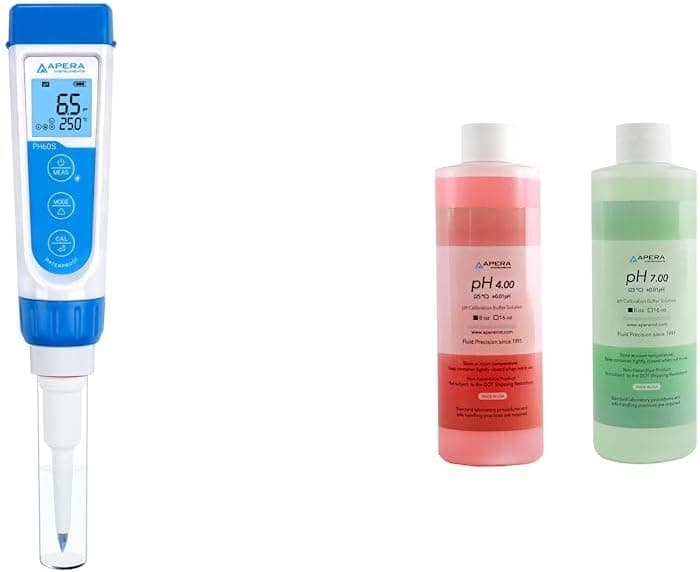
+ Swiss Spear pH Electrode pierces cheese, meat and firm vegetables
From our guide: Best Fermentation Measuring Tools
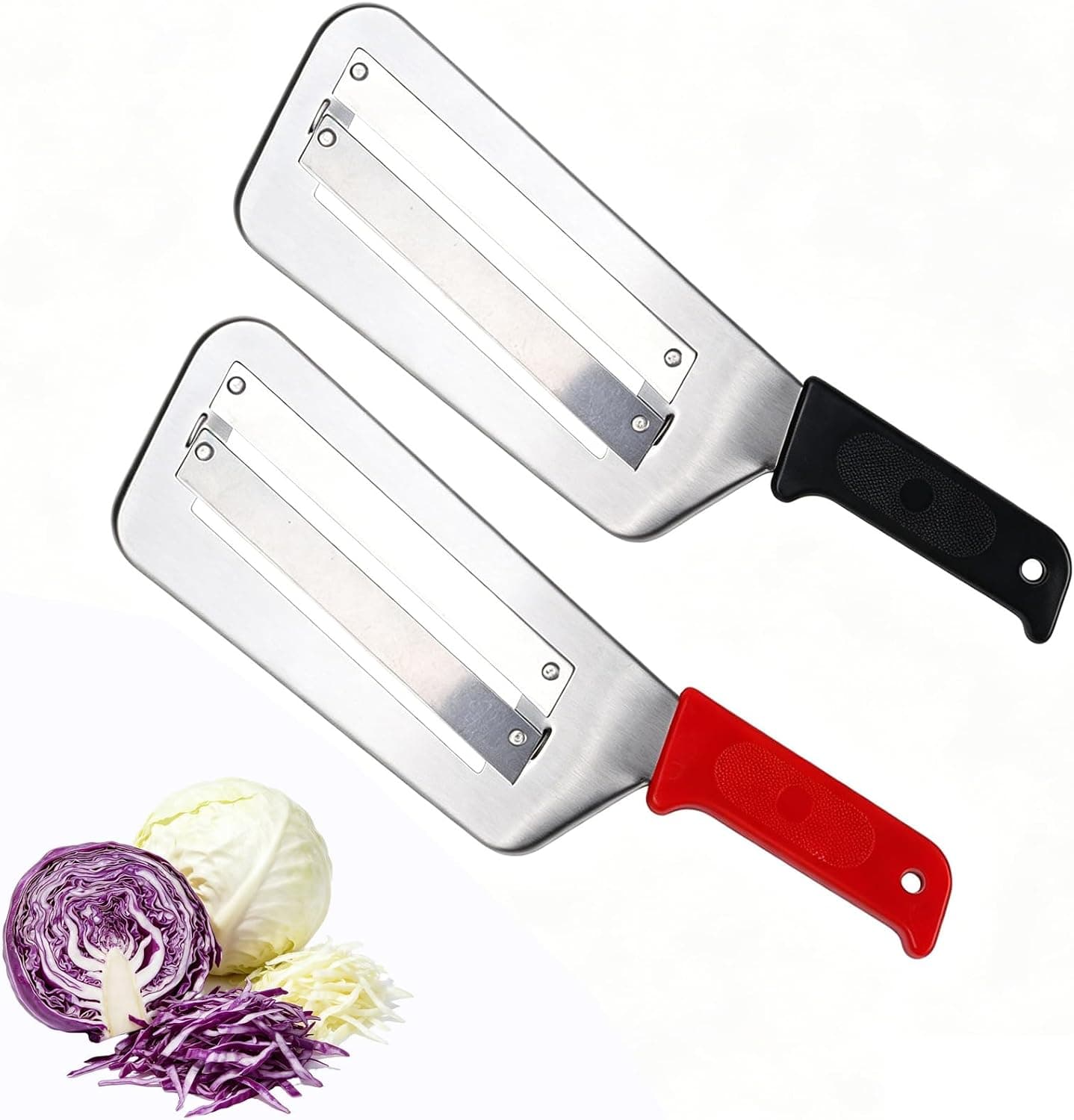
+ Julienne Blade turns carrots and radish into strips for kimchi mixes
From our guide: Best Sauerkraut Cutters and Cabbage Shredders (2026)
+ Automatic digital timer switches off when yogurt is done
From our guide: Best Yogurt Makers for Home Use
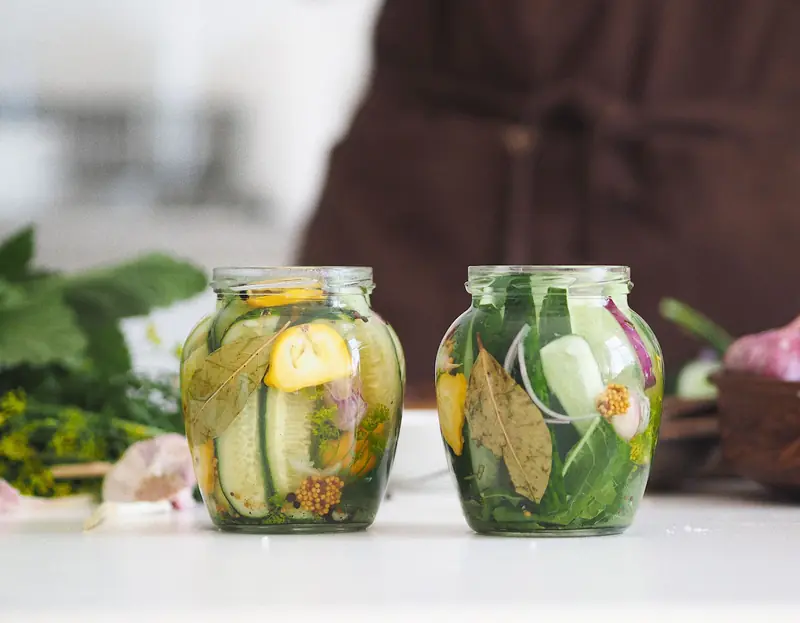
The sweet spot for vegetable ferments
For vegetable ferments such as sauerkraut, kimchi and brine pickles, most home fermenters aim somewhere between roughly 18 and 22 degrees Celsius. In that band the lactic acid bacteria dominate comfortably, acidity builds at a manageable rate, and the flavour develops layers rather than arriving all at once. Cooler than that, down to about 15 degrees, is still perfectly workable and often produces the crispest, most complex results, it just takes longer and you need patience. Very cold conditions near refrigerator temperature effectively pause the process.
Heat is the riskier direction
Heat is the riskier direction. Above about 24 degrees, ferments move quickly and less predictably. Pectin softens faster, so cucumbers and green beans are more likely to go limp. Yeasts become more active at the surface, which is why kahm shows up more often in summer. The sourness can arrive with a flat, sharp quality instead of the rounded tang a slower batch develops. None of this makes warm fermenting impossible, but it does mean raising your salt slightly, checking the jar more often, and tasting earlier because the window you want will pass sooner.
Dairy ferments want more warmth than vegetables
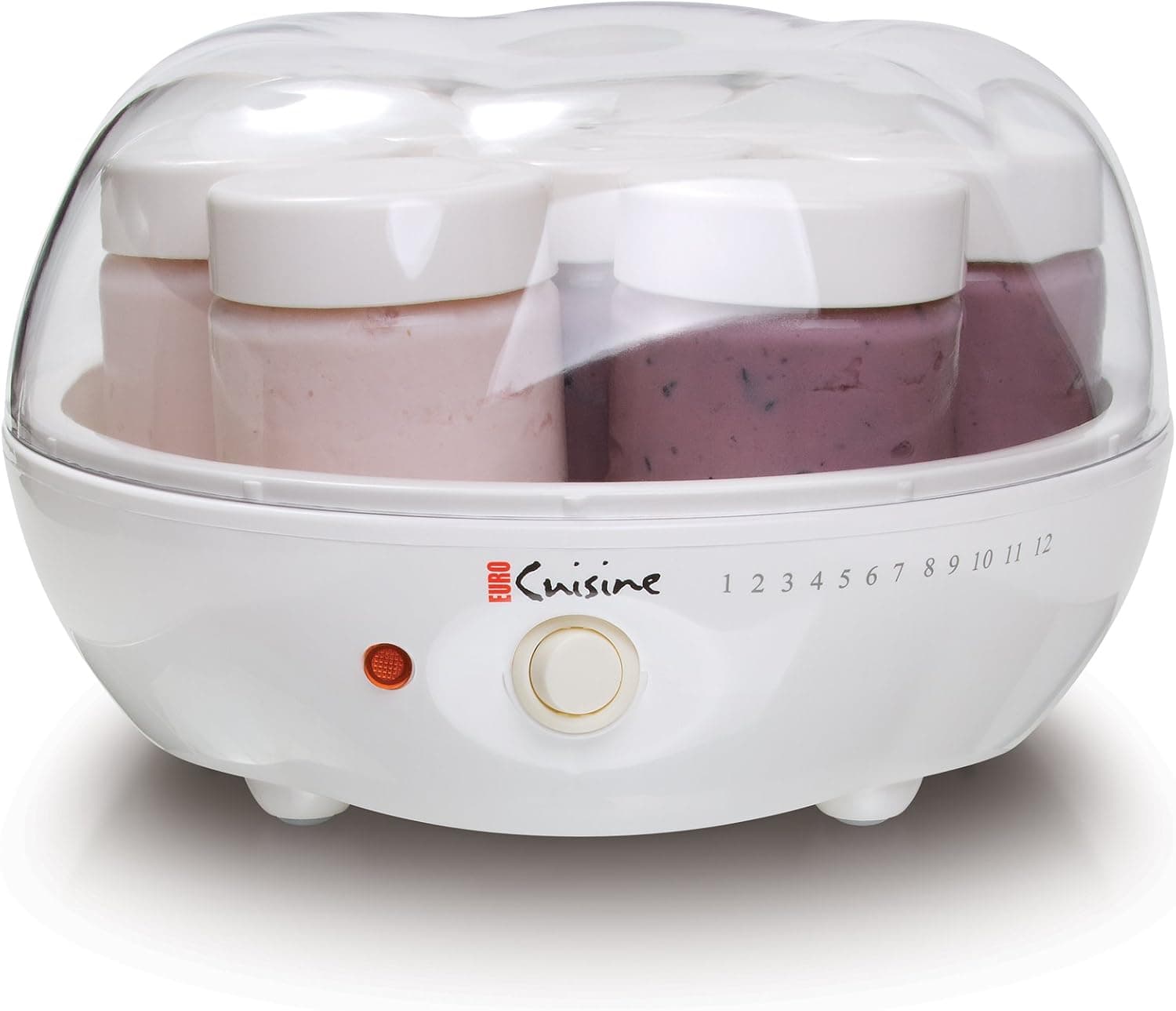
Dairy ferments want more warmth than vegetables. Yogurt cultures are typically incubated somewhere around 40 to 45 degrees for several hours, which is why insulated containers, ovens with the light on, or dedicated yogurt makers exist. Milk kefir is the exception and prefers ordinary room temperature, fermenting steadily between about 18 and 25 degrees. Kombucha sits between the two camps and is happiest around 24 to 28 degrees, which is warmer than most kitchens in winter and explains why kombucha slows dramatically in a cold house.
Finding the right spot in your home
Finding the right spot in your home is mostly observation. Kitchens swing wildly because of cooking and sunlight. Interior cupboards away from appliances are usually the steadiest place, and a shelf in a hallway, a cool bedroom or a basement often beats the kitchen counter for vegetables. Direct sun through a window is worth avoiding entirely, both for heat and for light. A cheap digital thermometer left in the spot for a day tells you more than guessing, and it is worth checking both the afternoon high and the early morning low.
Adjust with the seasons rather than resisting them
Seasons will push you around, and the practical answer is to adjust rather than resist. In summer, move ferments to the coolest room you have, ferment smaller batches, nudge salt up toward 2.5 percent, and start tasting after three or four days. In winter, gather jars together in a warmer corner, wrap a kombucha vessel in a towel, use a seedling heat mat set low if you ferment kombucha or yogurt regularly, and simply accept longer timelines for vegetables. Consistency matters more than hitting a precise number, since steady conditions produce results you can actually repeat.
Treat recipe times as rough guides, not rules
The underlying skill is treating recipe times as rough guides tied to someone else's kitchen. When a recipe says ten days, it is describing a particular temperature you probably do not share. Note the room temperature alongside the date and salt percentage on each jar, taste at intervals, and record when a batch hit the point you liked. After a season of that you stop counting days altogether and start fermenting by taste, which is how experienced fermenters work.
Frequently asked questions
What temperature is best for fermenting vegetables like sauerkraut? Roughly 18 to 22 degrees Celsius, where lactic acid bacteria dominate comfortably and flavor develops in layers rather than arriving all at once.
What happens if a ferment is too warm? Above about 24 degrees, ferments move quickly and less predictably: vegetables soften faster, kahm yeast becomes more active at the surface, and sourness can turn flat and sharp instead of rounded.
What temperature does kombucha ferment best at? Kombucha is happiest around 24 to 28 degrees Celsius, which is warmer than most kitchens in winter and explains why it slows dramatically in a cold house.
How should I adjust fermentation for summer vs winter? In summer, move ferments to the coolest room, use smaller batches, and nudge salt up slightly. In winter, gather jars in a warmer corner or use a low heat mat and accept longer timelines.
Popular right now
- Brine Pickles or Vinegar PicklesArticle
- Water Quality and Chlorine in Home FermentationArticle
- The Best Vacuum Seal Bags for FermentationBuying guide
- Backslopping explainedGlossary
- Best Koji Starter SporesBuying guide
- Why Milk Kefir Separates and How to Keep It SmoothArticle
Based on the last 28 days of search and visitor data.