Water Quality and Chlorine in Home Fermentation
Published How we research

Water is an ingredient, not just a medium, and it is the one people forget when a ferment behaves oddly. Brines, kombucha tea, sourdough dough and rehydrated starters all rely on water that will support microbial life. Municipal water is treated specifically to prevent microbial life from thriving in it, which puts the two purposes in mild conflict. In practice this rarely ruins a batch outright, but it can slow a culture down enough to be noticeable, and it is easy to rule out.
Products from this article
The highest-scoring picks from the buying guides this article links to. Scores are our editorial assessment, not customer ratings.
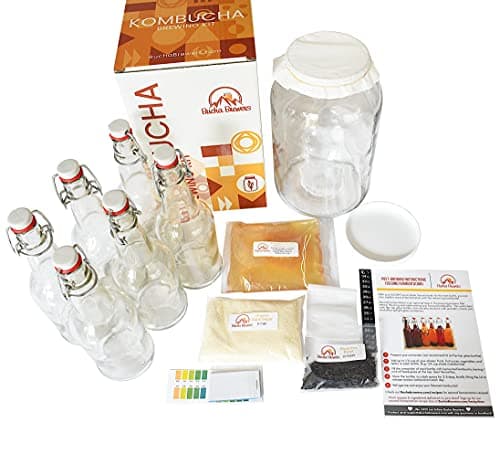
+ Covers both stages: a gallon jar for the first ferment and six swing top bottles for flavoring and carbonating.
From our guide: Best Kombucha Brewing Kits
+ Jun SCOBY is adapted to green tea and honey, unlike standard kombucha cultures
From our guide: Best Jun Tea Supplies
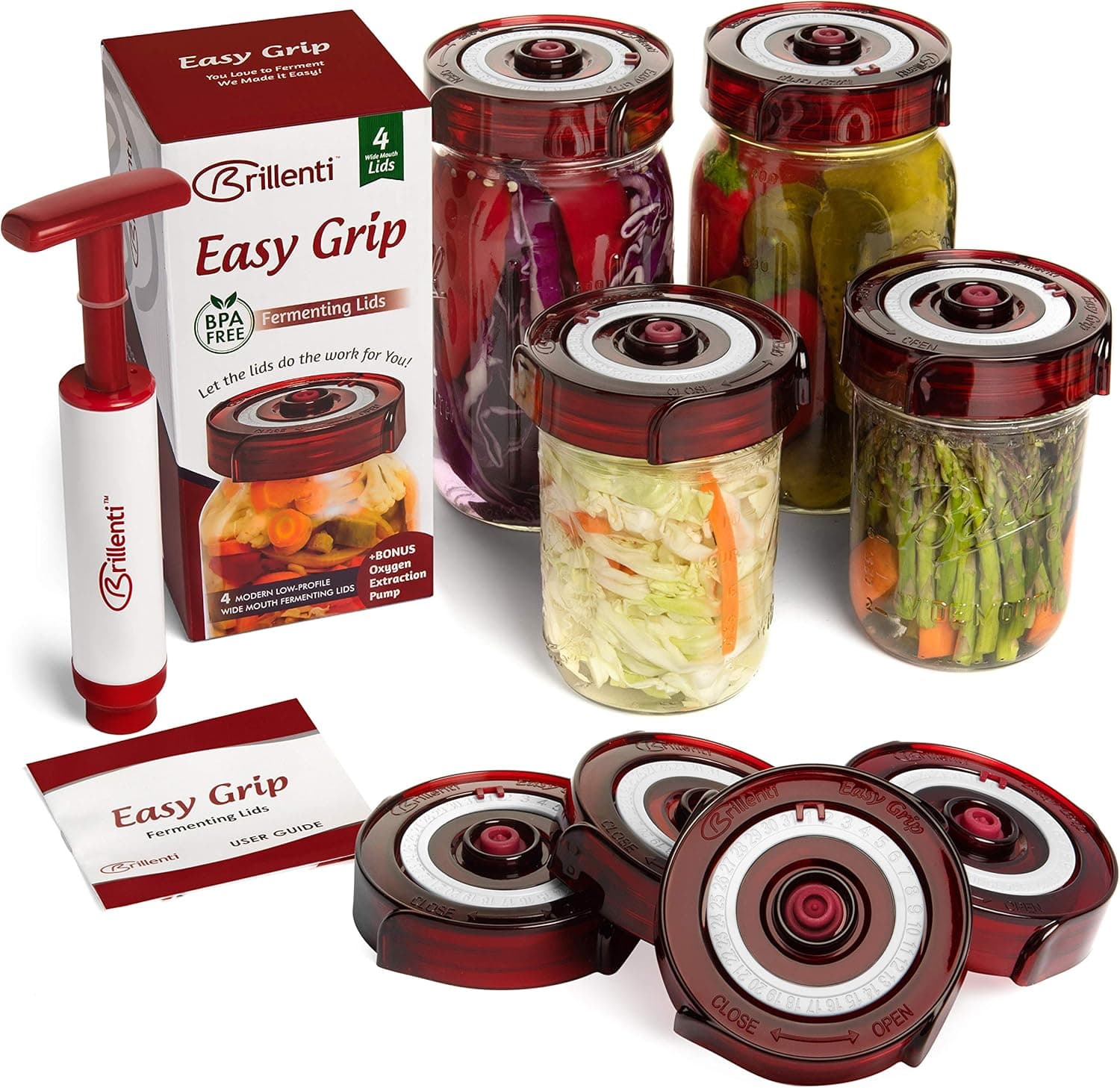
+ Waterless airlocks remove the chore of topping up water in the valves
From our guide: Best Fermentation Lids With Pumps
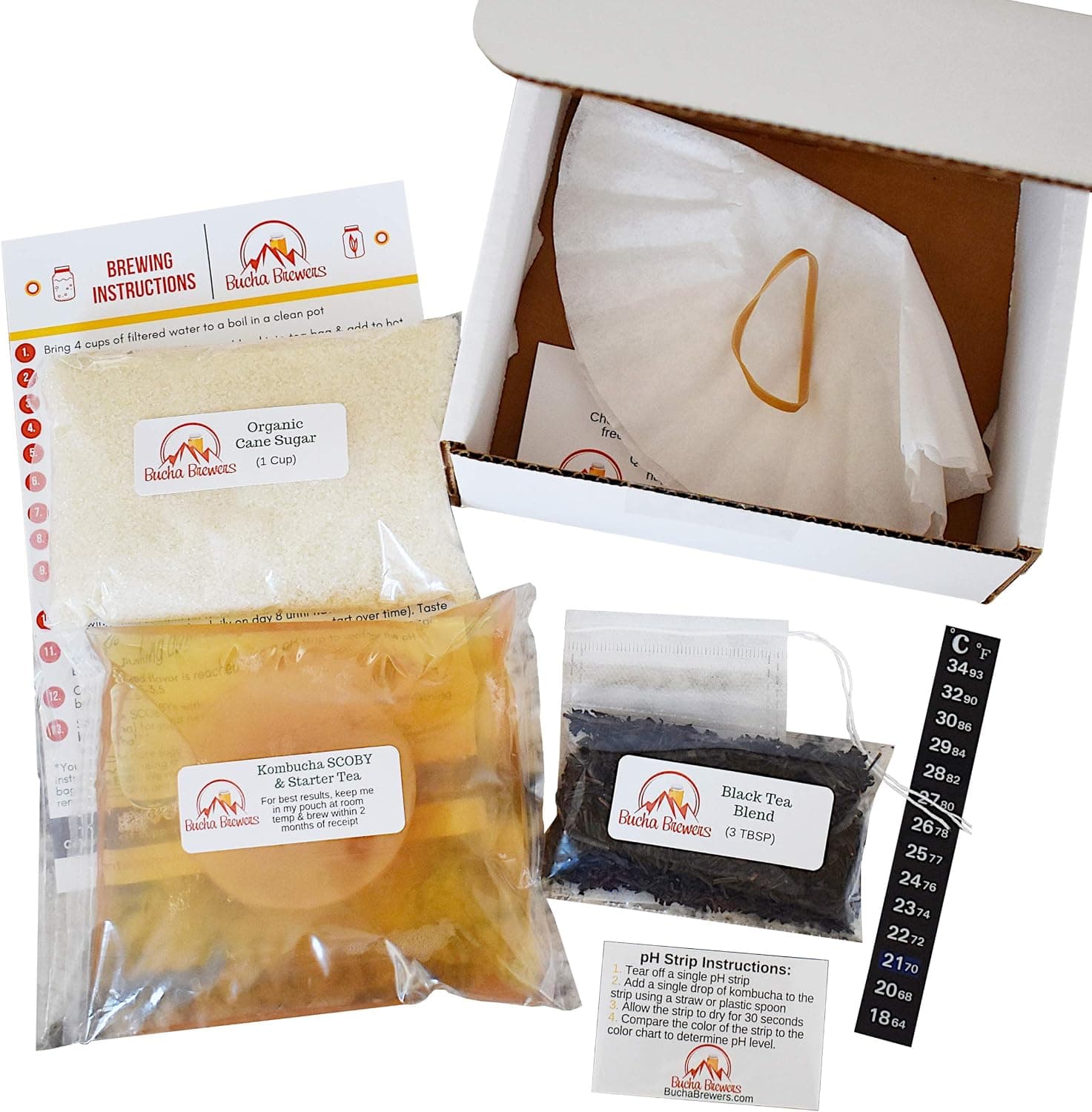
+ Black tea and organic sugar are included, so the first batch needs no grocery run
From our guide: Best Kombucha Brewing Kits

Most treated tap water contains either chlorine or chloramine. The difference matters. Chlorine is volatile and leaves water on its own, so filling an open container and letting it stand for a day, or boiling it for a few minutes and cooling it, removes most of it. Chloramine is chlorine bonded with ammonia and is deliberately more stable, so it does not dissipate meaningfully by standing or by brief boiling. If your supplier uses chloramine, and many do, waiting overnight does very little. Water utilities publish which they use, so a quick check saves guesswork.
For chloramine, an activated carbon filter is the straightforward answer. A jug filter, a tap mounted filter or a plumbed under sink cartridge all reduce both chlorine and chloramine substantially. A small amount of vitamin C powder also neutralises both quickly, which is a common trick among brewers, though a filter is simpler for everyday use. Reverse osmosis and distilled water remove essentially everything, including the minerals cultures use, so they are not the best default for kombucha or sourdough unless remineralised.
How much any of this matters depends on the ferment. Vegetable ferments are the most forgiving, because the bacteria that drive them live on the vegetables in large numbers and the brine is only part of the environment. Plenty of people make excellent sauerkraut with straight tap water. Kombucha and sourdough starters are more sensitive, since the culture is the whole point and it has nowhere else to draw from. Water kefir is the fussiest of the group, and it also actively wants minerals, so heavily filtered water can leave the grains sluggish.
Hardness is the other variable. Hard water carries dissolved calcium and magnesium, which are generally helpful for cultures and can even firm up pickle texture slightly. Very soft water lacks those minerals, and cultures kept in it for long periods sometimes look weak. If you use reverse osmosis or distilled water for water kefir or kombucha, adding a pinch of unrefined mineral rich salt or a little molasses to the mix is a common remedy. Cloudiness or scale in your kettle is a decent sign your water is on the hard side.
Bottled water is an unnecessary expense for most households, but it is a useful diagnostic. If a starter or a kombucha culture is underperforming and you cannot work out why, run one batch with bottled spring water while changing nothing else. If the batch improves noticeably, your water is a factor and a carbon filter will pay for itself. If nothing changes, you have eliminated a variable and can look at temperature, feeding schedule or salt instead.
The sensible default is plain tap water passed through a carbon filter, used at room temperature, for everything except vegetables where straight tap water is usually fine. That covers chlorine and chloramine, keeps useful minerals, costs little and requires no thought once the filter is in the kitchen. Note it in your batch records anyway, because when something eventually goes wrong you want to know what you actually did rather than what you assume you did.
Popular right now
- Brine Pickles or Vinegar PicklesArticle
- The Best Vacuum Seal Bags for FermentationBuying guide
- Backslopping explainedGlossary
- Best Koji Starter SporesBuying guide
- Fermentation TemperatureArticle
- Why Milk Kefir Separates and How to Keep It SmoothArticle
Based on the last 28 days of search and visitor data.