Why Milk Kefir Separates and How to Keep It Smooth
Published How we research
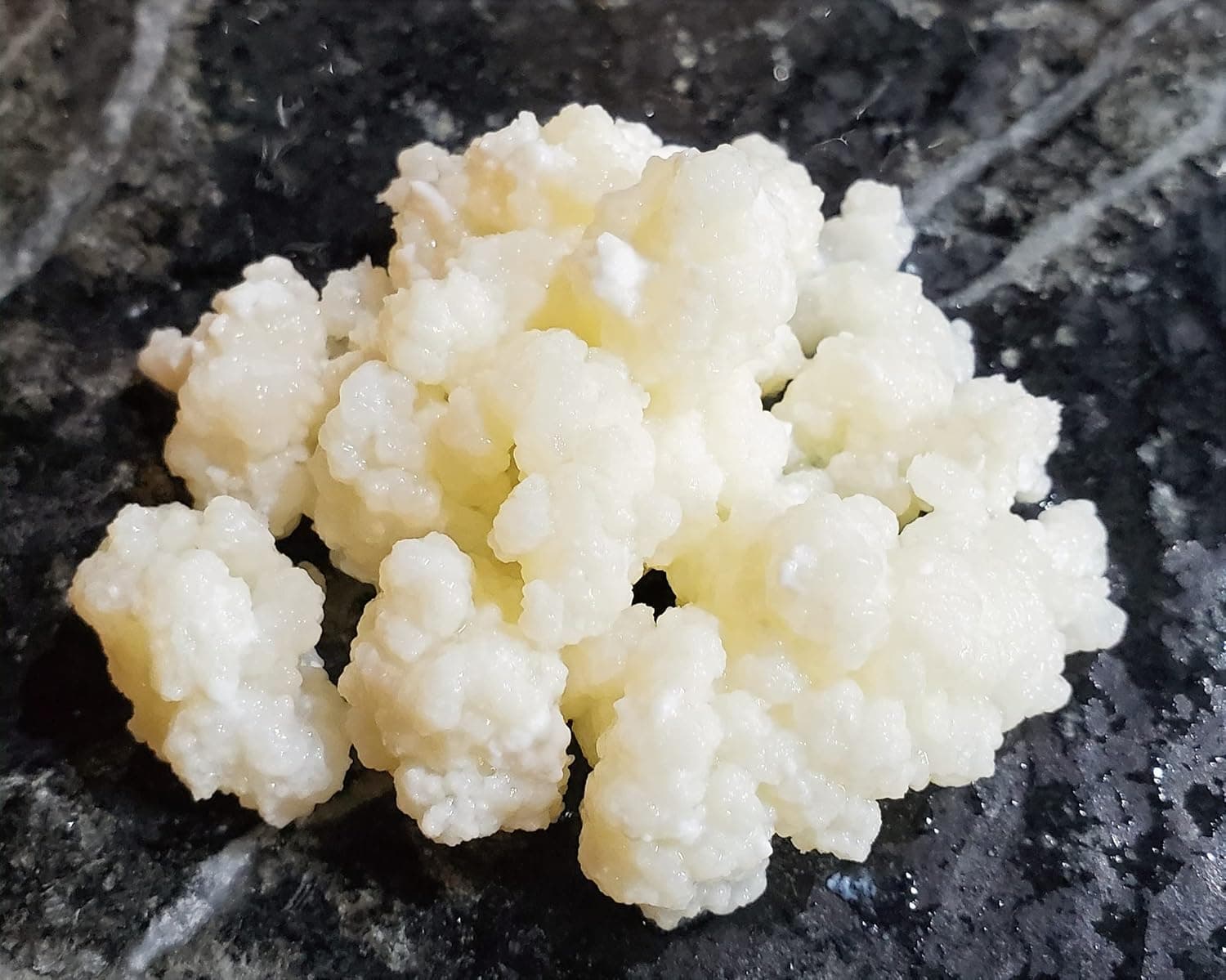
Milk kefir should be thick, smooth and pleasantly tangy, similar to drinkable yogurt. When you find a layer of clear or yellowish whey at the bottom of the jar and clumps of curd floating above, the kefir has fermented further than usual. Separation is not dangerous and the kefir is still usable, but it tastes sour and fizzy. Adjusting the balance between grains, milk, temperature and time brings back a creamy texture.
Why kefir separates
Kefir grains contain bacteria and yeasts that consume lactose and produce acid. As acidity rises, milk proteins coagulate into curds and squeeze out whey, just as they do in cheesemaking. Separation simply means the fermentation has gone past the smooth stage.
The most common causes are too many grains for the amount of milk, a warm kitchen that speeds fermentation, or leaving the jar for too long. Healthy grains multiply over time, so a ratio that worked well a month ago can suddenly become too strong.
Adjust the grain-to-milk ratio
A common starting point is about one tablespoon of grains per one to two cups of milk, but the right ratio depends on your grains and room temperature. If kefir separates within 24 hours, use more milk or fewer grains.
Remove extra grains as they grow and share them with friends, eat them, dehydrate them as a backup or rest them in fresh milk in the refrigerator. Keeping the grain quantity stable makes daily results far more predictable.
Manage temperature
Kefir ferments much faster in warm conditions. At around 68-72°F (20-22°C), many batches are ready in about 24 hours, but in hot summer kitchens they may be done in 12 hours or less.
Move the jar to a cooler spot away from appliances and sunlight, or ferment for a shorter time on warm days. In winter the opposite applies, and a slightly warmer spot keeps fermentation from stalling.
Check kefir earlier
Instead of following a fixed schedule, look for signs that kefir is ready: it thickens, coats the side of the jar and may show small pockets of whey starting to form. Strain at that point for the smoothest texture.
Tilting the jar gently shows how thick it has become. If it moves in one mass like loose yogurt, it is usually ready to strain.
Rescue a separated batch
Shake or whisk separated kefir to recombine the curds and whey, then strain out the grains with a plastic or stainless steel mesh strainer. The texture will be thinner and the flavour more sour, but it is still good for smoothies, baking and marinades.
If you prefer thick kefir, strain the curds through a cloth to make a soft kefir cheese and use the whey in smoothies or baking. Then return the grains to fresh milk with an adjusted ratio.
Try a second ferment
Many people ferment kefir for a shorter time with the grains, strain it before separation and then leave the strained kefir at room temperature for a few more hours. This second ferment thickens and mellows kefir without heavy separation.
Adding a strip of citrus peel or a little fruit during the second ferment changes flavour and can reduce sourness. Refrigerate once it tastes right.
Products from this article
The highest-scoring picks from the buying guides mentioned above. Scores are our editorial assessment, not customer ratings.
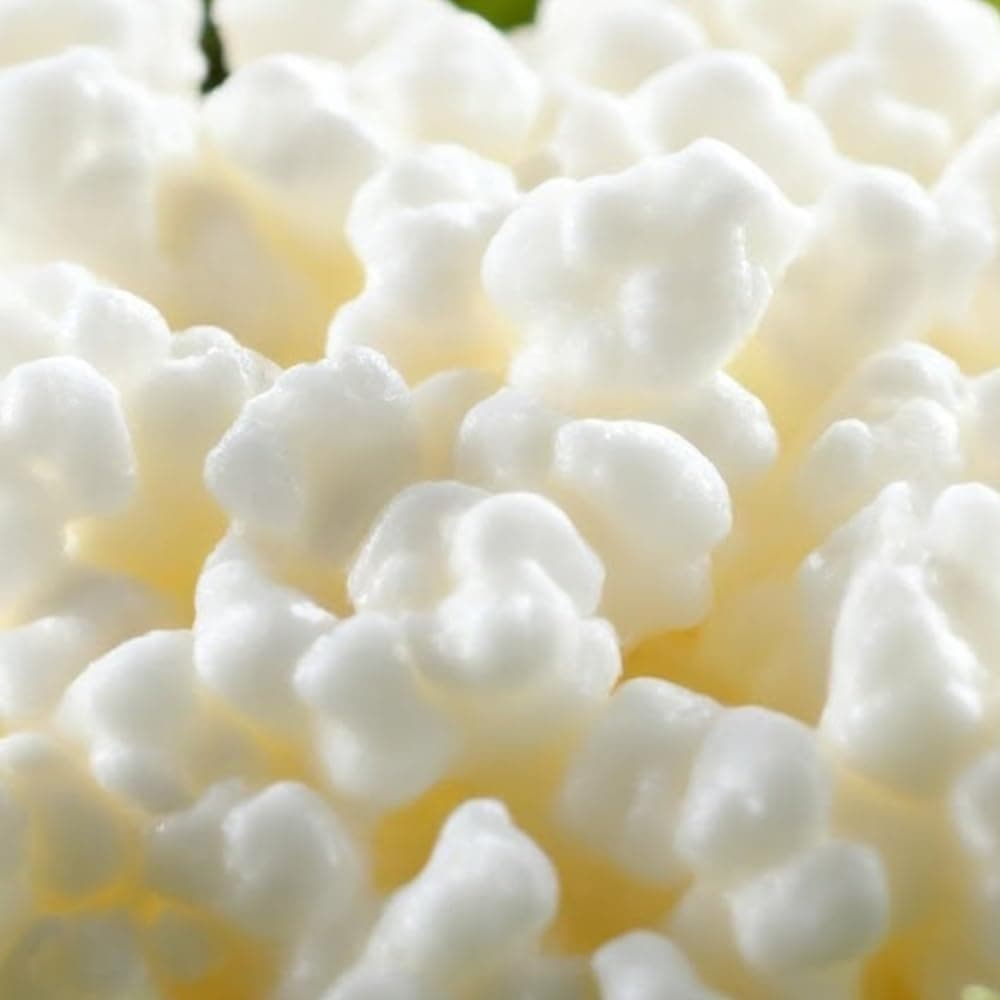
+ Shipped in Glass Jar protects the grains better than a plastic bag
From our guide: Best Milk Kefir Grains for Home Brewing
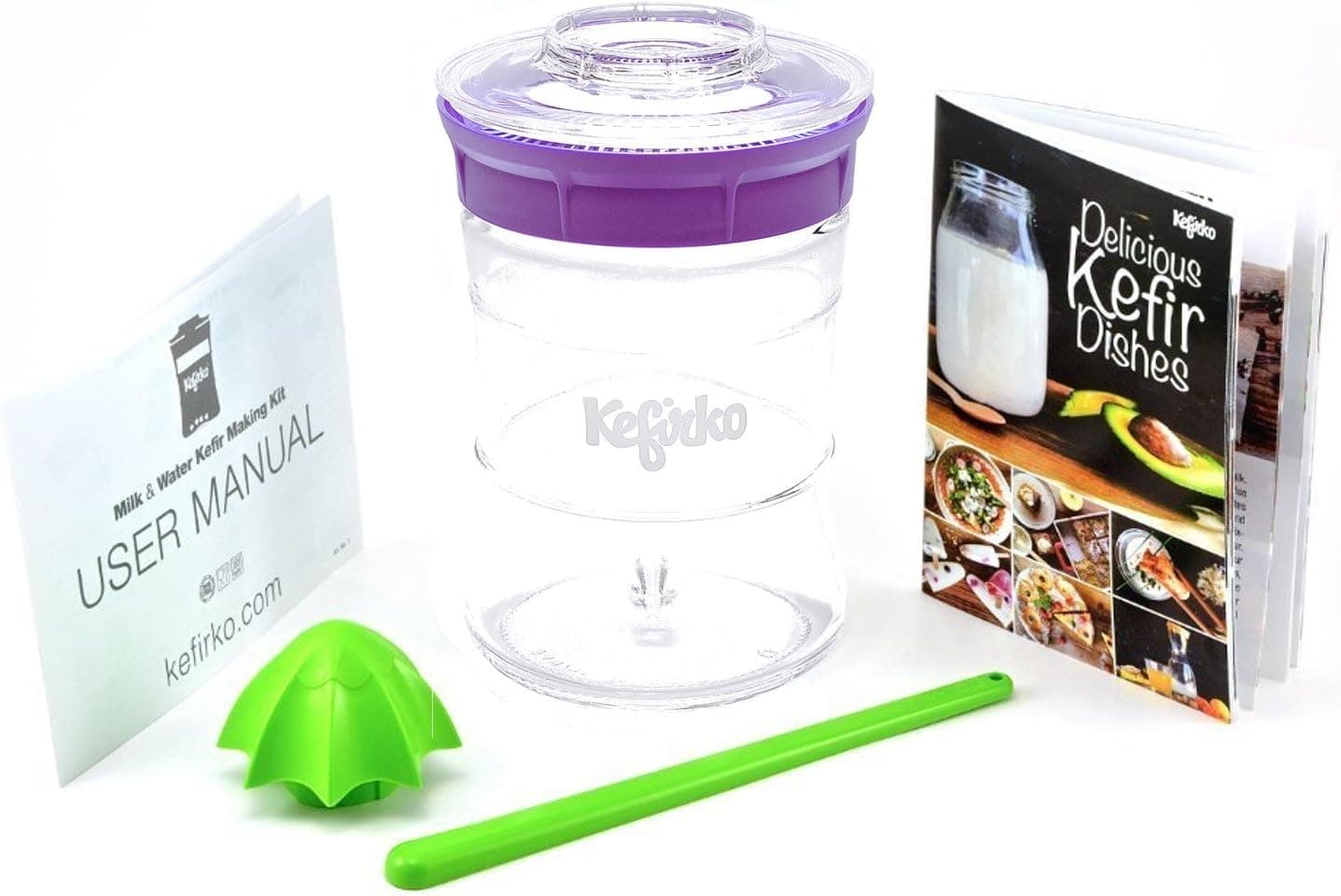
+ Built-in strainer system separates grains without a separate sieve
From our guide: Best Kefir Fermenters and Brewing Jars
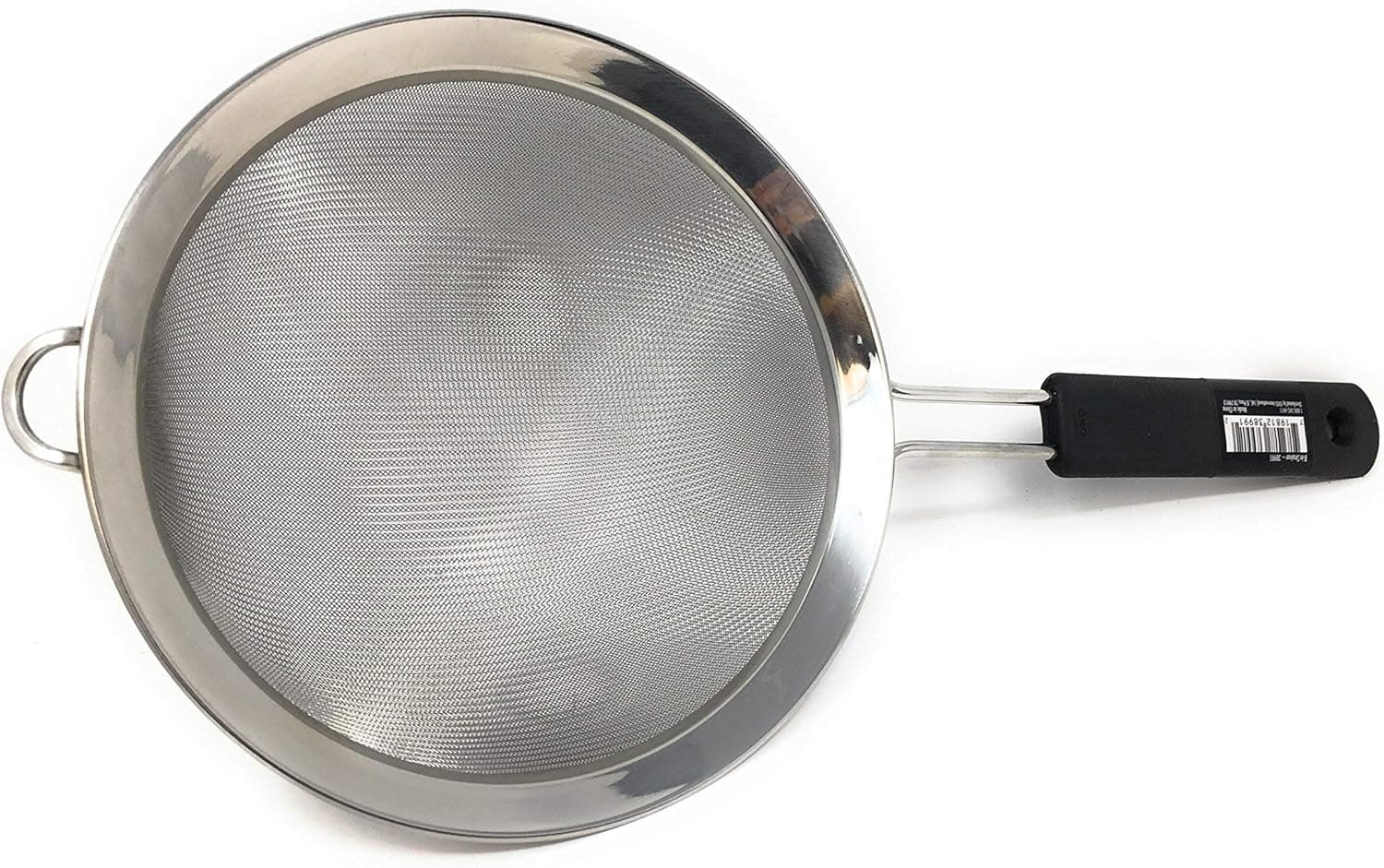
+ Double Rod frame keeps the mesh rigid when straining heavy yogurt
From our guide: The Best Fine Mesh Strainers for Fermentation
+ 1 TBSP of grains is more than typical teaspoon starters, so batches can be bigger
From our guide: Best Milk Kefir Grains for Home Brewing

Popular right now
- Brine Pickles or Vinegar PicklesArticle
- Lacto Fermented Hot Sauce From Fresh ChilliesArticle
- How Fermentation WorksArticle
- Fermented SalsaArticle
- Storing Finished Ferments So They Keep Their CharacterArticle
- Water Quality and Chlorine in Home FermentationArticle
Based on the last 28 days of search and visitor data.