How to Make a Ginger Bug: A Wild Starter for Homemade Soda
Published How we research
A ginger bug is a simple wild-fermented starter made from grated ginger, sugar and water. Within about a week it becomes bubbly and active, and you can use it to carbonate homemade sodas and ginger beer without commercial yeast. The idea is similar to a sourdough starter, but the food is sugar and the product is a fizzy drink. This guide explains how to start a ginger bug, how to feed it, how to tell it is ready, how to turn it into ginger beer and other sodas, and how to handle the pressure that builds in sealed bottles.
Products from this article
The highest-scoring picks from the buying guides this article links to. Scores are our editorial assessment, not customer ratings.
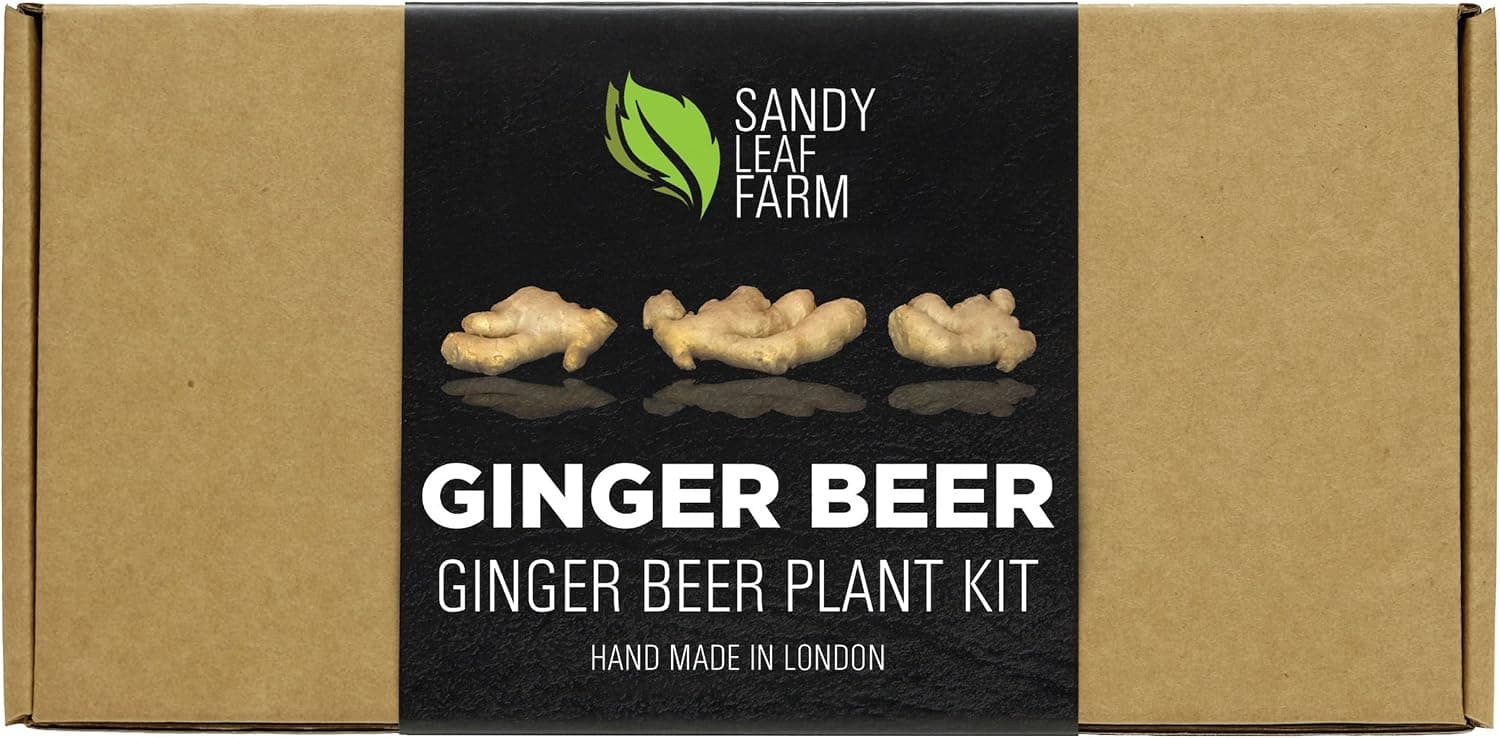
+ Authentic ginger beer plant is a true symbiotic culture, not just a yeast
From our guide: Best Ginger Beer Plants
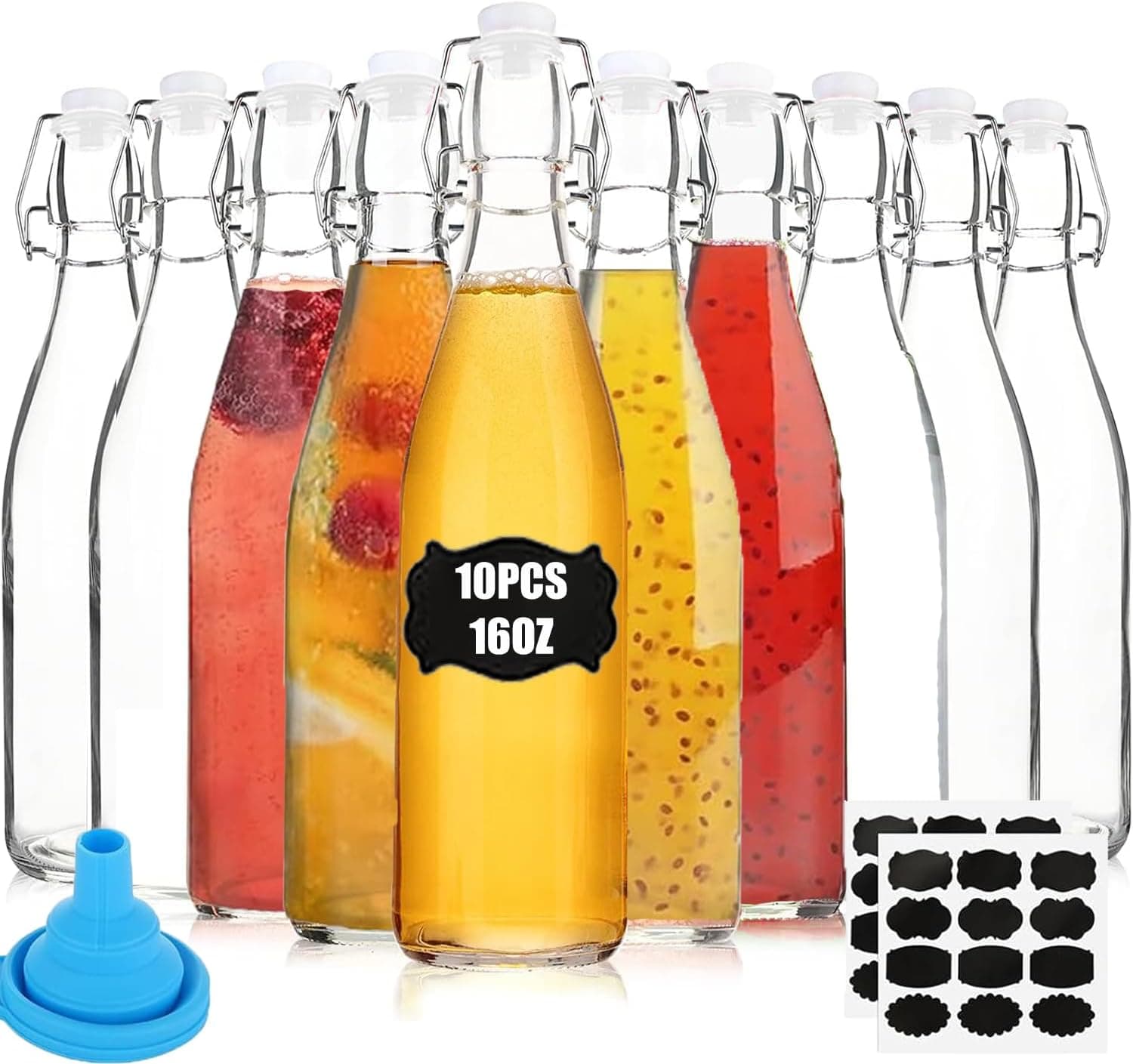
+ 10 Pack gives extra bottles beyond a single gallon batch
From our guide: The Best Swing Top Bottles for Kombucha and Fermented Drinks
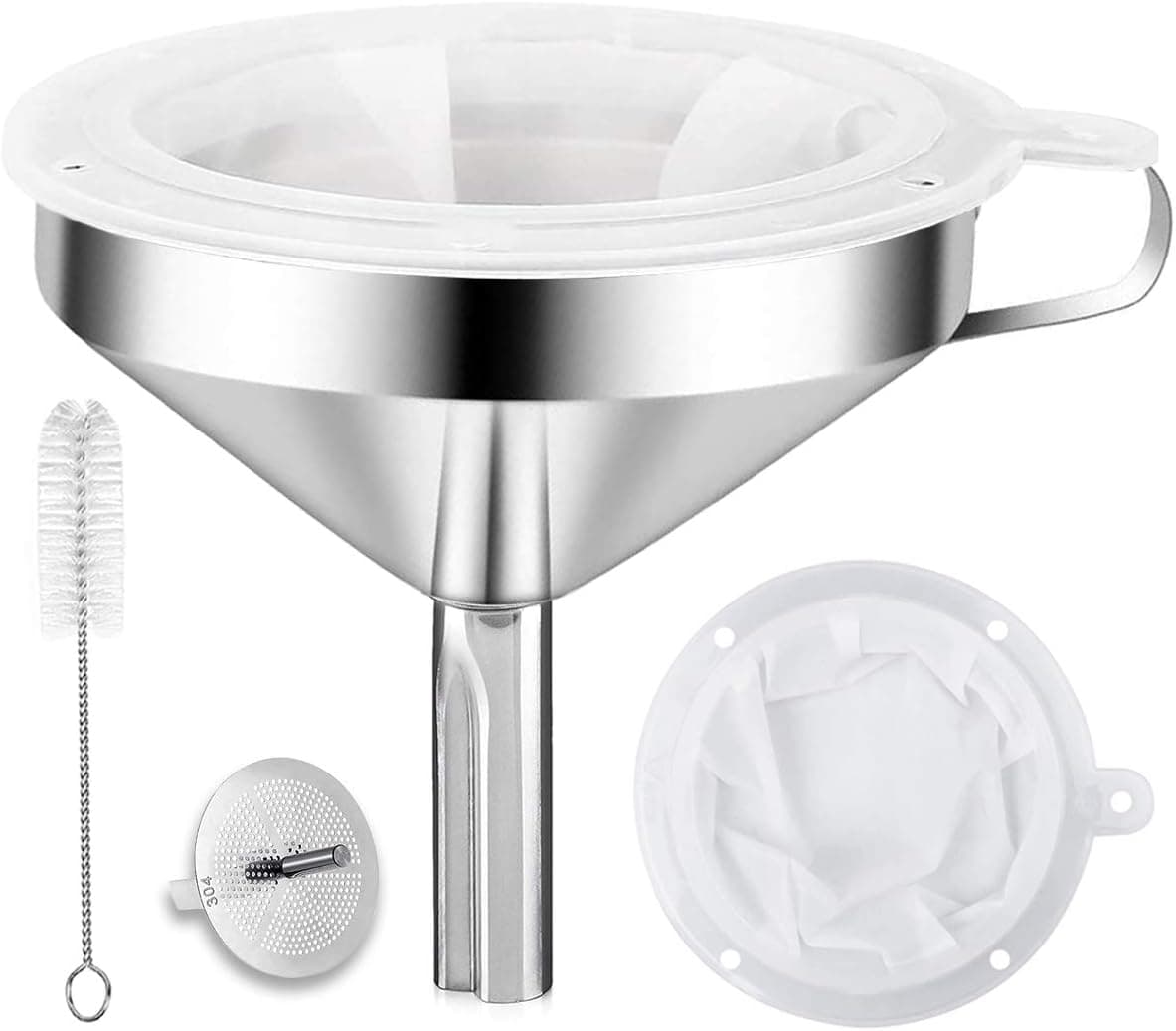
+ 200 Mesh filter removes fine sediment and yeast strands
From our guide: The Best Bottling Funnels for Fermented Drinks
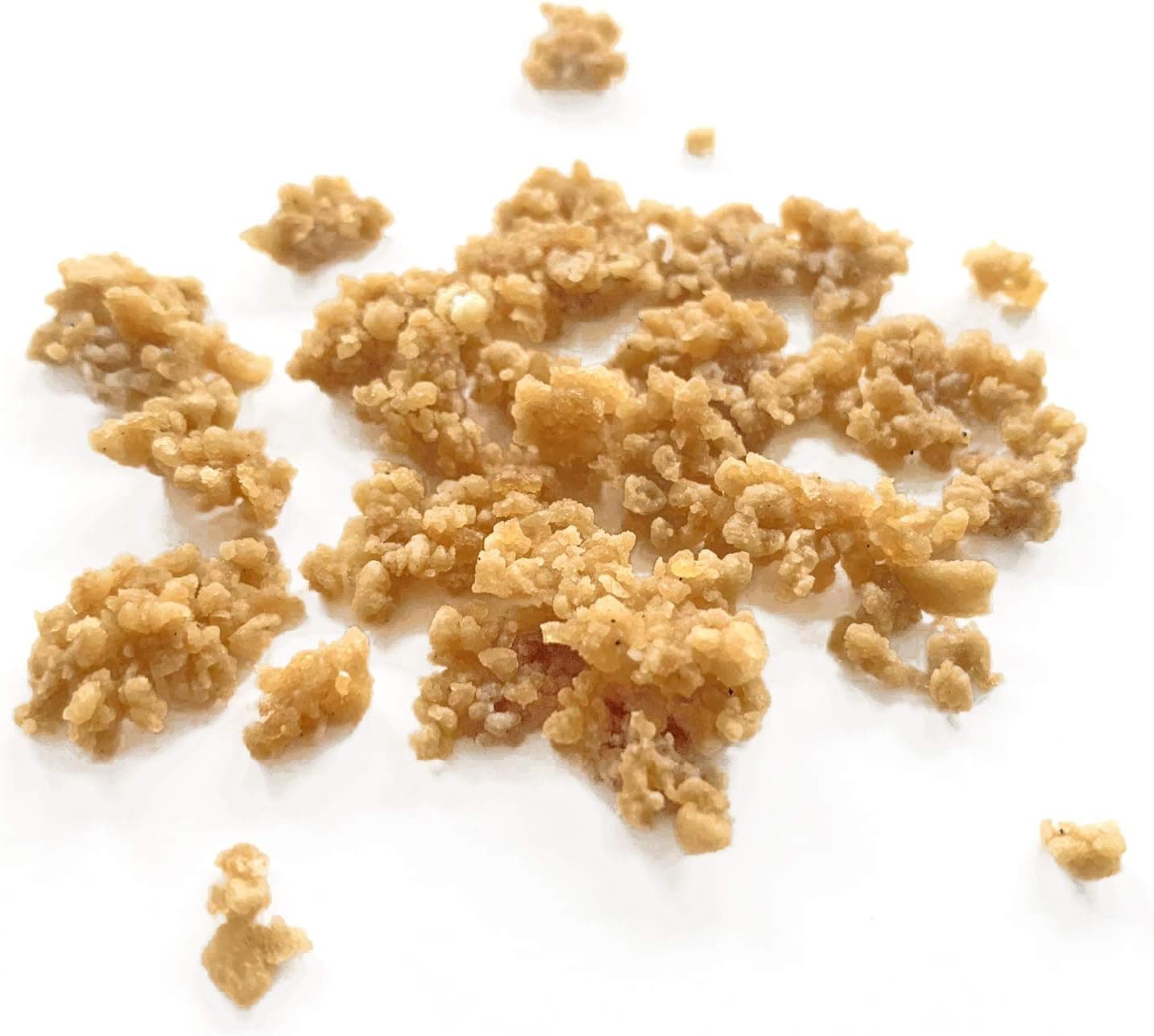
+ Root beer and ginger beer recipes give two soda styles to start with
From our guide: Best Ginger Beer Plants
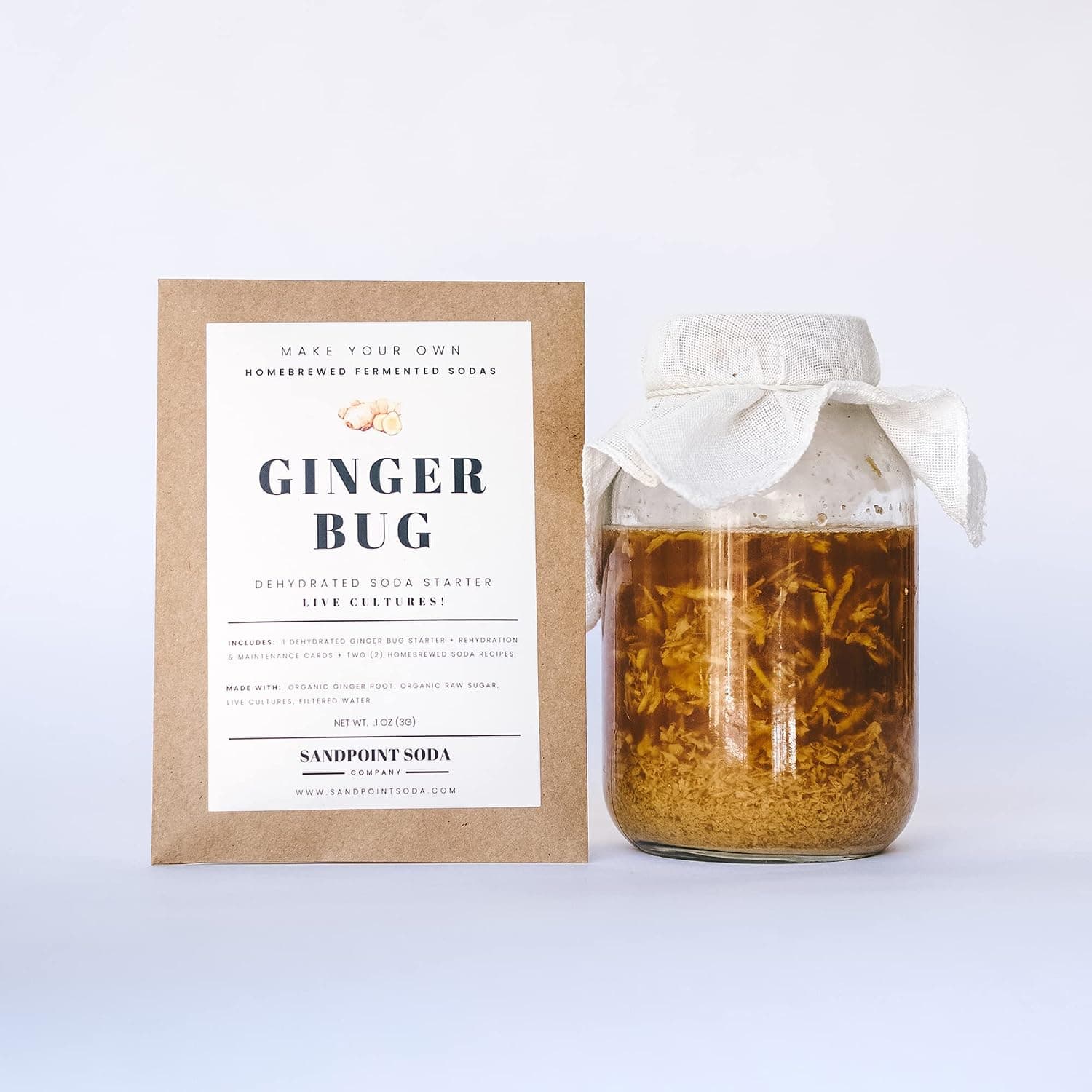
What a ginger bug is
A ginger bug is a jar of sweetened ginger water that has been colonized by wild yeast and bacteria, mainly from the skin of fresh ginger. The microbes feed on sugar and produce carbon dioxide and small amounts of alcohol and acids. When you add some of the liquid to a sweet drink and seal it in a bottle, the same activity produces natural carbonation.
The bug is a living culture that you maintain by feeding it. Unlike a kombucha SCOBY or kefir grains, it does not form a visible solid structure, so you judge it by bubbles, smell and fizz. Many people use the finished bug as a base for ginger beer, but it also works with fruit juices, herbal teas and other lightly sweetened liquids.
What you need
You need fresh ginger root, plain sugar, water and a clean glass jar with a cloth cover. Organic ginger is often recommended because it is less likely to have been treated in ways that affect wild microbes, and unpeeled ginger carries more of the natural yeast on its skin. Use water that is not heavily chlorinated, and avoid chlorinated tap water if possible by using filtered water or letting it sit out.
Regular white or cane sugar is the standard food. Some people use raw sugar or a little molasses, which can add flavor and minerals, but keep to the basic sugar until you are comfortable with how your bug behaves. A wide-mouth quart jar and a breathable cover such as a coffee filter and rubber band are all the equipment you need for the starting phase.
Day by day: starting the bug
On day one, grate about two tablespoons of fresh ginger, skin included, into the jar and add two tablespoons of sugar and one cup of water. Stir well, cover with a cloth and keep it in a warm spot, ideally around the 70s Fahrenheit, away from direct sunlight.
Each day for about a week, add one tablespoon of grated ginger and one tablespoon of sugar, and stir. By around day three to seven you should see small bubbles, a gentle fizzing sound when you stir and a pleasant yeasty, ginger smell. Cooler rooms slow the process, so be patient if your home is on the cold side. A heating mat or a warmer shelf can help, but check that the temperature does not climb too high.
How to tell it is ready
A ready ginger bug is visibly bubbly throughout, fizzes when stirred and smells fresh, gingery and slightly sweet-sour. The liquid may be cloudy, and a thin layer of sediment at the bottom is normal. Some people test activity by mixing a spoonful into sugar water and watching for bubbles within a day.
If nothing happens after about a week or ten days, check your ginger and water. Old ginger, very cold rooms, chlorinated water or insufficient sugar are the usual culprits. Try again with fresh ginger and filtered water. If you see fuzzy mold, a slimy texture or a foul smell, discard it and start over with a clean jar.
Making ginger beer or soda
To make ginger beer, simmer sliced fresh ginger in water for about 15 to 20 minutes, add sugar until dissolved and let it cool fully. Strain out the ginger, add some lemon or lime juice if you like, and stir in about a quarter cup of strained ginger bug liquid per quart. Heat above body temperature kills the yeast, so the mix must be cool before the bug goes in.
Pour the mixture into clean bottles made for carbonation, leaving about an inch of headspace, and seal them. Leave them at room temperature for one to three days, checking daily, and then refrigerate. Our ginger beer plant guide covers an alternative culture for those who prefer a different approach, and our swing-top bottle guide compares bottles suited to pressure.
Feeding and keeping your bug
To keep a ginger bug going, feed it a tablespoon each of ginger and sugar about once a day at room temperature. If you do not use it often, store it in the refrigerator and feed it about once a week. Bring it back to room temperature and feed it a day or two before you plan to make a batch of soda so that it is lively.
If you want to share or scale up, you can strain out some liquid and add fresh water and sugar to the remaining portion. Over time, the bug may become more sour or slow. Starting a fresh one is quick, so do not worry about keeping it forever. Keep a note of feeding dates so you can tell when it was last active.
Bottle safety and expectations
Sealed bottles can build significant pressure and in rare cases burst, so use sturdy bottles intended for carbonated drinks, never thin or cracked glass, and keep them away from your face when opening. Chill bottles before opening, and open them slowly over a sink. Keeping a test bottle made of plastic can help you gauge firmness by squeezing.
Naturally fermented sodas contain small amounts of alcohol, and the exact amount is hard to predict. They are not suited for children or anyone who avoids alcohol. Expect a less sweet, more complex flavor than commercial soda, and treat your first batches as experiments. Adjust sugar, ginger and time until you reach a fizz and flavor that you like.
Popular right now
- Brine Pickles or Vinegar PicklesArticle
- Water Quality and Chlorine in Home FermentationArticle
- The Best Vacuum Seal Bags for FermentationBuying guide
- Backslopping explainedGlossary
- Best Koji Starter SporesBuying guide
- Fermentation TemperatureArticle
Based on the last 28 days of search and visitor data.