How to Make Greek Yogurt at Home: Strain Regular Yogurt Until Thick
Published How we research
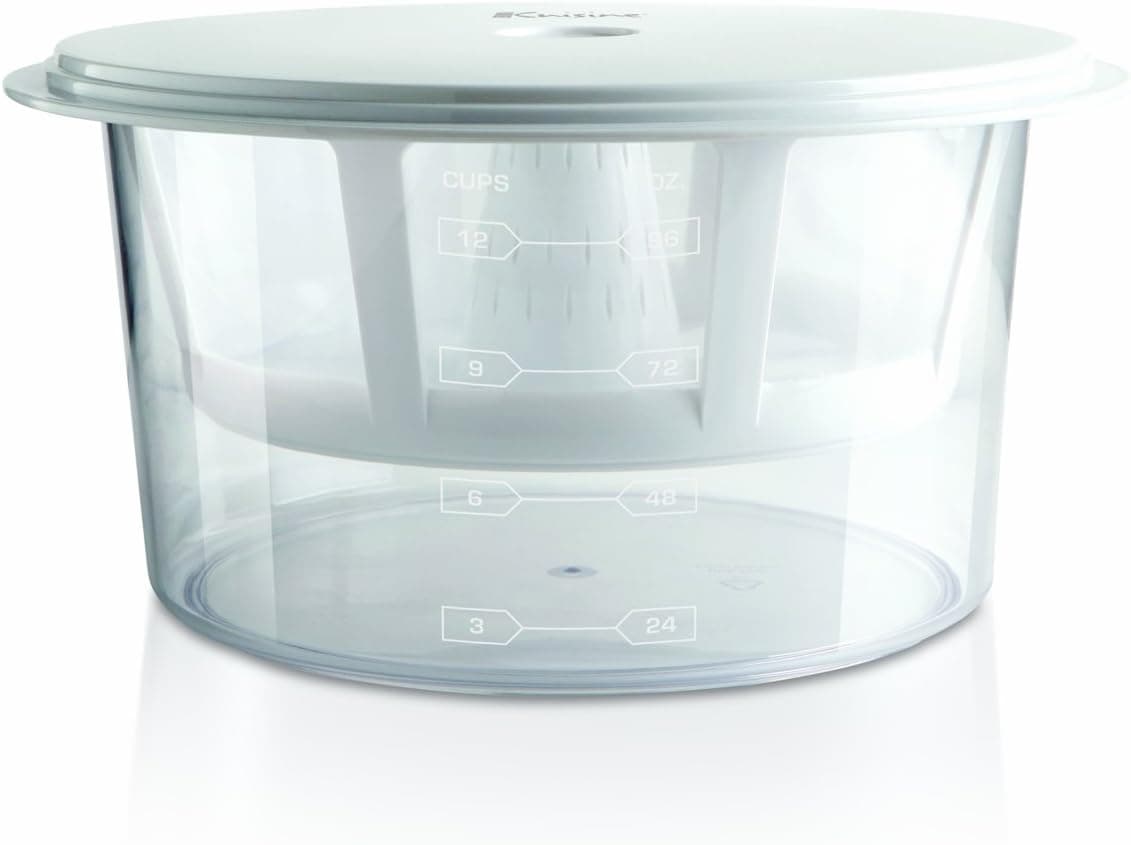
Greek yogurt is regular yogurt with much of the liquid whey strained out, which leaves a thicker, creamier and tangier product. You do not need special culture or equipment to make it. If you can make or buy plain yogurt, you can turn it into Greek style with a strainer, a cloth and a few hours in the refrigerator. This guide explains the simple straining method, how long to drain for different textures, what to do with the leftover whey, which tools help, and how to store the finished yogurt safely.
Products from this article
The highest-scoring picks from the buying guides this article links to. Scores are our editorial assessment, not customer ratings.
+ Stainless Steel mesh basket is durable and easy to rinse
From our guide: Best Greek Yogurt Strainers
+ Automatic Cooling stops fermentation so yogurt does not over-sour
From our guide: Best Yogurt Makers for Home Use
+ 16 Pack keeps a frequent yogurt maker stocked for months
From our guide: Best Yogurt Starter Cultures
+ Double Rod frame keeps the mesh rigid when straining heavy yogurt
From our guide: The Best Fine Mesh Strainers for Fermentation
What makes yogurt Greek
Regular yogurt is milk that has been cultured by lactic acid bacteria until the proteins form a soft gel. It holds a fair amount of liquid whey. Greek-style yogurt removes a good portion of that whey, so the milk solids and proteins are more concentrated. The result is thicker and a bit more sour, and it feels richer in the mouth even without added cream.
Straining at home is the traditional approach. Some commercial products reach a similar thickness by other means, such as adding milk proteins, but a home strained yogurt usually contains only milk and cultures. The longer you strain, the thicker it gets, and the less volume you end up with.
What you need
Start with plain yogurt that is not sweetened and does not contain gelatin, starch or other thickeners, because added ingredients can clog a strainer or change the texture. Whole milk yogurt gives a creamier result, though low-fat versions work too. Homemade yogurt works well, and our guides to yogurt makers and starter cultures explain how to produce a good base.
For straining, you can use a fine mesh strainer lined with cheesecloth, a clean thin cotton dish towel, a nut milk bag, a coffee filter or a purpose-built Greek yogurt strainer. You also need a bowl to catch the whey and space in the refrigerator. Our Greek yogurt strainers guide and fine mesh strainers guide compare reusable tools.
The straining method step by step
Set the strainer over a bowl so the bottom does not touch the liquid that collects. Line it with a double layer of damp cheesecloth or a clean cloth. Spoon in the yogurt, spreading it evenly, and cover the whole setup with a lid or plastic wrap. Place it in the refrigerator, not on the counter, so the yogurt stays safely cold while it drains.
Check after about two hours. At this point the yogurt is thicker than regular and has a lightly Greek texture. After four to six hours it is typically thick and creamy, and at overnight it can reach something like soft cheese. Times vary with the yogurt you start with, so check regularly and stop when you like the texture.
How long to strain for different uses
For breakfast bowls and smoothies, a shorter strain of one to three hours is often enough. For dips, spreads and tzatziki, longer straining of around four to eight hours gives a thicker base that does not become watery when mixed with cucumbers or herbs. Very long straining produces a thick spread, often called labneh when salted, that can be rolled into balls and stored in oil.
If your yogurt turns out too thick, stir in a spoonful of the whey or a little milk to loosen it. If it is not thick enough, return it to the strainer. This flexibility is one of the main advantages of straining at home, because you control the texture instead of settling for whatever is in the tub.
What to do with the leftover whey
The liquid that drains off is acid whey, and it is not waste. It can replace water or milk in pancakes, bread dough, soups and smoothies, add tang to marinades, or be used for soaking grains. Some fermenters add a splash to vegetable ferments as a starter, though it works best with recipes that tolerate the extra acidity.
Keep whey in a clean, covered jar in the refrigerator and use it within about a week. Avoid pouring large amounts down the drain often, since it is high in organic matter. If the whey smells foul or shows mold, discard it. Taste and smell are your best guides, because homemade dairy has no printed expiry date.
Storage and food safety
Store the finished Greek yogurt in a clean airtight container in the refrigerator. It generally keeps for about a week or so, and sometimes longer, but its quality drops over time and the sourness increases. Use clean spoons every time you scoop, because introducing other food particles speeds spoilage.
Wash cloths and strainers promptly with hot water and soap, and let them dry fully before storing, since damp fabric can grow mold. Discard yogurt with pink, orange or fuzzy mold, or one with an off, rotten smell. Anyone with a dairy allergy should avoid it entirely, and pregnant people or those with weakened immune systems should follow their doctor's advice on homemade dairy products.
Using Greek yogurt in recipes
Homemade Greek yogurt works in place of sour cream in dips and baked potatoes, as a base for salad dressings, in marinades for chicken or lamb, and in cakes or muffins where it adds moisture. Because it is thick and tangy, it also pairs well with fruit, nuts and honey for a quick dessert or breakfast.
When cooking with it, add it at the end or keep the heat low, because high heat can cause it to curdle. Stir a spoonful of the hot dish into the yogurt first to warm it gently before mixing it in. A little experimentation will show you what thickness suits the recipes you make most often.
Popular right now
- Brine Pickles or Vinegar PicklesArticle
- Water Quality and Chlorine in Home FermentationArticle
- The Best Vacuum Seal Bags for FermentationBuying guide
- Backslopping explainedGlossary
- Best Koji Starter SporesBuying guide
- Fermentation TemperatureArticle
Based on the last 28 days of search and visitor data.