Making Kimchi at Home Without Special Equipment
Published How we research
Salt napa cabbage until it wilts, either by layering with coarse salt or soaking in a 5-8 percent brine for two to four hours, then rinse and drain thoroughly. Build a paste from gochugaru, garlic, ginger, and a savory element like fish sauce, often thickened with rice porridge and sweetened with pear. Combine paste and cabbage with gloved hands, fold in extras like radish and spring onion, then pack tightly into a jar with headspace. Ferment one to five days at room temperature, tasting daily, then refrigerate once it reaches the sourness you like. Kimchi looks intimidating because the ingredient lists are long, but the structure is straightforward. You salt cabbage until it wilts and gives up water, you make a seasoning paste, you combine the two, and you let it ferment. Every regional variation and family recipe is a change to the paste, not to the method. Once you have made a basic napa cabbage kimchi you can adjust it endlessly, and none of it requires equipment beyond a large bowl, a jar and a colander.
Products from this article
The highest-scoring picks from the buying guides this article links to. Scores are our editorial assessment, not customer ratings.
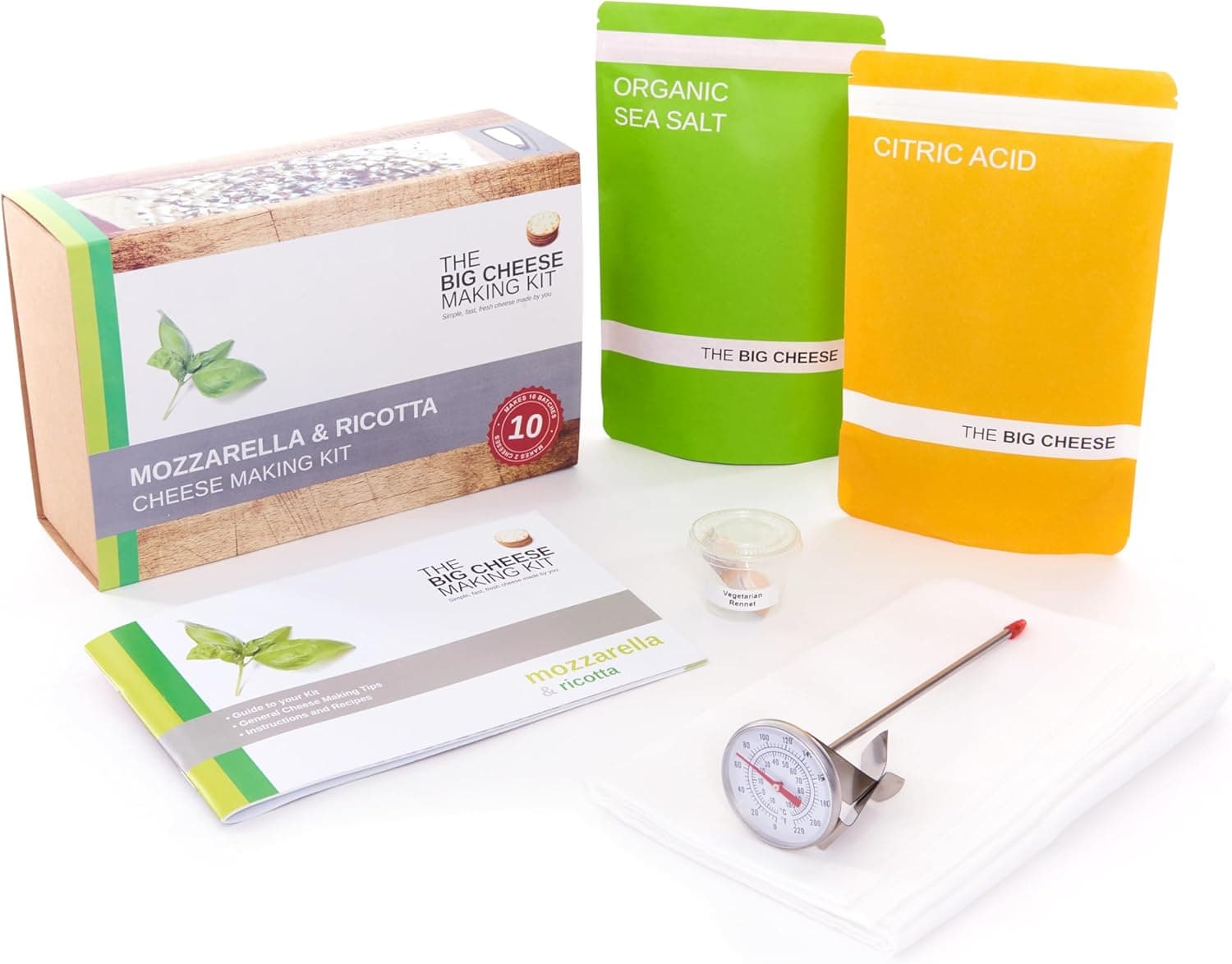
+ 10 Cheeses give variety beyond basic mozzarella
From our guide: Best Cheese Making Kits for Beginners
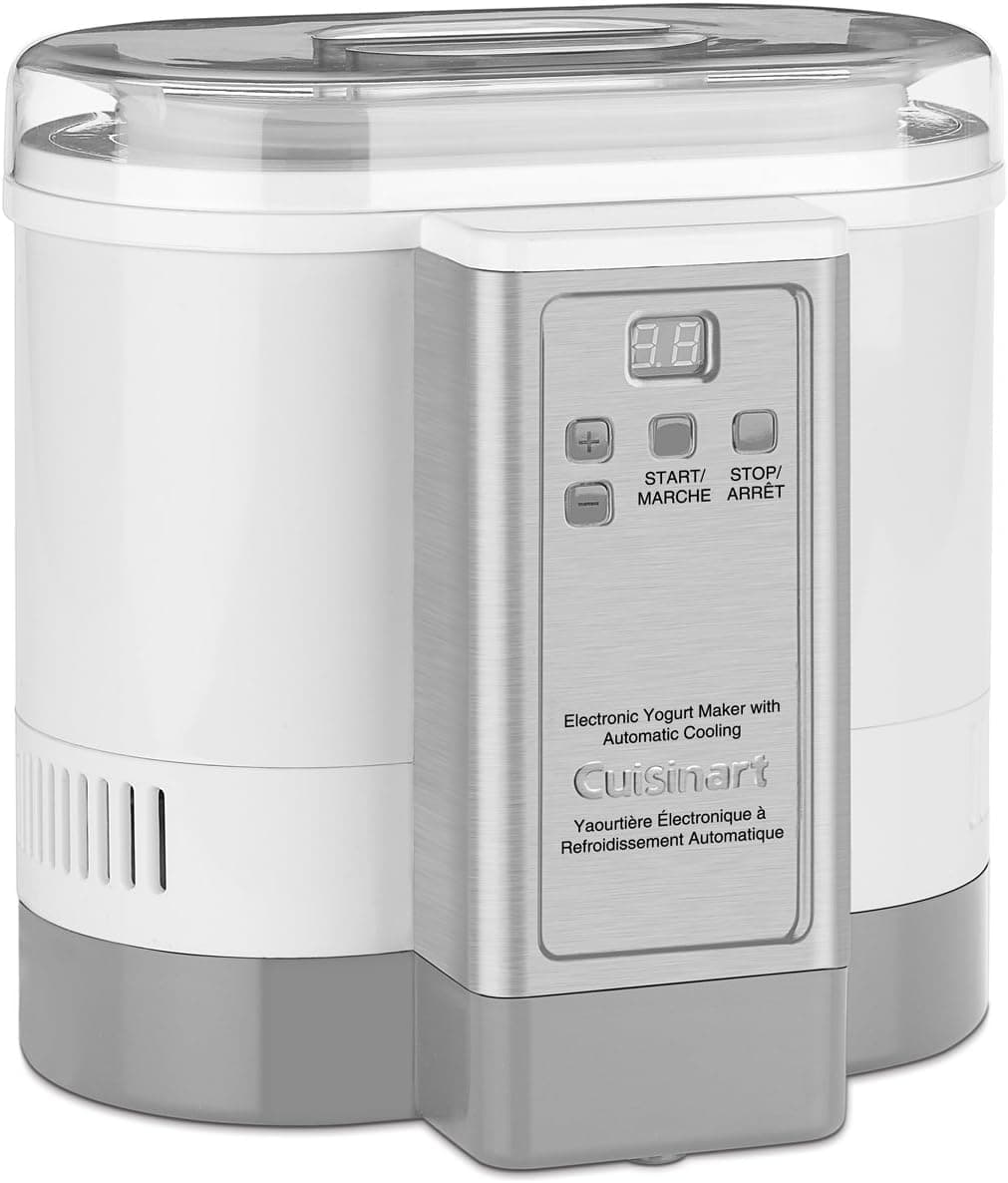
+ Automatic Cooling stops fermentation so yogurt does not over-sour
From our guide: Best Yogurt Makers for Home Use
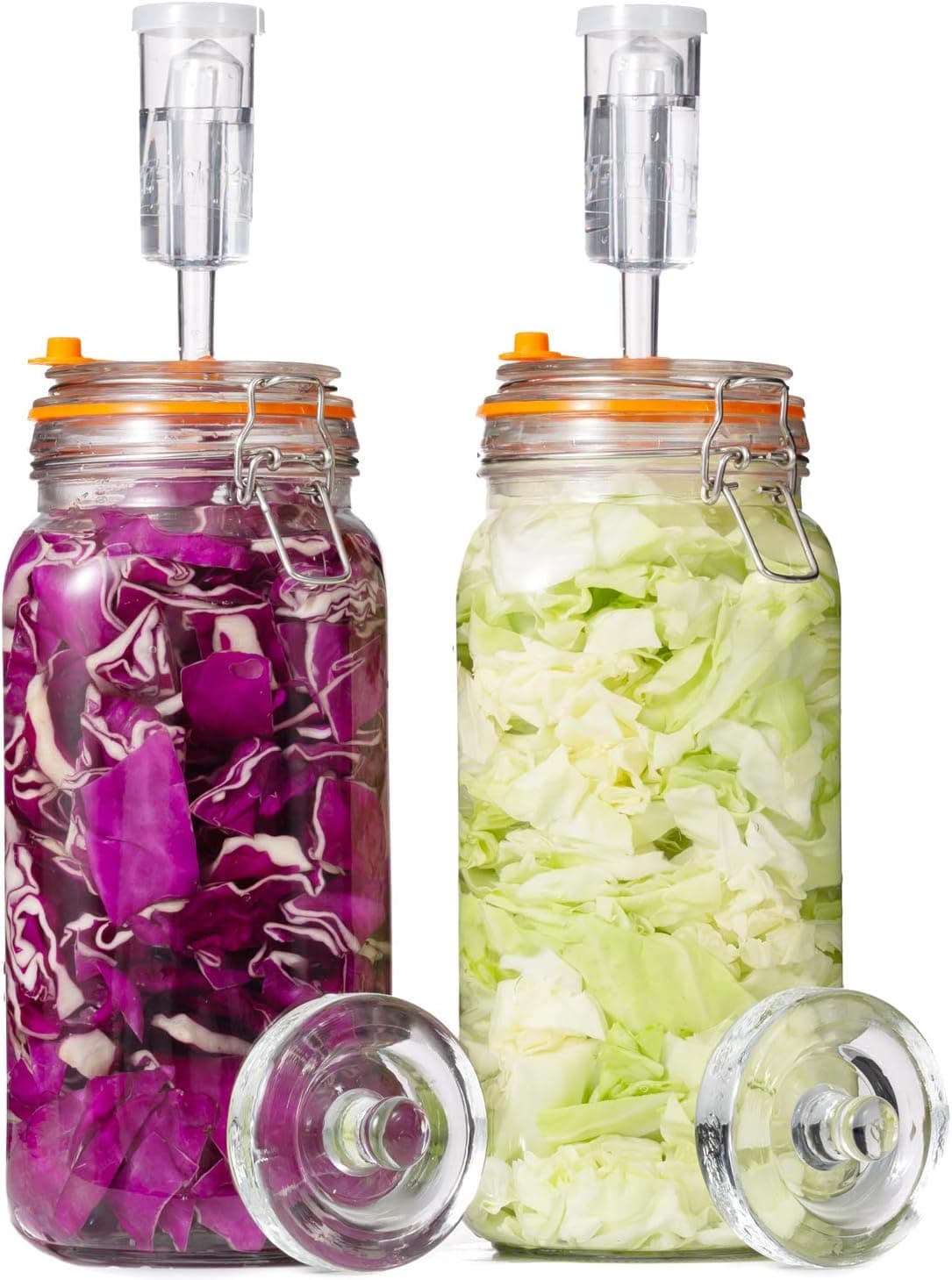
+ Clear glass lets you check brine level and color without opening the jar
From our guide: Best Fermenting Equipment for Beginners
+ Vegetarian Rennet suits households avoiding animal-based rennet
From our guide: Best Cheese Making Kits for Beginners


Start by salting the napa cabbage
Start with napa cabbage, sometimes sold as Chinese leaf. Cut it lengthwise into quarters and then into pieces roughly the size of a large bite, or leave the quarters whole if you prefer the traditional presentation. The salting step draws out water so the leaves become flexible and the finished kimchi is not diluted. Two approaches work. You can layer the pieces with coarse salt, or you can soak them in a strong brine of around 5 to 8 percent for two to four hours. Either way, turn the cabbage occasionally, and stop when a thick stem piece bends without snapping.
Rinse and drain thoroughly, then taste
Rinse the salted cabbage well in cold water, then drain it thoroughly in a colander for at least twenty minutes. Rinsing removes the excess surface salt, and draining prevents a watery final product. Taste a piece. It should be pleasantly seasoned, similar to a well salted soup. If it is aggressively salty, rinse once more. If it tastes of nothing, the kimchi will end up bland and may ferment sluggishly, so a light extra sprinkle of salt into the paste can correct it.
The paste is where the character lives
The paste is where the character lives. A common base is Korean chilli flakes known as gochugaru, garlic, ginger, and a savoury element such as fish sauce or salted shrimp. Many recipes add a cooked rice flour porridge, which thickens the paste and gives the bacteria easy sugars to work on. Grated Asian pear or apple adds sweetness. For a vegan version, replace the fish sauce with soy sauce, miso, or a broth made from dried kelp and shiitake, and expect a slightly different but still deeply savoury result. Mix the paste until it is smooth and spreadable.
Combine, pack, and leave headspace
Combine paste and cabbage with gloved hands, coating every piece, and fold in the extras you want, commonly spring onion, Korean radish cut into batons, or carrot. Pack the mixture into a jar, pressing firmly so brine rises and air pockets collapse. Leave several centimetres of headspace, because kimchi is an energetic ferment. Stand the jar on a plate and either use an airlock lid or open it briefly each day to release pressure. Cool room temperature is ideal.
Ferment, taste daily, then refrigerate
Ferment for one to five days at room temperature depending on how warm your kitchen is and how sour you want it. Taste daily with a clean utensil. Young kimchi is fresh, crunchy and lightly tangy. As it develops it becomes more sour, more complex and slightly effervescent. When it reaches a point you like, move it to the refrigerator, where fermentation slows to a crawl but never fully stops. Kimchi keeps for months and gets progressively more sour, which is why older kimchi is prized for cooking into stews, pancakes and fried rice rather than being eaten fresh.
Frequently asked questions
How long should cabbage be salted before making kimchi? Two to four hours in a 5 to 8 percent brine, or layered with coarse salt and turned occasionally, until a thick stem piece bends without snapping.
What ingredients go into traditional kimchi paste? Korean chilli flakes (gochugaru), garlic, ginger, and a savory element such as fish sauce or salted shrimp, often thickened with a cooked rice flour porridge and sweetened with grated pear or apple.
How long does homemade kimchi need to ferment? One to five days at room temperature depending on kitchen warmth and desired sourness, tasting daily before moving it to the refrigerator once it reaches the flavor you like.
Can I make vegan kimchi without fish sauce? Yes, replace the fish sauce with soy sauce, miso, or a broth made from dried kelp and shiitake for a still deeply savory result.
Popular right now
- Brine Pickles or Vinegar PicklesArticle
- Water Quality and Chlorine in Home FermentationArticle
- The Best Vacuum Seal Bags for FermentationBuying guide
- Backslopping explainedGlossary
- Best Koji Starter SporesBuying guide
- Fermentation TemperatureArticle
Based on the last 28 days of search and visitor data.