What to Do When Sauerkraut Does Not Make Enough Brine
Published How we research
Sauerkraut depends on cabbage releasing its own juice when mixed with salt, creating a brine that keeps the vegetables under liquid while lactic acid bacteria do their work. Sometimes the cabbage stays stubbornly dry, or brine levels drop after a few days, leaving shreds exposed to air where mould and yeast can grow. The fix depends on whether the problem is the cabbage, the technique or evaporation.
Why cabbage stays dry
Fresh, heavy heads of cabbage release plenty of juice, while older cabbage that has been stored for weeks or months can be dry and produce very little. Late-season storage cabbage and cabbage with loose, light heads are common culprits.
Shredding too thickly and not salting enough also reduce the amount of liquid drawn out. Salt pulls water from cells through osmosis, so accurate salting is essential for both brine and safety.
Weigh salt and massage well
Weigh the shredded cabbage and use salt at around 2% of its weight, a common ratio for sauerkraut. Measuring by weight rather than spoons gives consistent results, since salt crystal sizes vary widely.
Massage and squeeze the salted cabbage firmly for several minutes until it softens and liquid pools in the bowl. Letting it rest for 20-30 minutes, then massaging again, often releases much more brine.
Pack tightly
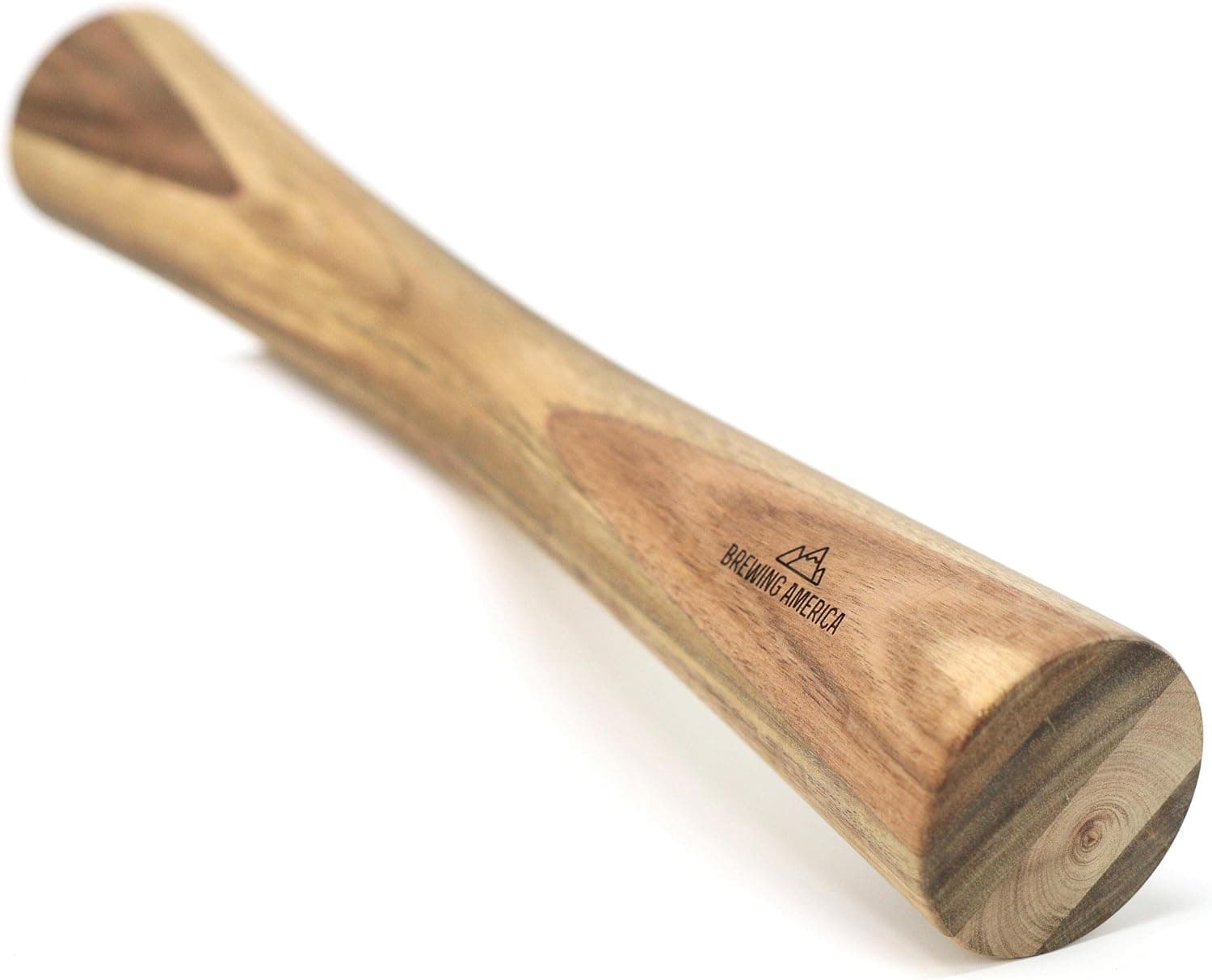
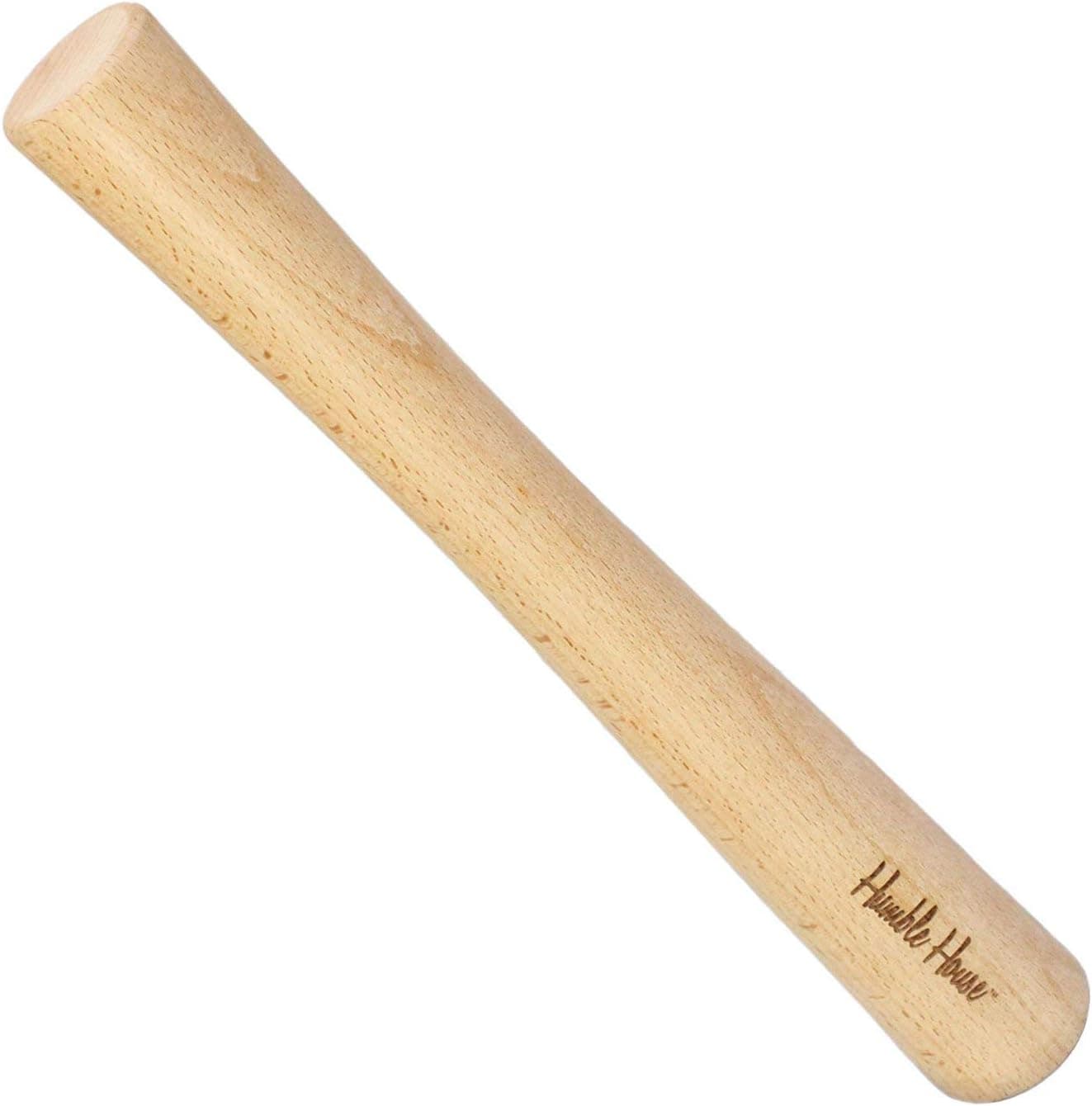
Pack cabbage into the jar or crock in layers, pressing each layer down hard with a pounder or your fist. Firm packing removes air pockets and pushes brine up above the cabbage.
Leave space at the top of the jar for weights and expansion. Fermenting vegetables often rise and push brine higher in the first few days.
Top up with extra brine
If the cabbage is still not covered after packing and resting, add a salt water brine. A 2% brine can be made by dissolving about 20 grams of salt in one litre of non-chlorinated water.
Pour just enough brine to cover the cabbage by at least a centimetre. Using brine at the same salt percentage keeps the ferment balanced rather than diluting it with plain water.
Use weights and airlocks
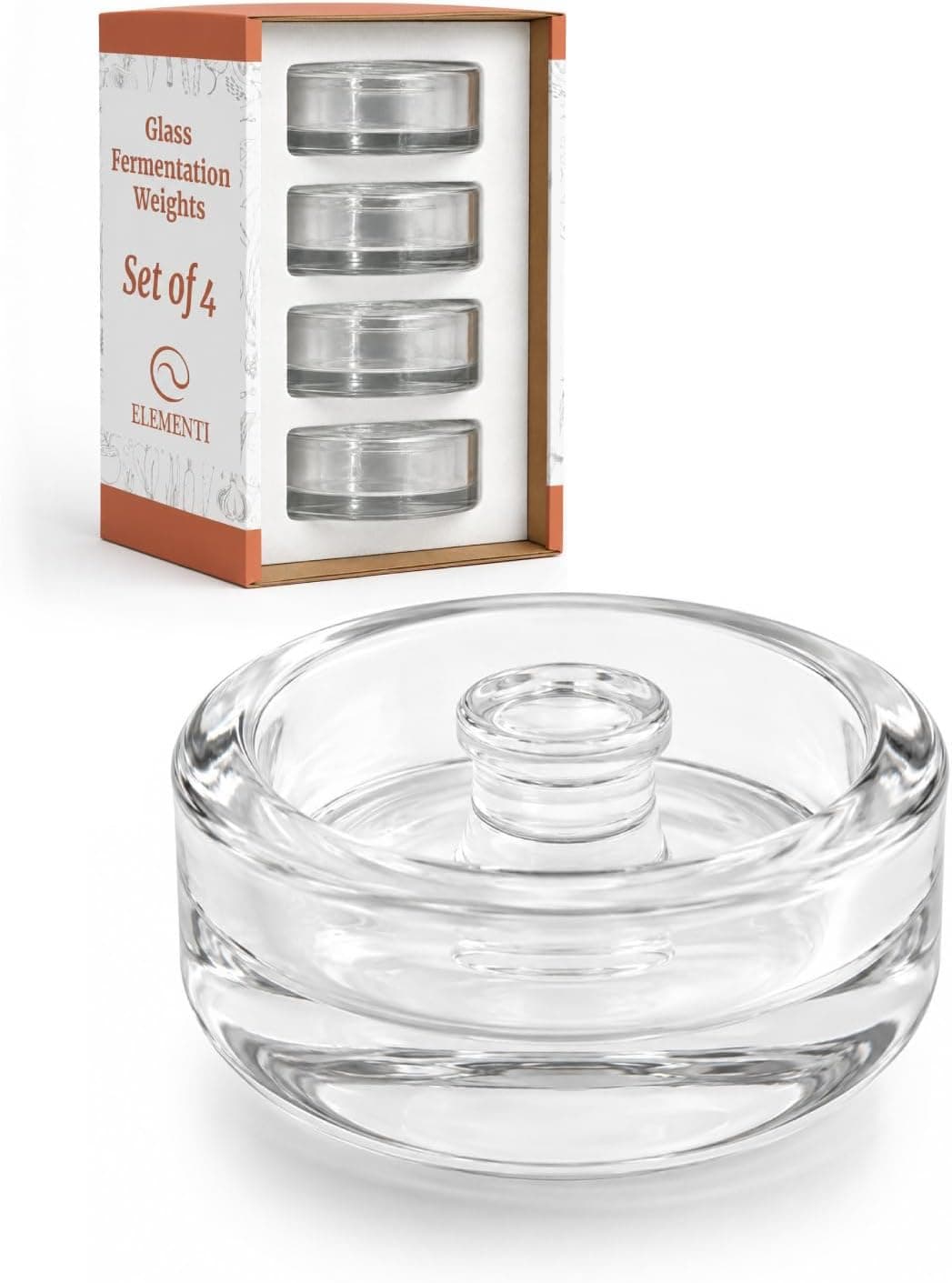
Glass fermentation weights, a small plate or a zip-top bag filled with brine keep cabbage pressed below the liquid. Remove any floating bits of cabbage or spices that rise to the surface.
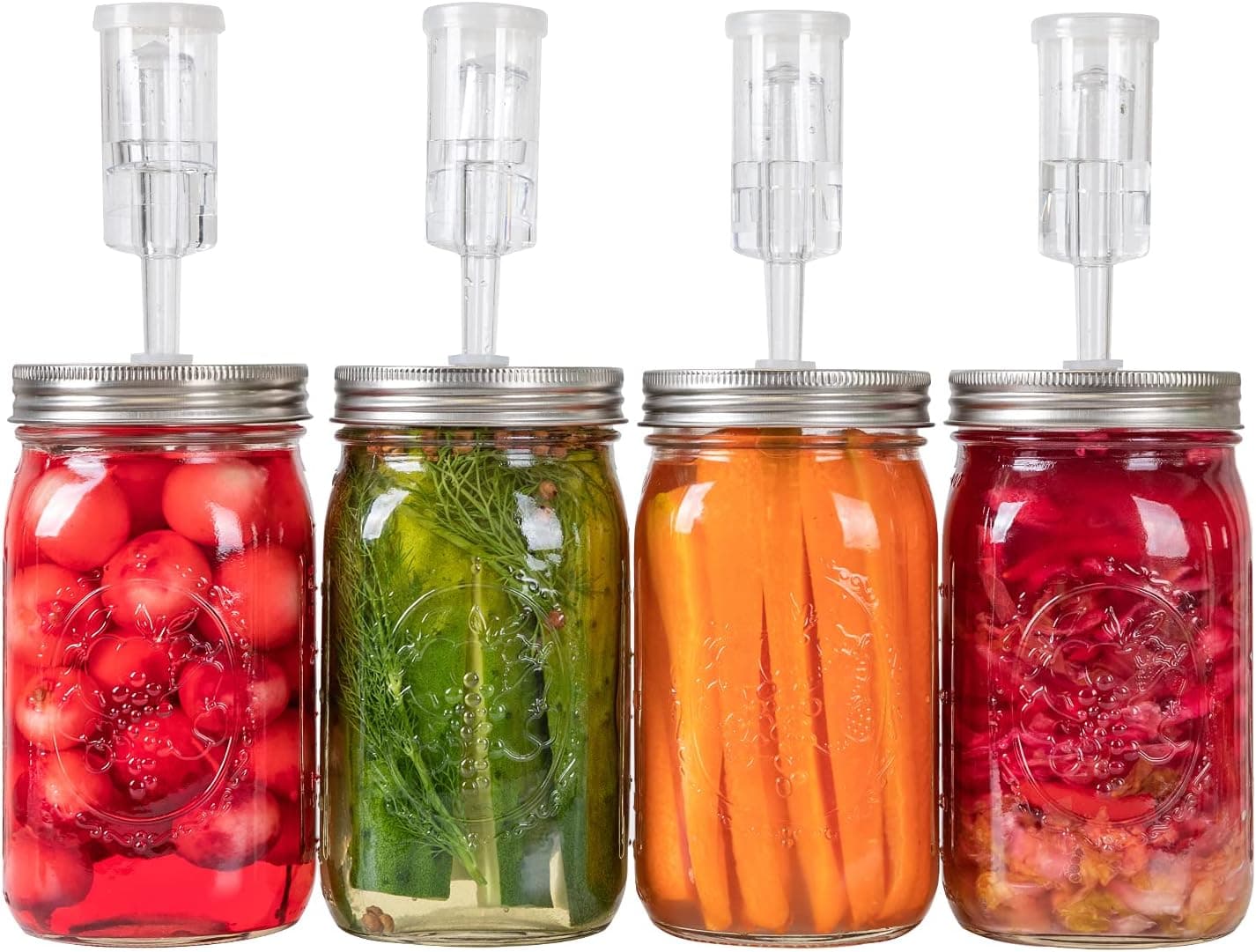
Airlock lids reduce evaporation and let gas escape while limiting air exposure. They make long ferments in warm kitchens far more reliable.
Watch levels during fermentation
Brine can drop as cabbage absorbs liquid or as bubbles escape. Check the ferment every day or two and press the cabbage back down if needed.
White film on the surface is usually kahm yeast, which can be skimmed. Fuzzy, coloured mould on exposed cabbage is a sign to discard the batch, so keeping everything submerged is the best prevention.
Products from this article
The highest-scoring picks from the buying guides mentioned above. Scores are our editorial assessment, not customer ratings.
+ German Beech Wood is a dense hardwood that stands up to hard pounding
From our guide: Best Sauerkraut Pounders and Cabbage Tampers
+ Easy grip design lets you lift the weight out without fishing with fingers
From our guide: Best Fermentation Weights
+ Stainless steel lids will not rust or warp like painted tin mason lids
From our guide: Best Airlock Lids
+ 12 inches of length reaches the bottom of half gallon mason jars
From our guide: Best Sauerkraut Pounders and Cabbage Tampers
Popular right now
- Brine Pickles or Vinegar PicklesArticle
- Lacto Fermented Hot Sauce From Fresh ChilliesArticle
- How Fermentation WorksArticle
- Fermented SalsaArticle
- Storing Finished Ferments So They Keep Their CharacterArticle
- Water Quality and Chlorine in Home FermentationArticle
Based on the last 28 days of search and visitor data.