Can Kombucha Go Bad? How to Tell and How Long It Keeps
Published How we research
Kombucha is acidic and full of live microbes, which makes it fairly resistant to spoilage, but it can still go bad, and it certainly changes over time. Most of the time, odd-looking sediment or extra sourness is simply the culture doing what it does. Real problems, such as mold on the surface, are easier to recognize once you know what to look for. This guide explains how to separate normal changes from warning signs, how long store-bought and homemade kombucha usually keep, how to store it, and when you should pour it out rather than take a chance.
Products from this article
The highest-scoring picks from the buying guides this article links to. Scores are our editorial assessment, not customer ratings.
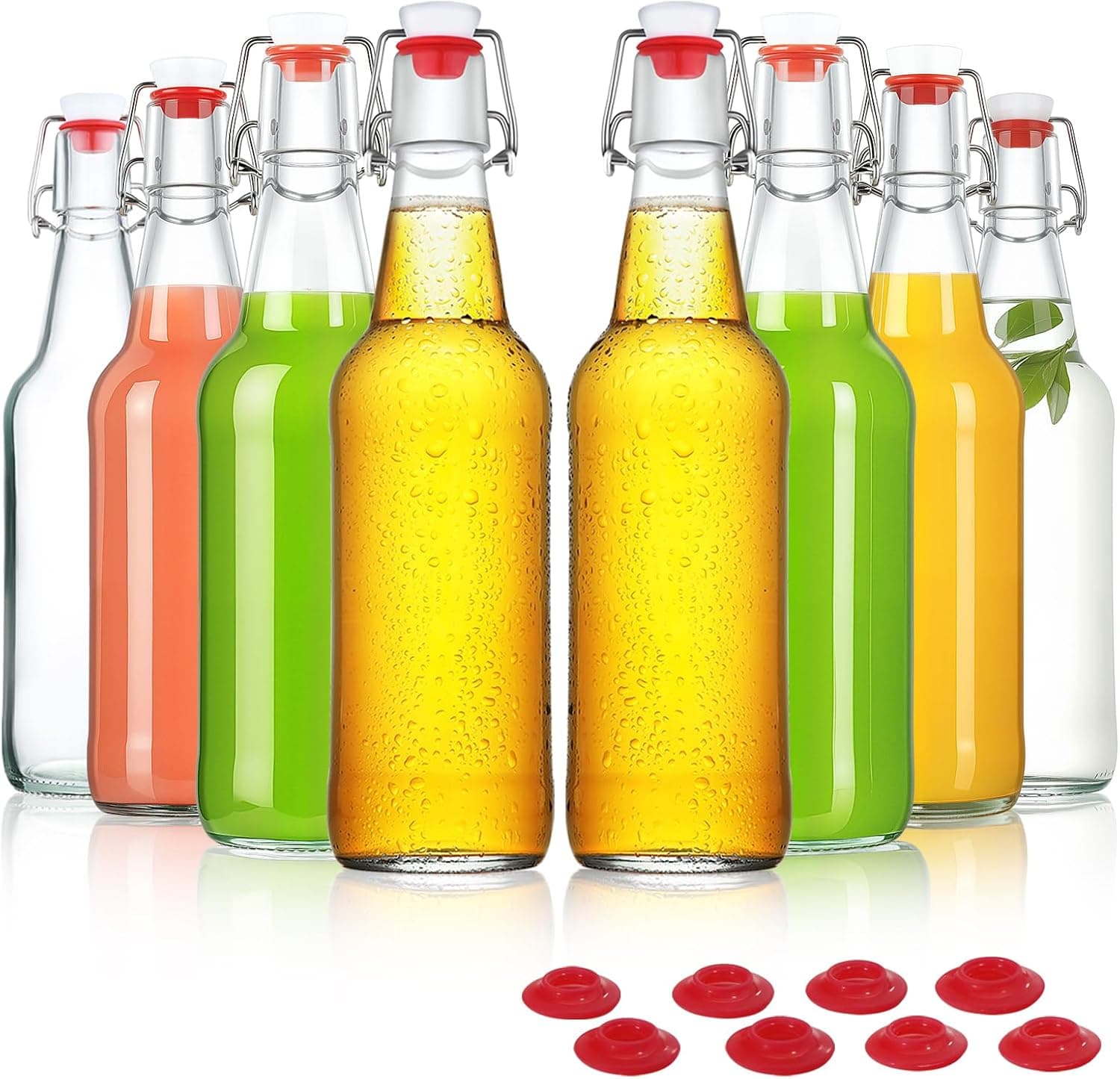
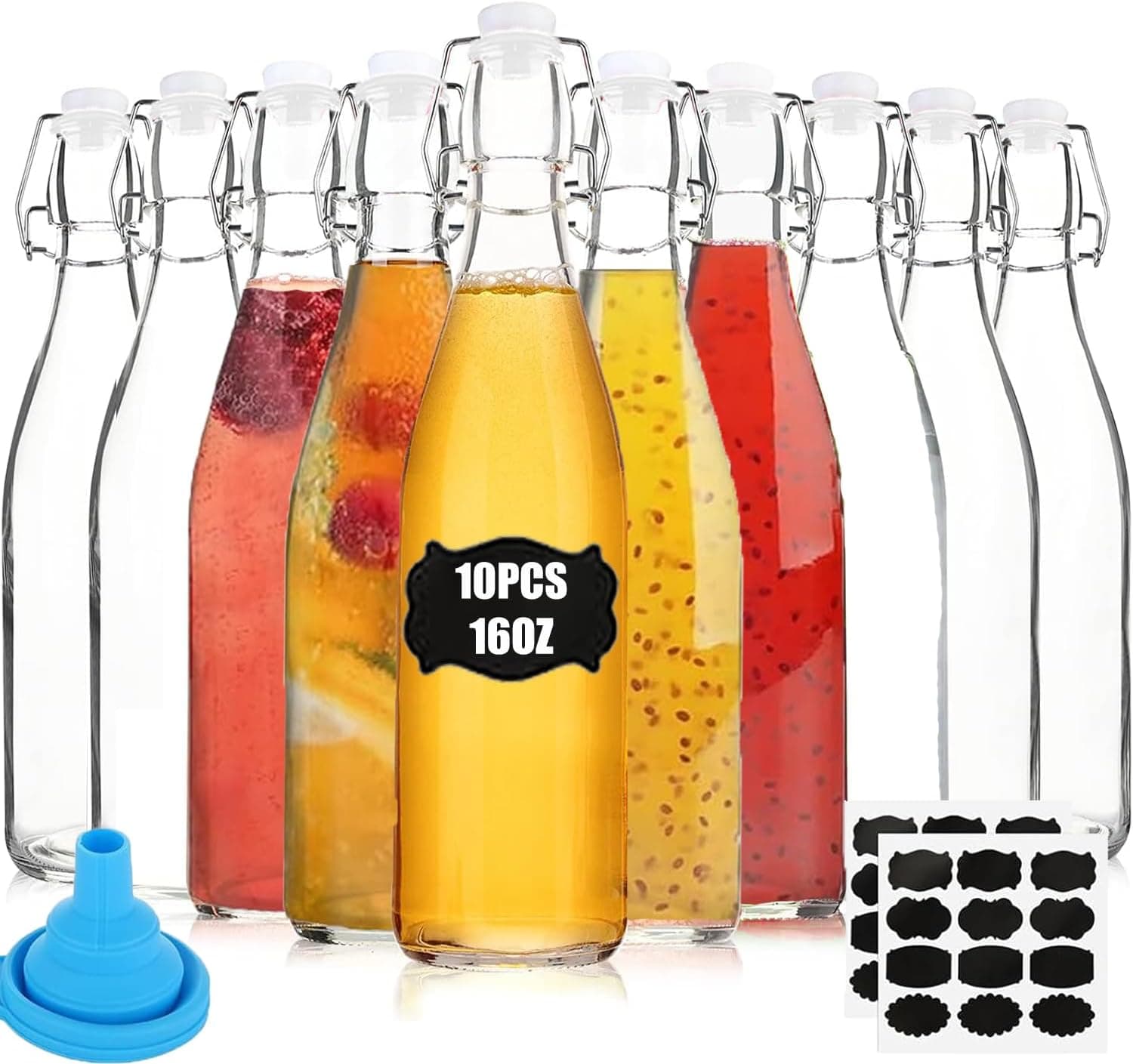
+ 10 Pack gives extra bottles beyond a single gallon batch
From our guide: The Best Swing Top Bottles for Kombucha and Fermented Drinks
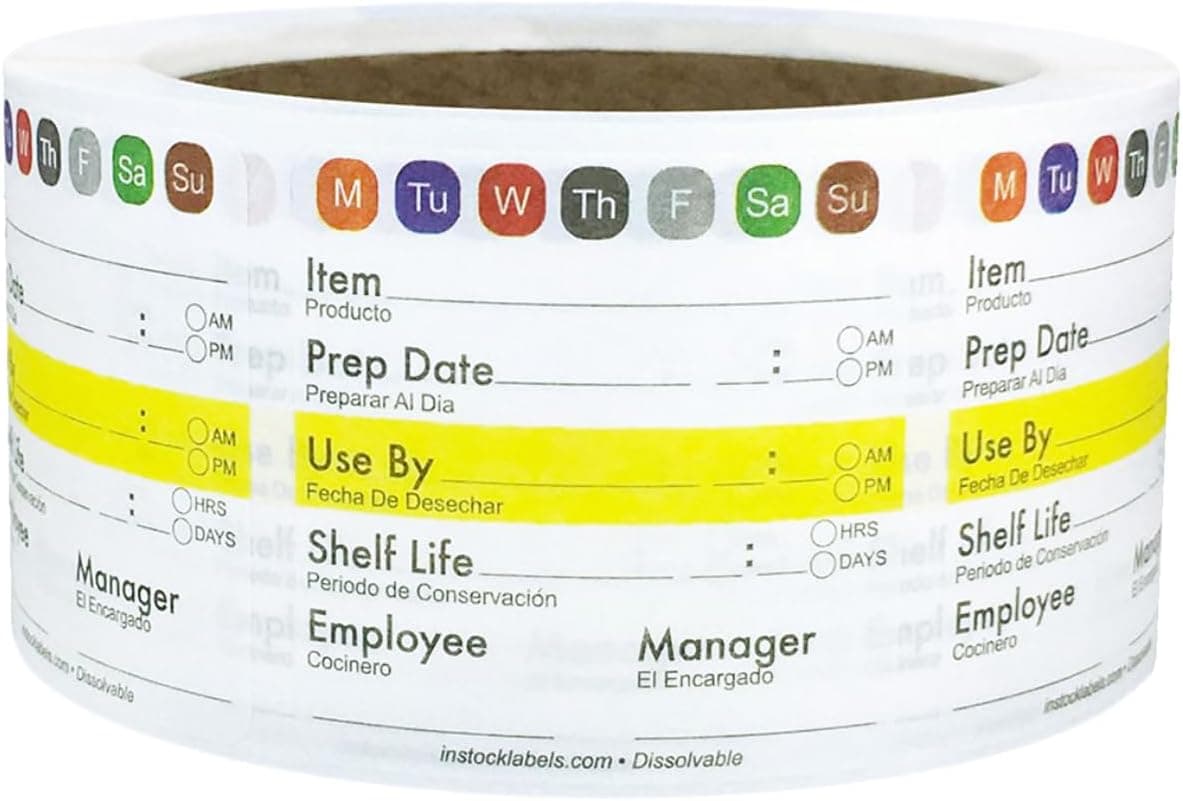
+ 500 Adhesive Stickers last through many seasons of labeling
From our guide: The Best Labels for Fermentation Jars and Bottles
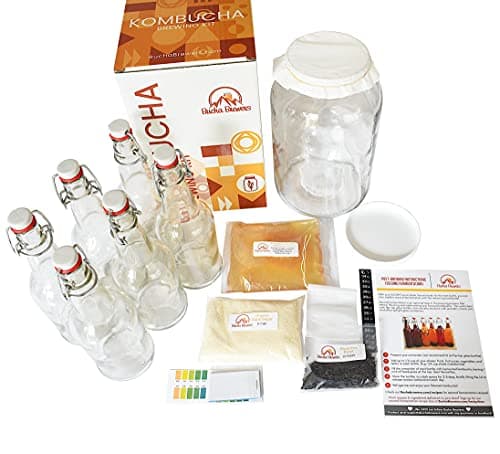
+ Covers both stages: a gallon jar for the first ferment and six swing top bottles for flavoring and carbonating.
From our guide: Best SCOBY Starter Kits
+ 8 Pack covers a full gallon of kombucha bottling
From our guide: The Best Swing Top Bottles for Kombucha and Fermented Drinks
What normal looks like
Live, unpasteurized kombucha often contains brown stringy bits, cloudy haze and sediment at the bottom of the bottle. These are usually yeast and bacteria, and they are not a sign of spoilage. A thin, pale film or a new baby SCOBY forming on top of a bottle that has sat for a while is also normal for raw kombucha.
Taste and carbonation change too. Over days and weeks, the drink becomes more sour as the culture keeps working and the remaining sugar is consumed. It may also lose sweetness and taste closer to vinegar. A very sour kombucha is not necessarily unsafe, but it may not be pleasant to drink straight.
Signs kombucha has gone bad
The clearest sign is mold. Mold appears as fuzzy, dry, raised patches on the surface, and it may be white, green, blue, gray or black. If you see it on a SCOBY or on the liquid, discard the entire batch. Other warning signs include a rotten, cheesy or solvent-like smell instead of a tart, vinegar-like one, and a slimy texture that is unlike the normal thin film.
Bulging lids and gushing bottles are a pressure issue rather than proof of spoilage, but they deserve care. Open bottles slowly, ideally over a sink and pointed away from your face. Trust your senses and your caution. If anything about the smell or look is truly alarming, pour it out. A small loss is better than the risk of illness.
How long store-bought kombucha lasts
Commercial kombucha usually carries a best-by date printed on the bottle, often several months after bottling, and the manufacturer's date is the best guide for sealed bottles stored as directed. Most brands recommend keeping it refrigerated because cold slows fermentation and reduces the buildup of pressure and sourness.
Once opened, drink it within a few days for the best flavor and fizz, since carbonation fades and the taste changes. Bottles left at room temperature can continue to ferment, become more alcoholic and sour, and build pressure. Check the label for any storage notes specific to the brand, because pasteurized and raw products can behave differently.
How long homemade kombucha lasts
Homemade kombucha has no printed date, so judge by smell, taste and handling. Finished plain kombucha stored in the refrigerator in a sealed bottle generally keeps well for weeks, and many brewers drink it within a month or two for the best flavor. Beyond that it can become very sour but is often still fine for use in dressings or marinades if it smells right.
Flavored second-ferment bottles are more variable, since fruit and juice add sugar and change the microbe balance. Refrigerate these after the carbonation you want has formed and drink them sooner. Labeling bottles with the date they were made and the flavors you used helps you keep track, and our guide to labels for fermentation jars covers some handy options.
Why bottles get fizzy, flat or gushy
Carbonation comes from yeast producing carbon dioxide in a sealed bottle. More sugar, more warmth and more time all raise the pressure. A bottle that stays flat usually has too little sugar left, a weak yeast population or a leaky seal. Neither flat nor fizzy means the drink is spoiled, so use smell, sight and taste to judge safety instead.
If a bottle gushes when opened, chill it well before opening, as cold liquid holds gas better. Release the seal in tiny steps to let pressure out gradually. Next time, shorten the second ferment, use less fruit or juice, or refrigerate sooner. Burping a test bottle each day can show you how fast pressure is building in your own kitchen.
Storing kombucha properly
Keep finished bottles cold and away from heat and sunlight. Use bottles designed for carbonated drinks, such as swing-top bottles or sturdy glass, and avoid filling them to the brim, since some headspace helps manage pressure. Never use thin or cracked glass, and avoid storing sealed bottles somewhere warm where pressure could build.
If you are making a large amount, plan your batches so you are not left with more than you can drink. Our swing-top bottle guide covers options for sealed second fermentation. Bottles that have been open for a long time or that contain obviously changed sediment, color or smell should be checked carefully before drinking.
Who should be extra careful
Because raw kombucha is unpasteurized, some groups are usually advised to be careful, including people who are pregnant, have weakened immune systems or take certain medications. Children are also often advised to avoid homemade versions, partly because of the alcohol and acidity. If this applies to you, talk to a doctor before drinking it.
Homemade kombucha also contains trace alcohol and some caffeine, and the amounts are not measured. If you notice stomach upset or any unusual reaction, stop drinking it and seek advice from a health professional. When making your own, use clean equipment, start with enough acidic starter tea and avoid ceramic with unknown glaze, since acid can leach metals from unsafe glazes.
Popular right now
- Brine Pickles or Vinegar PicklesArticle
- Water Quality and Chlorine in Home FermentationArticle
- The Best Vacuum Seal Bags for FermentationBuying guide
- Backslopping explainedGlossary
- Best Koji Starter SporesBuying guide
- Fermentation TemperatureArticle
Based on the last 28 days of search and visitor data.