Fermented Salsa
Published How we research

Fresh salsa has one obvious flaw, which is that it lasts about three days before it turns watery and dull. Fermenting it solves that and adds something as well. A short ferment gives salsa a gentle tang that sits underneath the tomato and lime rather than replacing them, deepens the onion and garlic, and extends its useful life in the refrigerator considerably. It is a good project for anyone who already makes salsa by feel and wants a reason to make a bigger batch.
Products from this article
The highest-scoring picks from the buying guides this article links to. Scores are our editorial assessment, not customer ratings.
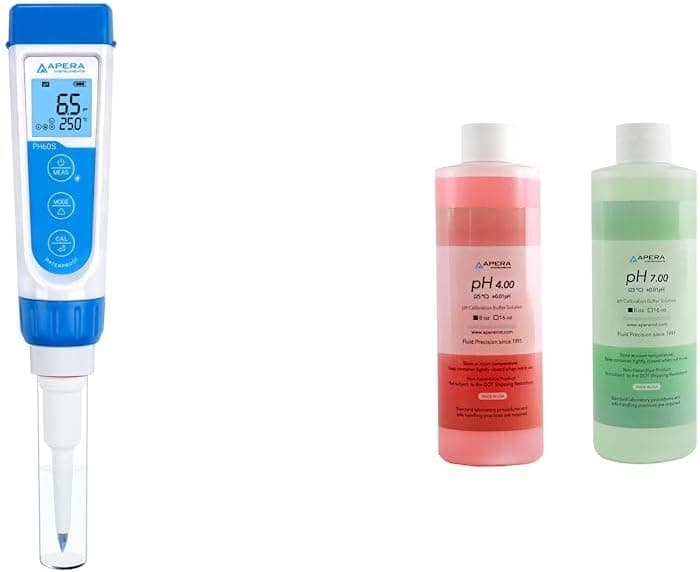
+ Swiss Spear pH Electrode pierces cheese, meat and firm vegetables
From our guide: Best Fermentation Measuring Tools
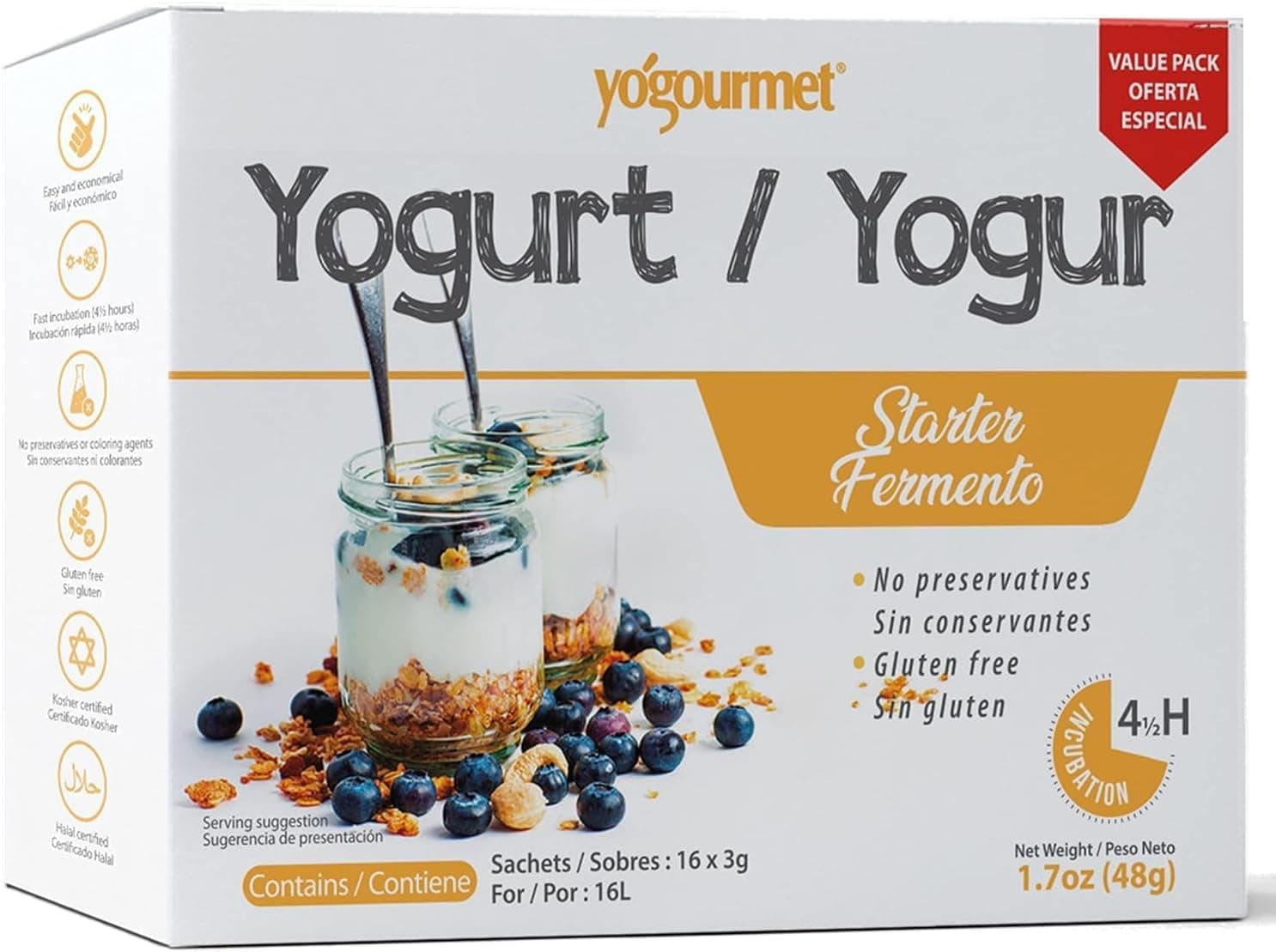
+ 16 Pack keeps a frequent yogurt maker stocked for months
From our guide: Best Yogurt Starter Cultures
+ Shipped in Glass Jar protects the grains better than a plastic bag
From our guide: Best Milk Kefir Grains for Home Brewing
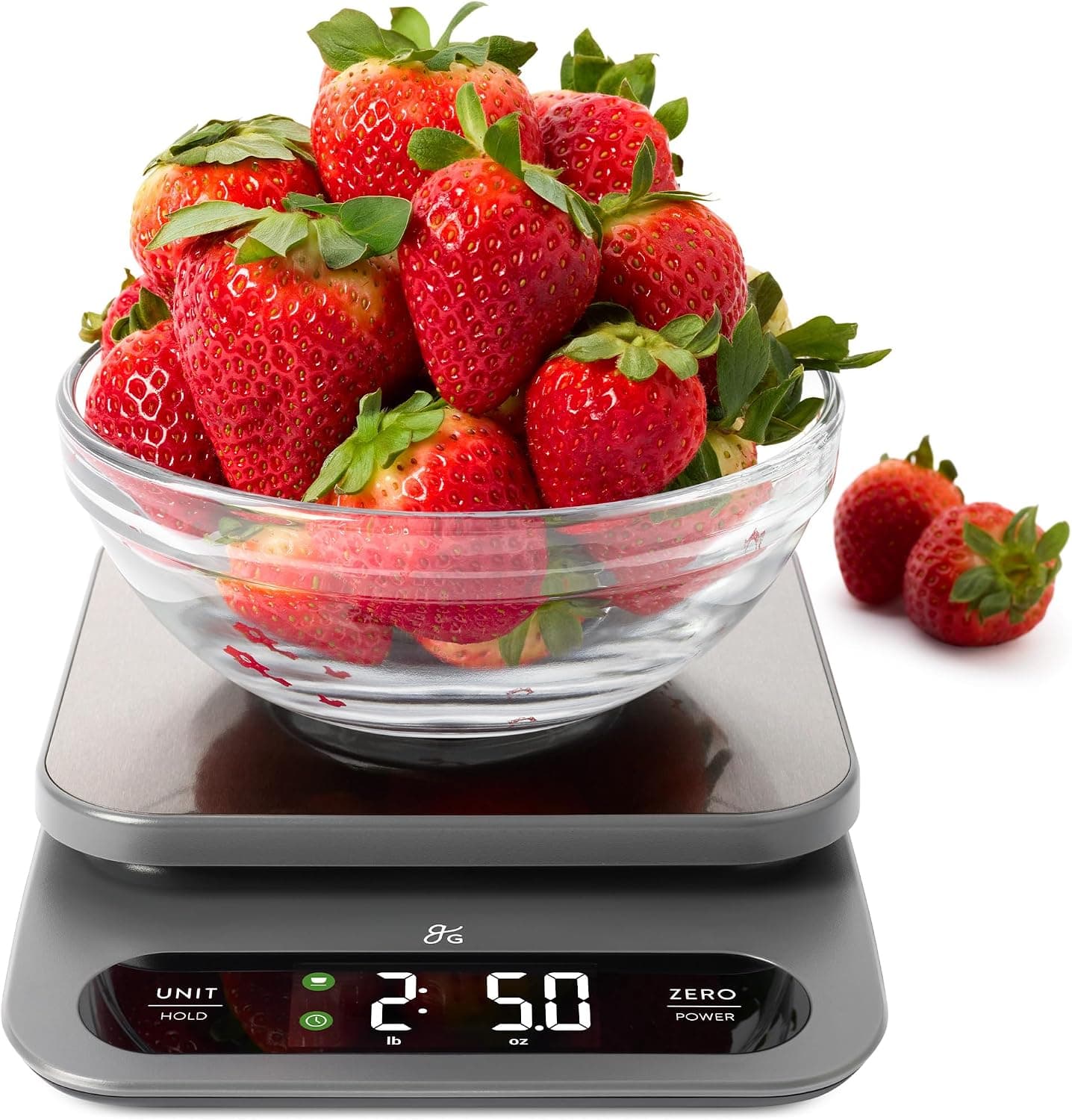
+ 10kg capacity handles crock-size vegetable batches and full jars
From our guide: Best Fermentation Measuring Tools

The main thing to understand is that tomatoes are softer and more sugary than cabbage, so a fermented salsa behaves differently from a jar of kraut. It ferments fast, it goes further than you expect if you forget about it, and it will never be a crunchy ferment. Aim for a short, controlled ferment of one to three days at room temperature rather than the weeks a vegetable ferment takes. Using firm ripe tomatoes rather than very soft ones, and draining excess watery seed pulp, keeps the texture from collapsing into soup.
Build the salsa roughly as you normally would, but hold back the acidic and delicate elements. Chopped tomatoes, onion, garlic, chilli and sweet pepper all ferment well. Salt the mixture by weight at around 2 percent of the total, which for 1000 grams of chopped vegetables is 20 grams of salt. Stir thoroughly so the salt is evenly distributed, then let it sit for twenty minutes and stir again. The salt will pull out juice, which becomes the brine that protects the surface.
Pack the salsa into a jar, pressing down firmly so the juice rises over the solids. Leave a generous few centimetres of headspace, because a sugary ferment like this bubbles energetically. Weigh the solids down if you can, since floating tomato pieces at the surface are where problems start. Fit an airlock lid or plan to burp the jar at least once a day, and stand it on a plate. Warm rooms will have it fizzing within twelve hours.
Taste after twenty four hours. You are looking for a light sourness and a small amount of effervescence on the tongue, with the raw bite of the onion softened. In a warm kitchen that point often arrives on day one, and in a cool one it may take three days. Once it is there, move the jar to the refrigerator. This is where you stir in the ingredients that do not benefit from fermenting, particularly fresh coriander, lime juice and any additional raw onion for texture. Coriander added before fermenting tends to turn muddy and bitter.
Fermented salsa keeps in the refrigerator for several weeks, gradually becoming more sour and more liquid as it sits. Give the jar a stir before serving and pour off excess liquid if you want it thicker, or save that liquid as a seasoning for dressings and marinades. Because it is a fresh product with soft ingredients, use your senses each time. Sour and tangy is expected, while genuinely off smells, fuzzy growth or a slimy consistency mean discard it.
This method is for refrigerated fermented salsa eaten within weeks, not for shelf stable canned salsa. Water bath canning a low acid mixture requires a tested recipe with controlled acidity, and fermenting does not substitute for that process. If you want jars in the cupboard for next winter, follow a properly tested canning recipe instead. If you want the best salsa in your refrigerator with the least fuss, a two day ferment is the better answer, and it scales easily when tomatoes are cheap in late summer.
Popular right now
- Brine Pickles or Vinegar PicklesArticle
- Water Quality and Chlorine in Home FermentationArticle
- The Best Vacuum Seal Bags for FermentationBuying guide
- Backslopping explainedGlossary
- Best Koji Starter SporesBuying guide
- Fermentation TemperatureArticle
Based on the last 28 days of search and visitor data.