Gut Health Basics and Fermented Foods
Published How we research
Fermented food and gut health are linked so often in marketing that it is worth separating what is reasonably well understood from what is simply sold. The honest summary is that many fermented foods contain live microorganisms, that research into the human gut microbiome is active and genuinely interesting, and that nobody should be treating a jar of sauerkraut as medicine. This article is about how to think about it sensibly, not about health claims, and anything to do with a specific condition belongs with a qualified healthcare professional.
Products from this article
The highest-scoring picks from the buying guides this article links to. Scores are our editorial assessment, not customer ratings.
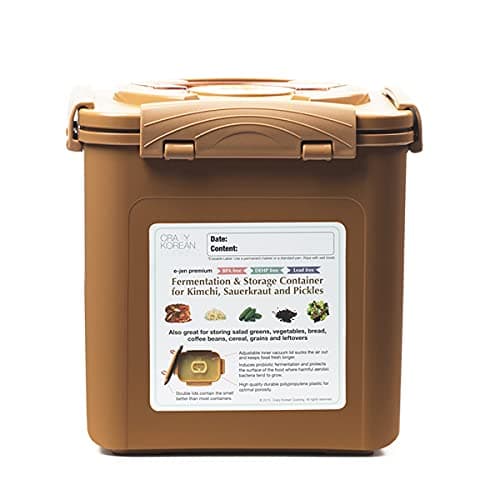
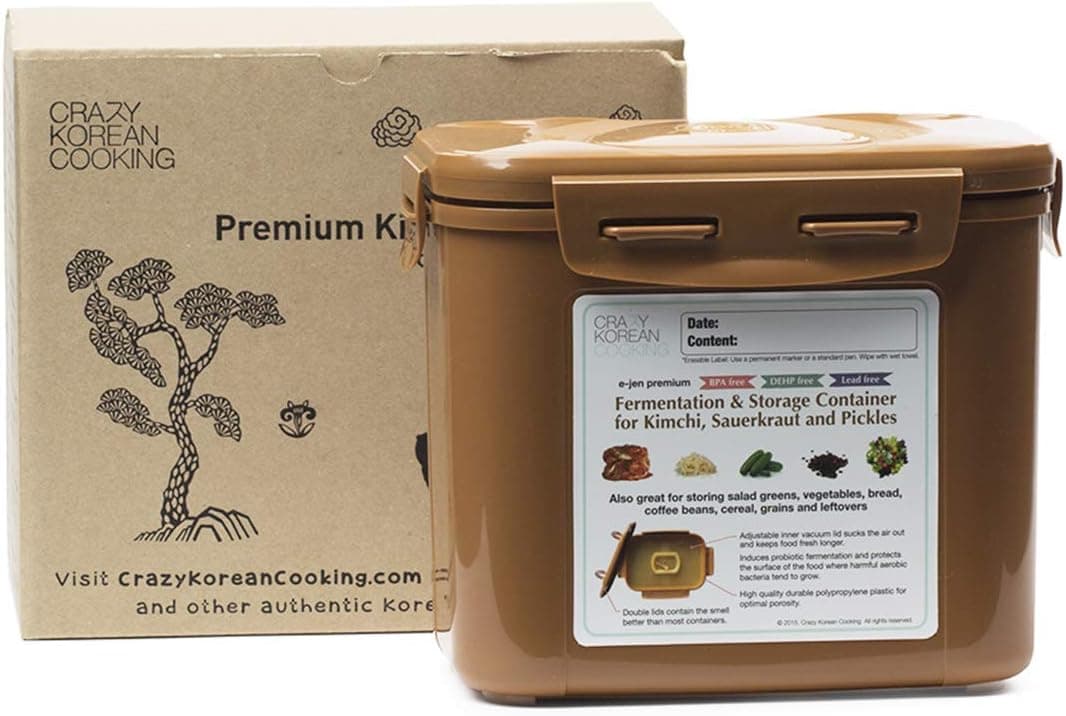
+ Adjustable inner lid minimizes the air above the food as the level drops with each serving.
From our guide: The Best Storage Containers for Fermented Foods
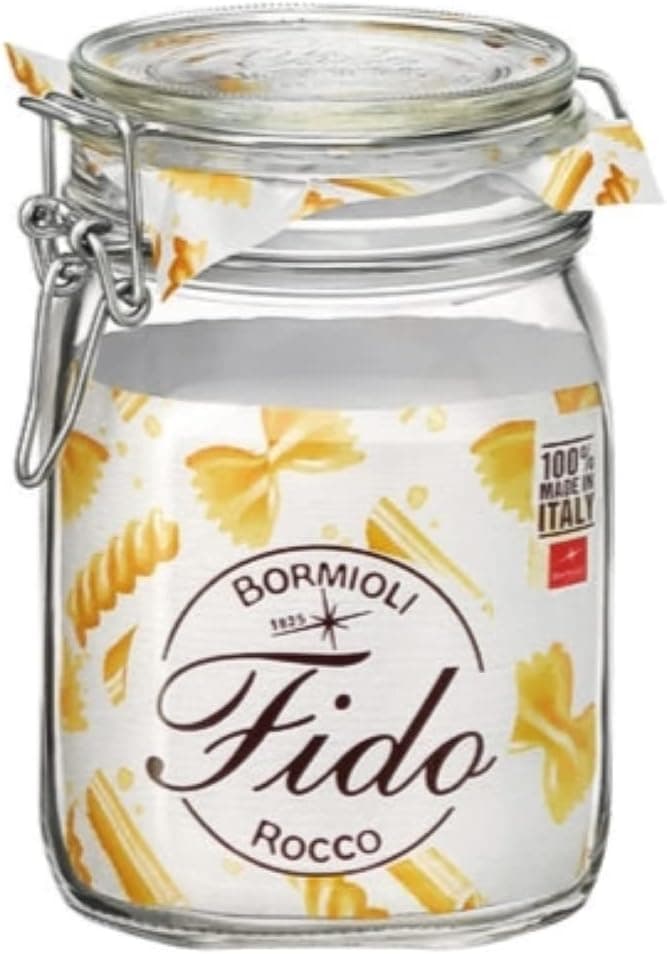
+ Airtight Rubber Seal lets gas escape under pressure while blocking air
From our guide: The Best Fido Jars for Vegetable Ferments
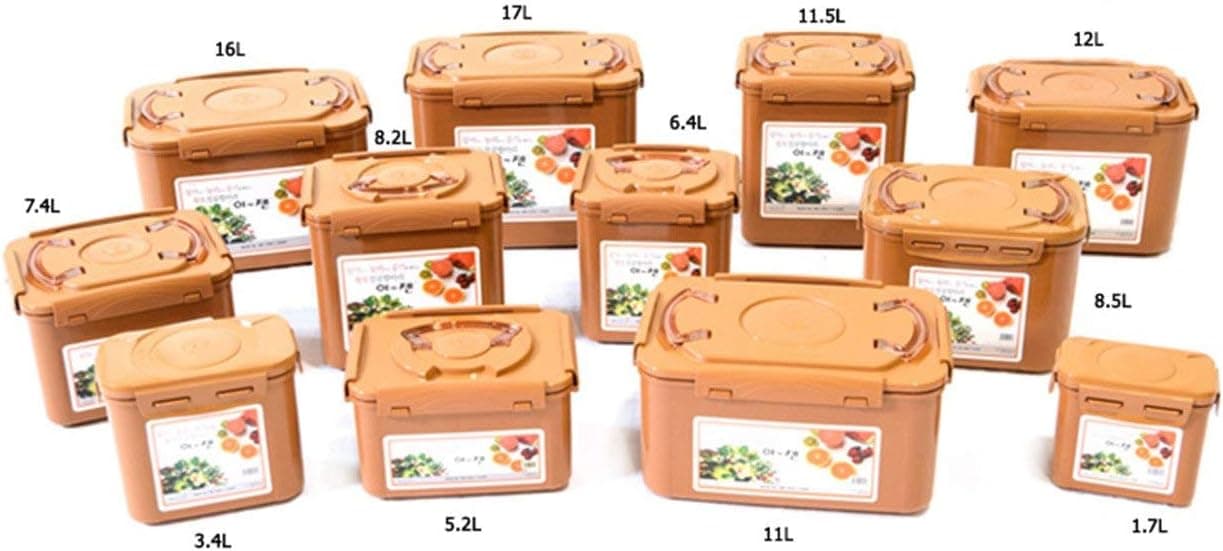
+ 1.7L size keeps a small daily kimchi supply in the fridge door or shelf
From our guide: The Best Storage Containers for Fermented Foods
+ 101.5 oz capacity handles big kraut or kimchi batches
From our guide: The Best Fido Jars for Vegetable Ferments
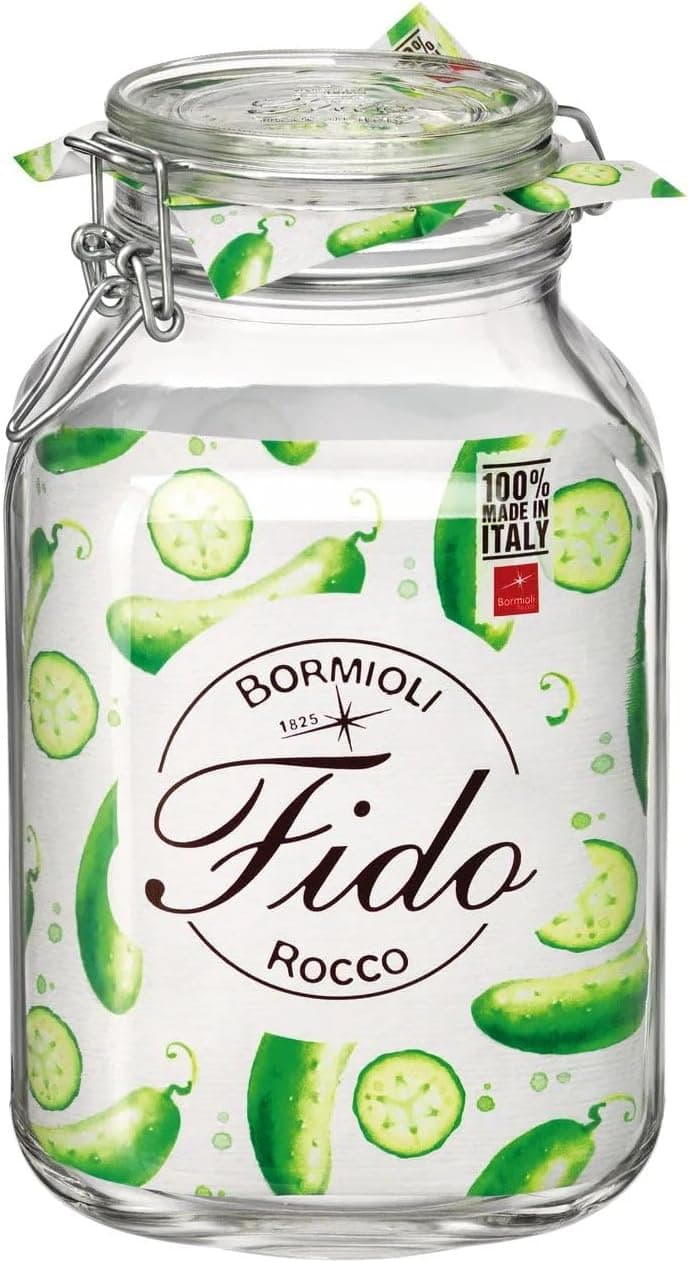
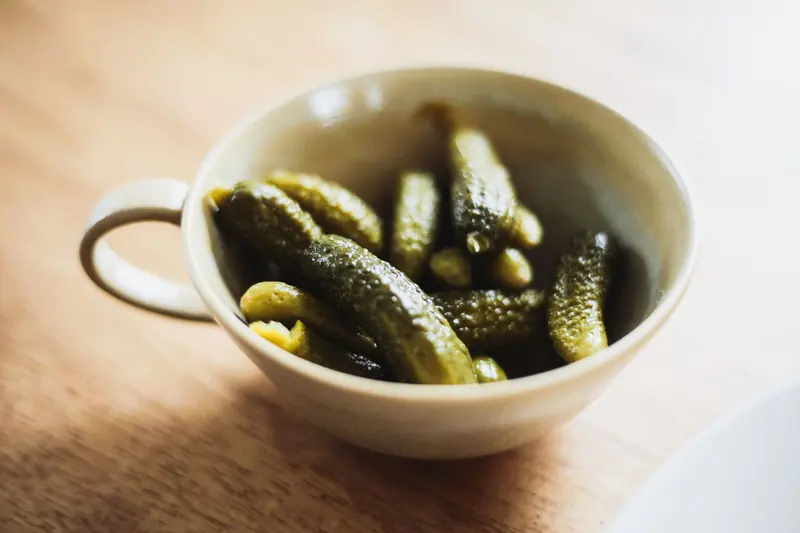
Start with what is actually in the jar. Traditionally fermented vegetables, milk kefir, yogurt with live cultures, kombucha and unpasteurised miso all contain living bacteria and in some cases yeasts, because those organisms did the fermenting and are still present when you eat it. That is a factual description of the food, not a claim about what it does in a body. Different ferments carry very different organisms in very different quantities, and the amounts vary between batches, kitchens and storage times.
What matters practically is that plenty of fermented foods on shop shelves contain no live cultures at all. Anything pasteurised after fermenting, which includes most shelf stable sauerkraut, many bottled pickles and heat treated miso, has had the microbes killed. Vinegar pickles were never fermented in the first place. If live cultures are the reason you are interested, look for refrigerated products, check the label for pasteurisation, or make it yourself, which is by far the most reliable route.
Home fermenting also lets you protect what you made. Heat is the main enemy, so ferments added to hot dishes should go in at the end rather than being simmered, and miso should be stirred into soup off the boil. Long room temperature storage keeps changing the population, so refrigerate once a ferment tastes right. Beyond that, the practical advice is unremarkable. Keep it covered, keep it cold, and eat it within a sensible window.
Diversity of food is a more useful framing than any single miracle ingredient. Fermented foods are one part of a varied diet that also includes plenty of plants, fibre and whole grains. Eating a spoonful of kraut alongside meals, a glass of kefir in the morning, or miso in a soup a few times a week is a modest and pleasant habit. Treating one food as a fix while the rest of the diet stays unchanged is not how anything about nutrition tends to work.
A note on introducing these foods. Some people find that starting with large quantities of fermented food produces bloating or digestive discomfort, and the usual practical response is to start with a small amount, a tablespoon rather than a bowlful, and increase gradually if it suits you. Fermented vegetables are also often high in salt, which is worth factoring into the rest of the day. Kombucha contains a small amount of alcohol and some residual sugar, and homemade batches vary more than commercial ones.
The most defensible reason to ferment at home is the one that gets the least attention. Fermented food tastes good, it makes cheap seasonal vegetables last for months, it reduces waste, and it turns a plain meal into something with depth and acidity. Those benefits are immediate, obvious and require no claims about anything. If the microbiology also turns out to be doing something useful, that is a bonus rather than the premise, and it is a subject where the responsible position is to stay curious and avoid promising anybody anything.
Popular right now
- Brine Pickles or Vinegar PicklesArticle
- Water Quality and Chlorine in Home FermentationArticle
- The Best Vacuum Seal Bags for FermentationBuying guide
- Backslopping explainedGlossary
- Best Koji Starter SporesBuying guide
- Fermentation TemperatureArticle
Based on the last 28 days of search and visitor data.