How to Make Honey-Fermented Cranberries for Holiday Meals
Published How we research
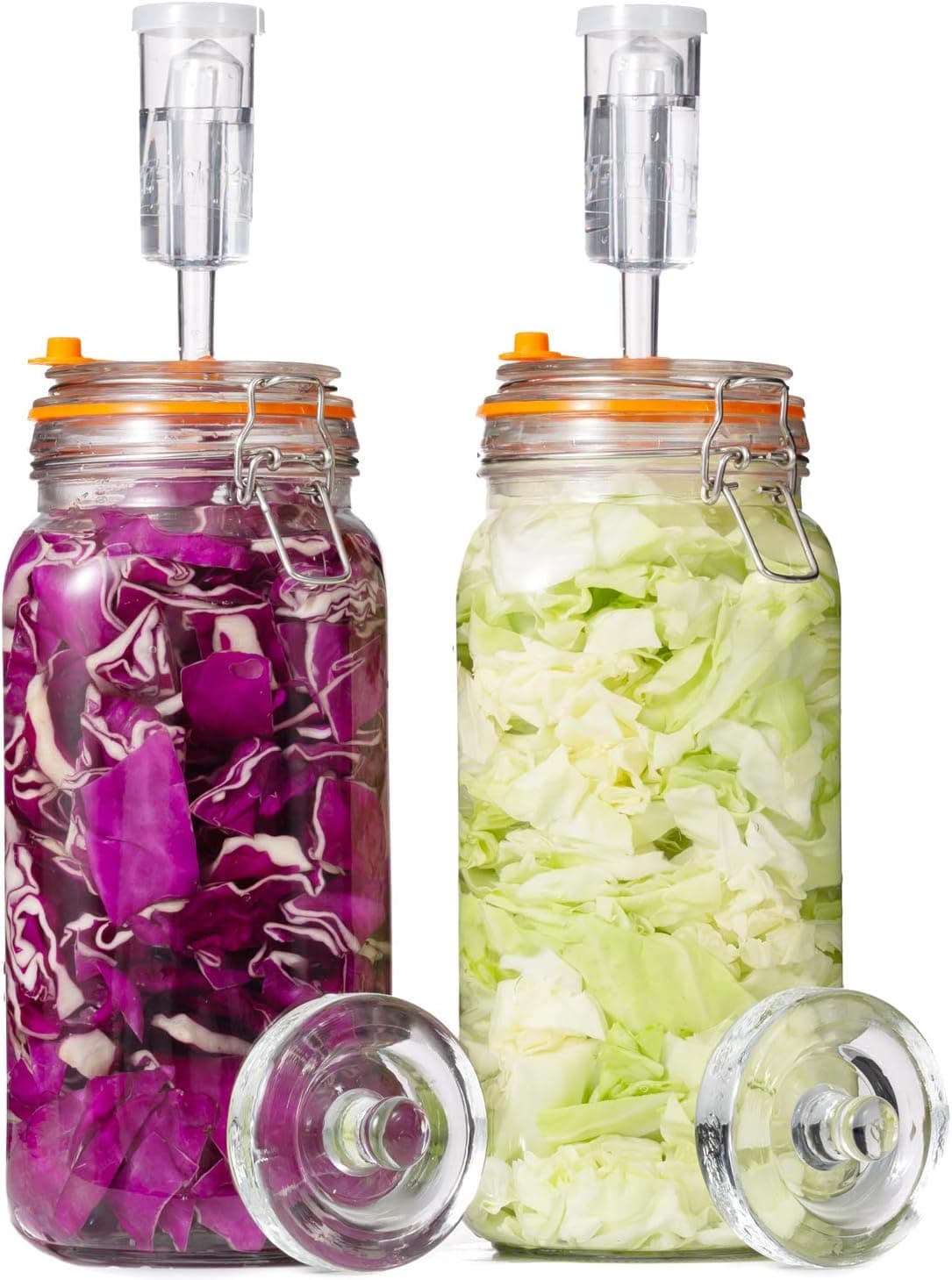
Fresh cranberries arrive in shops in autumn, and fermenting them in raw honey is a simple project that is ready in time for holiday meals. Over several weeks, the honey thins into a tangy, fruity syrup and the berries soften into a sweet-sour garnish for cheese boards, roasts and drinks. Honey ferments are easy, but they do need proper preparation and regular attention to stay safe.
How honey fermentation works
Raw honey contains wild yeasts but is too low in moisture to ferment on its own. When you add juicy fruit, water from the fruit dilutes the honey enough for yeasts to become active, producing bubbles and a tangy, slightly boozy flavour.
Pasteurised honey has had its wild yeasts reduced by heat, so raw, unfiltered honey usually starts fermenting more reliably. Fermentation is slower than vegetable ferments and can take several weeks to develop.
Prepare the cranberries
Rinse fresh cranberries and discard any that are soft or damaged. Cranberries have tough skins that keep honey from reaching the juice inside, so pierce each berry with a skewer or cut them in half.
Some people briefly freeze and thaw cranberries to break the skins, which also works well. Let berries drain and pat them dry so excess water does not dilute the honey too much.
Fill and cover the jar
Place the cranberries in a clean glass jar, filling it about halfway, then pour raw honey over them until the berries are fully covered. Leave several centimetres of headspace, since the ferment bubbles and the berries float as it gets going.
Close the lid loosely or use an airlock lid, and label the jar with the start date. Keep it at room temperature away from direct sunlight.
Turn and burp daily
Cranberries float to the top, where exposed fruit can grow mould. Tighten the lid and turn the jar upside down once or twice a day for the first couple of weeks to coat the berries in honey, then loosen the lid again to release gas.
Within a week or two, you should see bubbles and notice the honey becoming thinner. Fermentation slows gradually after several weeks as the flavour becomes more tart.
Watch for safety concerns
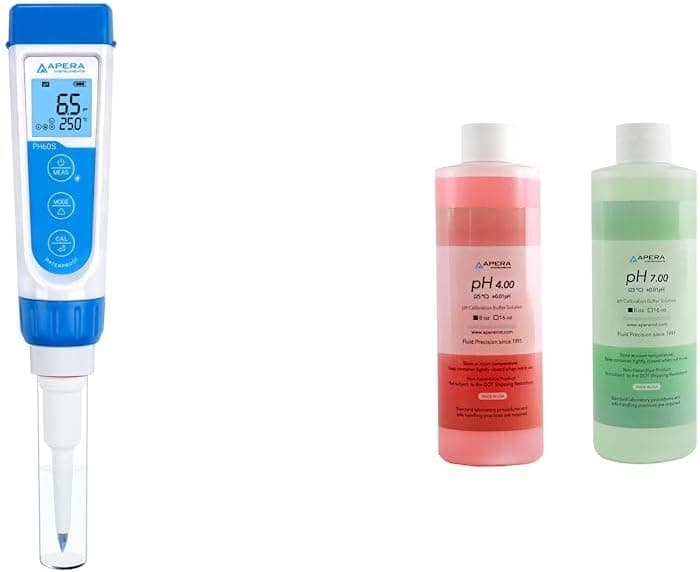
Many fermenters check the pH of honey ferments with test strips or a pH meter, aiming for acidity at 4.6 or below as a common safety guideline. Acidity helps prevent the growth of harmful bacteria.
Discard ferments with fuzzy mould, a rotten smell or unusual colours. Honey and honey ferments should not be given to infants under one year old because of the risk of infant botulism.
Serving and gifting
Spoon the cranberries over brie, roast turkey or yogurt, and use the tangy honey in salad dressings, glazes, sparkling water or holiday cocktails. The flavour continues to change slowly over months.
For gifts, decant into clean jars, label the contents and date, and include a note not to feed it to infants. Store opened jars in a cool place or refrigerate to slow further fermentation.
Products from this article
The highest-scoring picks from the buying guides mentioned above. Scores are our editorial assessment, not customer ratings.
+ Clear glass lets you check brine level and color without opening the jar
From our guide: Best Fermentation Jars
+ Swiss Spear pH Electrode pierces cheese, meat and firm vegetables
From our guide: The Best pH Meters for Fermentation
+ Dissolvable labels wash off completely, leaving no sticky residue
From our guide: The Best Labels for Fermentation Jars and Bottles
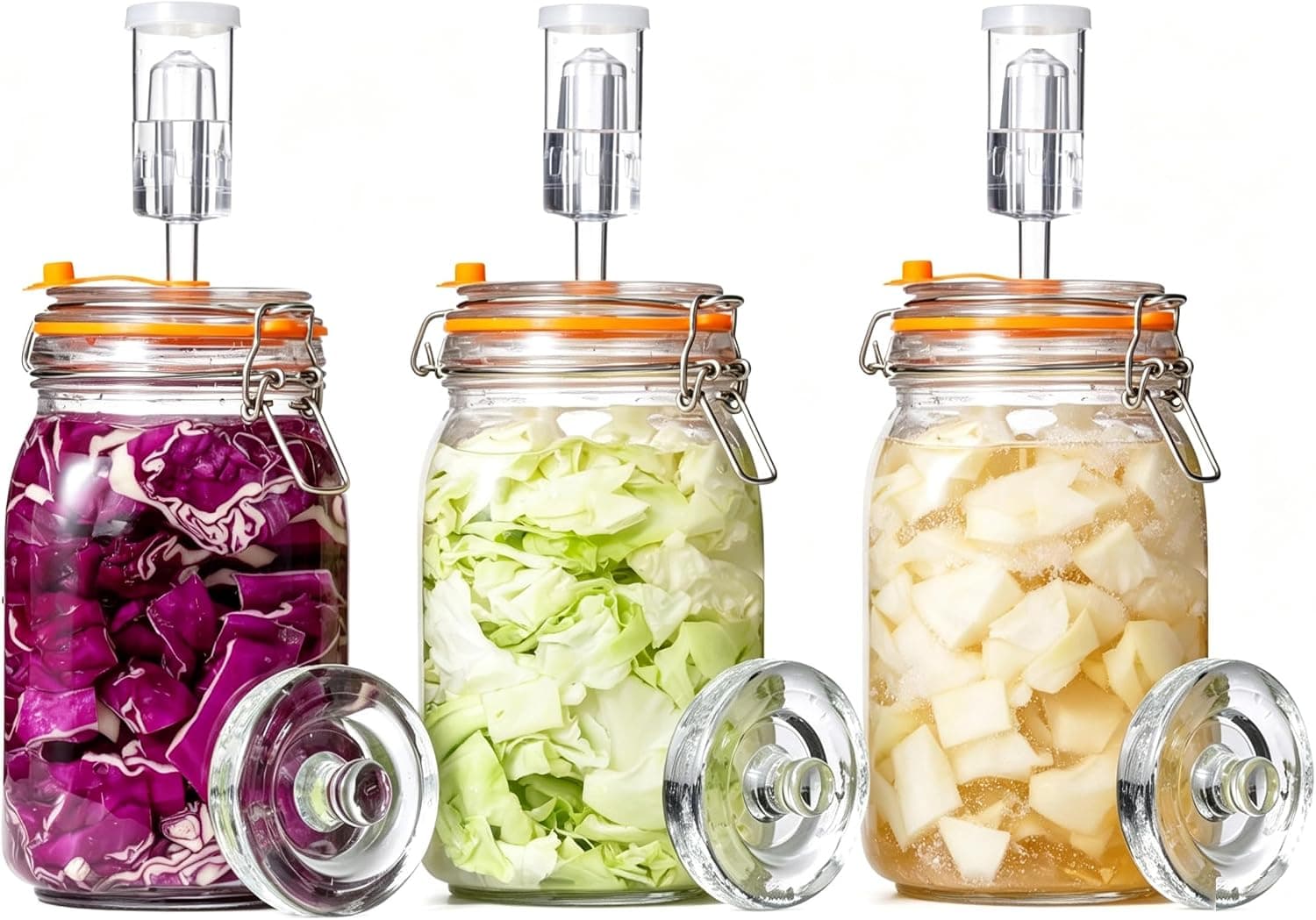
+ Pack of 3 lets you run kraut, pickles and kimchi side by side
From our guide: Best Fermentation Jars

Popular right now
- Brine Pickles or Vinegar PicklesArticle
- Lacto Fermented Hot Sauce From Fresh ChilliesArticle
- How Fermentation WorksArticle
- Fermented SalsaArticle
- Storing Finished Ferments So They Keep Their CharacterArticle
- Water Quality and Chlorine in Home FermentationArticle
Based on the last 28 days of search and visitor data.