How to Ferment Garlic in Honey: A Careful Beginner's Method
Published How we research
Fermented honey garlic is made by submerging peeled garlic cloves in raw honey and letting the mixture sit for weeks. The garlic's moisture thins the honey, wild yeast and bacteria produce a little gas, and the cloves mellow into a sweet, savory condiment. It is popular as a pantry project and a kitchen gift. Because garlic and honey both raise questions about food safety, this guide puts the cautions up front, then covers the jar setup, daily burping, timing, how to know it is working, how to use it and when to throw a batch away.
Products from this article
The highest-scoring picks from the buying guides this article links to. Scores are our editorial assessment, not customer ratings.
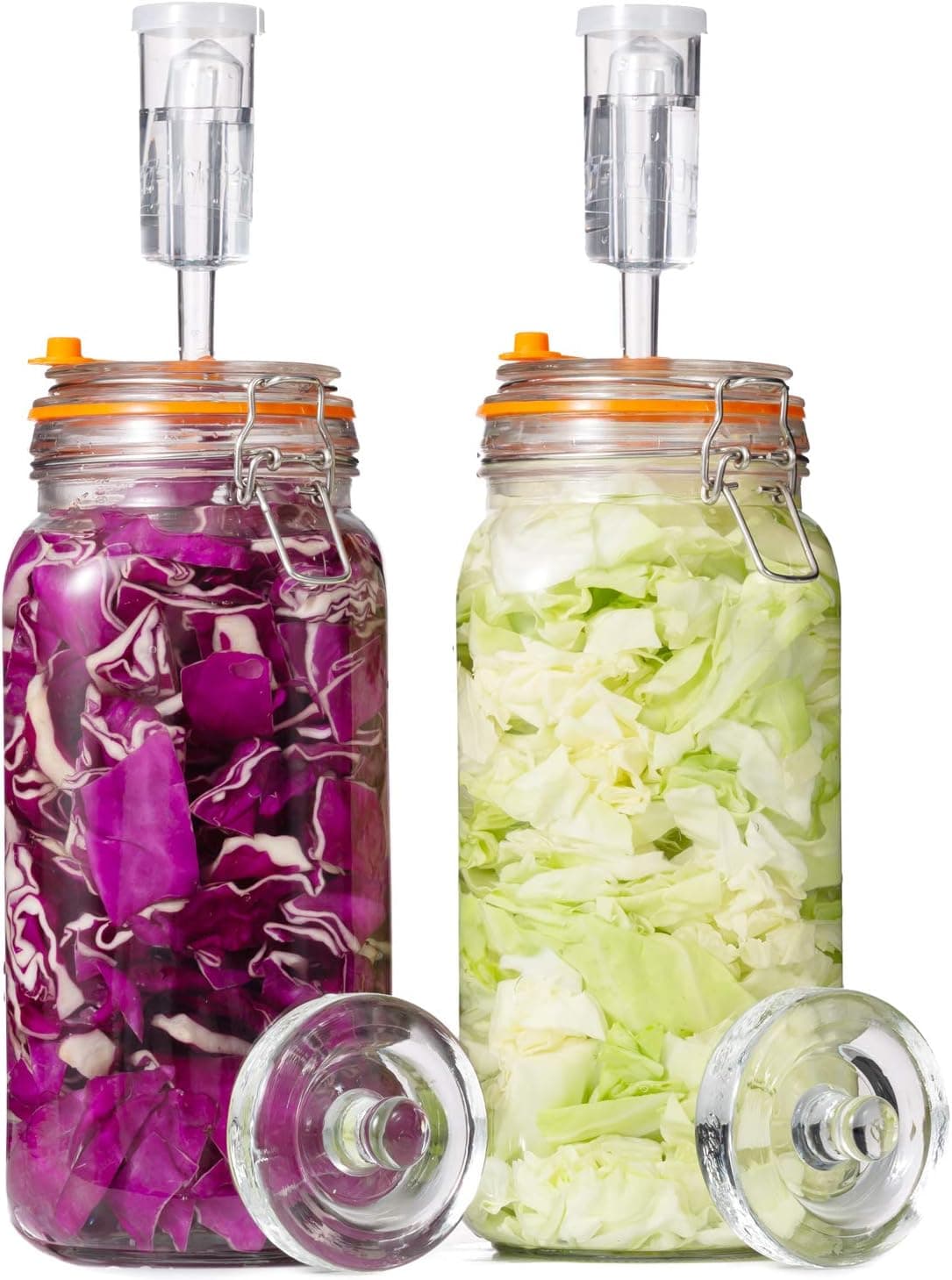
+ Clear glass lets you check brine level and color without opening the jar
From our guide: Best Fermentation Jars
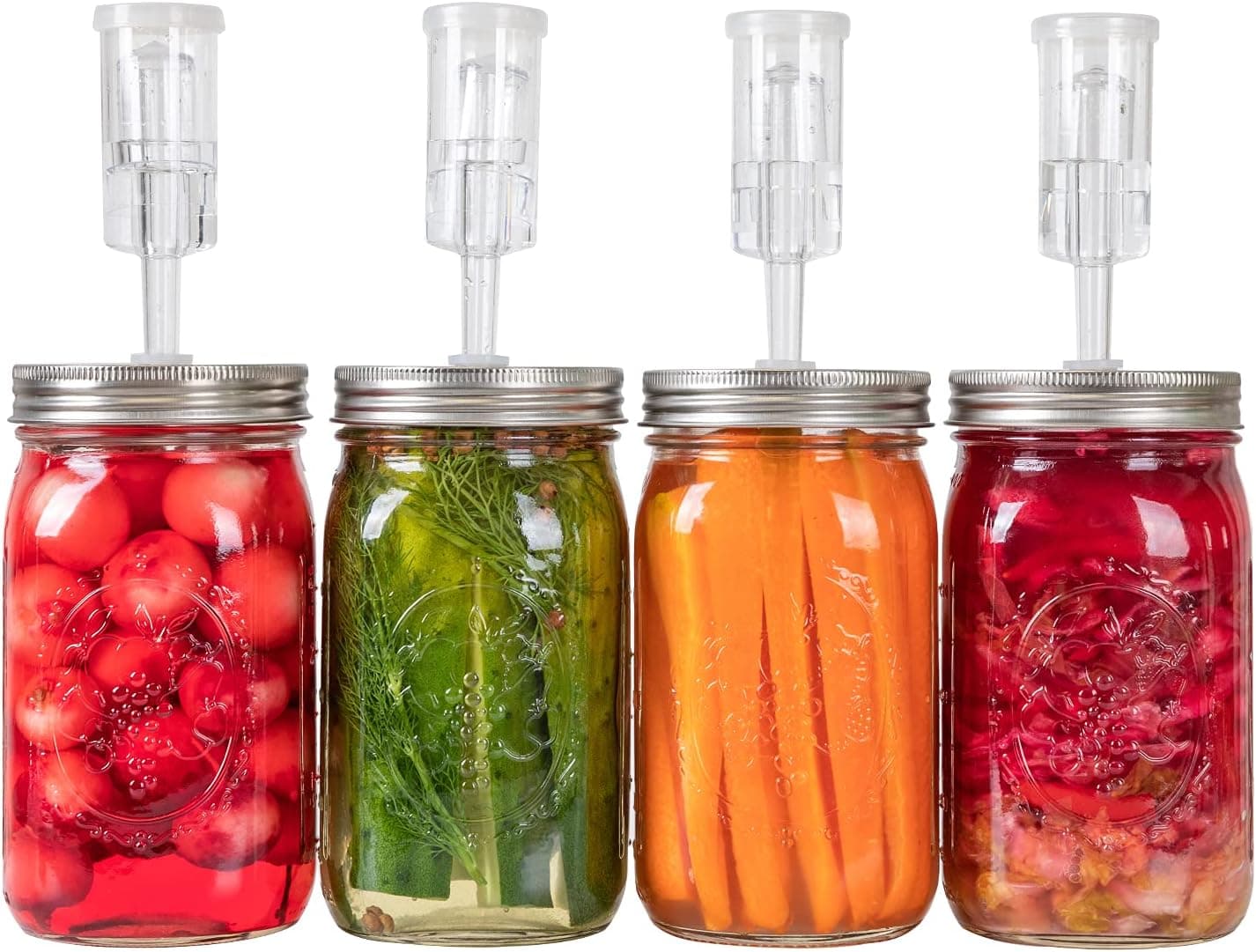
+ Stainless steel lids will not rust or warp like painted tin mason lids
From our guide: Best Airlock Lids
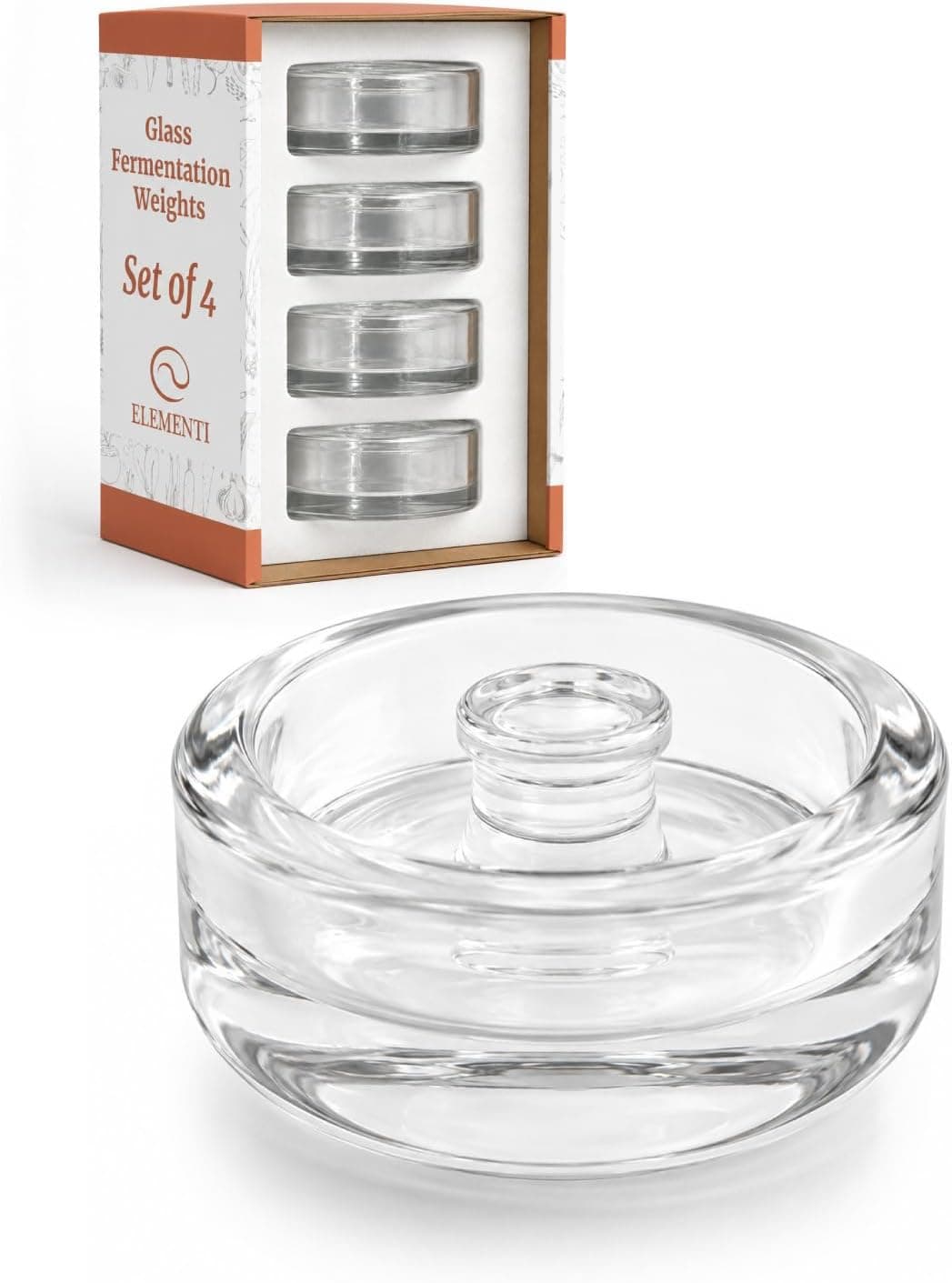
+ Easy grip design lets you lift the weight out without fishing with fingers
From our guide: Best Fermentation Weights
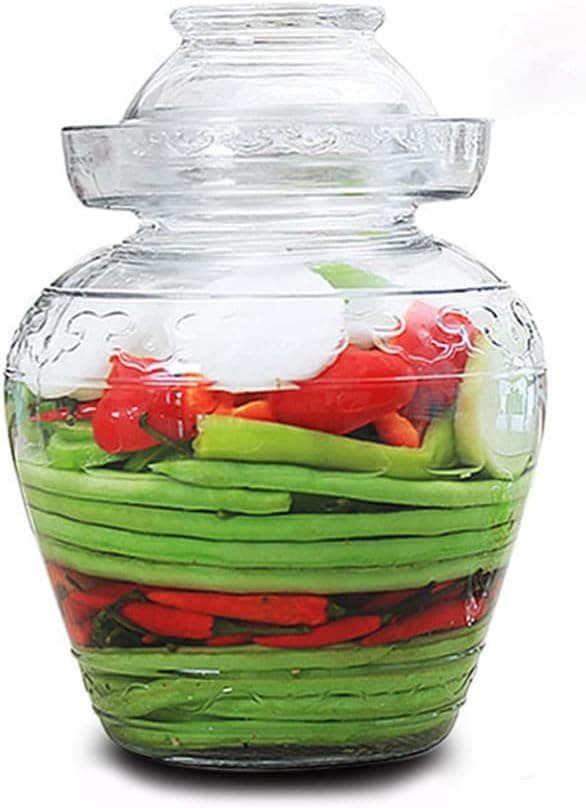
+ 2.5 Liter capacity is a sweet spot for a generous cabbage or cucumber batch
From our guide: Best Fermentation Jars
Read this safety note first
Garlic is a low-acid food and can carry spores of Clostridium botulinum, the bacteria that cause botulism. Botulism risk is a documented concern with garlic stored in oil at room temperature, and some food safety authorities advise caution with garlic in any anaerobic low-acid environment. Honey itself is a very low-moisture environment, but fermenting garlic in it changes that balance as the cloves release water, and there are no widely accepted tested safety standards for this homemade preparation.
Never give honey to children under one year old, as honey can carry spores that affect infants. If you have a weakened immune system, are pregnant or have other health concerns, consult your doctor before eating homemade fermented garlic. Use fresh, undamaged garlic, clean equipment, and keep a close eye on the jar. If you are not comfortable with the risk, a tested vinegar-based or commercial product is the more conservative choice.
What you need
You need fresh garlic, raw honey and a clean glass jar with a lid. Raw honey, which has not been heated or heavily filtered, retains the natural yeast and microbes that help start the fermentation. Pasteurized honey may ferment more slowly or not at all. A jar of about half a pint is a good starting size, and a wide mouth makes filling and stirring easier.
Choose firm heads of garlic without green sprouts, soft spots or mold. Separate and peel the cloves, taking care to keep them whole or lightly crushed. A fermentation weight is not usually needed because the honey is thick, but you will need to turn the jar or stir the cloves regularly so they stay coated. Our fermentation jar guide covers glass choices suited to small projects.
Step by step
Fill the jar about halfway with peeled garlic cloves and pour honey over them until they are completely covered, leaving at least an inch of space at the top, because the mixture will bubble. Use a clean spoon to push the cloves down and release trapped air. Cover the jar with the lid, but do not tighten it fully at first.
Keep the jar at room temperature out of direct sunlight, and for the first week or two open the lid once a day to release gas. This is called burping. Stir the contents or turn the jar upside down to keep the garlic coated and submerged. Our guide to burping jars and using airlocks explains ways to make this easier.
What happens over the weeks
Within a few days the honey begins to loosen as the garlic releases liquid, and small bubbles appear. After one to two weeks it becomes noticeably runnier and may foam when stirred. The aroma shifts from sharp raw garlic to something mellower and sweeter. This is normal and shows that fermentation is under way.
Garlic can turn blue, green or teal during this process. The color change is a harmless reaction between sulfur compounds in garlic and the acidity, and it does not mean the batch is bad. Many people let the jar mature for around a month, tasting a clove occasionally. Over time it can become mellower, and when it tastes good to you, move it to the refrigerator to slow the changes.
Why the honey ferments at all
Honey is so concentrated in sugar that most microbes cannot grow in it, which is why it keeps for so long. Garlic changes this. Fresh cloves are mostly water, and as they sit in honey that water moves out by osmosis and dilutes the honey around them. At a certain point the mix becomes watery enough for wild yeasts and some bacteria to become active, and they produce carbon dioxide, which you see as bubbles.
This is why the result depends on the honey and garlic you use, the room temperature and the size of the cloves. Whole cloves release liquid slowly, while chopped or crushed ones release it quickly. Warmer rooms speed things up, and cooler ones slow them. Because each batch behaves a little differently, watch the jar and use your senses rather than a fixed timetable.
Signs to throw it out
Discard the batch if you see fuzzy mold on the surface, if the smell turns rotten or fecal instead of sweet and garlicky, or if cloves look slimy or dark and mushy. A foaming top and some white bubbles are normal, but unusual colors of growth, such as pink, orange or black fuzz, are not.
Bulging lids or jars that spew when opened mean heavy gas production, so open them slowly and over a sink. As a precaution, treat the finished product as a perishable food, refrigerate it and use it within a few weeks to a couple of months, rather than leaving it in a cupboard indefinitely. When in doubt, throw it out.
Ways to use fermented honey garlic
The honey becomes a savory, garlicky syrup that works in salad dressings, marinades, stir-fry sauces, glazes for roasted vegetables and drizzled over pizza or fried chicken. The cloves can be chopped into dishes, spread on toast or eaten whole in small amounts. Because garlic is strong, start with a little.
Some people take a spoonful of it when they feel under the weather, but there is no solid evidence that it cures or prevents illness, so treat it as a flavorful food rather than a remedy. Our honey-fermented cranberries article uses a related technique.
Popular right now
- Brine Pickles or Vinegar PicklesArticle
- Water Quality and Chlorine in Home FermentationArticle
- The Best Vacuum Seal Bags for FermentationBuying guide
- Backslopping explainedGlossary
- Best Koji Starter SporesBuying guide
- Fermentation TemperatureArticle
Based on the last 28 days of search and visitor data.