How to Make Kombucha at Home: Step-by-Step Recipe for a One-Gallon Batch
Published How we research
To make kombucha at home, you brew sweetened tea, let it cool to room temperature, add a SCOBY and some finished kombucha as starter tea, cover the jar with cloth, and leave it at room temperature for roughly 7 to 14 days until it tastes pleasantly tart. Then you pour off the finished drink, keep a SCOBY and some starter tea for the next batch, and repeat. The recipe below makes one gallon, which fits a standard glass jar or vessel, and it uses only ingredients most kitchens already have apart from the culture. The details that matter are clean equipment, enough starter tea, a stable temperature and a cloth cover rather than a sealed lid.
Products from this article
The highest-scoring picks from the buying guides this article links to. Scores are our editorial assessment, not customer ratings.
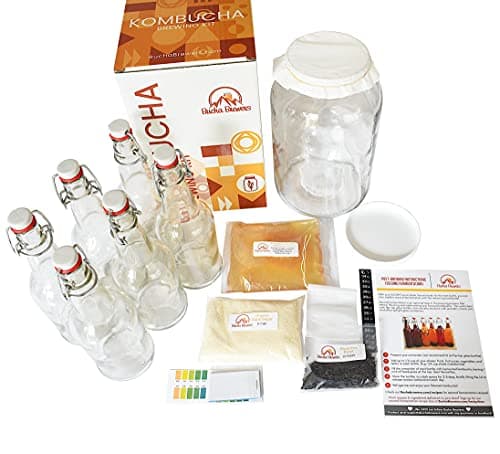
+ Covers both stages: a gallon jar for the first ferment and six swing top bottles for flavoring and carbonating.
From our guide: Best SCOBY Starter Kits
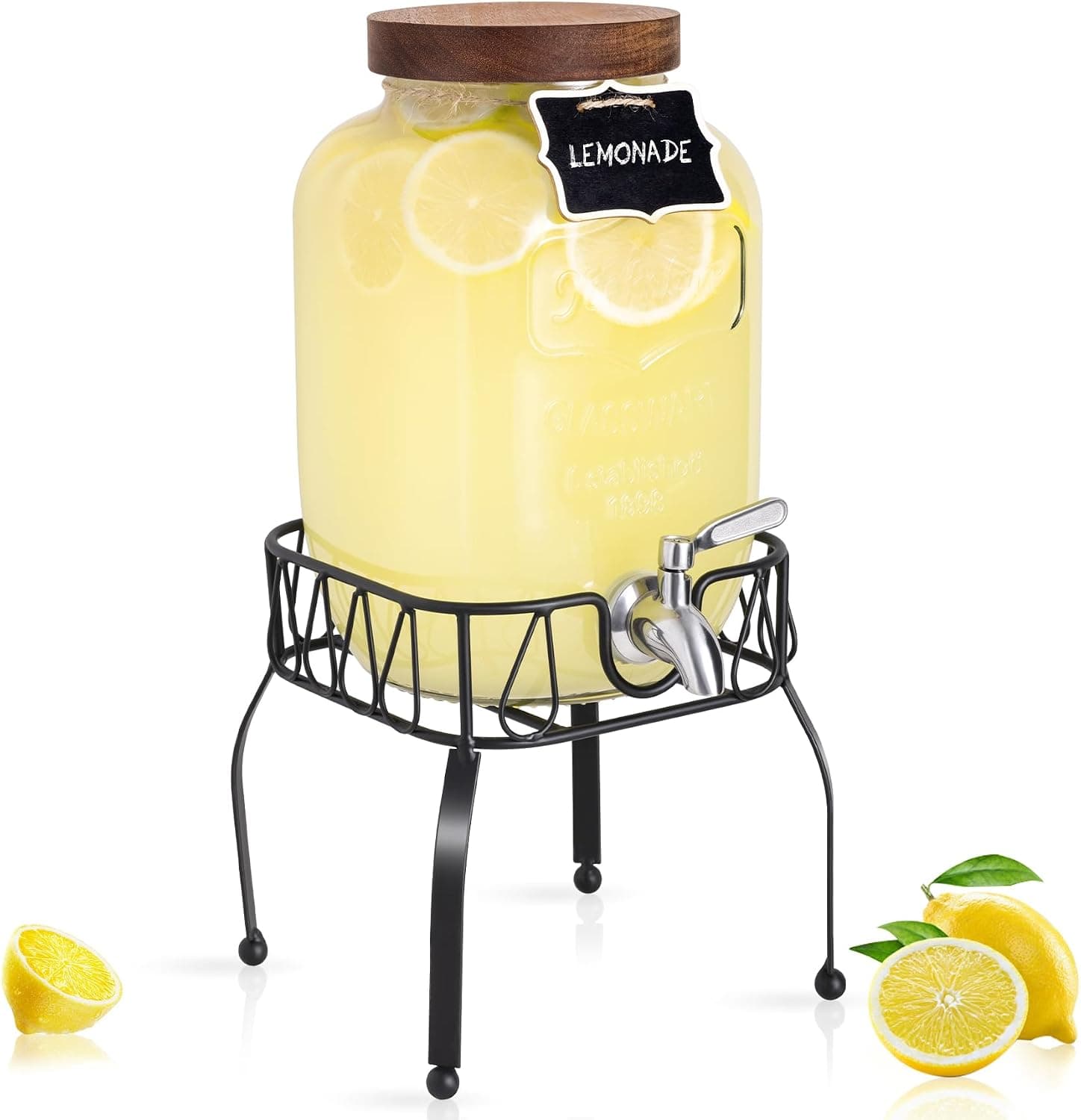
+ Solid stainless steel spigot resists acid better than plastic or coated taps
From our guide: Best Kombucha Vessels With Spigot
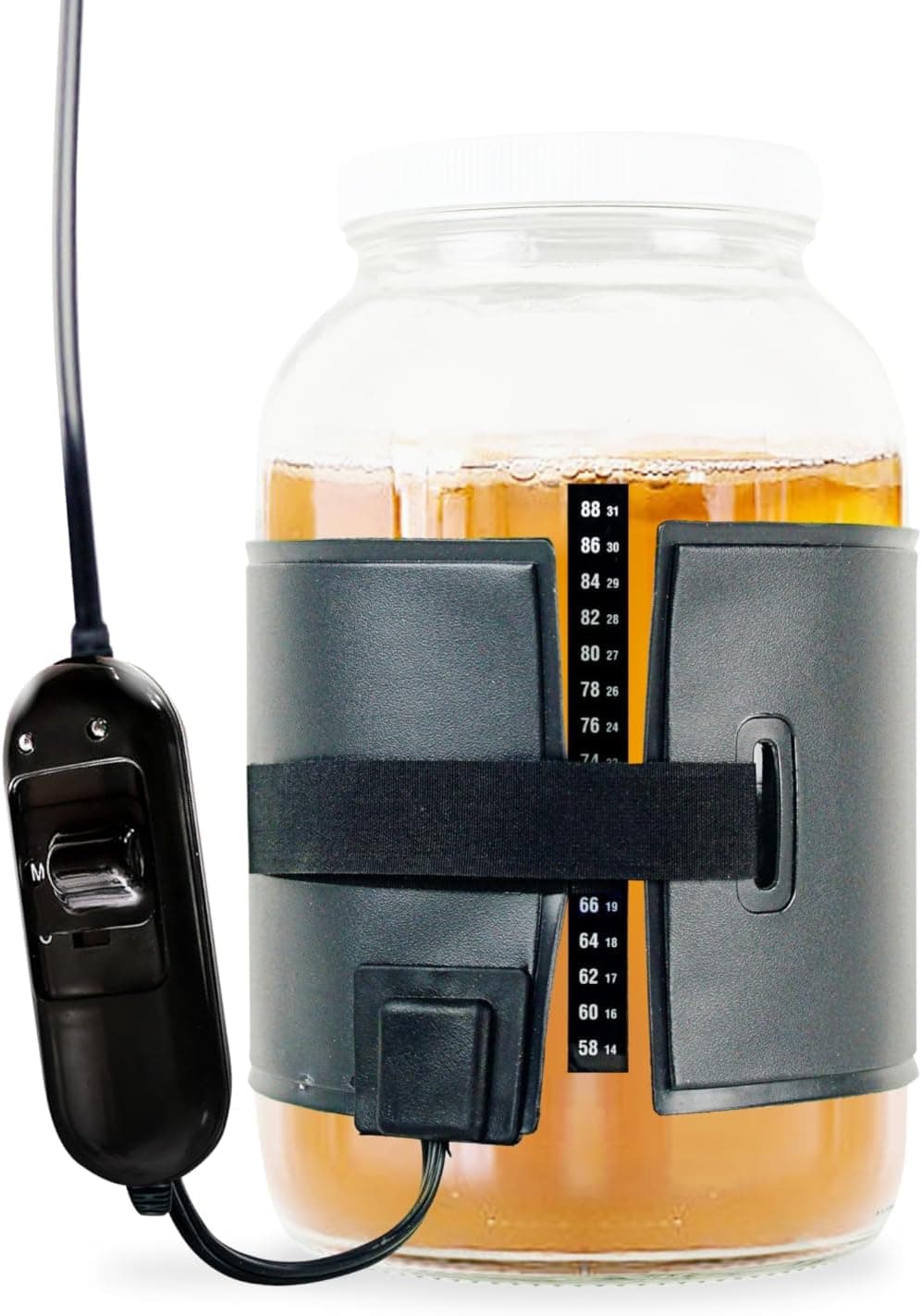
+ Adjustable temperature control helps hold the brew in its preferred range
From our guide: Best Kombucha Heating Mats
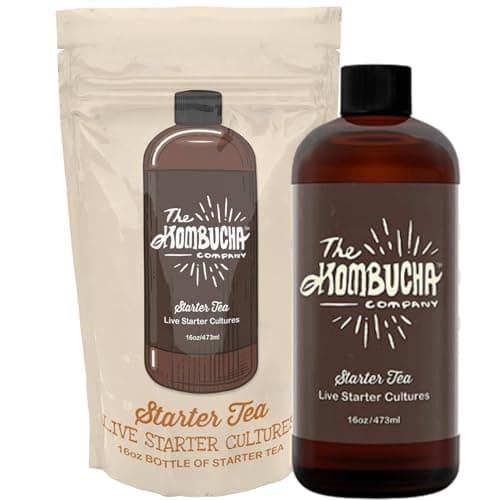
+ Twelve Ounces of starter tea is the right amount to acidify a full gallon safely
From our guide: Best SCOBY Starter Kits

What you need for a one-gallon batch
The standard home recipe scales from a simple ratio. For one gallon you need about 3.5 quarts (14 cups) of water, 1 cup of plain white sugar, 8 black or green tea bags (or about 2 tablespoons of loose leaf tea), 1 cup of unflavored starter tea from a previous batch or the liquid that came with your culture, and one healthy SCOBY. Some brewers use up to 2 cups of starter tea, which lowers the starting acidity faster and gives the culture a safer head start.
For equipment, use a one-gallon glass jar or a glass vessel with a spigot, a breathable cover such as a tightly woven cloth or paper coffee filter, a rubber band or string to hold it on, a large pot for steeping, and a long wooden or plastic spoon. Avoid reactive metals for the fermenting vessel itself, and avoid cracked or crazed ceramic with unknown glaze. A starter kit is the easiest way to get a live culture, and our SCOBY starter kits guide compares what comes in each one.
Step 1: Clean everything and brew the sweet tea
Wash the jar, spoon and any ladle or funnel with hot water and plain dish soap, then rinse thoroughly so no soap film remains. Do not use antibacterial products on anything that touches the culture. Wash your hands before touching the SCOBY and make sure they carry no lotion or soap residue.
Bring about 4 cups of the water to a near boil in the pot, turn off the heat and stir in the sugar until it dissolves completely. Add the tea bags and steep for 10 to 15 minutes, then remove them without squeezing hard. Add the remaining cold water, which brings the temperature down quickly. Plain black or green tea works best. Flavored teas that contain oils, such as Earl Grey with bergamot, can stress the culture, so save flavors for the second ferment.
Step 2: Cool the tea, then add the SCOBY and starter tea
The sweet tea must be at room temperature before the culture goes in. Heat above roughly 85 degrees Fahrenheit can damage the bacteria and yeast, so check with a thermometer or a stick-on strip rather than guessing by touch. Pour the cooled tea into the jar, leaving a few inches of headspace at the top.
Add the starter tea first, then gently slide the SCOBY in with clean hands. It may sink, float or sit sideways, and all of these are normal. The starter tea matters as much as the SCOBY, because its acidity protects the young batch while fermentation gets going. Cover the jar with the cloth and secure it with a rubber band so air can pass but insects cannot.
Step 3: Ferment at a steady room temperature
Place the jar out of direct sunlight, away from the stove and not in a drafty spot. A steady 68 to 78 degrees Fahrenheit is the range most home brewers aim for. Cooler rooms slow the process and can stretch a batch past two weeks, while warmer rooms speed it up and make the finished drink sharper. In a cold house, a heating mat or a warmer spot such as the top of a refrigerator can help, and our kombucha heating mats guide covers options built for this job.
Do not stir, shake or move the jar often. Over the first days a new SCOBY layer will form on the surface, and you may see brown stringy bits hanging below it, which are yeast and are normal. Bubbles and a slightly vinegary smell are also normal. A temperature strip on the outside of the jar gives you a quick reading without opening it, as covered in our brewing thermometer strips guide.
Step 4: Taste, decide when it is done, and bottle
Start tasting at about day 5 to 7. Move the SCOBY aside gently, or use a clean straw or spoon to draw a small sample from below the surface. Early on it tastes very sweet, then it moves through a sweet-tart balance, and eventually becomes sharply vinegary. Most people stop somewhere between 7 and 14 days, depending on temperature and personal taste. Longer fermentation uses up more of the sugar and gives a more acidic result.
When it tastes right, lift the SCOBY with clean hands into a clean bowl with at least 1 cup of the finished kombucha as starter tea for the next batch. Pour the rest into bottles or a clean pitcher, and refrigerate it. A vessel with a spigot makes this step simpler, and our kombucha vessels with spigot guide compares the common designs. For fizz and flavor, continue to a second ferment in sealed bottles, as explained in our article on the first and second ferment.
Signs of a healthy batch and signs to discard it
A healthy batch smells tart and slightly sweet, like cider vinegar, and grows a smooth, rubbery, cream to tan pellicle that can be thick or thin and may have holes, bumps or dark yeast strands. Some brewers use pH strips or a meter, and a finished kombucha commonly lands around 2.5 to 3.5. A reading above about 4.6 after the first days is generally treated as too high and a reason to start over.
Discard the entire batch, SCOBY included, if you see fuzzy, dry or powdery spots in white, green, blue or black on the surface. That is mold, and it is different from smooth pellicle growth and loose brown yeast strands. Also discard if the smell is rotten, cheesy or like nail polish remover, if the batch never develops any acidity, or if you are unsure. When in doubt, throw it out and start again with clean equipment. This article is general home brewing information, not health advice.
Common first-batch mistakes
Using too little starter tea is the most common cause of a weak or moldy first batch, so stay at 1 cup per gallon or more. Adding the SCOBY to warm tea, sealing the jar tightly during the first ferment, using honey or flavored tea in the first ferment, and keeping the jar in direct sun are the other frequent errors. Pressure from a sealed first-ferment jar is also a bursting risk, so keep the cloth cover.
If the batch tastes too sweet after two weeks, the room is probably cool and it simply needs more time. If it is too sour, shorten the next batch or dilute the finished drink with fresh tea. Neither is a failure. If you want a larger or continuous setup later, our kombucha brewing kits guide is the next place to look.
Frequently asked questions
How long does it take to make kombucha? Most batches take about 7 to 14 days for the first ferment at 68 to 78 degrees Fahrenheit. A second ferment in sealed bottles adds 2 to 4 days for carbonation and flavor, and bottles should be refrigerated afterward.
Can I make kombucha without a SCOBY? You need a culture, and that normally means a SCOBY plus starter tea. Some brewers grow a new one from a bottle of raw, unflavored kombucha, but it is slower and less predictable than starting with a live culture.
Can I use honey or other sweeteners instead of sugar? Plain white sugar is the standard because it feeds the culture reliably. Honey, artificial sweeteners and sugar substitutes are not recommended for the first ferment, and fruit juice is best kept for the second ferment.
Is it normal for the SCOBY to sink or look strange? Yes. A SCOBY can sink, float, tilt, grow bubbles or develop brown strands. The signs that matter are fuzzy mold on the surface and spoiled smells, which mean you should discard the batch.
Popular right now
- Brine Pickles or Vinegar PicklesArticle
- Water Quality and Chlorine in Home FermentationArticle
- The Best Vacuum Seal Bags for FermentationBuying guide
- Backslopping explainedGlossary
- Best Koji Starter SporesBuying guide
- Fermentation TemperatureArticle
Based on the last 28 days of search and visitor data.