How to Make Flat Kombucha Fizzy in the Second Ferment
Published How we research
Kombucha straight from the first ferment is only lightly sparkling, and most home brewers rely on a second ferment in sealed bottles to build real carbonation. When bottles open flat after days of waiting, the cause is usually a leaky seal, not enough sugar for the yeast, a cold room or kombucha that was bottled too late in the first ferment. Each is simple to adjust once you know what to look for.
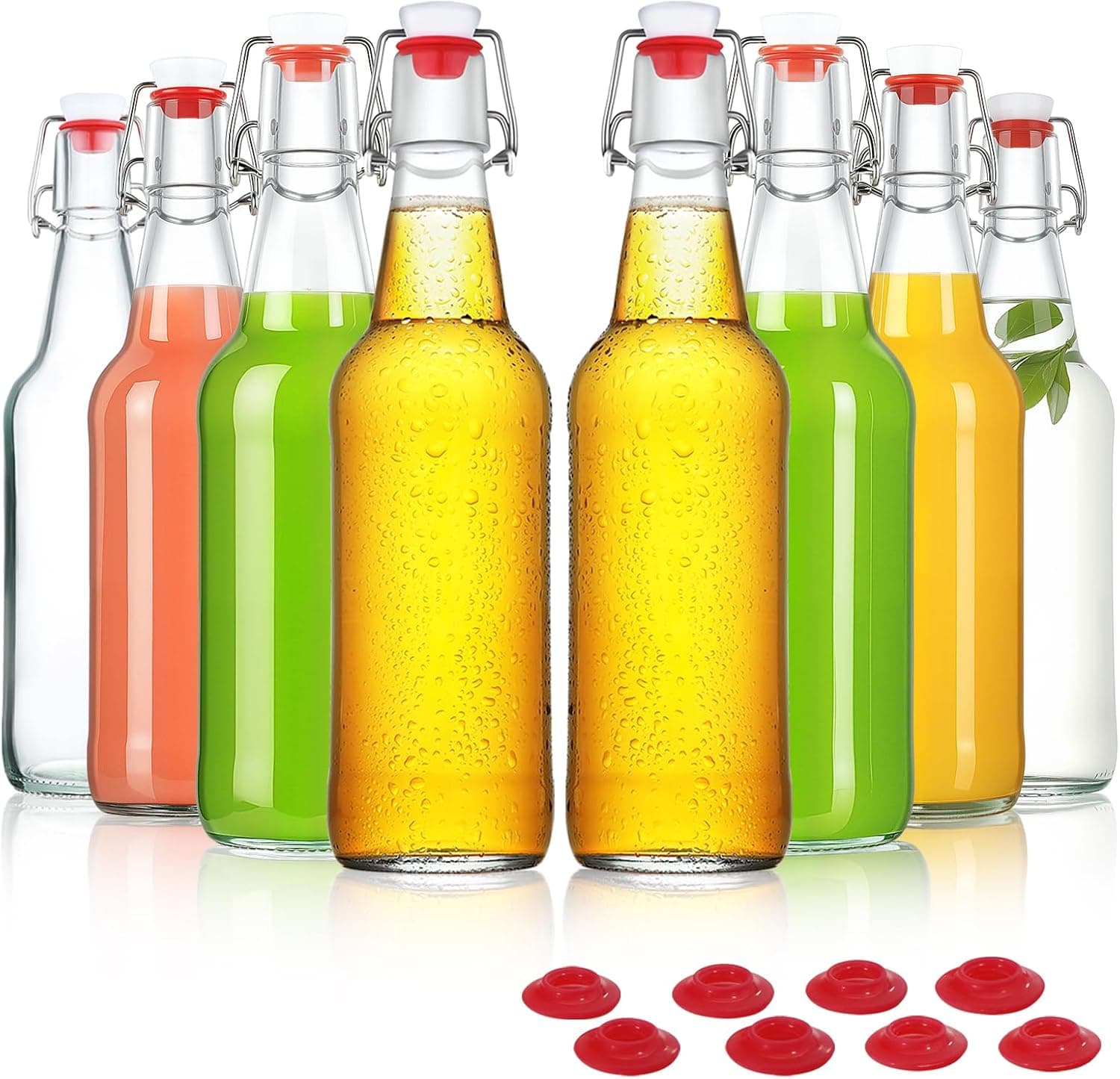
Use bottles that truly seal
Carbonation builds only when the carbon dioxide produced by yeast cannot escape. Swing-top bottles with worn rubber gaskets, recycled screw-top bottles and mason jars with loose lids often leak just enough gas to leave kombucha flat, even though they look closed.
Use pressure-rated glass bottles designed for fermentation, such as thick swing-top bottles with fresh gaskets. Never use thin decorative bottles or bottles not designed for pressure, since carbonated kombucha can build enough force to break them.
Add a little sugar for the yeast
By the end of the first ferment, much of the sugar has been consumed. If the kombucha tastes quite tart, there may not be enough sugar left for yeast to produce carbonation in the bottle.
Add a small amount of fruit juice, puréed fruit, honey or plain sugar to each bottle, often around a teaspoon of sugar or a splash of juice per 16-ounce bottle. Fruit and juice add flavour as well as food for the yeast, which is why flavoured kombucha often gets fizzier than plain.
Bottle at the right time
Bottling kombucha while it still has a hint of sweetness gives the yeast more to work with in the second ferment. Waiting until it tastes very sour and vinegary usually produces flatter bottles.
Taste the brew daily near the end of the first ferment and bottle when it has a balance of sweet and tart you enjoy. Include some of the liquid from the top of the vessel, which contains active yeast.
Keep bottles warm enough
Yeast works slowly in cool rooms, so bottles that carbonate in three days in summer may need a week or more in winter. Temperatures around 70-78°F (21-26°C) usually give reliable carbonation.
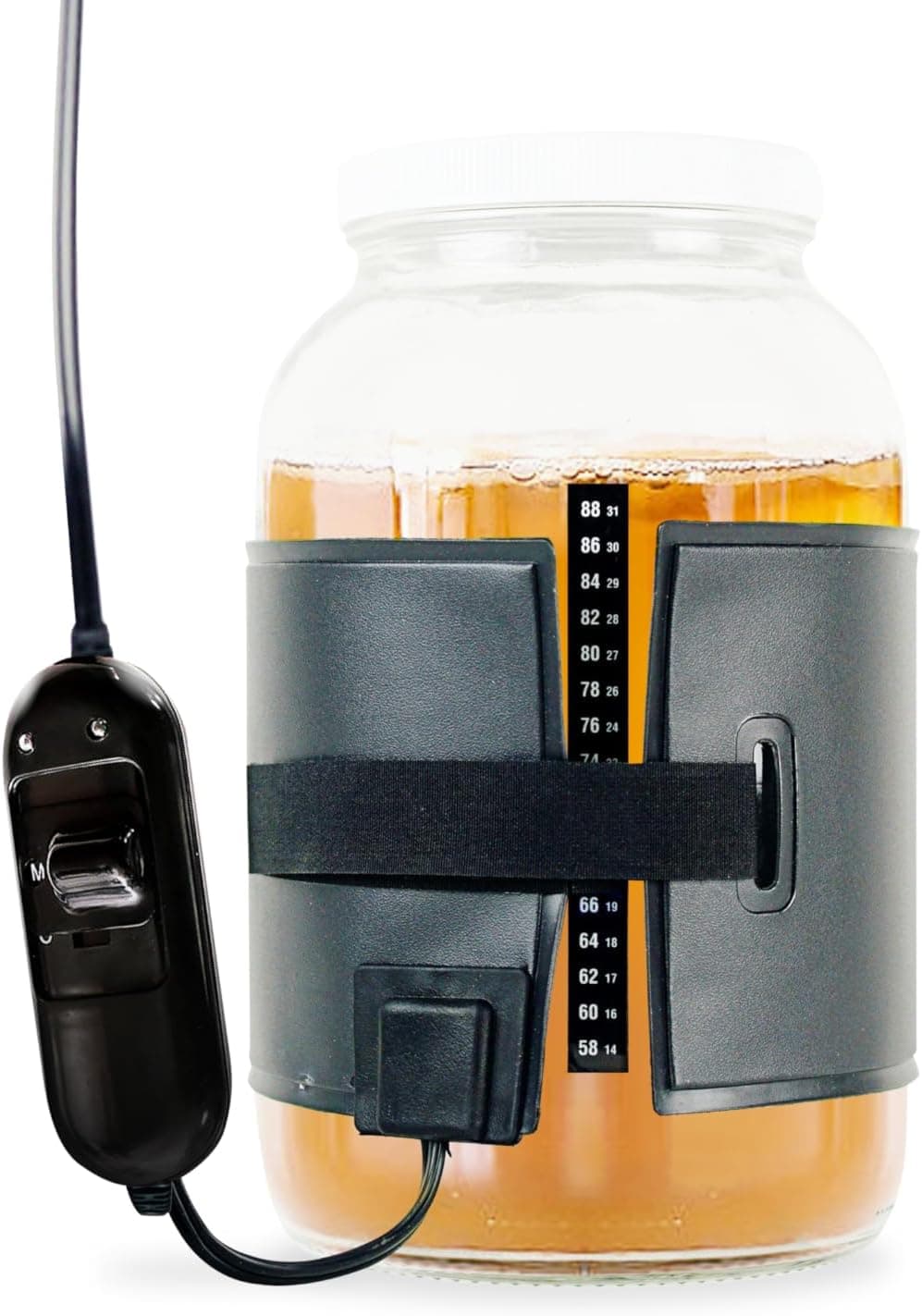
Place bottles in a warm cupboard, on top of the fridge or on a heat mat with a thermostat. Once carbonation is right, move bottles to the refrigerator to slow fermentation and stop pressure building further.
Check pressure safely
Open one test bottle after a few days to check progress, pointing it away from your face over the sink. A small plastic bottle filled alongside the glass bottles also helps, since it becomes firm when carbonation has built.
Over-carbonated bottles can gush or burst, especially with lots of fruit and warm temperatures. Burp bottles if needed, chill them before opening and wear eye protection if you suspect high pressure.
Leave the right headspace
Too much empty space at the top of a bottle gives gas room to collect without dissolving into the kombucha. Fill bottles to about an inch from the top.
Straining out large fruit pieces after the second ferment and pouring gently into chilled glasses also preserves fizz. Pouring warm kombucha releases carbonation quickly.
Products from this article
The highest-scoring picks from the buying guides mentioned above. Scores are our editorial assessment, not customer ratings.
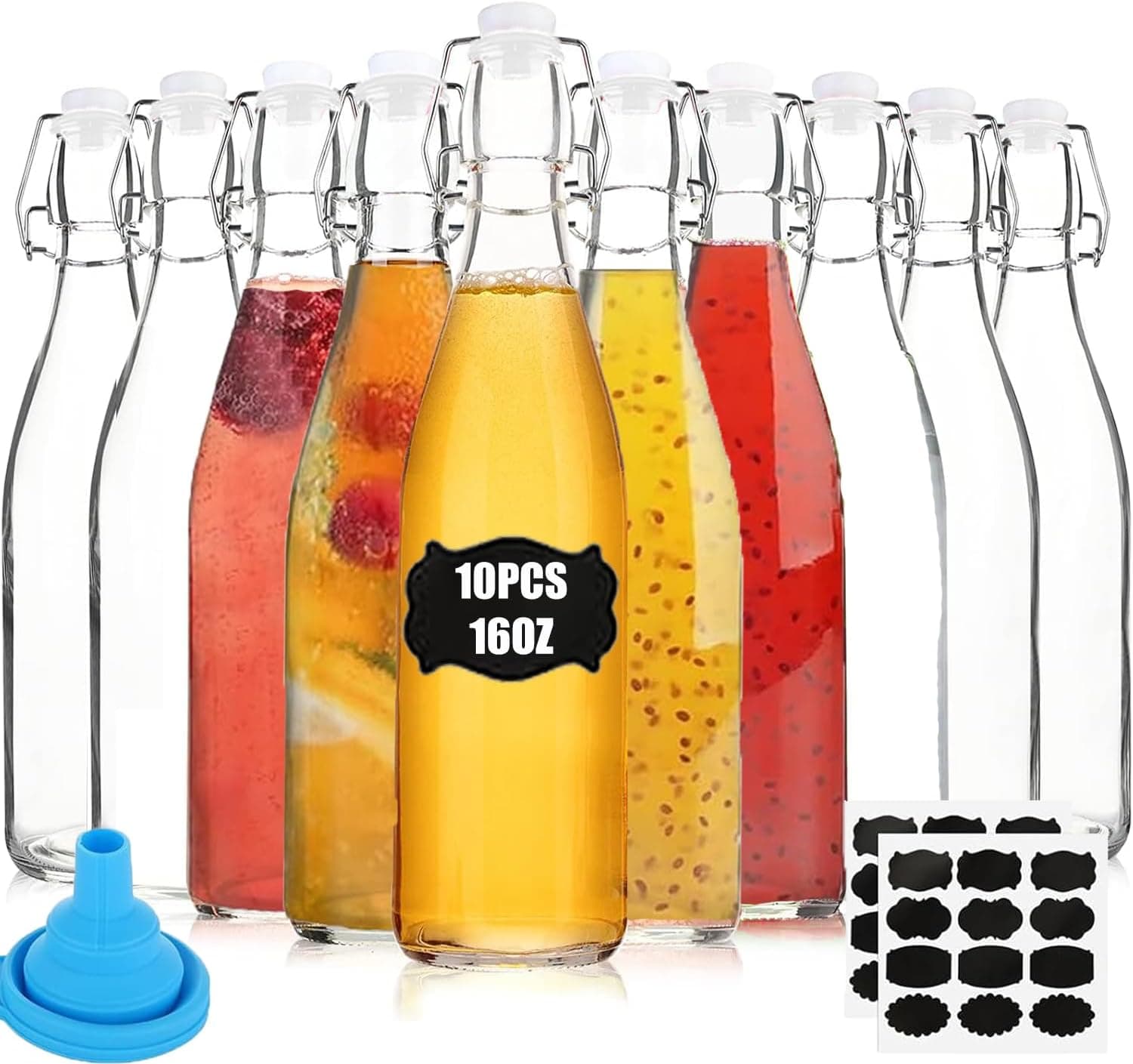
+ 10 Pack gives extra bottles beyond a single gallon batch
From our guide: The Best Swing Top Bottles for Kombucha and Fermented Drinks
+ Adjustable temperature control helps hold the brew in its preferred range
From our guide: Best Kombucha Heating Mats
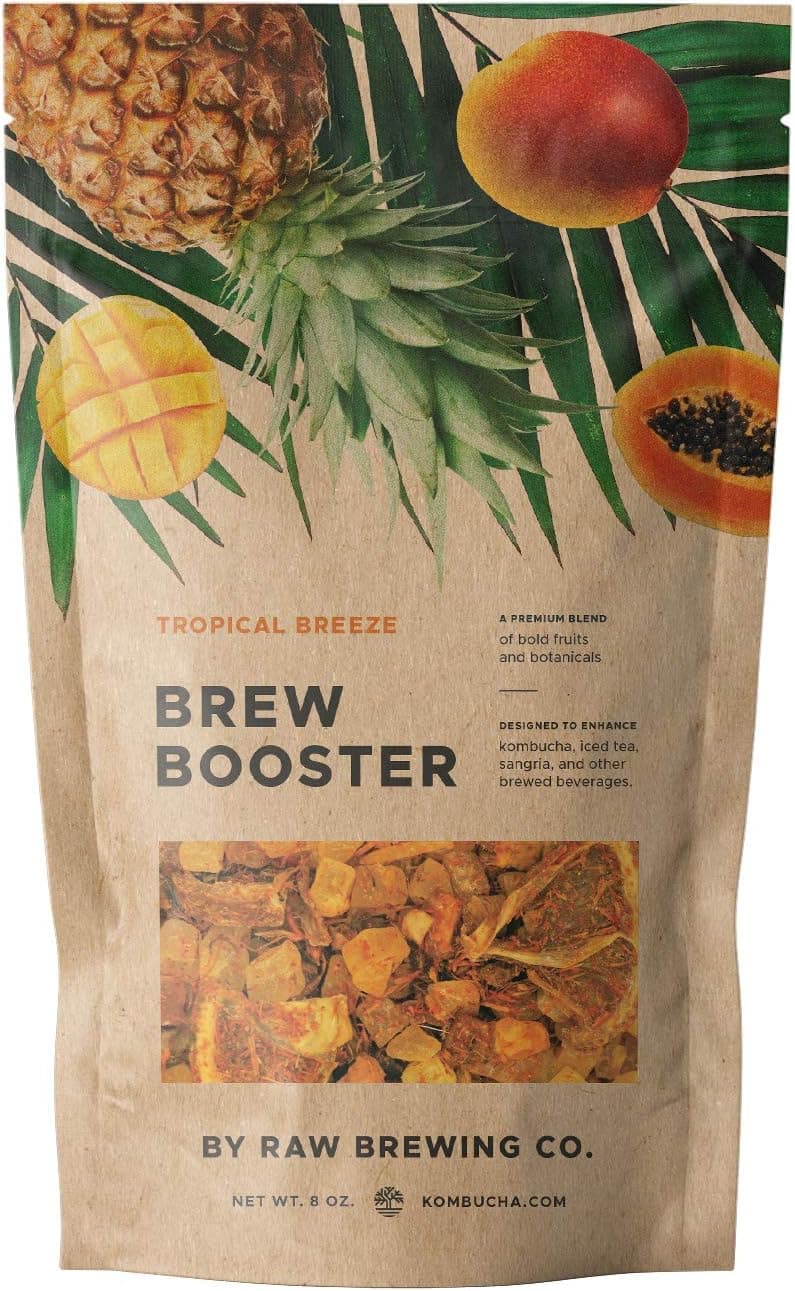
+ Pineapple, mango and papaya create a bright tropical second ferment
From our guide: Best Kombucha Flavoring Kits
+ 8 Pack covers a full gallon of kombucha bottling
From our guide: The Best Swing Top Bottles for Kombucha and Fermented Drinks
Popular right now
- Brine Pickles or Vinegar PicklesArticle
- Lacto Fermented Hot Sauce From Fresh ChilliesArticle
- How Fermentation WorksArticle
- Fermented SalsaArticle
- Storing Finished Ferments So They Keep Their CharacterArticle
- Water Quality and Chlorine in Home FermentationArticle
Based on the last 28 days of search and visitor data.