Lacto Fermented Hot Sauce From Fresh Chillies
Published How we research
Choose fresh chillies for your desired heat level, mixing types and adding sweet pepper for balance, then chop and pack them with garlic into a jar covered by a 3-5 percent salt brine, weighted down so nothing floats. Ferment at cool room temperature for one to three weeks, tasting until the raw sharpness rounds out. Drain but keep the brine, blend the solids with brine to your preferred consistency, then strain for a glossy texture and adjust with vinegar, sugar, or salt. Store refrigerated for months, and keep notes on brine percentage and ferment length for reproducibility. Lacto fermented hot sauce is one of the most rewarding projects in home fermentation because the transformation is so obvious. Raw chillies blended with vinegar taste sharp and one dimensional. The same chillies fermented for two weeks first taste rounder, deeper and more savoury, with a fruitiness that was not there before. The method is essentially a brine pickle that gets blended at the end, so if you have made pickles you already know most of it.
Products from this article
The highest-scoring picks from the buying guides this article links to. Scores are our editorial assessment, not customer ratings.
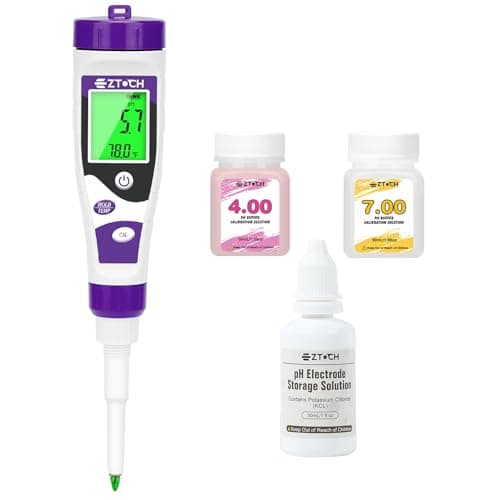
+ Swiss Spear pH Electrode pierces cheese, meat and firm vegetables
From our guide: The Best pH Meters for Fermentation
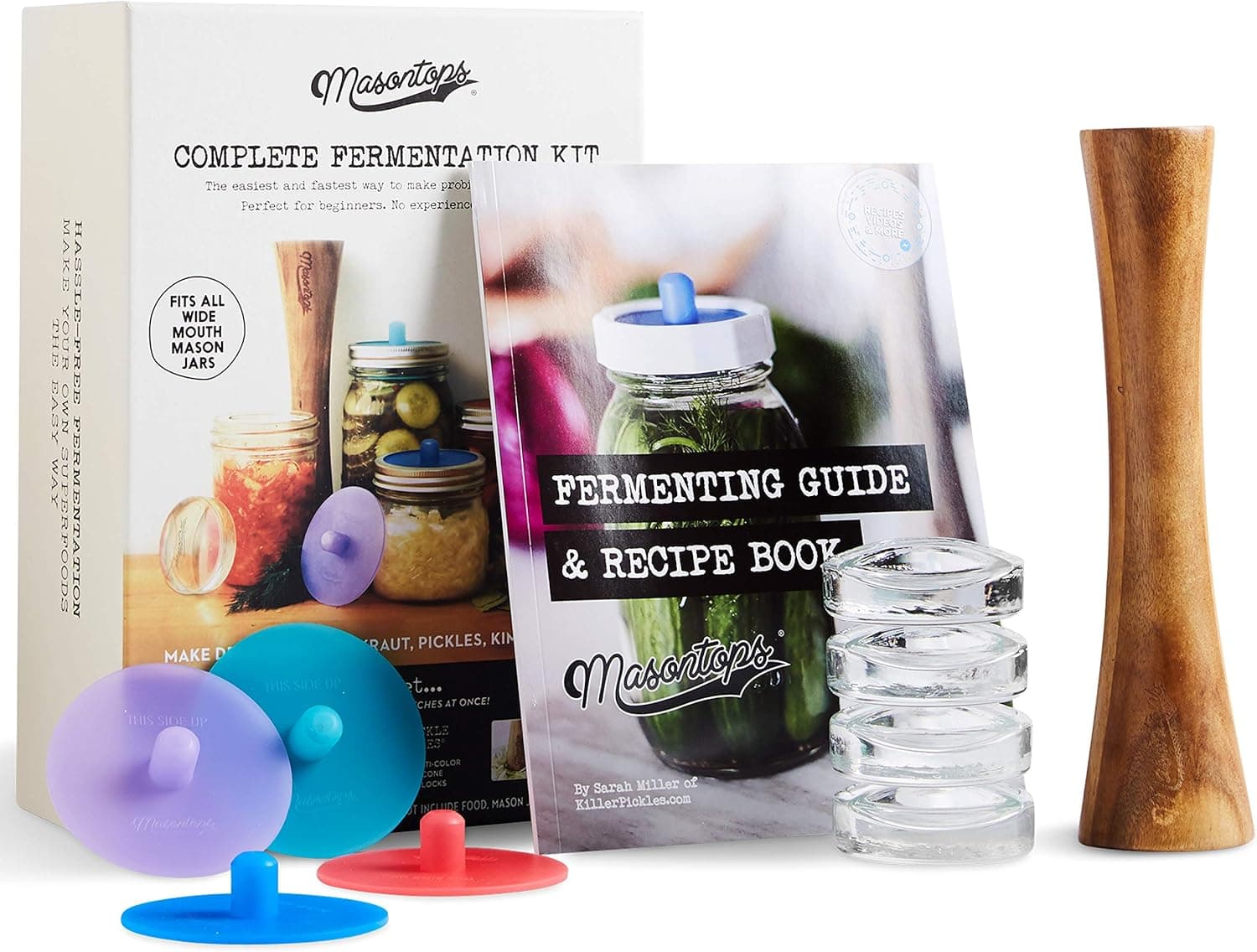
+ Pickle Pipes are waterless silicone valves, so there is no airlock to refill
From our guide: Best Fermentation Gifts
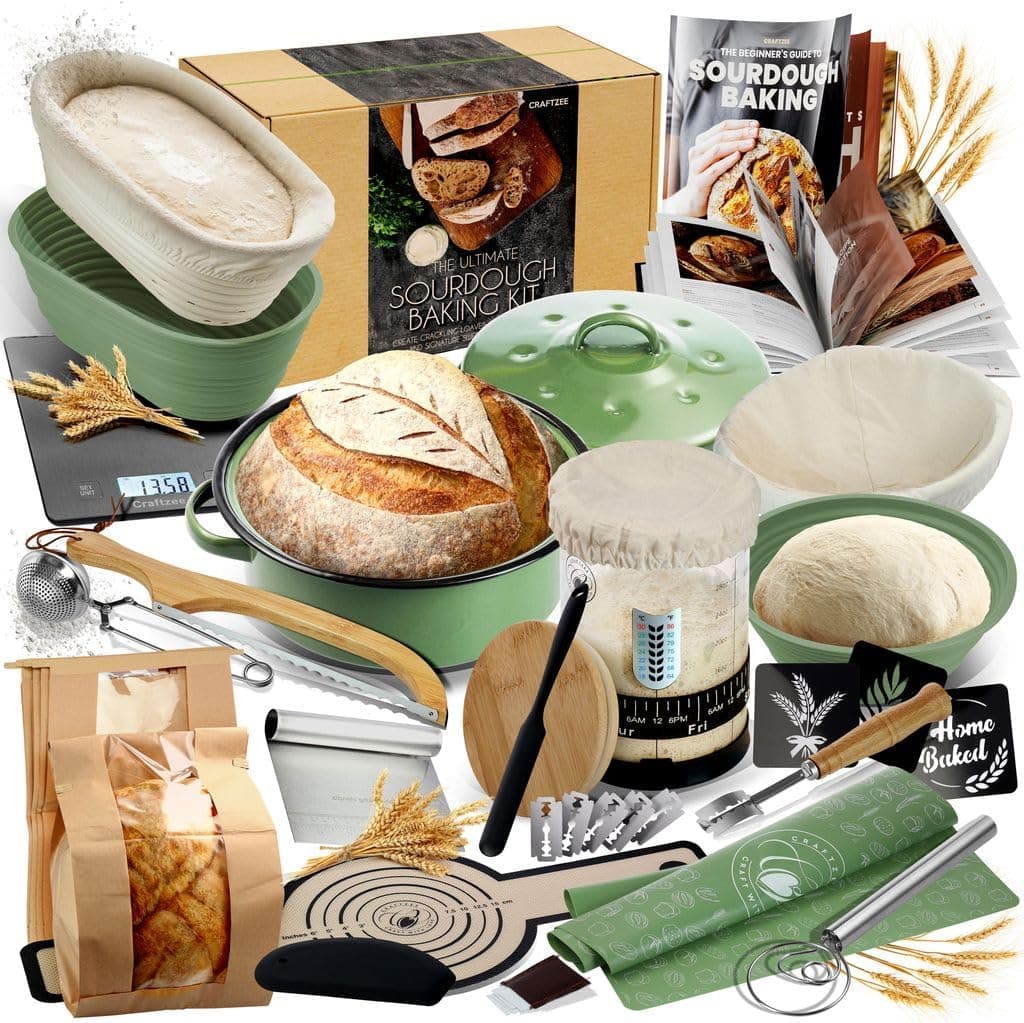
+ Scale is included, which is key for accurate sourdough feeding
From our guide: The Best Sourdough Starter Kits for Home Bakers
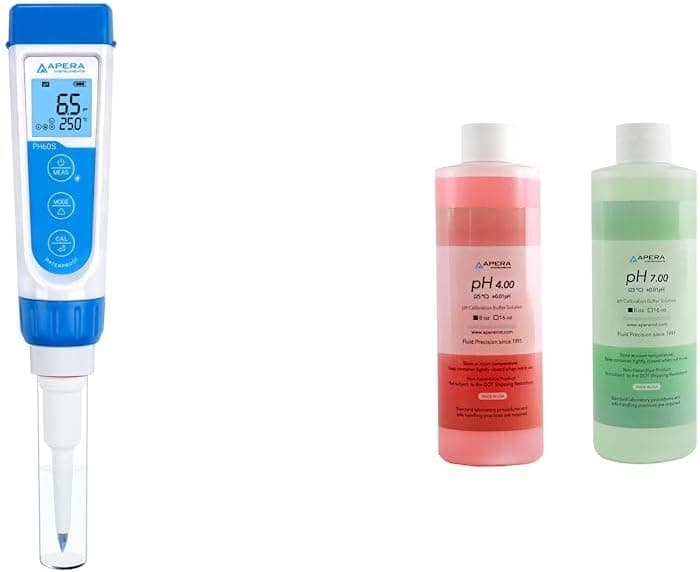
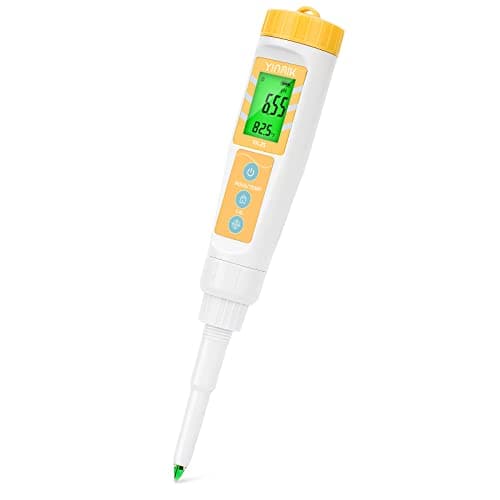
+ Spear tip goes directly into semi-solid samples such as sourdough, fermented salsa or pepper mash.
From our guide: The Best pH Meters for Fermentation
Choose your chillies and heat level
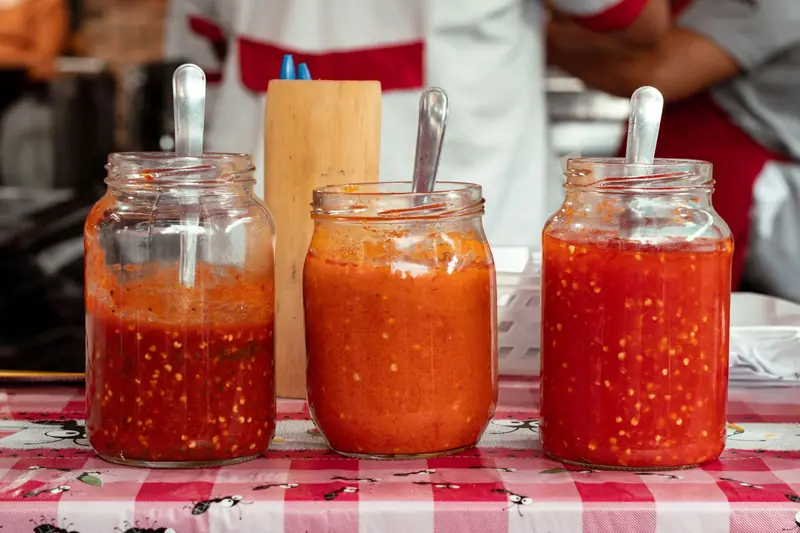
Start with fresh, firm chillies and decide what heat level you want. Jalapenos and Fresno types give a mild sauce with plenty of flavour. Cayenne and serrano sit in the middle. Habanero and scotch bonnet bring both serious heat and a distinct tropical fruitiness. Mixing types is often better than using one, and adding a proportion of sweet red pepper bulks the sauce out, softens the heat and improves the colour. Remove stems, and remove seeds and membranes if you want to reduce heat. Wear gloves with anything hotter than a jalapeno and keep your hands away from your face.
The simplest approach is a brine ferment
The simplest approach is a brine ferment. Roughly chop the chillies along with whole peeled garlic cloves, and pack them into a jar. Then cover completely with a brine of 3 to 5 percent salt by weight of water, which means 30 to 50 grams of salt per litre. Onion, carrot, mango or a little fresh ginger can go in as well. Weigh the solids down so nothing floats, leave headspace, and fit an airlock lid or plan to burp the jar daily. Chillies float aggressively, so a proper weight matters more here than in most ferments.
Ferment at cool room temperature for one to three weeks
Ferment at cool room temperature for one to three weeks. You should see bubbles within a few days and the brine will turn cloudy, while the chillies fade from glossy bright to a duller shade. Taste the brine after a week. When it is clearly sour and the raw sharpness of the chilli has softened into something rounder, the ferment has done its job. Longer ferments up to a month or two develop more complexity, which suits sauces you plan to keep, and shorter ones keep a fresher, brighter character.
Blend, strain, and adjust the finished sauce
To finish, drain the solids but keep the brine, then blend the solids with brine added gradually until you reach the consistency you want. A thick pourable sauce usually needs less liquid than people expect. Blend thoroughly for a smooth result, or briefly for a rustic one. Straining through a sieve gives that glossy commercial texture and leaves behind skins and seeds, which you can dehydrate into a chilli powder rather than waste. Adjust with a splash of vinegar for brightness and shelf stability, a little sugar or honey to balance, and salt if it needs it.
Store and let it mellow further
Store finished sauce in the refrigerator, where it keeps for months and continues to mellow. Because the sauce is already acidic from fermentation, added vinegar is about flavour and insurance rather than necessity, though a good splash makes the sauce more stable and is what most commercial fermented sauces do. Bottles will still produce a little gas from residual activity, so use a lid you can open easily and open it over the sink for the first week or two.
A few habits that improve the results
A few habits improve the results. Ferment single varieties separately if you want to learn what each contributes, then blend at the finishing stage. Keep notes on brine percentage, ferment length and the ratio of chilli to sweet pepper, since hot sauce is a recipe you will want to reproduce. And go easy on garlic in long ferments, because it grows more assertive rather than milder over time and can dominate a sauce you meant to taste of chillies.
Frequently asked questions
How long should hot sauce ferment before blending? One to three weeks at cool room temperature, tasting the brine after a week; longer ferments up to a month or two develop more complexity for sauces meant to be kept.
What salt percentage is used for fermented hot sauce brine? A brine of 3 to 5 percent salt by weight of water, meaning 30 to 50 grams of salt per liter, covering the chopped chillies and garlic completely.
Do I need to add vinegar to lacto-fermented hot sauce? Not strictly, since fermentation already makes the sauce acidic, but a splash of vinegar adds brightness and shelf stability, which is what most commercial fermented sauces do.
How long does homemade fermented hot sauce keep? It keeps for months in the refrigerator and continues to mellow, though bottles may still produce a little gas from residual activity, so open them over the sink at first.
Popular right now
- Brine Pickles or Vinegar PicklesArticle
- Water Quality and Chlorine in Home FermentationArticle
- The Best Vacuum Seal Bags for FermentationBuying guide
- Backslopping explainedGlossary
- Best Koji Starter SporesBuying guide
- Fermentation TemperatureArticle
Based on the last 28 days of search and visitor data.