Making Tempeh at Home
Published How we research
Soybeans must be dehulled, cooked tender, and dried on the surface before inoculation, since wet beans grow bacteria instead of mould. Acidify the cooking water with vinegar to favor Rhizopus, then mix cooled beans with spore starter and pack into perforated bags about two to three centimeters deep. Incubate at 30-32 degrees Celsius for 24-48 hours, watching for white mycelium rather than the clock, and reduce heat if the tempeh generates its own warmth. Refrigerate as soon as it's ready; reject any batch with ammonia smell, slimy patches, or bright colored moulds. Tempeh is a mould ferment, and it is the one home project that most resembles running a small incubator. Cooked soybeans are inoculated with Rhizopus spores, held at a warm steady temperature for a day or two, and knitted together by white mycelium into a firm cake you can slice and fry. It is more technical than sauerkraut because you have to control temperature and airflow, but the ingredient list is short and the payoff is a food that is expensive and often disappointing when bought.
Products from this article
The highest-scoring picks from the buying guides this article links to. Scores are our editorial assessment, not customer ratings.
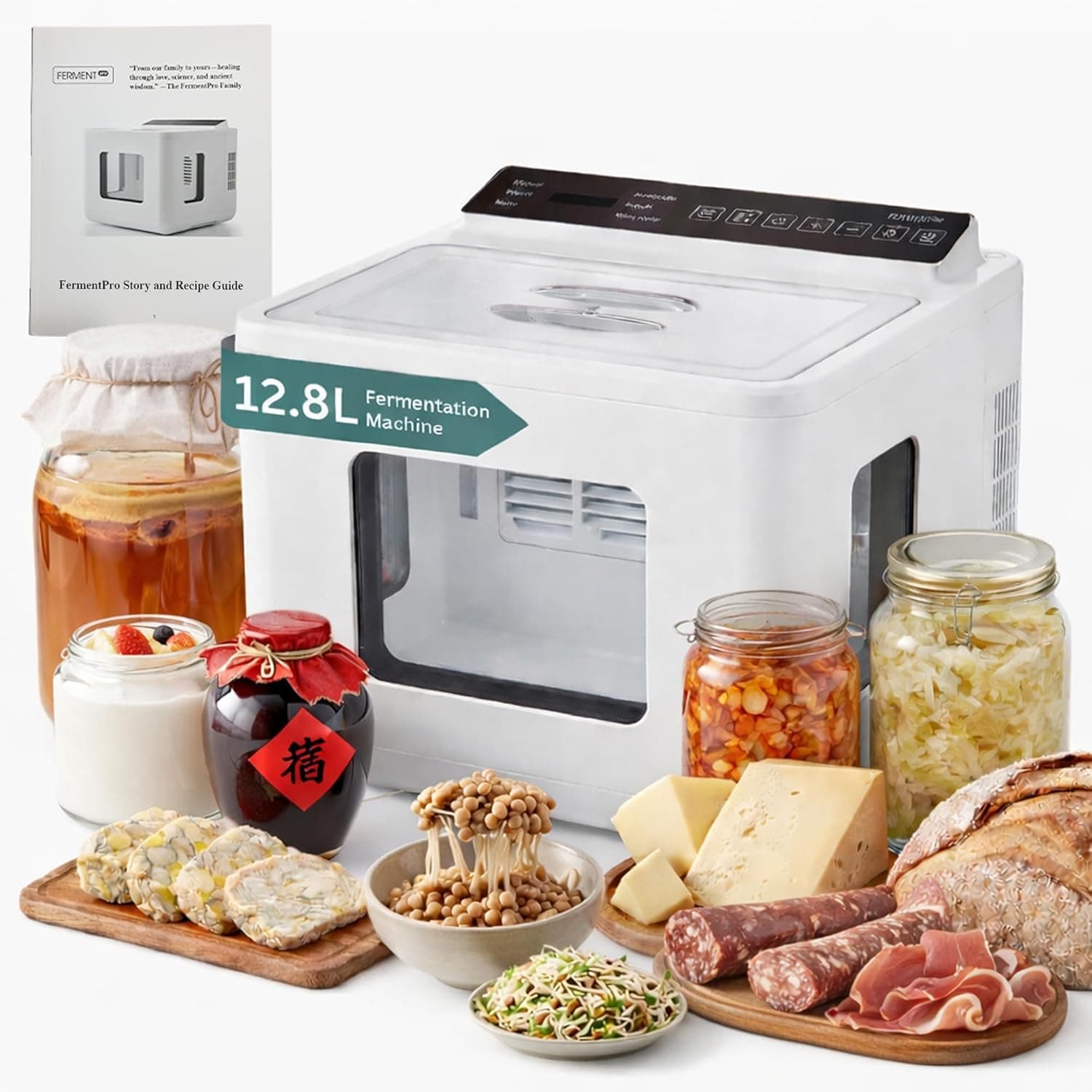
+ 12.8L chamber fits trays of tempeh or several yogurt jars at once
From our guide: Best Tempeh Incubators and Proofing Boxes
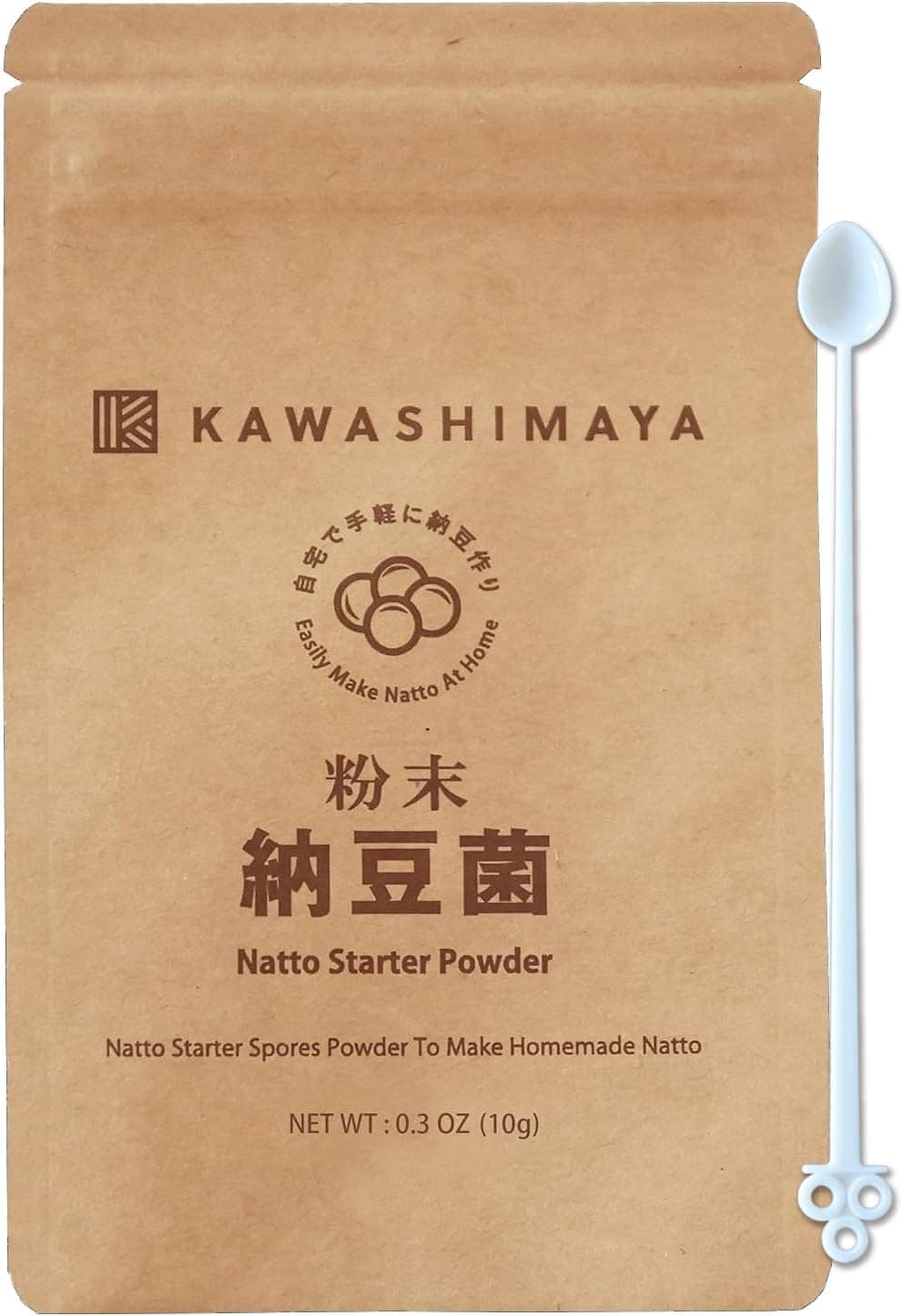
+ 3g of powder makes 10-30kg of natto, a very high yield
From our guide: Best Natto Making Supplies and Starters
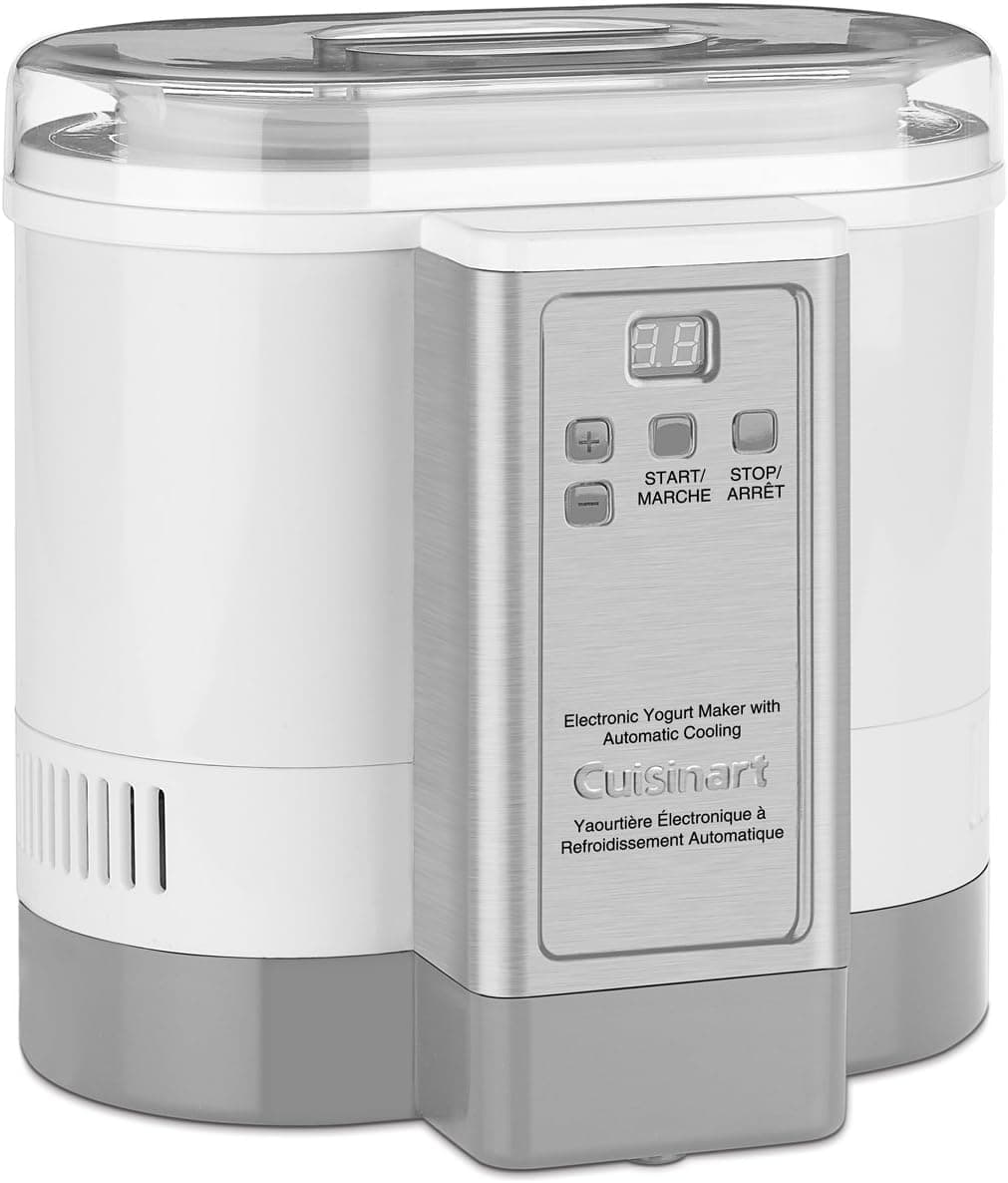
+ Automatic Cooling stops fermentation so yogurt does not over-sour
From our guide: Best Yogurt Makers for Home Use
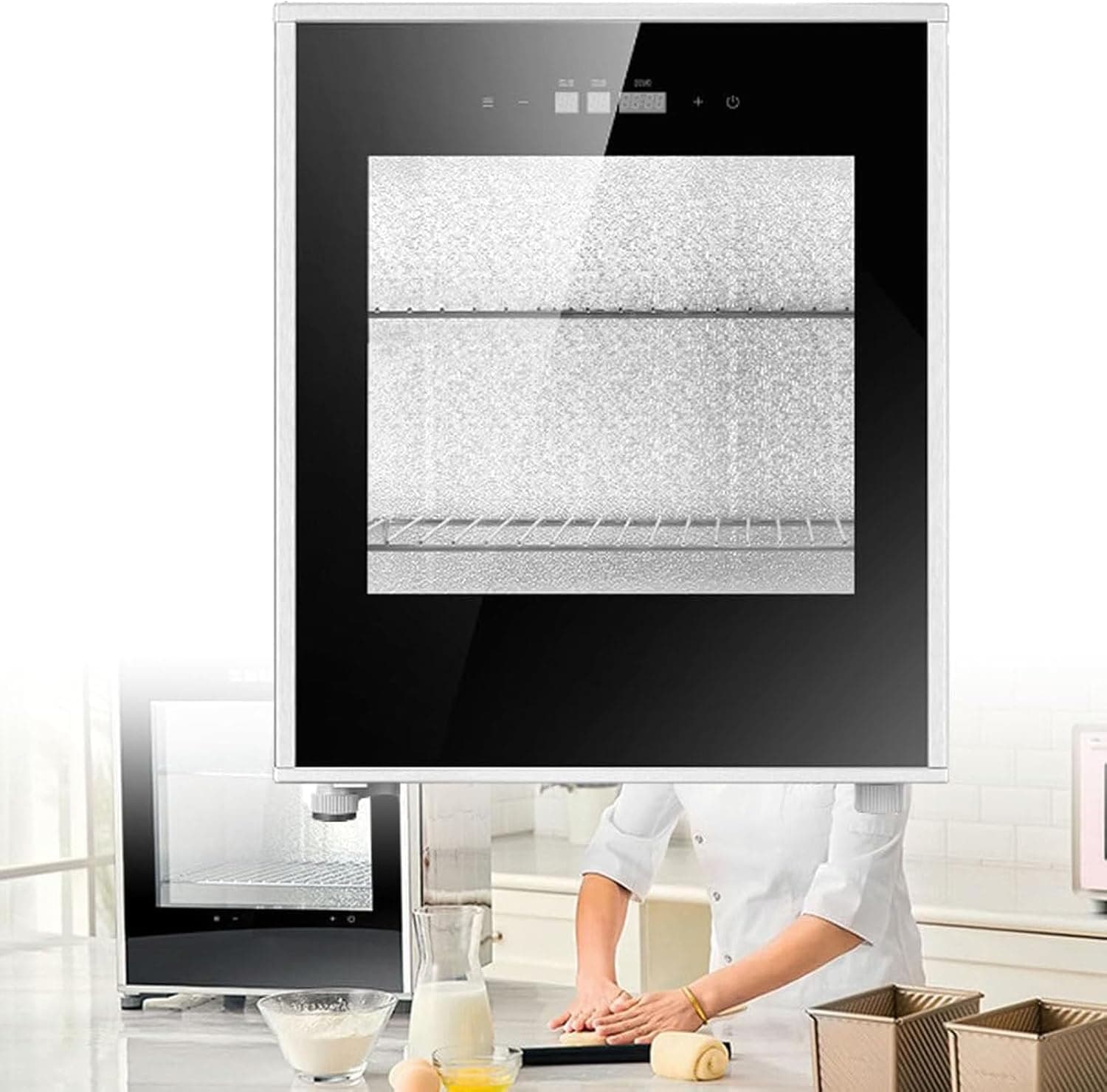
+ Humidity and Temperature Control are ideal for tempeh mold growth
From our guide: Best Tempeh Incubators and Proofing Boxes
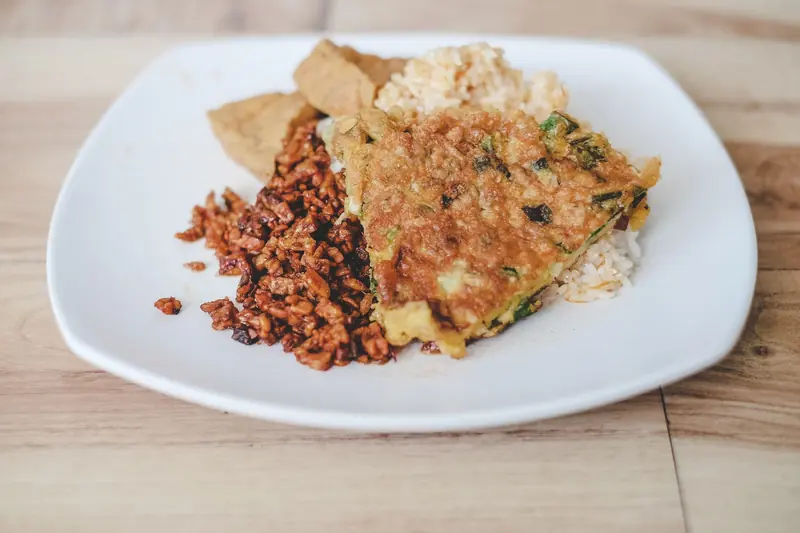
The beans need three things before inoculation
The beans need three things before inoculation. They must be dehulled, because the mould struggles to penetrate intact skins. They must be cooked until tender but not falling apart. And they must be dry on the surface, because wet beans grow bacteria instead of mould. Soaking dried soybeans overnight loosens the hulls, which you rub off by hand and float away with water changes. Cracked, pre dehulled soybeans save considerable time. Chickpeas, black beans and mixtures of beans and grains all work if soybeans are hard to find.
Acidifying the cooking water is a step beginners skip
Acidifying the cooking water is the step beginners skip and later regret. Adding a splash of vinegar to the beans while they cook lowers the pH, which suits Rhizopus and discourages competing bacteria. After cooking, drain the beans thoroughly and spread them out, then dry them with a towel or in a warm pan until the surfaces look matte rather than glossy. They should be at body temperature or cooler before the starter goes in, since hot beans kill spores.
Mix in the starter and pack the mixture
Mix the spore starter through the cooled beans until it is evenly distributed, following the quantity on the packet. Pack the mixture into perforated bags or a shallow container about two to three centimetres deep. The perforations matter, because Rhizopus needs some air exchange but not a draught. Holes spaced roughly two centimetres apart in a plastic bag, made with a fork or a needle, is the standard home approach. Press the beans into an even layer so the mould has a continuous surface to colonise.
Incubation is the part that needs equipment
Incubation is the part that needs equipment. Rhizopus wants around 30 to 32 degrees Celsius, held for 24 to 48 hours. An oven with only the light on, a proofing box, a seedling heat mat inside a closed cooler box, or a dehydrator with adjustable temperature all work. Whatever you use, put a thermometer next to the tempeh rather than trusting a dial. The important detail is that the tempeh generates its own heat once it gets going, sometimes several degrees above the ambient temperature, so around the halfway point you may need to reduce the external heat to avoid cooking your own culture.
Watch the progress rather than the clock
Watch the progress rather than the clock. For the first ten hours or so nothing much appears to happen. Then a faint white fuzz spreads between the beans, and within a few more hours the cake becomes visibly knitted. Finished tempeh is firm enough to lift as one piece, densely covered in white mycelium, and smells pleasantly of mushrooms and nuts. Grey or black patches of sporulation, often around the perforations, are the mould maturing and are not harmful, though most people stop the ferment before that stage for a milder flavour.
Refrigerate promptly and know the warning signs
Refrigerate the finished cake as soon as it is ready, which halts growth. It keeps for about a week refrigerated and freezes well, so a large batch is worth the trouble of setting up an incubator. Signs to reject a batch are a strong ammonia smell, slimy wet patches, or bright coloured moulds in blue, green or pink. Those usually trace back to beans that were too wet, an incubator that ran too hot, or skipping the acidification, and each of those is straightforward to correct on the next attempt.
Frequently asked questions
What temperature do you incubate tempeh at? Rhizopus wants around 30 to 32 degrees Celsius, held for 24 to 48 hours, using an oven with the light on, a proofing box, or a heat mat with a thermometer placed next to the tempeh.
Why do you add vinegar when cooking beans for tempeh? Acidifying the cooking water lowers the pH, which suits the Rhizopus mould and discourages competing bacteria from taking hold.
How do I know when homemade tempeh is finished? Finished tempeh is firm enough to lift as one piece, densely covered in white mycelium, and smells pleasantly of mushrooms and nuts, usually after 24 to 48 hours of incubation.
What are the warning signs of a failed tempeh batch? A strong ammonia smell, slimy wet patches, or bright colored moulds in blue, green, or pink, usually traced back to beans that were too wet or an incubator that ran too hot.
Popular right now
- Brine Pickles or Vinegar PicklesArticle
- Water Quality and Chlorine in Home FermentationArticle
- The Best Vacuum Seal Bags for FermentationBuying guide
- Backslopping explainedGlossary
- Best Koji Starter SporesBuying guide
- Fermentation TemperatureArticle
Based on the last 28 days of search and visitor data.