Milk Kefir Daily Routine
Published How we research
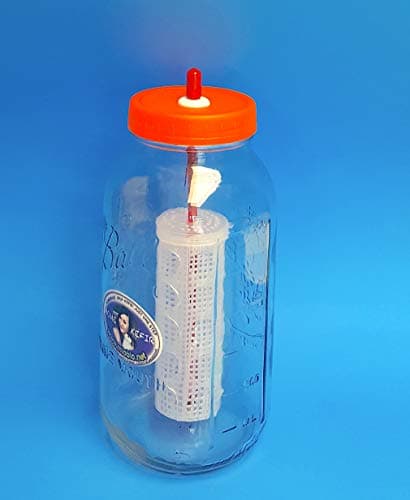
Milk kefir is the most demanding of the common home ferments in one specific way. It does not wait for you. The grains are a living culture that keeps eating whatever milk they are sitting in, so the practical question is never whether you can make kefir but whether you can build a routine that fits your actual week. Once that routine exists, the whole thing takes about two minutes a day and produces a steady supply of tangy cultured milk without any measuring or thinking.
Products from this article
The highest-scoring picks from the buying guides this article links to. Scores are our editorial assessment, not customer ratings.
+ Open and closed twist positions let the same lid allow airflow during fermenting and seal the jar afterwards.
From our guide: Best Kefir Fermenters and Brewing Jars
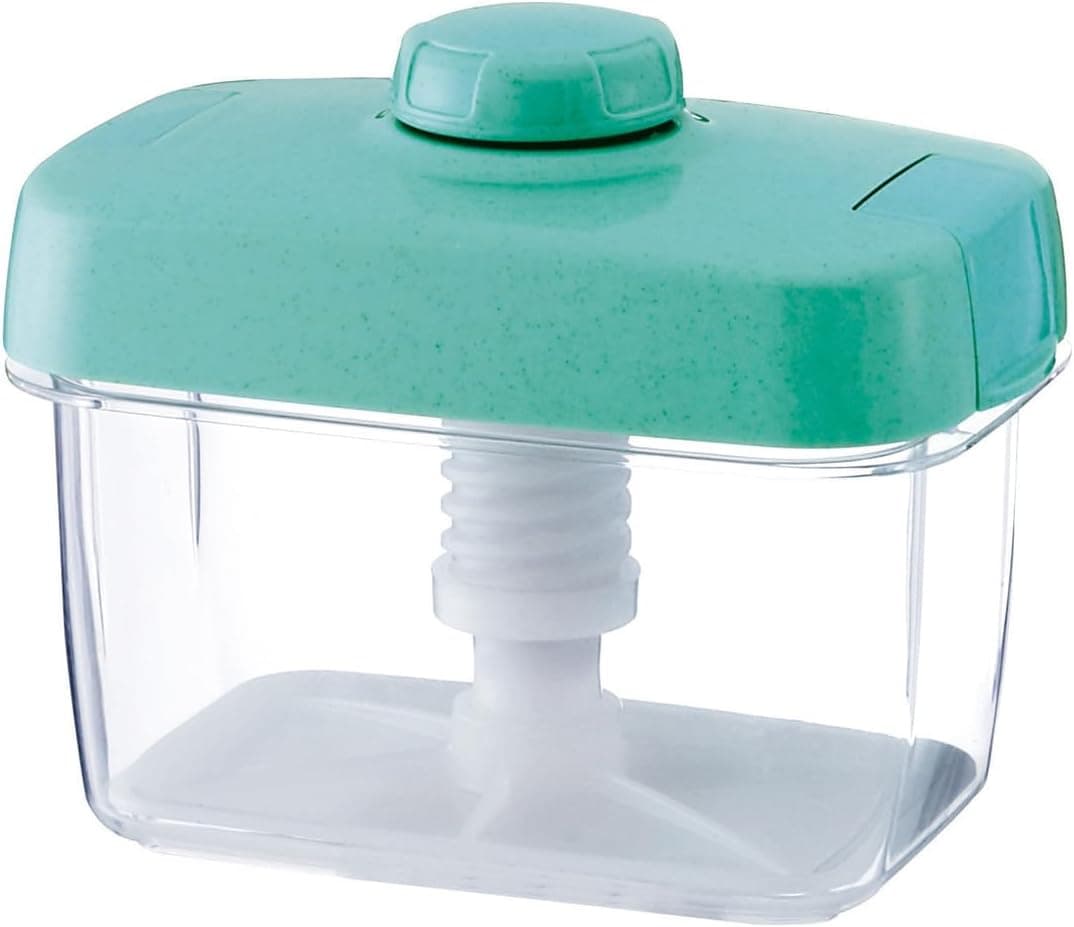
+ 1.6L capacity handles a family side dish of pressed pickles
From our guide: Best Vegetable Fermentation Presses and Weights
+ Shipped in Glass Jar protects the grains better than a plastic bag
From our guide: Best Milk Kefir Grains for Home Brewing
+ Grains stay in the mesh container, so there is no straining step or second jar to wash, per the listing.
From our guide: Best Kefir Fermenters and Brewing Jars


Milk kefir grains are soft, irregular white clusters that look a little like small cauliflower florets. They are not seeds and they are not the same as water kefir grains. Inside each cluster is a stable community of bacteria and yeast held together in a matrix, and that community is what ferments the milk. Unlike a yogurt culture, the grains are reusable indefinitely. You strain them out, put them into fresh milk, and they carry on. Well kept grains slowly grow, which means you eventually have more than you need and can share or dry the surplus.
The basic ratio is roughly one tablespoon of grains to two cups of milk, which ferments in about twenty four hours at normal room temperature. Put the grains in a clean jar, pour milk over them, cover loosely with a cloth or a lid resting on top, and leave the jar on the counter out of direct sun. The next day, pour the contents through a plastic or stainless sieve into a bowl, stirring gently with a spoon to help the liquid through. What passes into the bowl is your kefir. What stays in the sieve goes straight into fresh milk.
Temperature changes the timing more than anything else. A warm kitchen at 24 degrees might finish a batch in sixteen hours, while a cool room at 17 degrees can take thirty. You are aiming for milk that has thickened, tastes pleasantly sour, and shows the first hint of separation at the bottom of the jar. If the jar has split into a thick white top and a clear yellowish whey at the base, it has gone further than most people like. That kefir is still fine to drink or use in baking, but next time either use less grains, more milk, or a cooler spot.
Life interrupts routines, so plan for pauses. To slow things down for a few days, put the jar of grains and milk in the refrigerator, where fermentation drops to a crawl. For a week or two away, place the grains in a jar with plenty of fresh milk and refrigerate, then refresh the milk when you return and expect the first one or two batches to be slow and slightly off before the grains find their rhythm again. Grains that have been neglected usually recover with a few days of regular feeding rather than needing to be replaced.
Two texture complaints come up repeatedly. Thin, watery kefir usually means the grains are underfed relative to the milk volume, the room is cold, or the grains are still recovering from a break. Ropy, stretchy kefir that pours like egg white is normally a sign of stress, often from too much heat, metal contact over long periods, or milk that the grains do not suit. In both cases the fix is the same and it is boring. Return to a small volume of plain whole milk, keep the ratio generous, strain on schedule for a week, and let the culture stabilise before you experiment again.
Finished kefir keeps in the refrigerator for a week or more and gets more sour as it sits. You can drink it plain, blend it with fruit, use it in place of buttermilk in pancakes and soda bread, or strain it through cloth to make a soft spreadable cheese. Leaving it at room temperature for another twelve hours in a sealed jar without the grains, sometimes called a second ferment, mellows the sharpness and develops a rounder flavour. That is optional. The daily strain and refresh is the only step that really matters.
Popular right now
- Brine Pickles or Vinegar PicklesArticle
- Water Quality and Chlorine in Home FermentationArticle
- The Best Vacuum Seal Bags for FermentationBuying guide
- Backslopping explainedGlossary
- Best Koji Starter SporesBuying guide
- Fermentation TemperatureArticle
Based on the last 28 days of search and visitor data.