Scaling Up Ferment Batches Without Losing Control
Published How we research
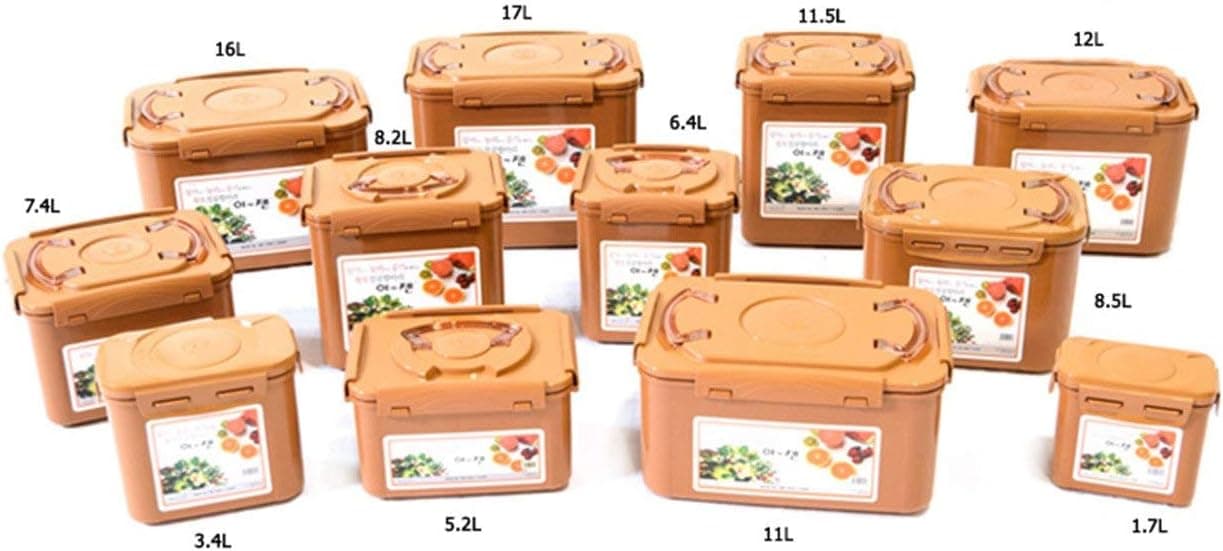
There comes a point in most fermenting habits where a single jar stops being enough. A garden glut, a cheap crate of cabbage in autumn or simply eating faster than you produce all push toward larger batches. Scaling up works well because fermentation is proportional by nature, but a few things do not scale linearly, and knowing which ones saves you from a large expensive failure instead of a small cheap one.
Products from this article
The highest-scoring picks from the buying guides this article links to. Scores are our editorial assessment, not customer ratings.
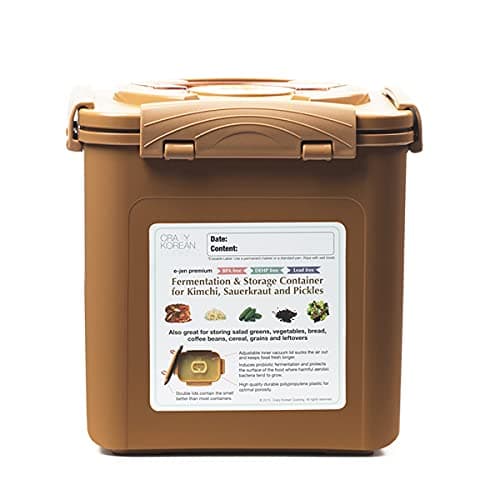
+ Adjustable inner lid minimizes the air above the food as the level drops with each serving.
From our guide: The Best Storage Containers for Fermented Foods
+ 0.1g readings weigh salt precisely for accurate brine percentages
From our guide: The Best Kitchen Scales for Fermentation
+ Automatic Cooling stops fermentation so yogurt does not over-sour
From our guide: Best Yogurt Makers for Home Use
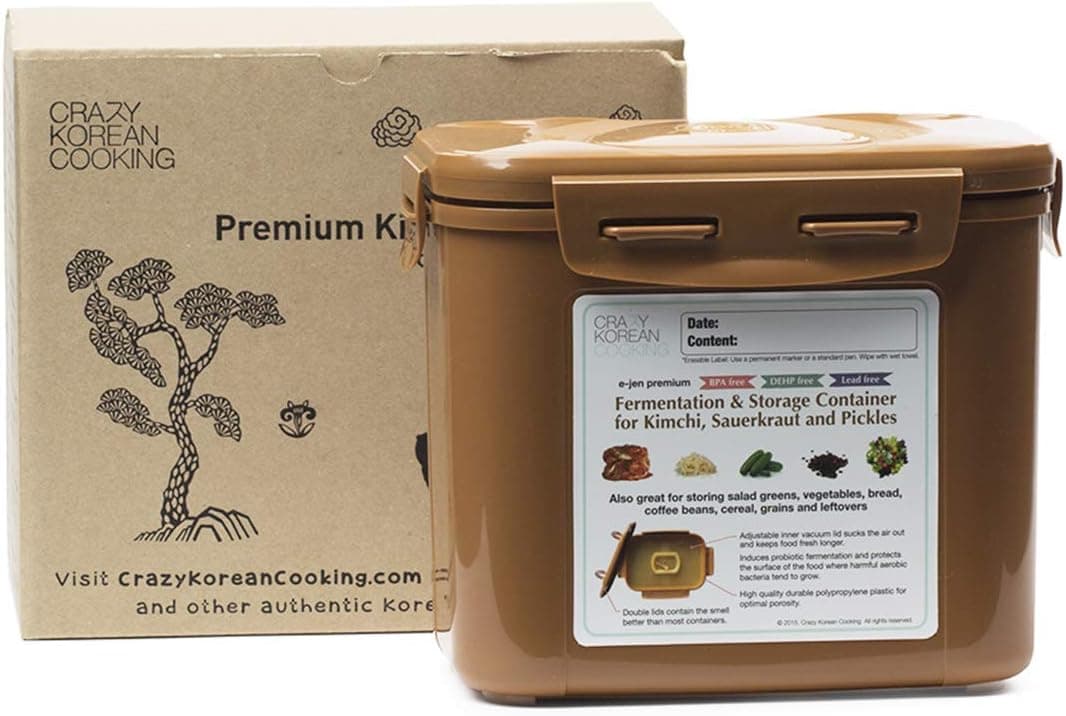
+ 1.7L size keeps a small daily kimchi supply in the fridge door or shelf
From our guide: The Best Storage Containers for Fermented Foods
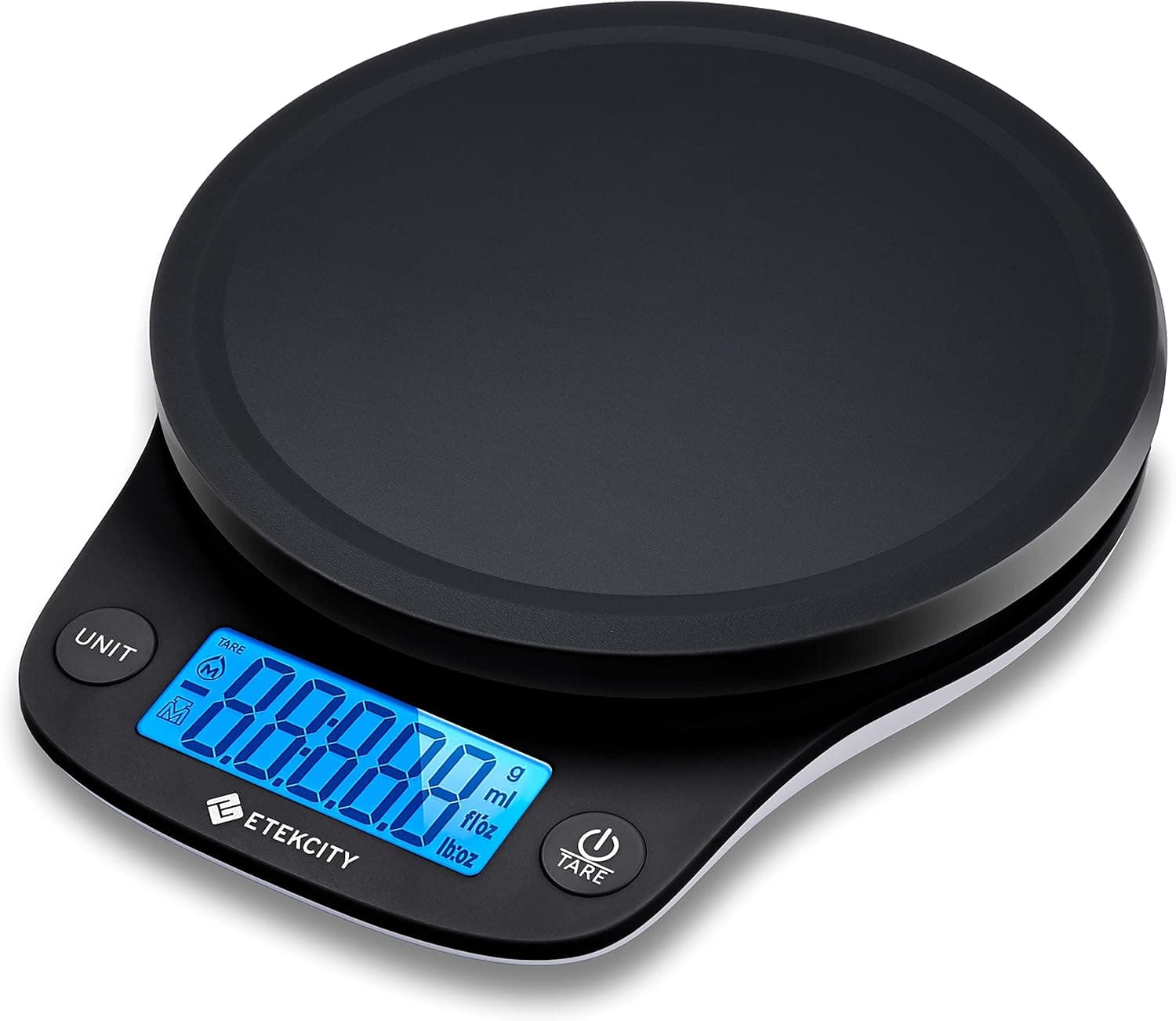


Salt is the part that scales perfectly, provided you work in percentages rather than in spoons. If your jar recipe is 2 percent of vegetable weight, then 8 kilograms of cabbage needs 160 grams of salt, and the result will taste the same as the jar did. This is the strongest argument for weighing from the beginning. Anyone who learned with tablespoons has to reverse engineer their ratio before they can scale, and anyone who learned with a scale just multiplies. Weigh in batches if your scale has a low limit, and keep a running total on paper.
Temperature is the part that does not scale. A large mass of fermenting vegetables generates heat and holds it, so the middle of a twenty litre crock can run several degrees warmer than the room. Warmer means faster, softer and more prone to surface yeast. Compensate by fermenting large batches in a cooler location than you would use for a jar, by nudging salt up toward 2.5 percent, and by starting to taste earlier than the recipe suggests. Autumn and winter are the natural seasons for big batches for exactly this reason.
Workflow is what actually limits home scale. Shredding eight kilograms of cabbage by hand is a long evening, and massaging that much salted cabbage is genuinely tiring. A food processor with a slicing disc or a proper mandoline changes the job from hours to minutes. Use your largest bowl or a clean food grade tub for mixing, and work in manageable portions of two or three kilograms at a time, then combine. Salting in stages and letting the vegetables rest for twenty minutes lets the salt do the softening work that your hands would otherwise have to do.
Vessel choice follows batch size. Up to about four litres, several jars are easier than one large container, because they store more flexibly and a single failure costs you one jar rather than everything. Beyond that a stoneware crock or a food grade plastic fermenting bucket makes more sense, since both come with weights and lids designed for the job. Whatever you use, the same rules apply at any size. Pack firmly, eliminate air pockets, keep everything under the brine, and leave headspace for expansion.
Plan storage before you start, not after. Eight kilograms of cabbage becomes a lot of finished kraut, and it has to go somewhere cold when it is ready. Measure your refrigerator space honestly, or arrange a cool cellar, garage or outbuilding that stays reliably cold in winter. Decanting a large crock into smaller jars for storage is the usual approach, and it is worth doing in one session with clean jars, a funnel and labels ready, since it is a messy job to do twice.
Finally, scale in steps rather than leaps. Double your usual batch, note what was awkward, and fix that before doubling again. Most people discover a specific bottleneck, whether that is shredding, mixing capacity, fridge space or simply appetite, and each one has a simple solution once identified. A large batch of something you have made ten times is a straightforward day of work. A large batch of something new is an expensive experiment.
Popular right now
- Brine Pickles or Vinegar PicklesArticle
- Water Quality and Chlorine in Home FermentationArticle
- The Best Vacuum Seal Bags for FermentationBuying guide
- Backslopping explainedGlossary
- Best Koji Starter SporesBuying guide
- Fermentation TemperatureArticle
Based on the last 28 days of search and visitor data.