Seasonal Produce for Fermenting Through the Year
Published How we research
Fermenting follows the growing year more closely than most kitchen habits, and leaning into that makes everything easier. Produce at its seasonal peak is firmer, cheaper and more densely flavoured, and it ferments better as a result. Temperature also swings with the seasons, which changes how a jar behaves. Planning roughly by season means you spend less, waste less and spend more time making things that turn out well.
Products from this article
The highest-scoring picks from the buying guides this article links to. Scores are our editorial assessment, not customer ratings.
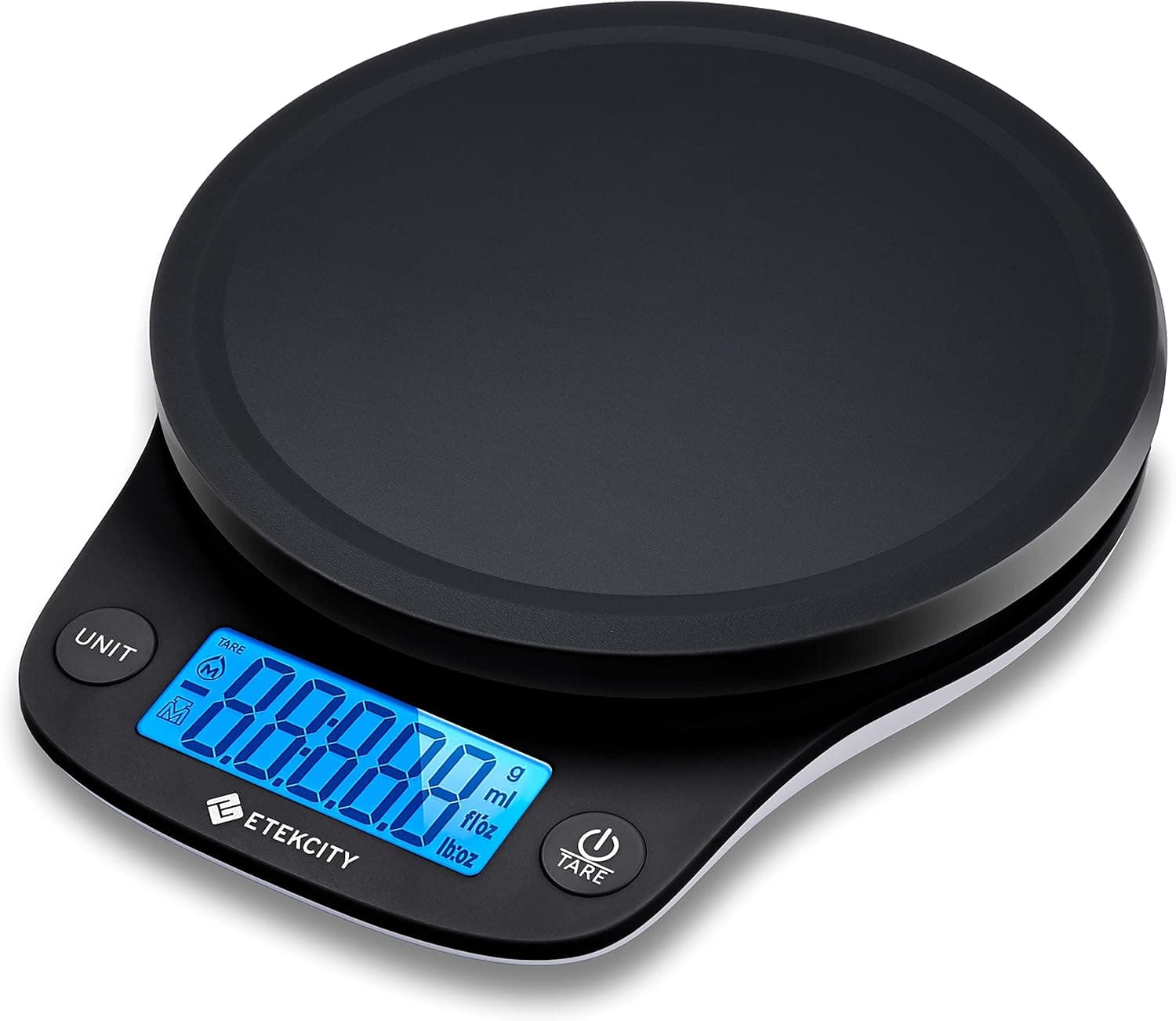
+ 0.1g readings weigh salt precisely for accurate brine percentages
From our guide: The Best Kitchen Scales for Fermentation
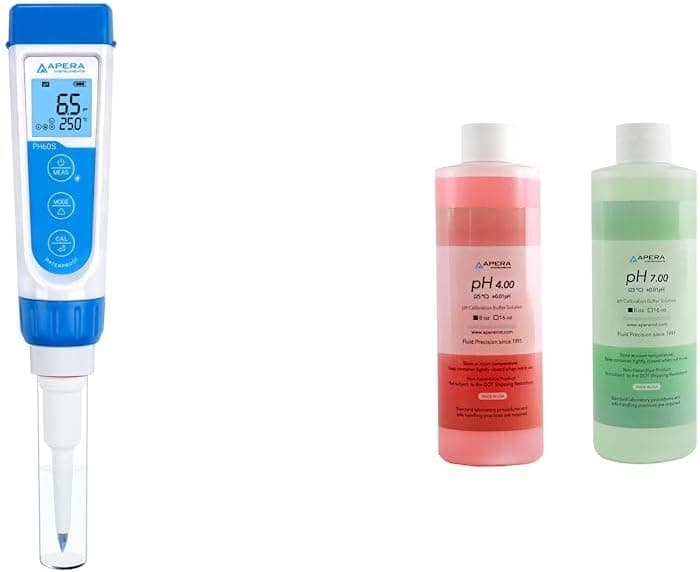
+ Swiss Spear pH Electrode pierces cheese, meat and firm vegetables
From our guide: Best Fermentation Measuring Tools
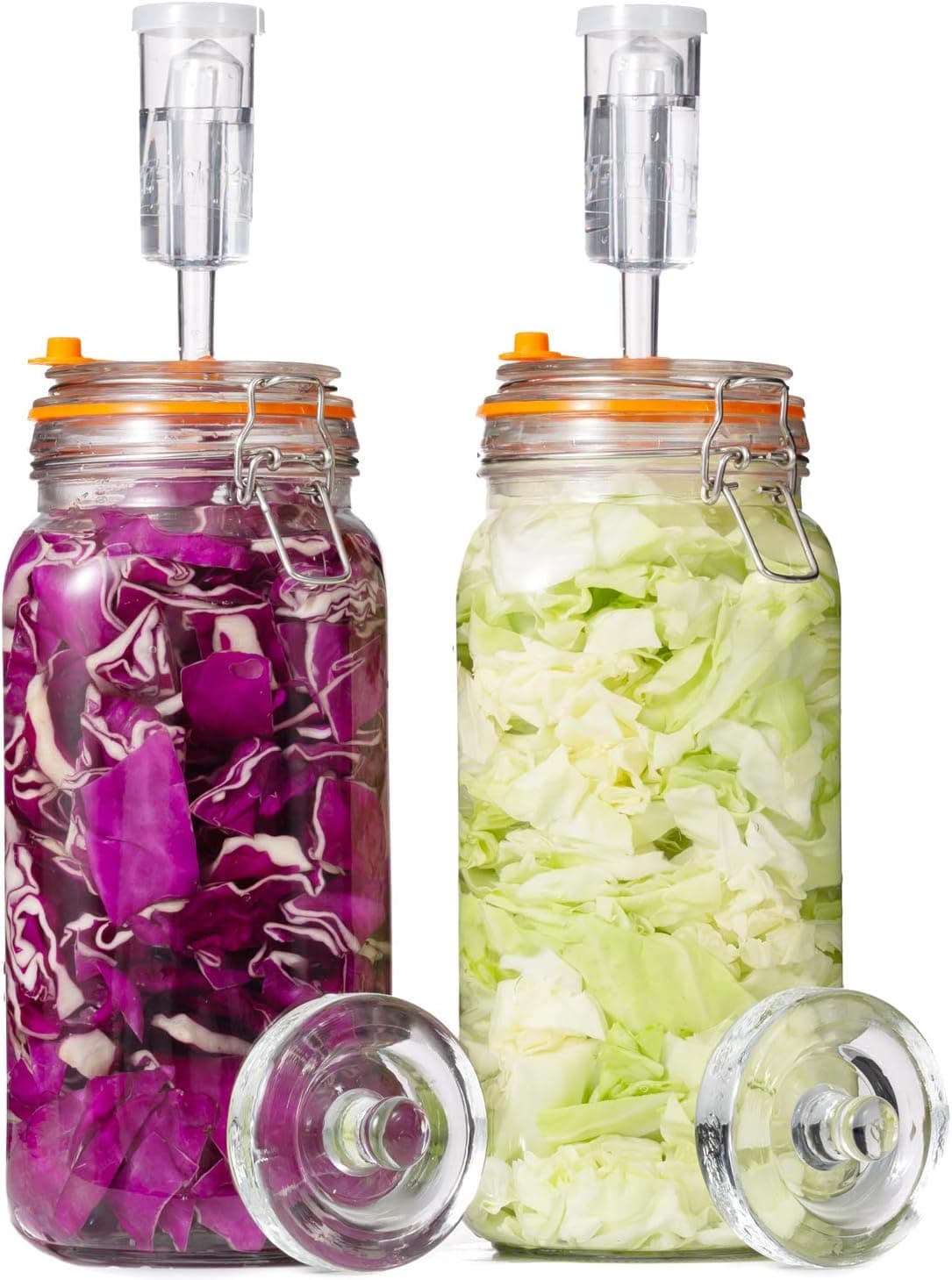
+ Clear glass lets you check brine level and color without opening the jar
From our guide: Best Fermenting Equipment for Beginners
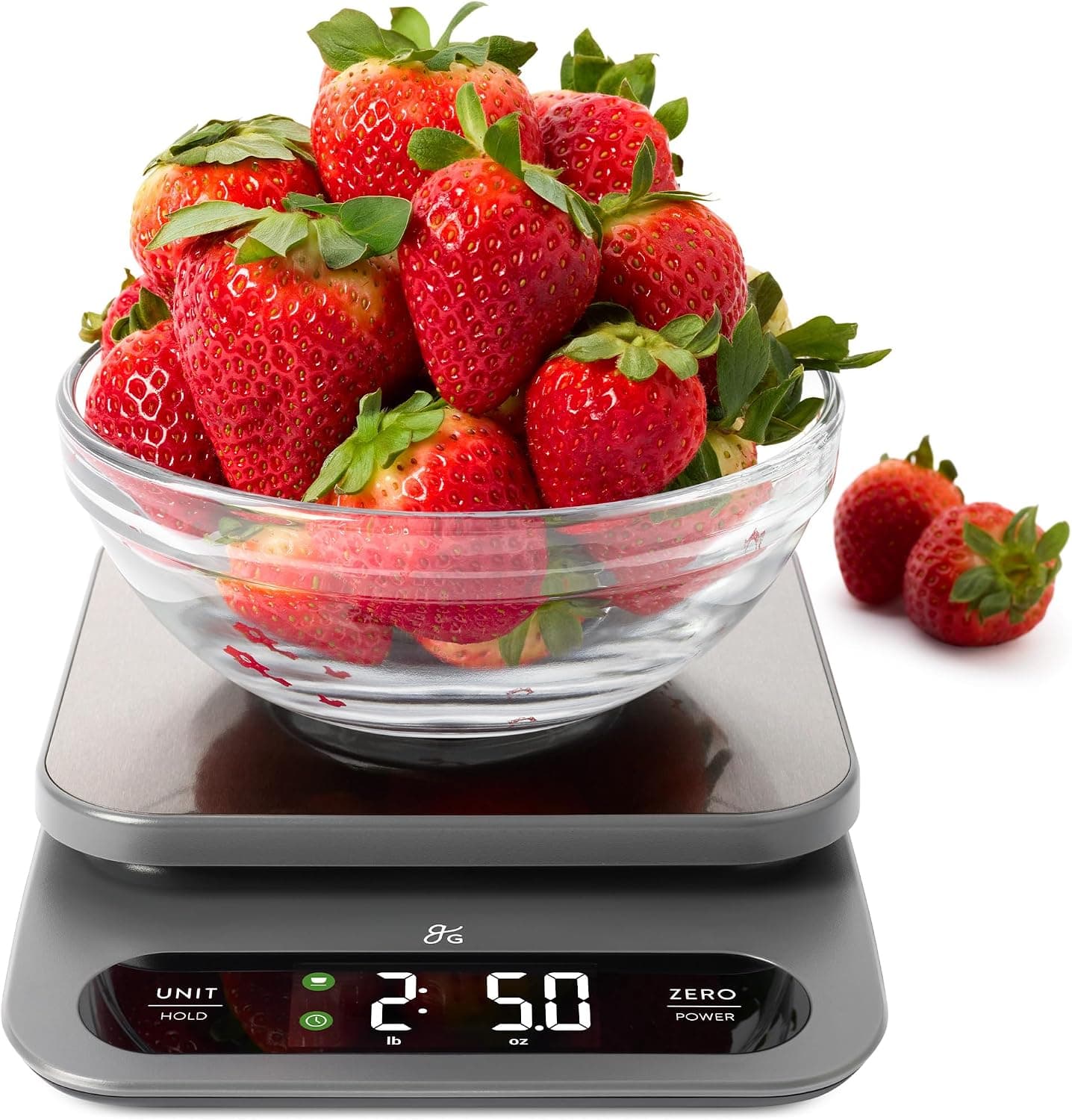
+ 10kg capacity handles crock-size vegetable batches and full jars
From our guide: The Best Kitchen Scales for Fermentation
Spring brings tender growth, which is delicious but structurally weak. Radishes, spring onions, young turnips, garlic scapes, asparagus and leafy greens all ferment, but they ferment fast and soften quickly. Treat these as short projects of a few days to a week rather than long ones, keep salt at the higher end for their size, and refrigerate promptly. Garlic scapes are a particular favourite because they hold their snap better than most spring produce and make an excellent brine ferment with nothing but salt water.
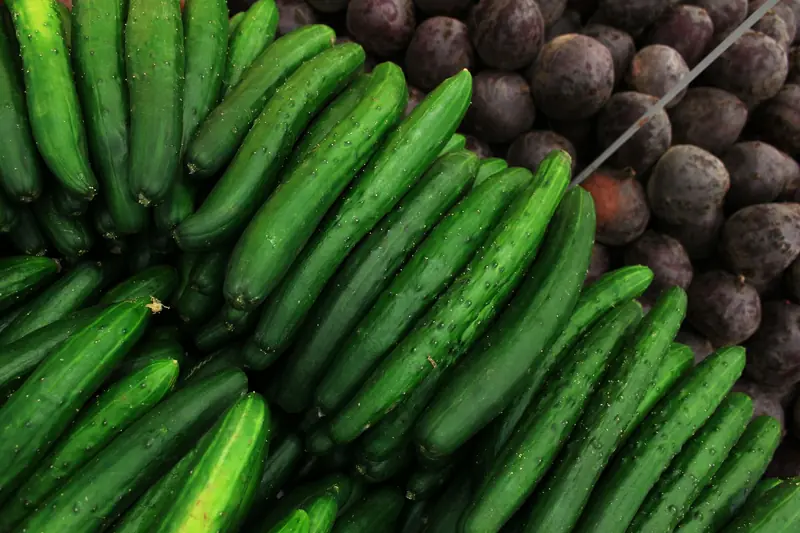
Summer is cucumber season, and it is also the hardest time to ferment well because the kitchen is warm. Cucumbers, green beans, courgettes, peppers and the first tomatoes all arrive at once. Use a brine of 4 to 5 percent for cucumbers rather than the 3.5 percent you might use in cooler weather, ferment in the coolest room available, add tannin sources such as grape or blackcurrant leaves, and start tasting after three days rather than seven. Chillies arriving late in summer are the moment to start a hot sauce ferment.
Autumn is the main event. Cabbage, cauliflower, carrots, beetroot, apples, late peppers and every kind of root crop come in together, prices drop, and the weather cools into the ideal range for slow vegetable ferments. This is when large batches make sense, when a crock earns its space, and when a long four to six week sauerkraut develops the depth that a rushed summer batch never will. Kimchi is traditionally made in autumn for the same reasons, since napa cabbage and Korean radish are both at their best.
Winter shifts toward storage crops and preserved projects. Carrots, swede, celeriac, kohlrabi, parsnip, turnip and stored cabbage all ferment well and produce firm, sweet results in cold conditions. Expect everything to take longer, since a 15 degree room can double the timeline, and use that to your advantage by starting a batch and genuinely forgetting about it. Winter is also the right time for the long ferments that need no attention, particularly miso, which is traditionally started in the cold months to age through the following year.
A few practical notes cut across all seasons. Ferment produce as soon after harvest or purchase as you can, since the population of useful bacteria on the surface is highest when the vegetable is freshest, and texture is best before storage softens it. Wash lightly rather than scrubbing aggressively. Avoid produce that has been waxed or heavily treated where you can, and prefer firm specimens over the slightly tired ones you were planning to rescue, since fermentation preserves what you put in rather than improving it.
Building a rough annual rhythm turns fermenting from an occasional project into a habit. Short bright ferments in spring, cucumbers and chillies in summer, cabbage and roots in the autumn glut, slow projects and storage crops in winter. You end up with a refrigerator that reflects the year, a much lower grocery bill on preserved food, and a clear sense of what to buy when you see a good price at a market stall. That is a far more useful skill than memorising any individual recipe.
Popular right now
- Brine Pickles or Vinegar PicklesArticle
- Water Quality and Chlorine in Home FermentationArticle
- The Best Vacuum Seal Bags for FermentationBuying guide
- Backslopping explainedGlossary
- Best Koji Starter SporesBuying guide
- Fermentation TemperatureArticle
Based on the last 28 days of search and visitor data.