Secondary Flavouring Ideas for Ferments That Actually Work
Published How we research
Once you have made plain sauerkraut, plain kombucha and plain kefir a few times, the natural next step is flavouring. The key decision is when to add things, because ingredients added before fermentation are transformed by it and ingredients added afterwards stay recognisably themselves. Understanding which effect you want turns flavouring from guesswork into something you can plan, and it explains why some additions taste wonderful and others fall flat.
Products from this article
The highest-scoring picks from the buying guides this article links to. Scores are our editorial assessment, not customer ratings.
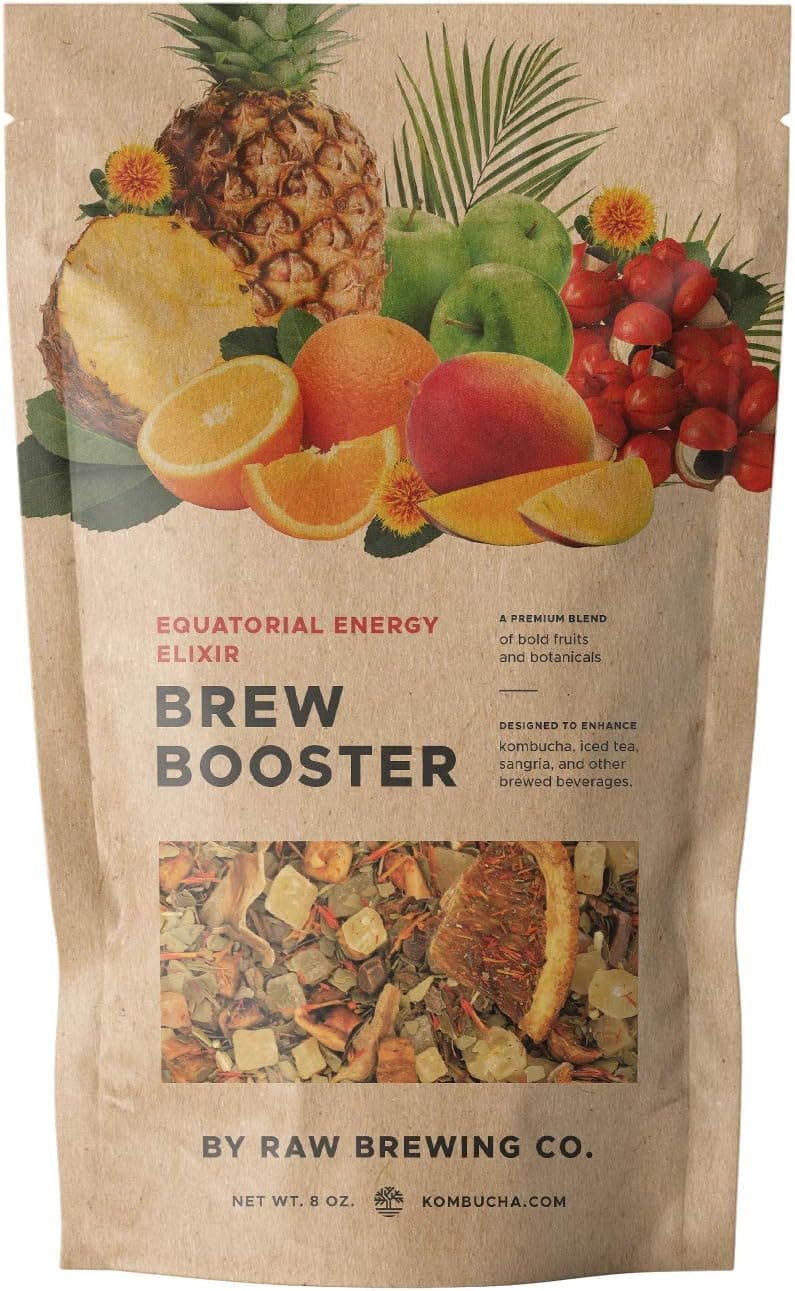
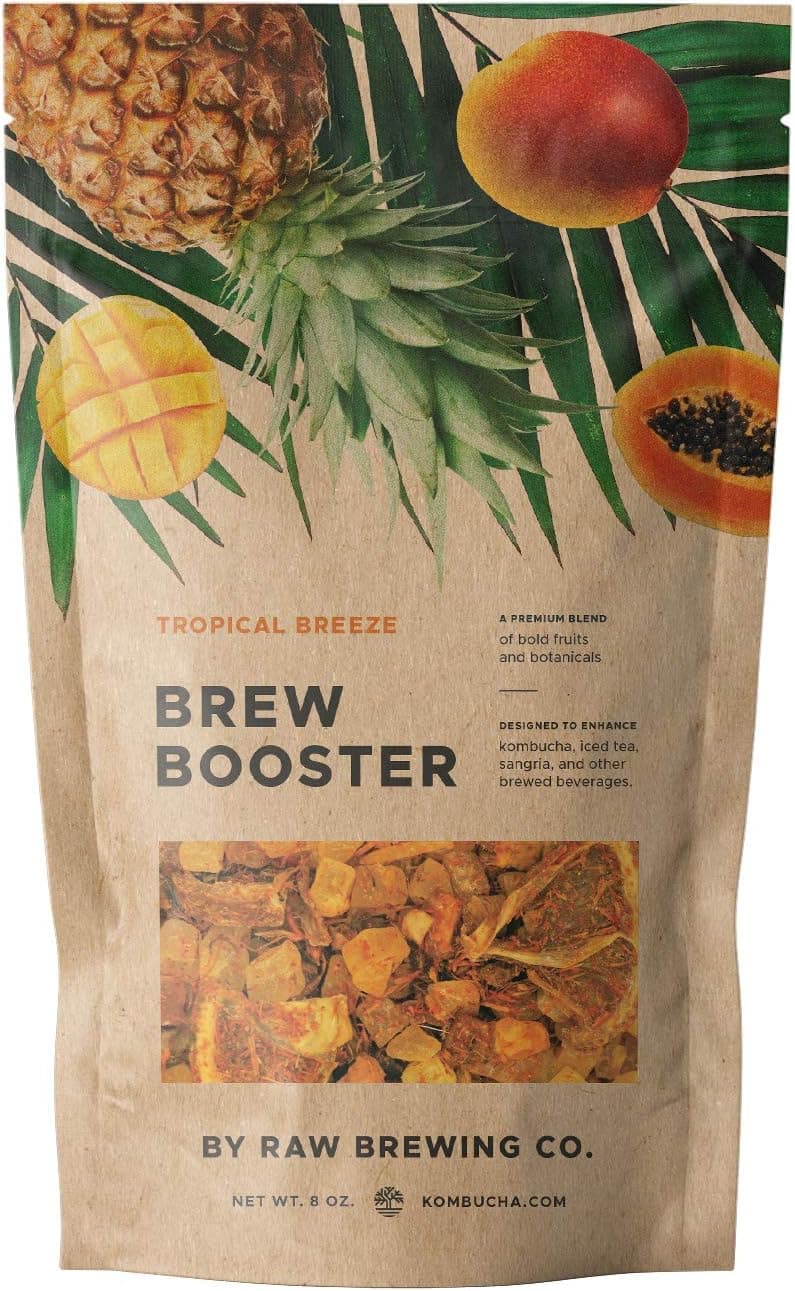
+ Pineapple, mango and papaya create a bright tropical second ferment
From our guide: Best Kombucha Flavoring Kits
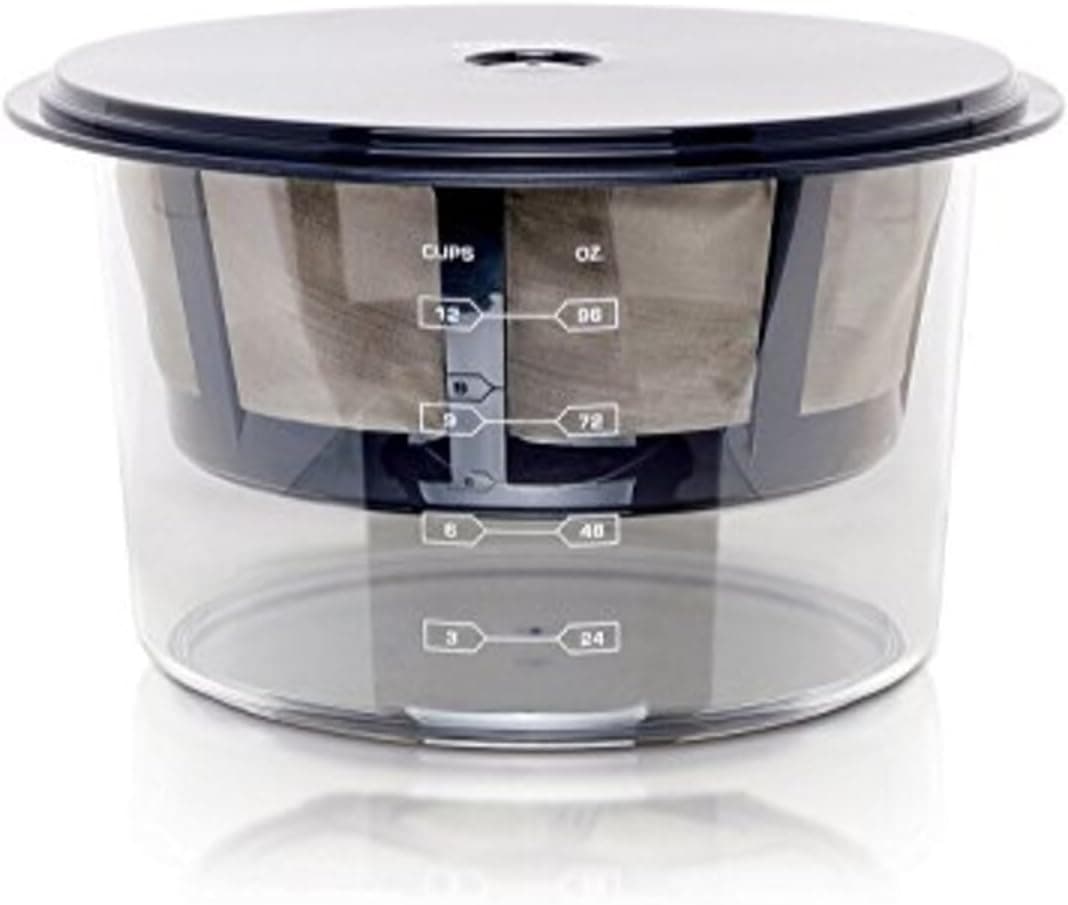
+ Stainless Steel mesh basket is durable and easy to rinse
From our guide: Best Greek Yogurt Strainers
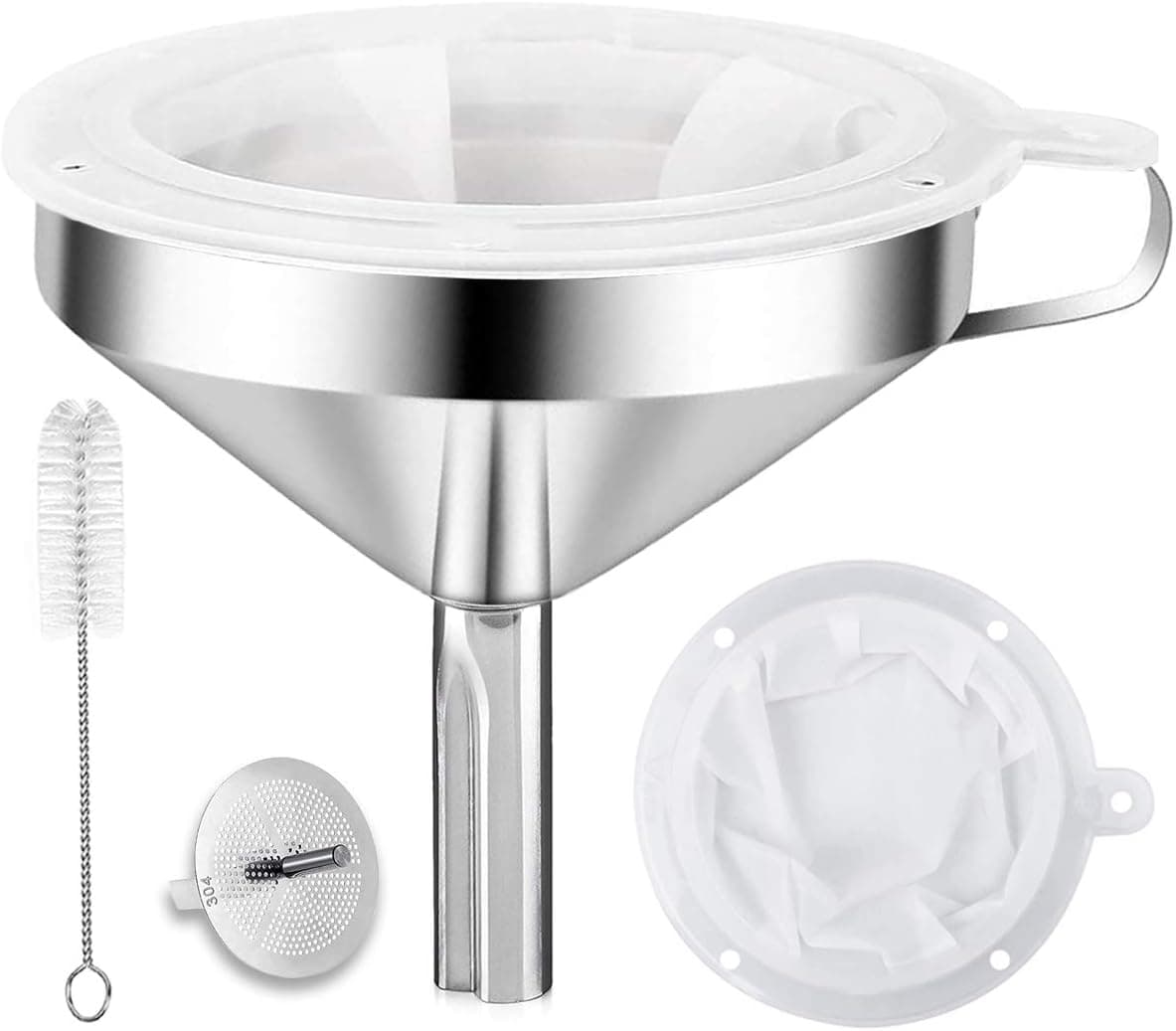
+ 200 Mesh filter removes fine sediment and yeast strands
From our guide: The Best Bottling Funnels for Fermented Drinks
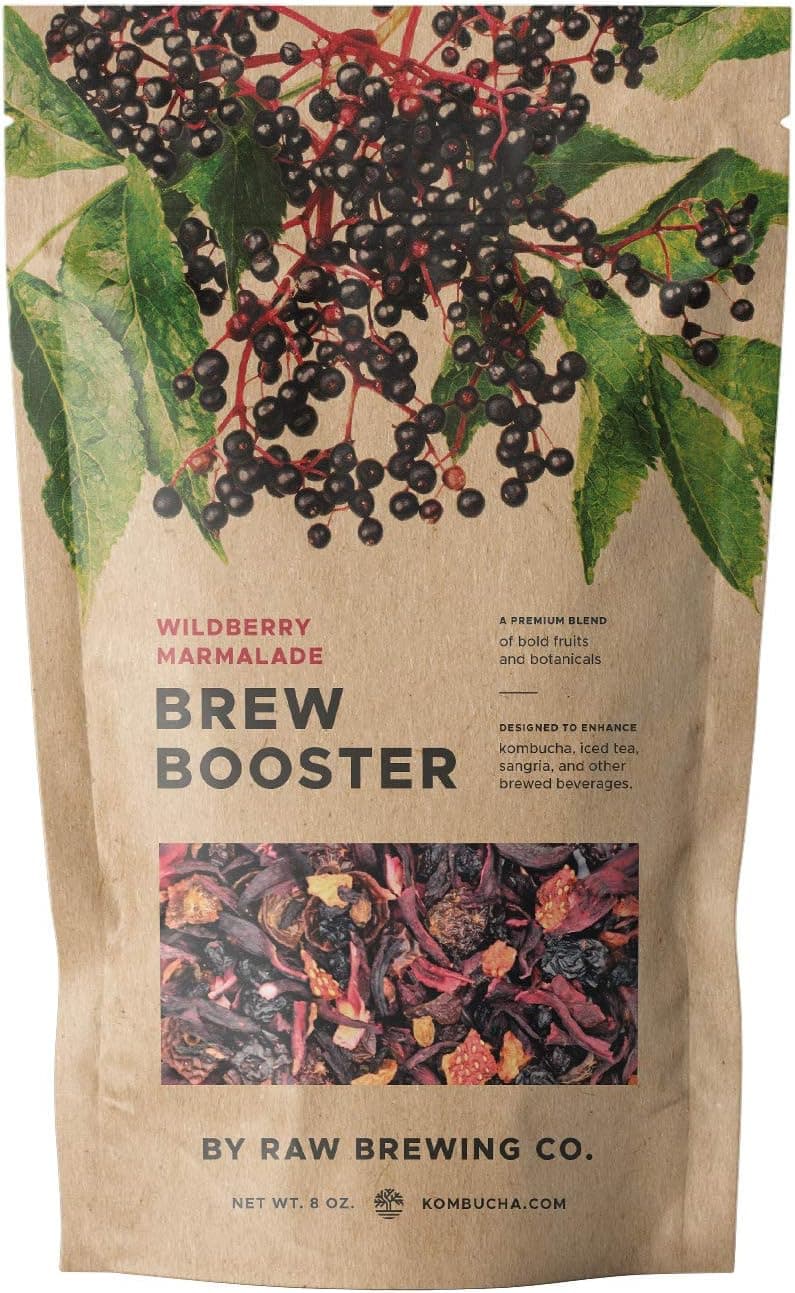
+ Elderberry, currant and strawberry build a jammy, fruit-forward flavor
From our guide: Best Kombucha Flavoring Kits
Spices and hard aromatics belong in the jar from the start. Caraway, juniper, dill seed, mustard seed, coriander seed, black peppercorn, bay leaf and dried chilli all hold up over weeks of fermenting and release their character slowly. Whole spices work better than ground, which clouds brine and can go bitter. Garlic, ginger, horseradish and turmeric also ferment well, though they get stronger rather than milder over time, so a restrained hand at the start avoids a jar that tastes only of garlic by week three.
Delicate fresh herbs are the opposite. Coriander leaf, basil, parsley, mint and dill fronds lose their brightness quickly in a ferment and can turn muddy or slimy. Add them at the end, stirred into the finished product just before refrigerating, and they keep their aroma. The same applies to citrus juice and zest, which fade during long ferments but lift a finished kraut, salsa or hot sauce noticeably when added at the finish line.
Vegetable ferments take flavouring well through combination rather than seasoning. Shredded carrot brings sweetness to kraut and a better colour. Apple adds fruitiness that ferments into something cidery. Beetroot turns the whole jar a deep magenta and brings earthiness. Thinly sliced onion, fennel or celeriac all work. Keep additions to a modest proportion of the total, since cabbage is what produces reliable brine and structure, and remember to include the additions in the weight when you calculate salt.
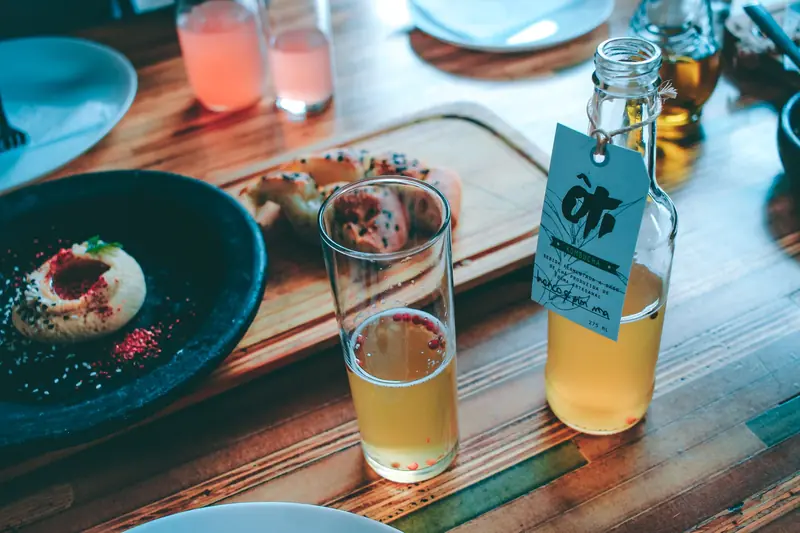
Kombucha is flavoured at the second ferment, in bottles, and this is where fruit earns its place. Berries, chopped stone fruit, mango, ginger, apple juice, hibiscus, mint and lemon all work, either as pieces or juice. Fruit sugar feeds the yeast, so it drives carbonation as well as flavour, which means very sugary additions carbonate fast and need careful monitoring. Two to three days is often enough. Straining the fruit out before refrigerating gives a cleaner bottle and slows the fizz.
Dairy ferments are best flavoured after straining. Kefir and yogurt turn thin and unpredictable when fruit is fermented into them, so blend fruit, honey, vanilla or spices into the finished product instead. A second ferment of plain kefir with a strip of lemon peel or a few cardamom pods left at room temperature for twelve hours is an exception worth trying, since it mellows sharpness without adding much sugar.
Some combinations are reliably good starting points. Cabbage with caraway and juniper is classic for a reason. Cabbage with apple and fennel seed is gentler. Carrot with ginger and turmeric makes a bright, warming ferment. Cucumber with dill, garlic, mustard seed and a grape leaf is the traditional deli pickle. Kombucha with ginger and lemon is the most dependable flavour in the category, and blueberry with a little mint is a close second. The one rule worth respecting is to change a single element at a time. If you add four new ingredients and the jar tastes odd, you have learned nothing. Add one, note the amount, taste the result against a plain batch, and build a personal list of what your household actually finishes. Half the value of flavouring experiments is discovering which ones you never want to make again.
Popular right now
- Brine Pickles or Vinegar PicklesArticle
- Water Quality and Chlorine in Home FermentationArticle
- The Best Vacuum Seal Bags for FermentationBuying guide
- Backslopping explainedGlossary
- Best Koji Starter SporesBuying guide
- Fermentation TemperatureArticle
Based on the last 28 days of search and visitor data.