Sourdough Starter Care
Published How we research
A sourdough starter is a stable culture of wild yeast and lactic acid bacteria living in a paste of flour and water. The yeast provides lift, the bacteria provide flavour and acidity, and both are fed by the starches and sugars in the flour. Keeping one alive is not difficult, but it is a relationship with a schedule. Nearly every starter problem people describe comes down to feeding frequency, temperature or ratio, and all three are easy to adjust once you know what they do.
Products from this article
The highest-scoring picks from the buying guides this article links to. Scores are our editorial assessment, not customer ratings.
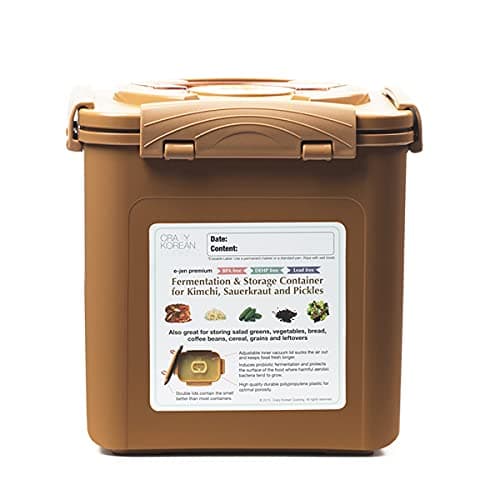
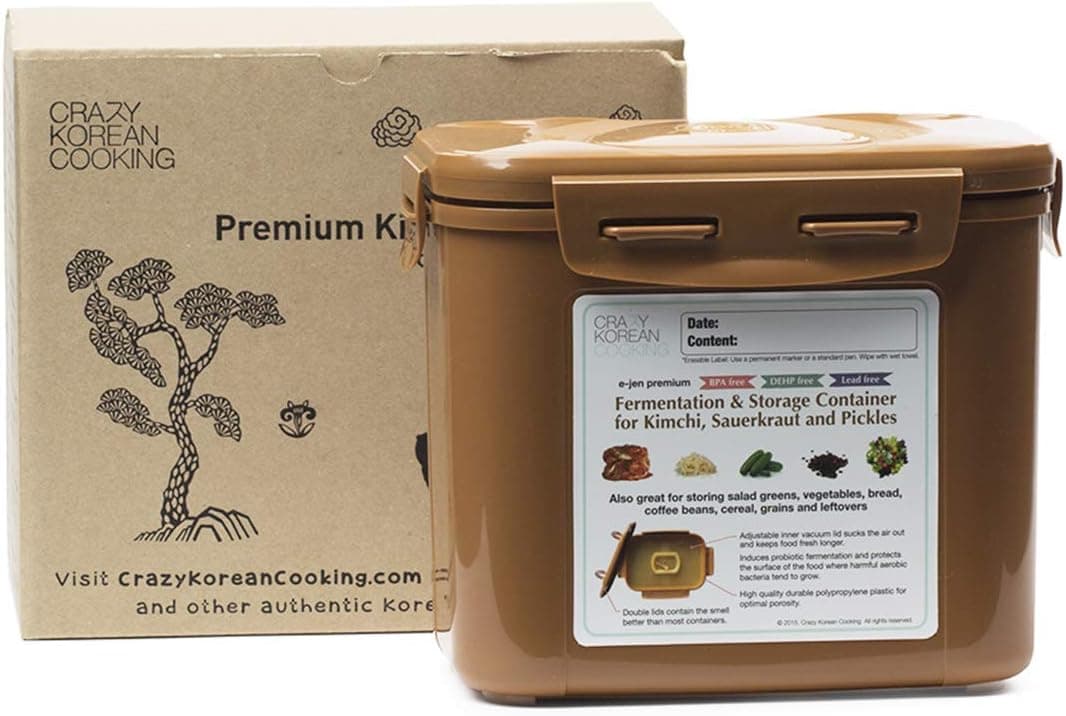
+ Adjustable inner lid minimizes the air above the food as the level drops with each serving.
From our guide: The Best Storage Containers for Fermented Foods
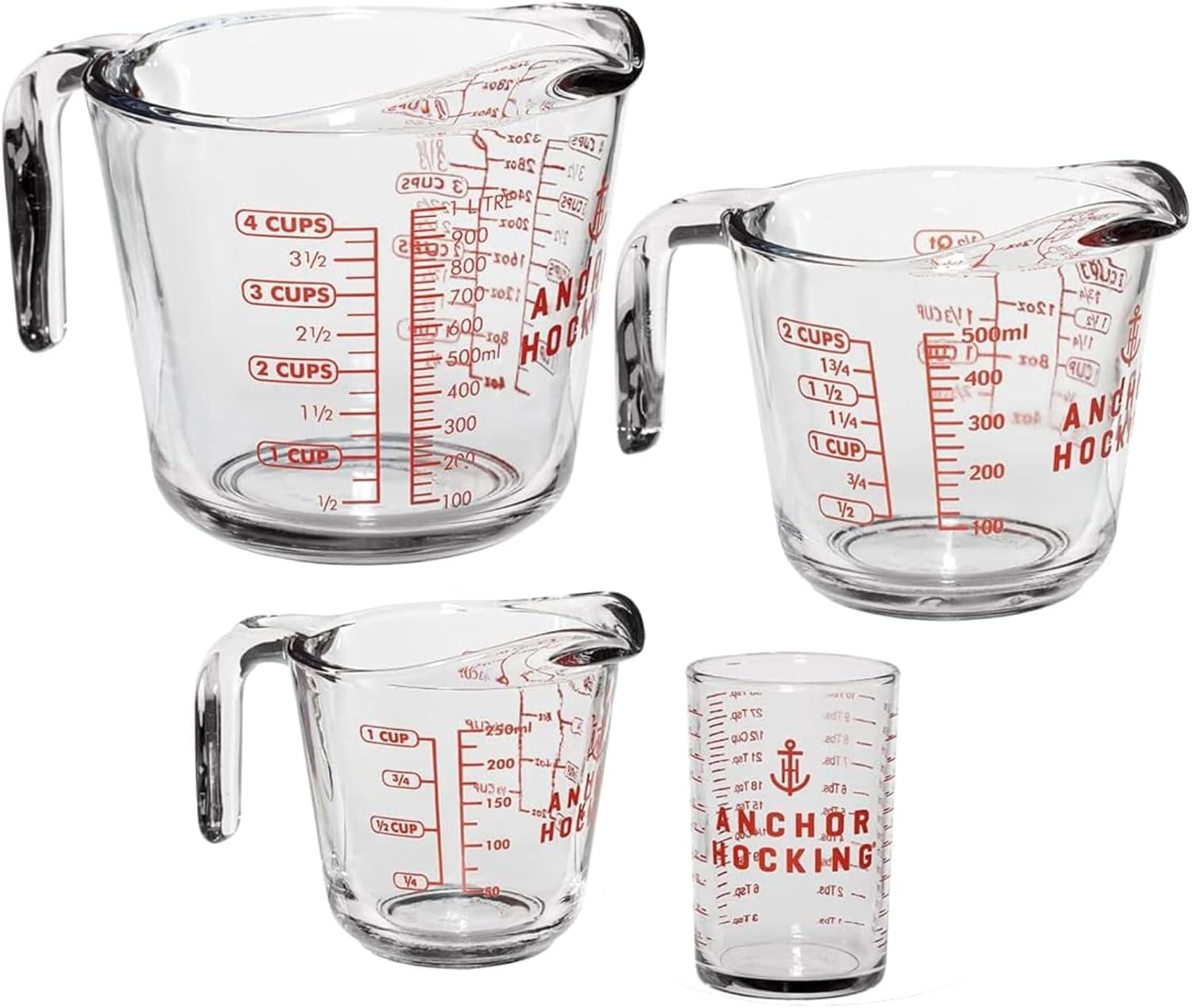
+ 5 Ounce mini cup measures starter tea and small liquid amounts neatly
From our guide: The Best Glass Measuring Pitchers for Brines and Batches
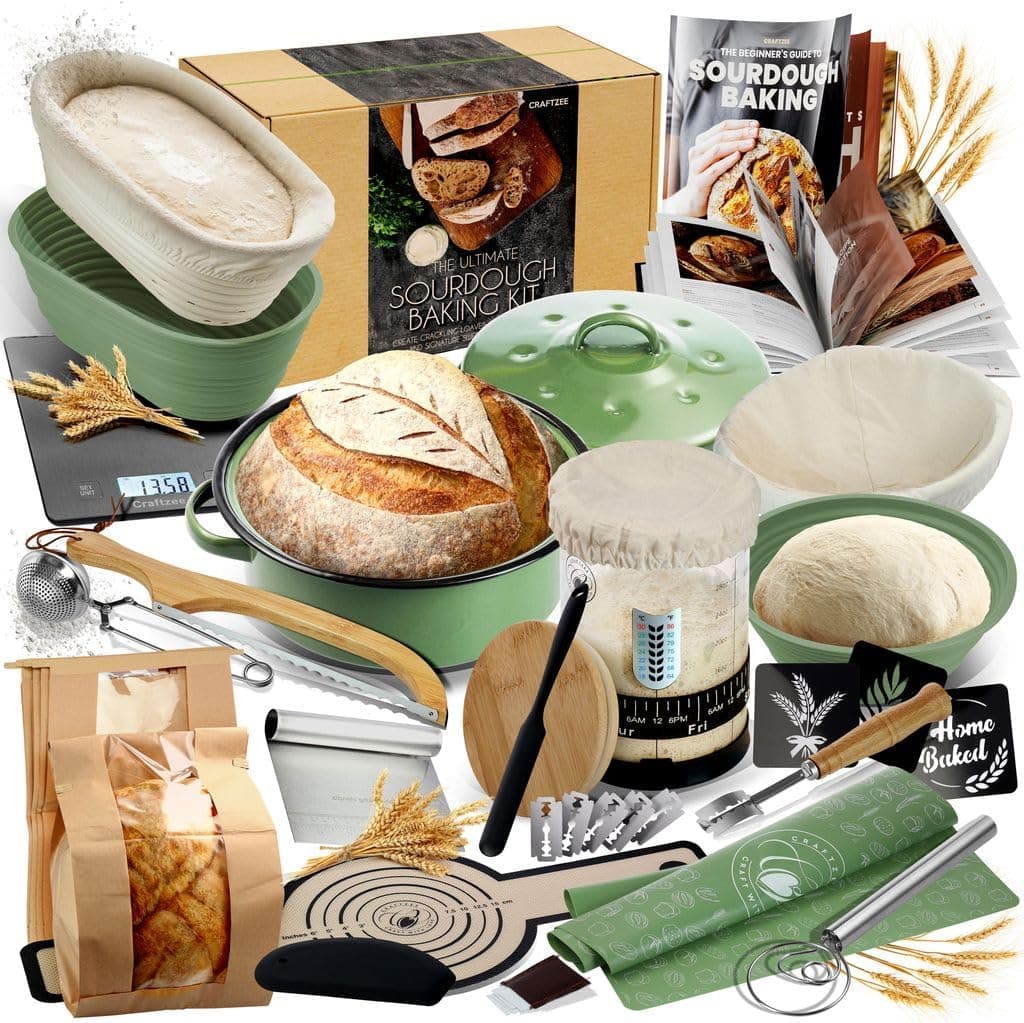
+ Scale is included, which is key for accurate sourdough feeding
From our guide: The Best Sourdough Starter Kits for Home Bakers
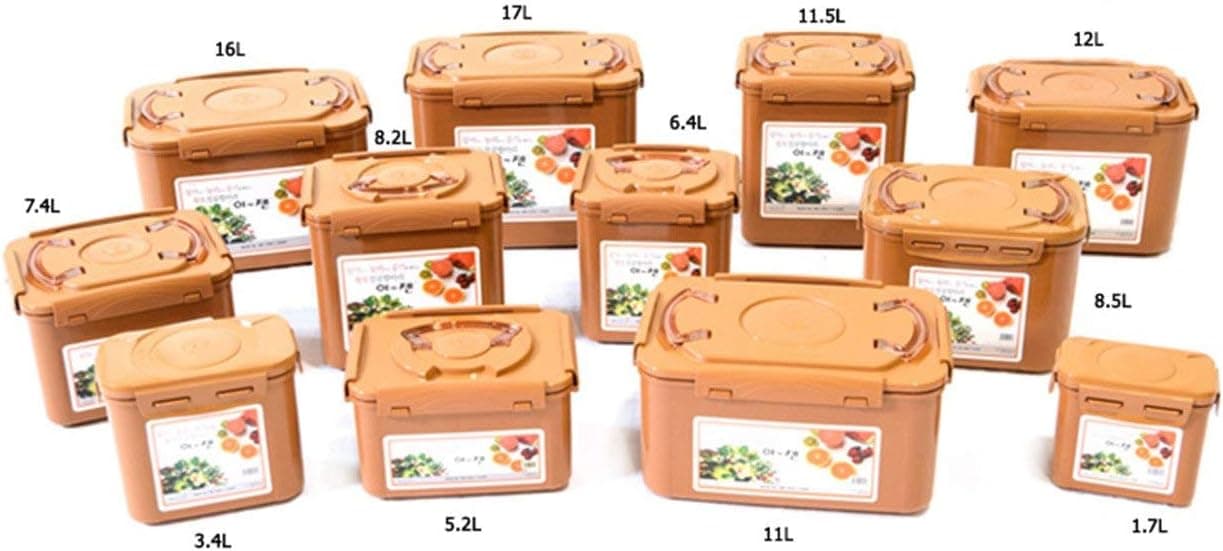
+ 1.7L size keeps a small daily kimchi supply in the fridge door or shelf
From our guide: The Best Storage Containers for Fermented Foods
A feed means discarding most of the starter and replacing what you removed with fresh flour and water. That discarding step upsets people, but it is the whole mechanism. Without it, each feed becomes a smaller and smaller proportion of fresh food relative to an ever larger pile of acidic, exhausted culture, and the starter slows down. A common ratio is one part starter to five parts flour and five parts water by weight, often written 1:5:5. Higher ratios such as 1:10:10 mean more food per microbe, which means a slower rise and a milder flavour.
For a starter kept on the counter and used often, feed once or twice a day depending on how warm the room is. Watch the jar rather than the clock. After a feed, the starter should rise, dome, and then begin to fall. The best time to use it in a dough is at or shortly before the peak, when it is domed and full of bubbles. The best time to feed it again is around or just after the peak. A rubber band around the jar marking the starting level makes this obvious at a glance.
Most people do not bake daily, and a refrigerated starter is the sensible default. Feed it, let it start to become active, then put it in the refrigerator with a loose lid. Cold slows both yeast and bacteria dramatically, so a weekly feed is enough, and many starters tolerate two or three weeks between feeds without harm. To bake, take it out, feed it at room temperature, and give it one or two feeds over a day or so until it is rising predictably again before you build a levain.
A neglected starter usually looks alarming and is usually fine. A dark liquid layer on top, sometimes called hooch, is alcohol produced by hungry yeast, and it simply means the culture wants feeding. Pour it off or stir it in, discard down to a spoonful, and feed at a generous ratio. Expect a sour, acetone like smell at first, and expect the first feed or two to do very little. By the third or fourth feed most starters return to a clean yeasty smell and a reliable rise. Fuzzy coloured mould or a pink or orange tint is the exception and means starting over.
Flour choice changes behaviour more than most people realise. Wholemeal and rye flours carry more wild microbes and more minerals, so they ferment faster and give a more assertive flavour. White bread flour produces a slower, milder starter. A common compromise is feeding mostly white flour with a spoonful of rye or wholemeal mixed in, which keeps activity strong without making the starter too sour for every bread you want to bake.
A few habits make the whole thing easier. Keep the starter in a jar big enough that it can triple without overflowing, use room temperature water, weigh feeds rather than eyeballing them, and keep a small backup portion dried on baking paper in case the main jar is lost. Above all, resist the urge to fix a slow starter by changing five things at once. Change the ratio or the temperature, wait two or three feeds, and observe. Starters respond to consistency more than to intervention.
Popular right now
- Brine Pickles or Vinegar PicklesArticle
- Water Quality and Chlorine in Home FermentationArticle
- The Best Vacuum Seal Bags for FermentationBuying guide
- Backslopping explainedGlossary
- Best Koji Starter SporesBuying guide
- Fermentation TemperatureArticle
Based on the last 28 days of search and visitor data.