Storing Finished Ferments So They Keep Their Character
Published How we research
Move a ferment to cold storage the moment it tastes right, not on a fixed date, topping up brine and swapping to a normal lid before refrigerating and labeling. Fermented vegetables like sauerkraut and kimchi keep the longest, often many months. Kombucha continues building carbonation even refrigerated, so bottle and chill it once it reaches the fizz you want. Dairy ferments like kefir and yogurt have the shortest window, a week or two. Pastes and sauces like miso and hot sauce are the most stable, keeping for months or a year. Never eat directly from the jar, and decant as it empties to limit air exposure. A ferment does not have a finish line that it crosses on its own. It has a point where you decide it tastes right, and storage is how you hold it there. Cold does not stop fermentation, but it slows the microbes enough that a jar of sauerkraut you liked in October still tastes broadly similar in February. Knowing what to expect from each category means you can stock up during a glut and eat well for months without wondering whether something has gone too far.
Products from this article
The highest-scoring picks from the buying guides this article links to. Scores are our editorial assessment, not customer ratings.
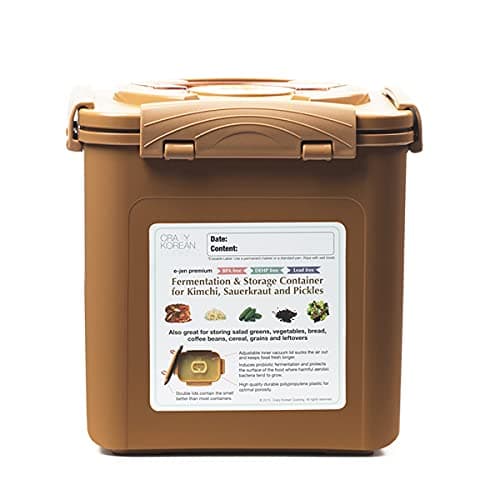
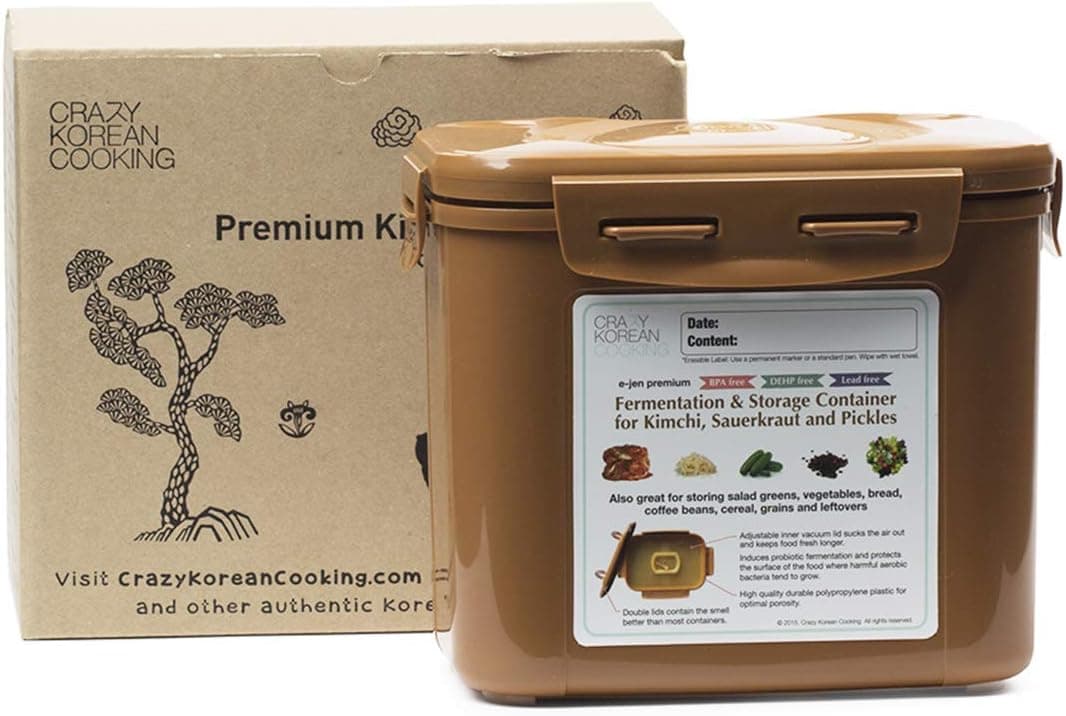
+ Adjustable inner lid minimizes the air above the food as the level drops with each serving.
From our guide: The Best Storage Containers for Fermented Foods
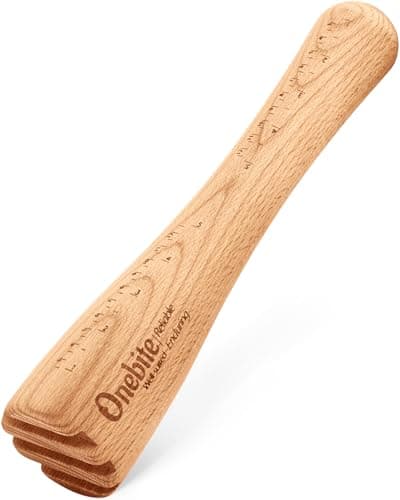
+ Measuring marks on the shaft help you track brine depth and how far the cabbage is packed down.
From our guide: Best Sauerkraut Pounders and Cabbage Tampers
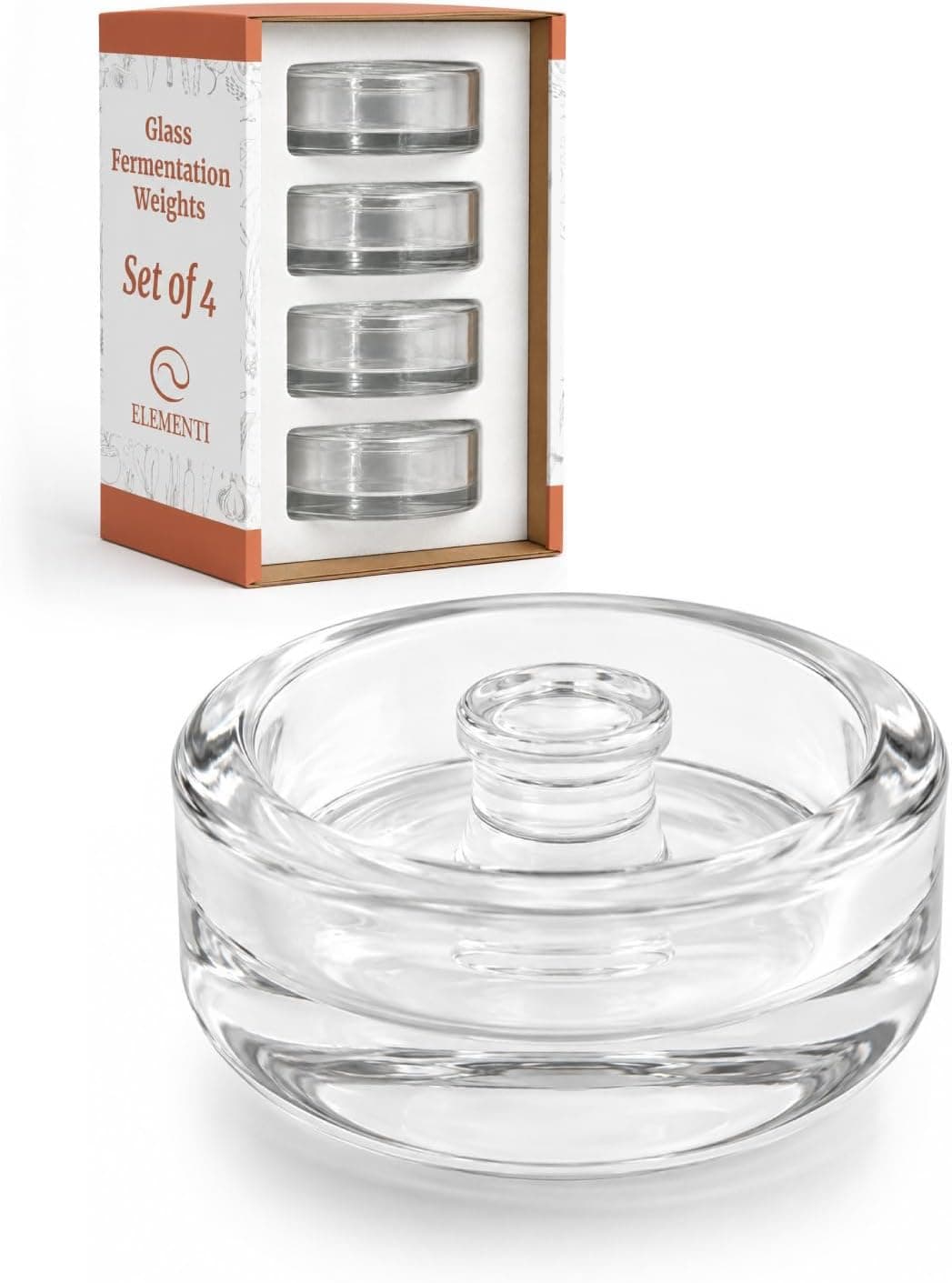
+ Easy grip design lets you lift the weight out without fishing with fingers
From our guide: Best Fermentation Weights
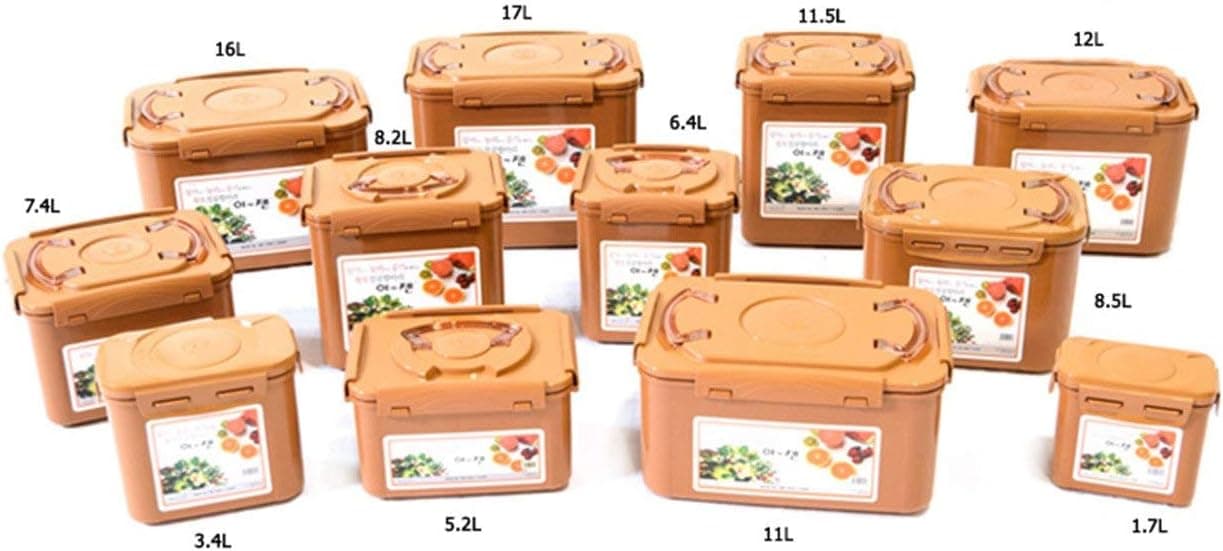
+ 1.7L size keeps a small daily kimchi supply in the fridge door or shelf
From our guide: The Best Storage Containers for Fermented Foods
Move to cold storage the moment it tastes right
The move to cold storage should happen the moment the taste is where you want it, not on a date fixed in advance. Taste with a clean utensil, and when the sourness and texture please you, seal the jar and refrigerate. Before it goes in, top up the brine so the vegetables are still covered, wipe the rim, remove any surface film, and swap an airlock lid for a normal one. Label everything with what it is, the date it was packed and the date it went cold, because unlabelled jars of pale shredded vegetables become an unsolvable puzzle within weeks.
Fermented vegetables are the longest keepers
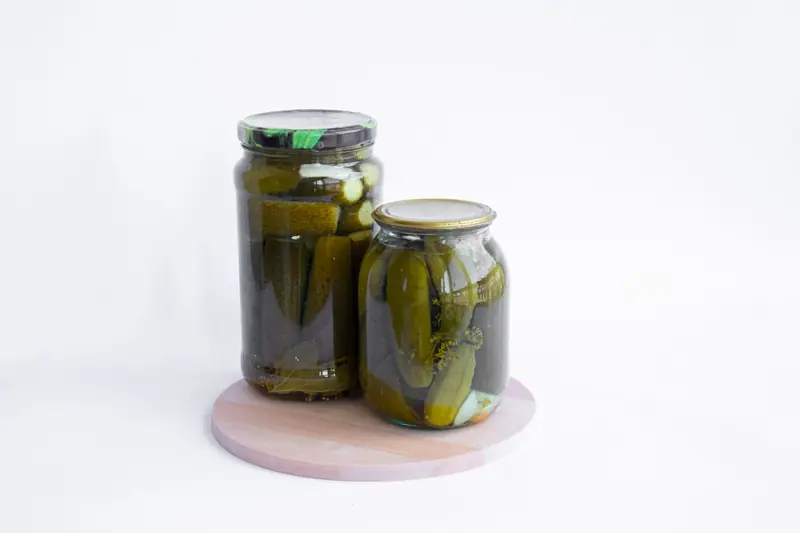
Fermented vegetables are the longest keepers. Sauerkraut, kimchi and brine pickles hold well in the refrigerator for many months, and kraut in particular can go past a year while remaining perfectly pleasant. They keep getting more sour, very slowly, and cucumbers keep softening, so pickles are best eaten within a few months while kraut can be left. Keep everything submerged in the refrigerator too, since the same surface rules apply there, just at a slower pace.
Kombucha behaves differently because of carbonation
Kombucha behaves differently because carbonation is involved. Bottled and flavoured kombucha should be refrigerated as soon as it reaches the fizz you want, and it will hold there for several weeks. Left at room temperature it keeps building pressure, which is how bottles end up on the ceiling. Even in the refrigerator the yeast are slowly working, so a bottle at two months is more sour and more alcoholic than the same bottle at two weeks. Open older bottles slowly over a sink.
Dairy ferments have the shortest window
Dairy ferments have the shortest window. Milk kefir keeps a week or two refrigerated and becomes progressively more sour and more likely to separate, though separated kefir stirs back together and is fine for cooking. Yogurt keeps a similar length of time. Neither freezes especially well as a texture, but both work perfectly in smoothies and baking after freezing, so a tub of surplus kefir in the freezer is not wasted.
Pastes and sauces are the most stable of all
Pastes and sauces are the most stable of all. Miso keeps for a year or more refrigerated, darkening slowly, and a pot in use rarely goes bad if you always press the surface flat and keep it covered. Fermented hot sauce and fermented salsa keep for months and weeks respectively, with hot sauce benefiting from the added acidity most recipes finish with. All of them continue producing a little gas, so use lids that open easily rather than sealing them tight and forgetting.
A few habits protect the whole shelf
A few habits protect the whole shelf. Never eat directly from the storage jar, since a used spoon introduces mouth bacteria that shorten its life. Decant into a smaller container as a jar empties, so there is less air above the food. Keep ferments toward the back of the refrigerator where the temperature is steadiest rather than in the door. And be honest about capacity, because the most common way a good ferment goes to waste is being made in quantities nobody was ever going to eat before the next batch arrived.
Frequently asked questions
When should I move a ferment to the refrigerator? The moment the taste is where you want it, not on a fixed date. Taste with a clean utensil, top up the brine, and swap to a normal lid before refrigerating.
How long does fermented sauerkraut or kimchi last in the fridge? Many months, with kraut in particular able to go past a year while remaining perfectly pleasant, though it keeps getting slowly more sour.
Does refrigeration stop kombucha from fermenting further? No, cold slows but does not stop it. Even in the fridge the yeast keep working slowly, so a bottle at two months is more sour and alcoholic than at two weeks.
How long do dairy ferments like kefir and yogurt keep? A week or two refrigerated, becoming progressively more sour and more likely to separate, though both freeze well for use in smoothies and baking.
Popular right now
- Brine Pickles or Vinegar PicklesArticle
- Water Quality and Chlorine in Home FermentationArticle
- The Best Vacuum Seal Bags for FermentationBuying guide
- Backslopping explainedGlossary
- Best Koji Starter SporesBuying guide
- Fermentation TemperatureArticle
Based on the last 28 days of search and visitor data.