Fermentation Safety Basics Every Beginner Should Know
Published How we research

Home fermentation has a long track record because the process itself is protective. Lactic acid bacteria acidify their environment quickly, and the resulting low pH is inhospitable to the organisms that cause food to spoil dangerously. That said, protective is not the same as automatic. The safety comes from doing a few specific things correctly, and understanding which things those are makes the difference between vague anxiety and confident practice.
Products from this article
The highest-scoring picks from the buying guides this article links to. Scores are our editorial assessment, not customer ratings.
+ 64 Vegetables and Herbs are covered one by one, handy for gardeners with gluts
From our guide: The Best Fermentation Books Worth Owning
+ 0.1g readings weigh salt precisely for accurate brine percentages
From our guide: The Best Kitchen Scales for Fermentation
+ Covers the why behind fermentation, so you can troubleshoot rather than only follow recipes
From our guide: The Best Fermentation Books Worth Owning
+ 10kg capacity handles crock-size vegetable batches and full jars
From our guide: The Best Kitchen Scales for Fermentation


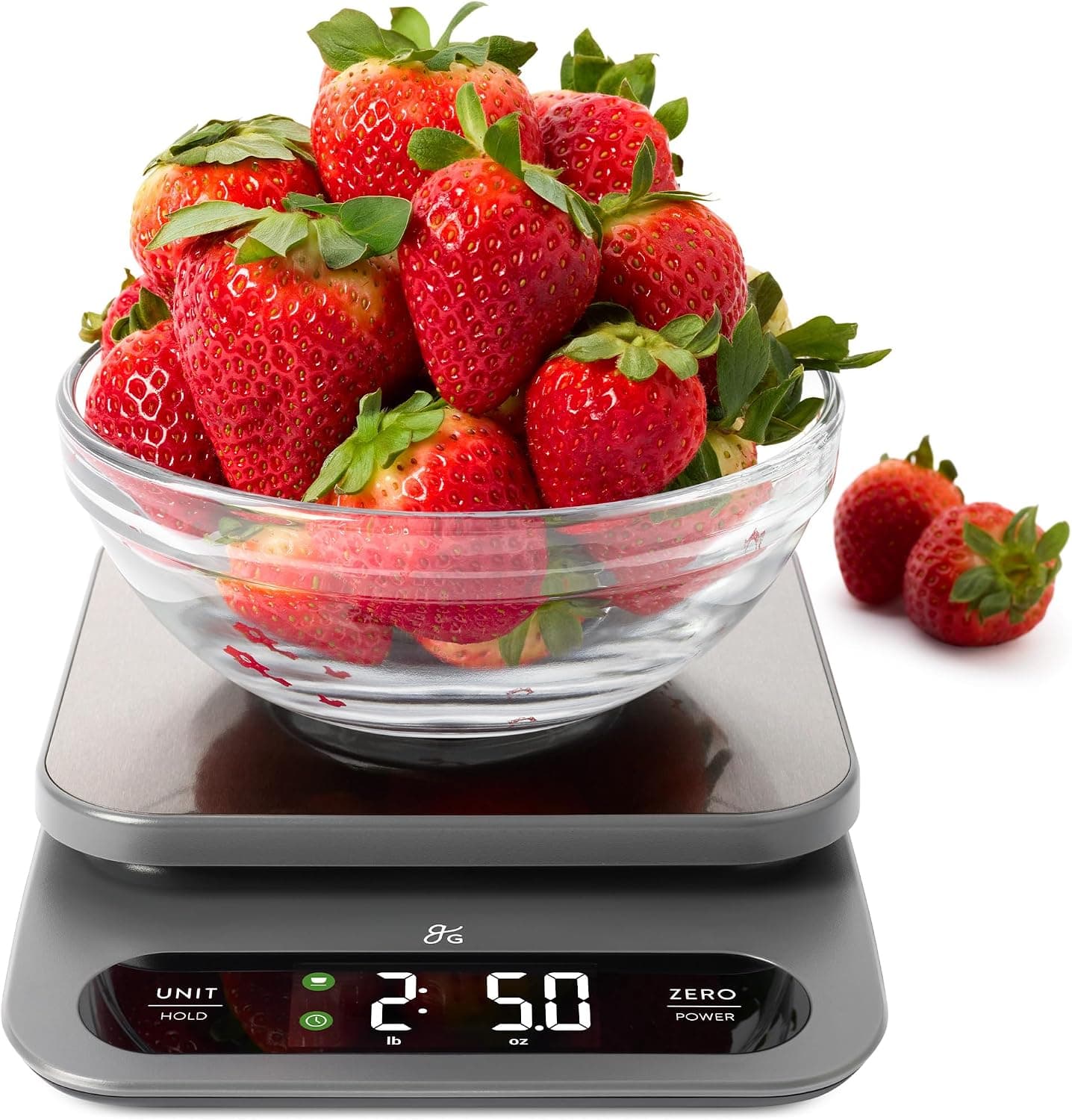
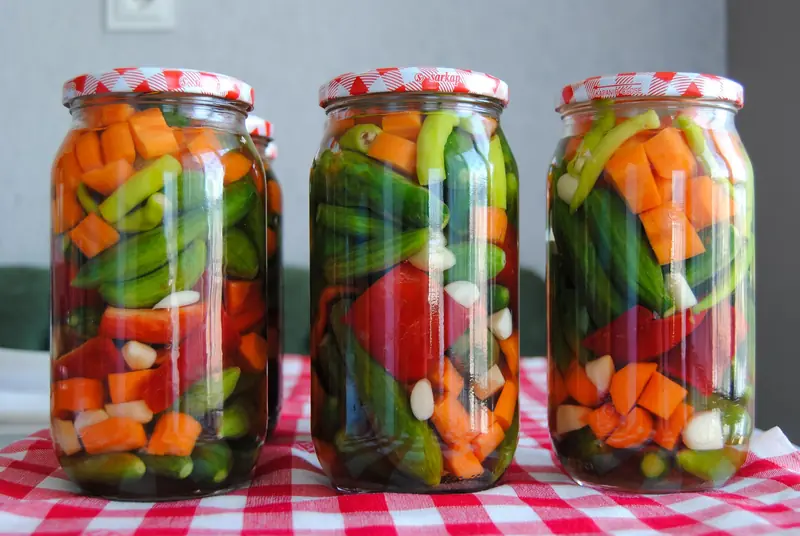
The first rule is enough salt, measured by weight. Salt is what holds the line during the first day or two before acidity takes over, and eyeballing it is how batches go wrong. Use a scale, aim for 2 percent of vegetable weight for dry salted ferments and 3.5 to 5 percent for brines, and write the number on the jar. The second rule is full submersion. Anything above the liquid is exposed to air, and air is what moulds and surface yeasts need. Weights, a folded cabbage leaf and a jar filled to the right level solve this.
The third rule is clean rather than sterile. Wash jars, lids, weights and utensils in hot soapy water and rinse well. You do not need to sanitise like a brewery, because you are deliberately encouraging microbes, but you also do not want to hand a competing population a head start from a dirty jar or a spoon that has been in something else. Wash your hands, use a clean utensil every time you taste, and never return a tasted spoonful to the jar.
Knowing what normal looks like is a safety skill in itself. Expect bubbles, a cloudy brine, a sour smell that reads as fresh and sharp, and gradual colour changes as bright vegetables mellow. Expect white sediment at the bottom, which is spent yeast and bacteria. Expect a flat wrinkled film on the surface occasionally, which is kahm yeast, unappealing but not hazardous, and skimmable. None of these are reasons to worry, and mistaking them for spoilage causes far more wasted food than actual spoilage does.
The signals that mean stop are also fairly clear. Fuzzy growth in blue, green, black or pink that rises off the surface is mould, and widespread mould, or mould that has grown below the brine line, means discard the batch. A smell that is putrid, rotten or reminiscent of bad meat rather than sour is a stop signal. Slimy texture combined with a foul smell is a stop signal. Any of that with a batch you know was under salted or left uncovered deserves no benefit of the doubt. When you are unsure, throw it out, because a cabbage is cheap.
A few structural points round this out. Vegetable ferments are low risk partly because they stay acidic and are eaten from the jar, so keep them acidic and refrigerate once they taste ready. Ferments that involve low acid ingredients in oil, such as garlic confits or chilli pastes stored under oil at room temperature, sit in a different category and should be refrigerated and treated with more care. If a specific technique makes you uneasy, look it up in a properly tested source rather than a comment thread, and prefer methods that keep the food submerged and acidic.
Finally, use your own judgement about who is eating. People who are pregnant, very young, elderly or managing a weakened immune system may reasonably want to be more cautious with any home preserved food, and that is a conversation for them and their own healthcare provider rather than a fermentation blog. For everyone else, the routine is simple. Salt by weight, keep it under the brine, use clean tools, taste often, refrigerate when it is ready and discard without hesitation when something looks genuinely wrong.
Popular right now
- Brine Pickles or Vinegar PicklesArticle
- Water Quality and Chlorine in Home FermentationArticle
- The Best Vacuum Seal Bags for FermentationBuying guide
- Backslopping explainedGlossary
- Best Koji Starter SporesBuying guide
- Fermentation TemperatureArticle
Based on the last 28 days of search and visitor data.