Your First Batch of Sauerkraut, Step by Step
Published How we research
Sauerkraut is the best first ferment for a simple reason. It needs two ingredients, one jar and no starter culture. Everything the ferment requires is already living on the cabbage leaves. Your job is to shred, salt, pack and wait. If you can do that reliably you have learned the core skills that carry over to kimchi, pickles, hot sauce and almost every other vegetable ferment, so it is worth doing the first batch carefully and paying attention to what happens each day.
Products from this article
The highest-scoring picks from the buying guides this article links to. Scores are our editorial assessment, not customer ratings.
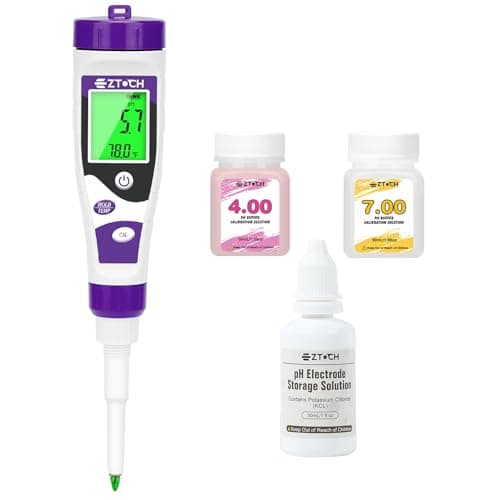
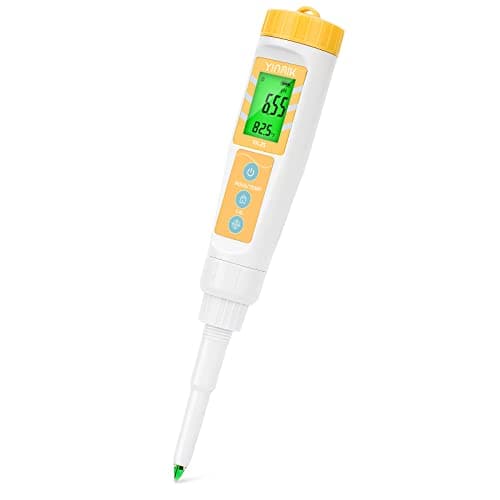
+ Swiss Spear pH Electrode pierces cheese, meat and firm vegetables
From our guide: The Best pH Meters for Fermentation
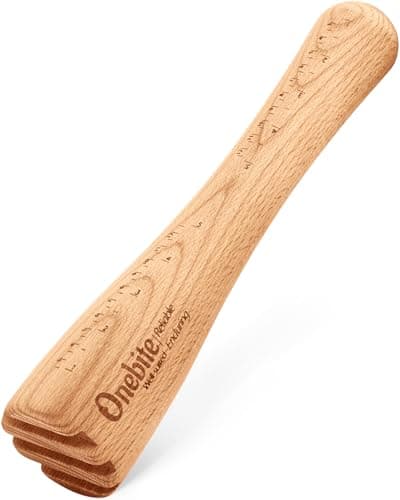
+ Measuring marks on the shaft help you track brine depth and how far the cabbage is packed down.
From our guide: The Best Muddlers and Tampers for Packing Ferments
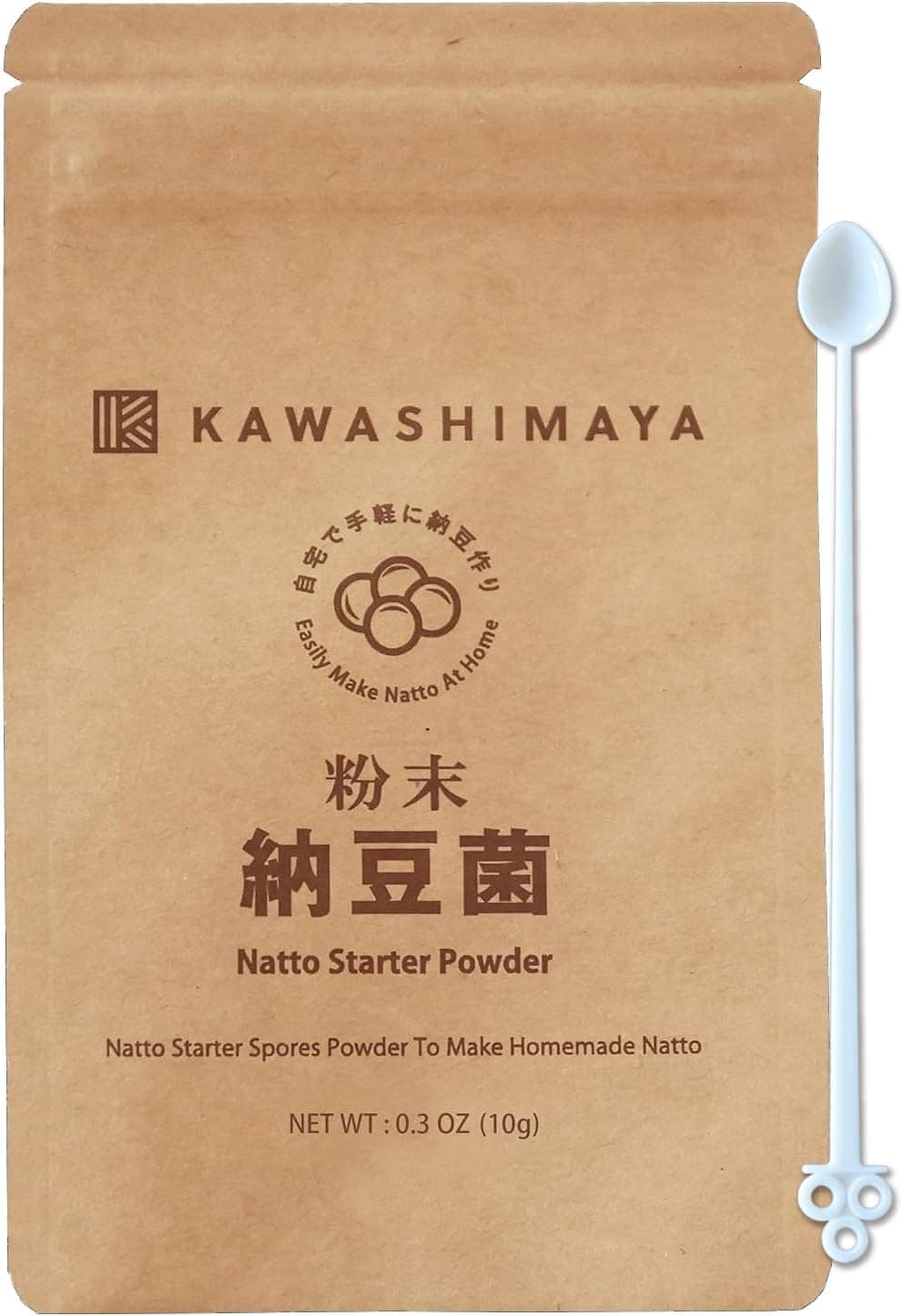
+ 3g of powder makes 10-30kg of natto, a very high yield
From our guide: Best Natto Making Supplies and Starters
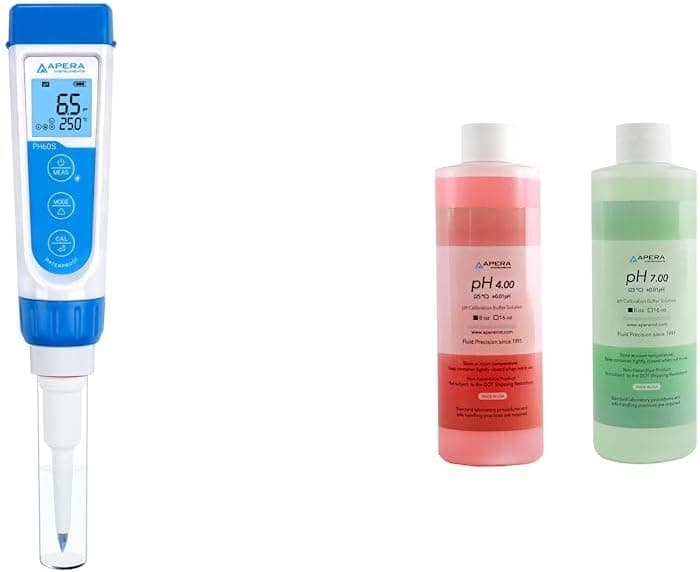
+ Spear tip goes directly into semi-solid samples such as sourdough, fermented salsa or pepper mash.
From our guide: The Best pH Meters for Fermentation

Start with a firm, heavy head of white or green cabbage. Heavy for its size usually means dense and full of moisture, which is exactly what you want, since the cabbage has to supply its own brine. Pull off the outer leaves and set one or two aside. Quarter the head, cut out the core, then shred the quarters as finely as you comfortably can. Thin shreds release liquid faster and pack tighter. Weigh the shredded cabbage in a large bowl and note the number, because the salt is calculated from it.
Multiply the cabbage weight by 0.02 to get a 2 percent salt ratio. For 900 grams of cabbage that is 18 grams of salt. Scatter the salt over the shreds and start massaging and squeezing with clean hands. For the first few minutes nothing seems to happen, then the cabbage softens and liquid begins pooling at the bottom of the bowl. Keep going for five to ten minutes until a firm squeeze releases a steady trickle. Caraway seeds, juniper berries or grated carrot can go in now if you want them, but plain kraut is a better teacher.
Pack the cabbage into a clean wide mouth jar a handful at a time, pressing down hard after each addition to drive out air pockets. As you press, brine should rise above the surface. Leave a few centimetres of headspace at the top, because the ferment will bubble and expand. Fold one of the reserved outer leaves over the shreds to hold stragglers down, then add a weight, a small glass jar, or a sealed water filled bag. Everything solid must stay under the liquid. If it does not, mix a brine of 2 percent salt in water and top up.
Cover the jar loosely or fit an airlock lid, then leave it at cool room temperature away from direct sun. Stand it on a plate, because active ferments overflow. Within one to three days you should see small bubbles and a cloudy brine, and the smell should be fresh and sour rather than rotten. If you are using a sealed lid without an airlock, open it briefly once a day to release pressure. Skim off any surface film promptly and press the cabbage back under.
Start tasting after five days with a clean fork. Young kraut is crunchy and lightly tart. By two weeks it is properly sour and the flavour has rounded out. Somewhere between two and four weeks most people find their preferred point. There is no deadline, so taste every few days and stop when you like it. Move the jar to the refrigerator, where it will keep for many months and continue changing very slowly. Label it with the date and the salt percentage so your second batch can be a deliberate adjustment rather than a fresh guess.
Popular right now
- Brine Pickles or Vinegar PicklesArticle
- Water Quality and Chlorine in Home FermentationArticle
- The Best Vacuum Seal Bags for FermentationBuying guide
- Backslopping explainedGlossary
- Best Koji Starter SporesBuying guide
- Fermentation TemperatureArticle
Based on the last 28 days of search and visitor data.