Fixing Slimy or Soft Ferments
Published How we research
Texture problems are the most common complaint in vegetable fermenting and the most fixable. A jar of pickles that tastes fine but bends like a wet noodle, or a brine that pours in a thick rope, feels like a failure even though nothing dangerous has happened in most cases. The causes cluster into a short list, and once you can recognise which one you are looking at, prevention is straightforward and does not require any special equipment.
Products from this article
The highest-scoring picks from the buying guides this article links to. Scores are our editorial assessment, not customer ratings.
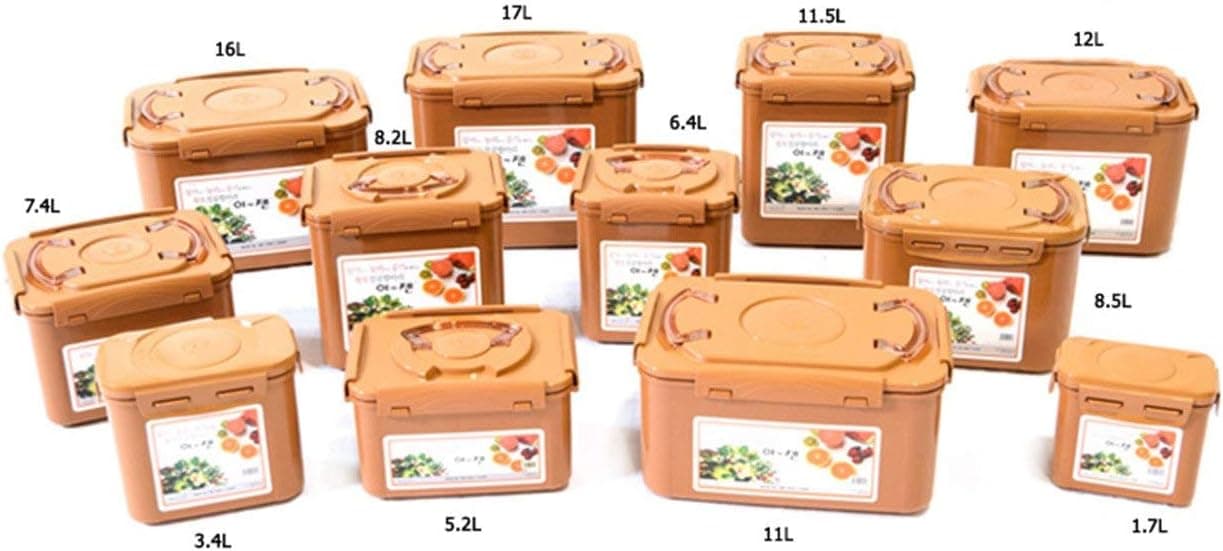
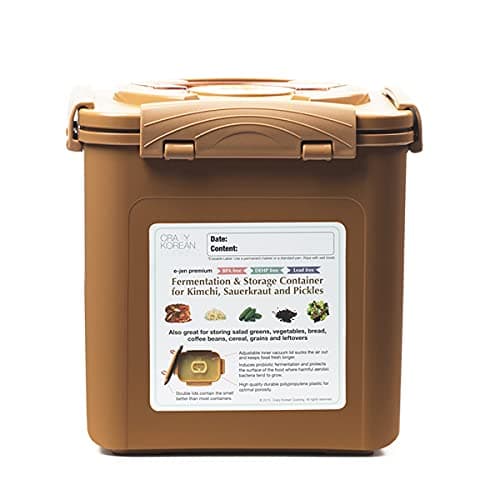
+ Adjustable inner lid minimizes the air above the food as the level drops with each serving.
From our guide: The Best Storage Containers for Fermented Foods
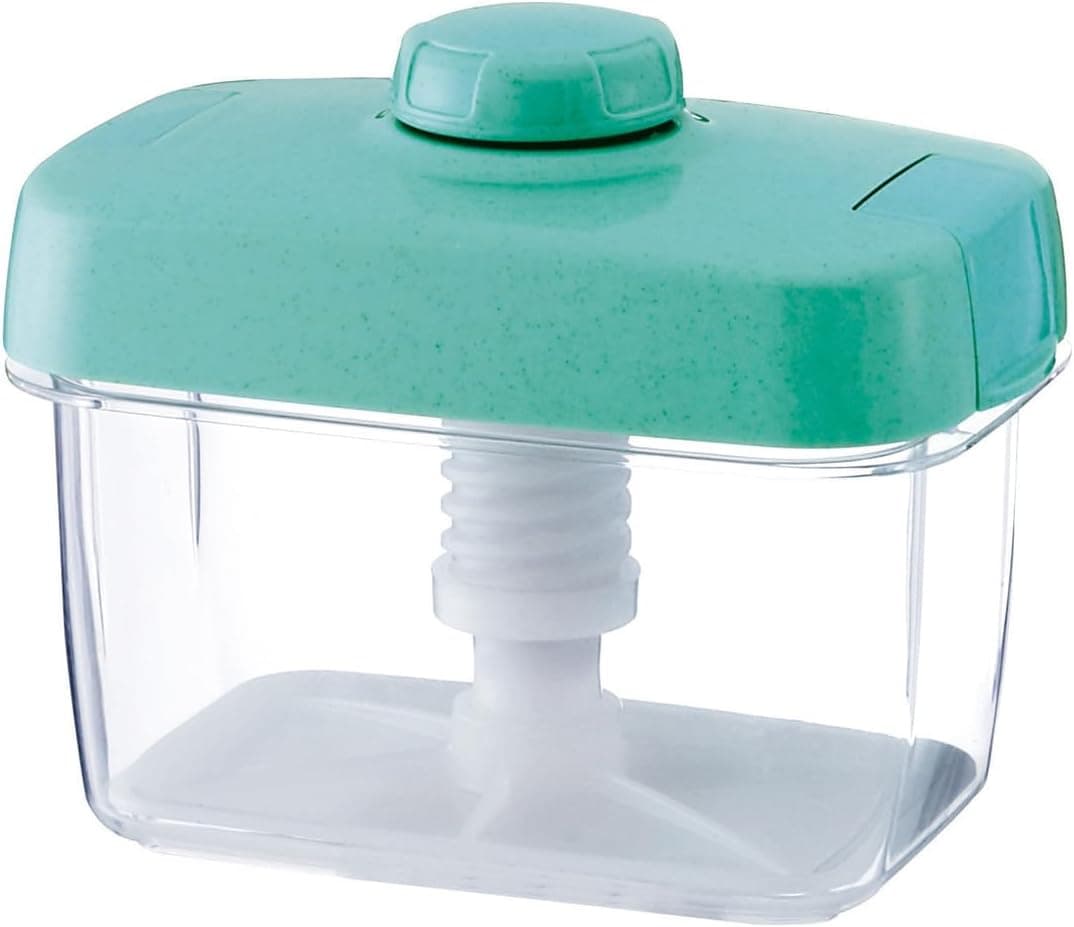
+ 1.6L capacity handles a family side dish of pressed pickles
From our guide: Best Vegetable Fermentation Presses and Weights
+ Hard Case protects the prism and optics between uses
From our guide: The Best Brine Calculators and Measuring Tools
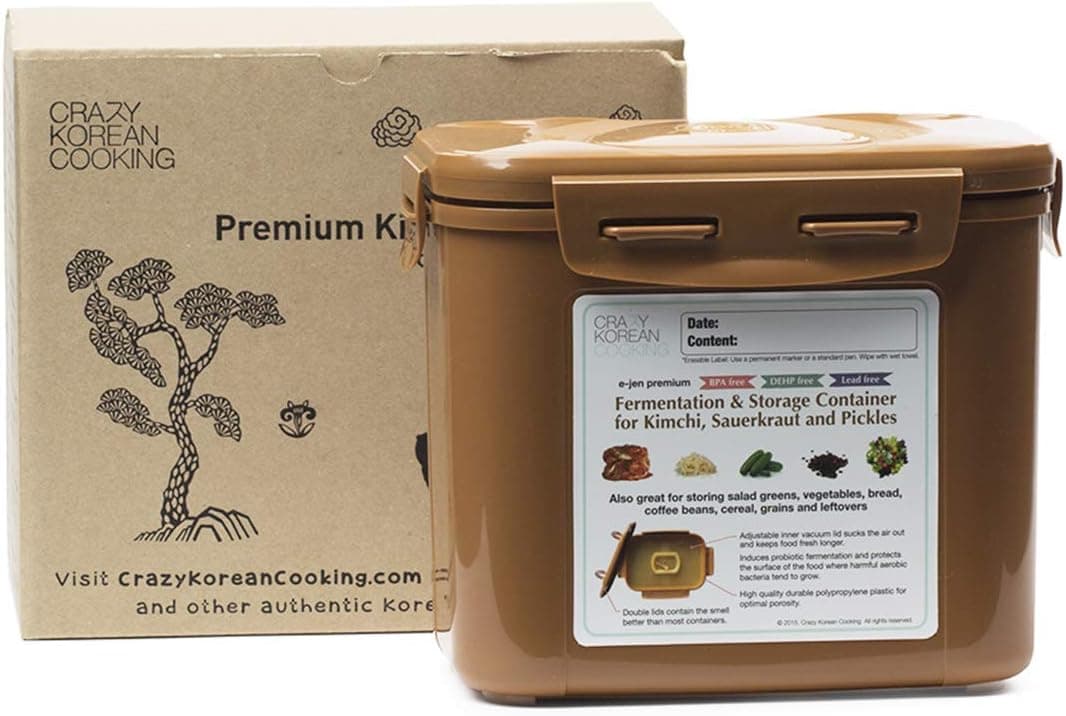
+ 1.7L size keeps a small daily kimchi supply in the fridge door or shelf
From our guide: The Best Storage Containers for Fermented Foods

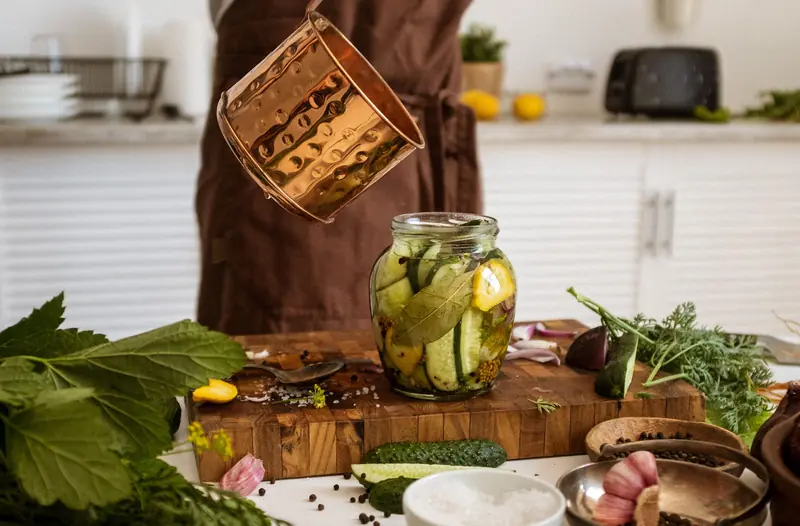
Sliminess in a brine, sometimes described as ropy or stringy, is usually a temporary stage caused by certain lactic acid bacteria producing long chain sugars early in fermentation. It shows up most often in warm conditions, in low salt batches, and in ferments with plenty of sugar such as beetroot or carrot. In many cases it resolves on its own as other bacteria take over and acidity climbs, and the brine thins out again within a week or two. If the smell is clean and sour and the vegetables look normal, giving it more time is a reasonable response.
When sliminess does not resolve, or arrives together with an unpleasant smell or a colour change, the batch is not worth arguing with. The same goes for anything that has turned genuinely mushy throughout rather than just soft at the edges. Discard it, note the conditions, and change one thing. The usual culprit is a combination of too little salt and too much warmth, which lets the wrong organisms establish before acidity can protect the jar.
Softness is a different mechanism. Vegetables stay crisp because of pectin in their cell walls, and pectin is broken down by enzymes. Those enzymes come from three main sources. Heat accelerates them, so a ferment running above about 24 degrees softens faster. Certain mould enzymes do the same, which is why a mouldy jar often has soft contents even below the surface. And flower ends of cucumbers and courgettes carry pectinase, which is exactly why traditional pickle recipes tell you to trim the blossom end off every single cucumber before packing.
Produce quality sets the ceiling on texture. Nothing you do in a jar will crisp up a cucumber that was already limp when you bought it, or a cabbage that has been sitting in a warm shop for a week. Ferment vegetables as soon after harvest as you can, keep them cold until you use them, and start with firm specimens. Soaking cucumbers in ice water for an hour before brining rehydrates them and makes a noticeable difference to the finished snap.
Tannins are the traditional supporting trick. Adding a few grape leaves, oak leaves, blackcurrant leaves, horseradish leaves or a small amount of loose black tea to a jar of cucumbers introduces tannins that inhibit the pectin degrading enzymes. This is folk practice that persists because it works reasonably well, though it will not rescue a batch that is too warm or under salted. Calcium chloride, sold as pickle crisp, is the modern alternative and firms texture without affecting flavour.
So the practical checklist for crisp results is short. Use fresh firm produce and chill it first, trim blossom ends, salt properly by weight at 2 to 2.5 percent for dry salted ferments or 3.5 to 5 percent for brines, ferment somewhere cool and steady, keep everything submerged so mould never gets a foothold, and add a tannin source to cucumbers if you like. Then taste early and refrigerate at the point you enjoy, because texture continues to soften slowly the longer a jar sits at room temperature. Cold storage is what locks in the crunch you worked for.
Popular right now
- Brine Pickles or Vinegar PicklesArticle
- Water Quality and Chlorine in Home FermentationArticle
- The Best Vacuum Seal Bags for FermentationBuying guide
- Backslopping explainedGlossary
- Best Koji Starter SporesBuying guide
- Fermentation TemperatureArticle
Based on the last 28 days of search and visitor data.