How Fermentation Works
Published How we research
Fermentation works by creating conditions where the microbes you want thrive while the ones you don't cannot survive. Most vegetable ferments rely on lactic acid bacteria, which tolerate salt and low oxygen and quickly outcompete mould and spoilage bacteria. As acidity rises, the pH drop is the real safety mechanism protecting the ferment. Other ferments like kombucha, yogurt, sourdough, and tempeh follow different microbial paths. Time and temperature are the two dials you control: warmer is faster but flatter, cooler is slower with more complex flavor. Taste regularly to learn what each stage looks and smells like. Fermentation sounds mysterious, but the basic idea is simple. You are creating conditions where the microbes you want can thrive and the microbes you do not want cannot. Vegetables, milk, grain and tea all arrive with their own populations of bacteria and yeast, or you add a culture yourself. When you give those helpful organisms the food, temperature and oxygen level they prefer, they multiply quickly and take over. As they grow they consume sugars and produce acids, alcohol and carbon dioxide. Those byproducts change the flavour, the texture and the shelf life of whatever is in the jar.
Products from this article
The highest-scoring picks from the buying guides this article links to. Scores are our editorial assessment, not customer ratings.
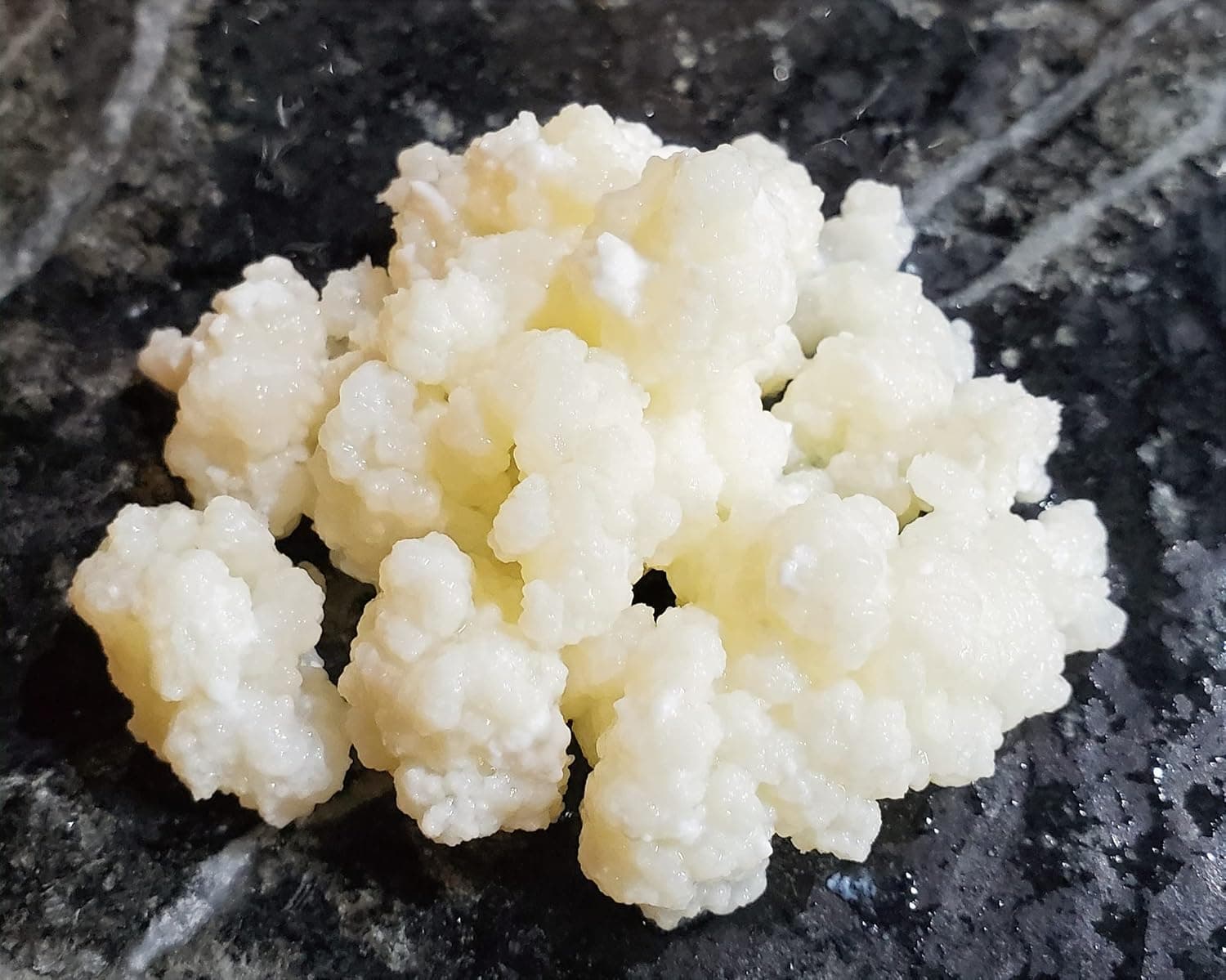
+ Shipped in Glass Jar protects the grains better than a plastic bag
From our guide: Best Milk Kefir Grains for Home Brewing
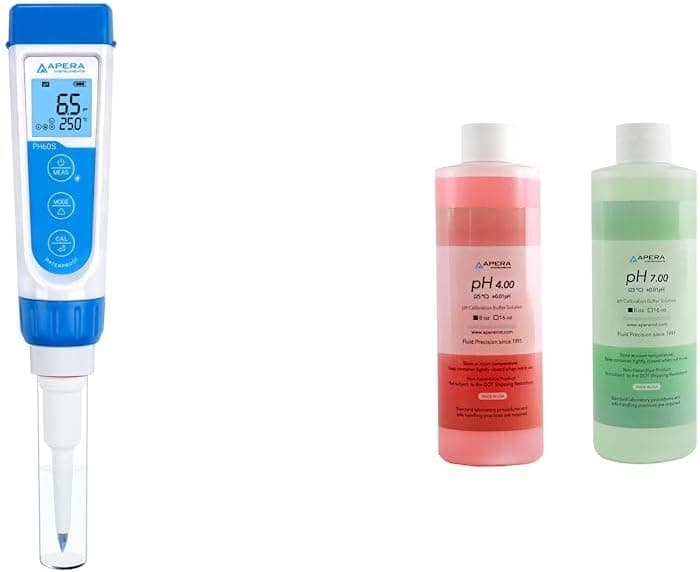
+ Swiss Spear pH Electrode pierces cheese, meat and firm vegetables
From our guide: The Best pH Meters for Fermentation
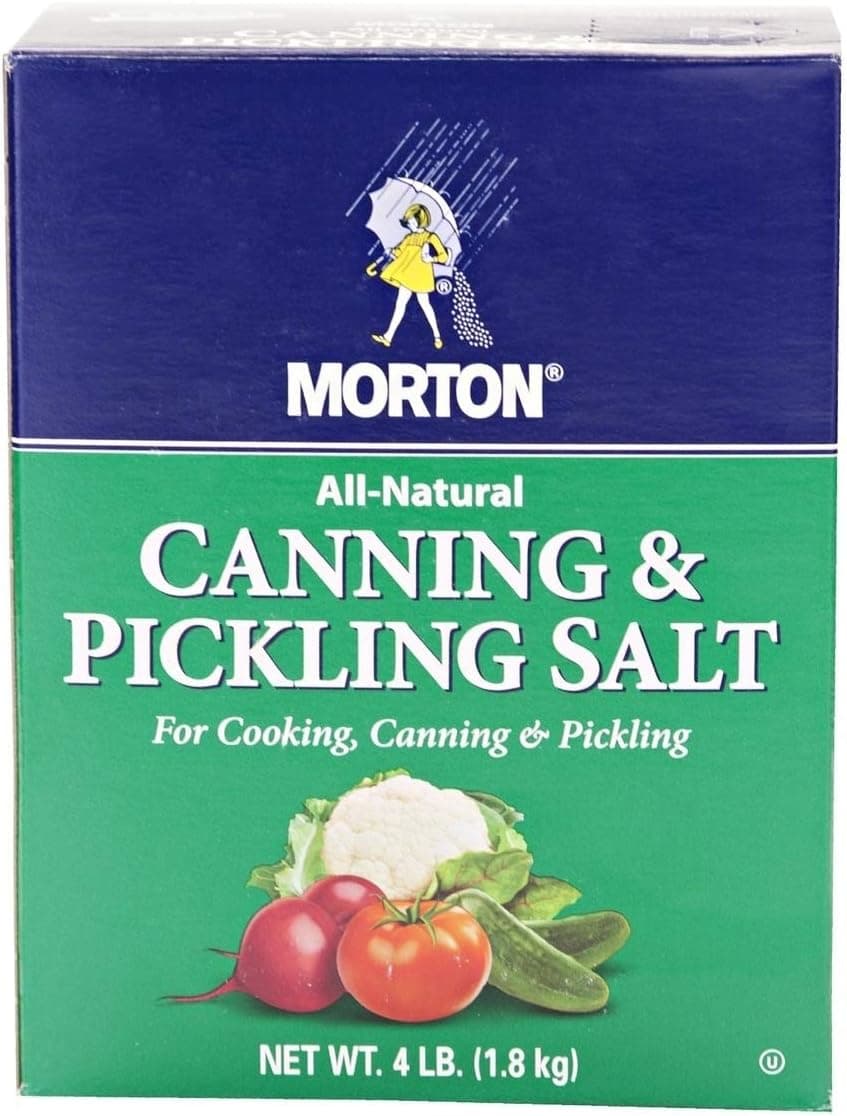
+ Morton is a trusted salt brand that is easy to find again
From our guide: Best Salts for Fermenting Vegetables
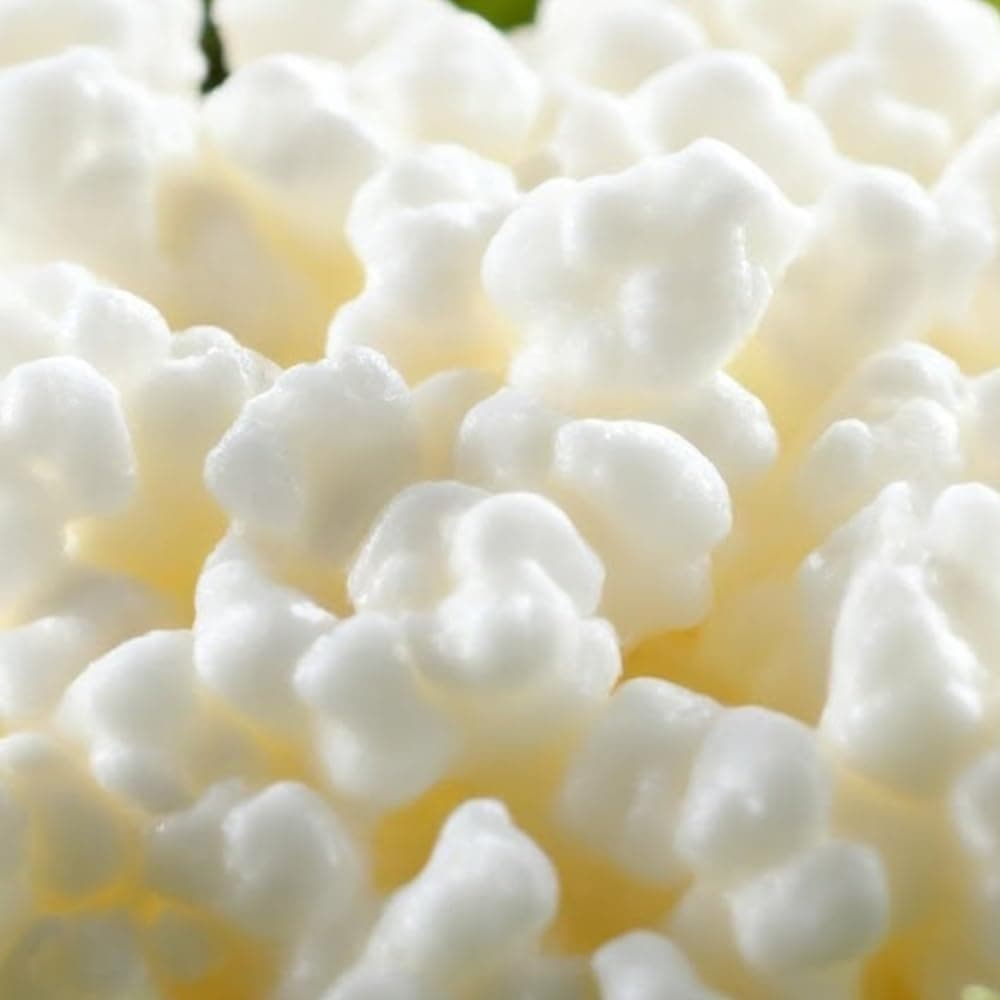
+ 1 TBSP of grains is more than typical teaspoon starters, so batches can be bigger
From our guide: Best Milk Kefir Grains for Home Brewing

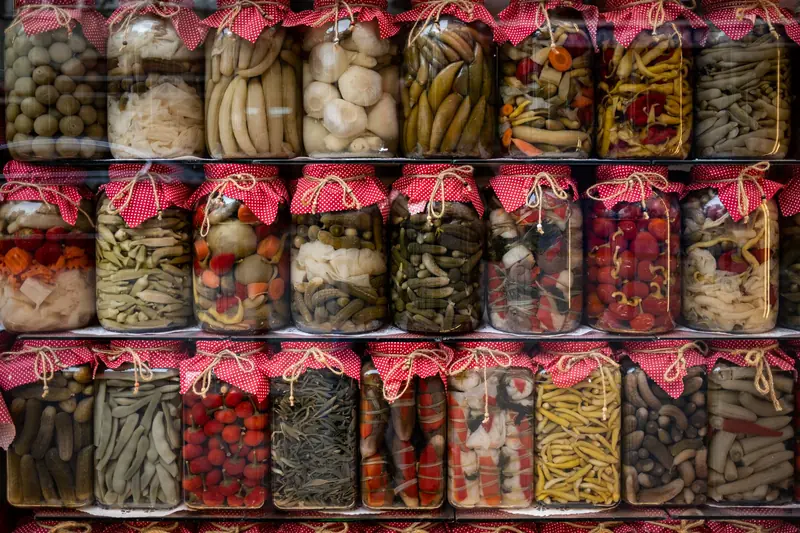
Lactic acid bacteria drive most vegetable ferments
Most vegetable ferments rely on lactic acid bacteria, often shortened to LAB. These bacteria live on the surface of fresh produce and are tolerant of salt and low oxygen. When you pack shredded cabbage into a jar with salt and press it under its own brine, you have built an environment that suits them and frustrates almost everything else. Mould needs air. Many spoilage bacteria dislike salt or acid. The LAB do not mind either, so they win the race. Within a day or two they are producing enough lactic acid to drop the pH and lock in their own advantage.
The drop in pH is the real safety mechanism
That drop in pH is the real safety mechanism. As acidity climbs, the environment becomes hostile to organisms that could cause illness. This is why sauerkraut, kimchi and brine pickles have been made for centuries without refrigeration. It is also why the first two or three days matter most. A ferment that acidifies quickly is a ferment that is protecting itself. A ferment that sits at room temperature with too little salt, too much exposed surface or a lid left wide open is a ferment where the race is less certain.
Other ferments follow different microbial paths
Other ferments follow different paths. Kombucha uses a mixed culture of yeast and bacteria. The yeast consume sugar and produce alcohol, then acetic acid bacteria convert most of that alcohol into acids, which is where the vinegary bite comes from. Yogurt and milk kefir work on lactose rather than plant sugars, and the acid they produce causes milk proteins to coagulate into a thick set. Sourdough combines wild yeast for lift with lactic bacteria for flavour. Koji and tempeh are mould ferments, where a cultivated fungus grows over grain or beans and releases enzymes that break down starch and protein.
Time and temperature are the two dials you control
Time and temperature are the two dials you actually control once a ferment is started. Warmer means faster, which sounds good until you notice that fast ferments often taste flat and can turn soft. Cooler means slower, and slow usually means more complex flavour and firmer texture. Most vegetable ferments are comfortable somewhere between 18 and 22 degrees Celsius. Dairy cultures generally want more warmth. Rather than chasing an exact number, find the steadiest spot in your home and learn what it produces, then adjust in small steps.
Fermentation is a process, not a moment
The last thing worth understanding is that fermentation is a process, not a moment. A jar of kraut on day three tastes salty and barely sour. On day ten it tastes bright and clean. On day thirty it tastes deep and a little funky. None of those stages is wrong. Tasting regularly with a clean fork is the single most useful habit you can build, because it teaches you what each stage looks and smells like in your own kitchen. Once you have that reference, recipes become suggestions rather than instructions, and troubleshooting gets much easier.
Frequently asked questions
What bacteria are responsible for most vegetable fermentation? Lactic acid bacteria, often shortened to LAB, live on the surface of fresh produce, tolerate salt and low oxygen, and quickly outcompete mould and most spoilage organisms.
Why is fermented food safe without refrigeration? As lactic acid bacteria multiply, they lower the pH, and that rising acidity makes the environment hostile to organisms that could cause illness, which is the real safety mechanism behind ferments like sauerkraut.
Does temperature change how fermented food tastes? Yes. Warmer temperatures speed fermentation but often produce flatter, softer results, while cooler temperatures slow the process and usually create more complex flavor and firmer texture.
How do I know when a ferment is ready? Taste it regularly with a clean utensil. There is no single correct stage, since flavor shifts from salty and mild early on to bright, sour, and eventually deep and funky over time.
Popular right now
- Brine Pickles or Vinegar PicklesArticle
- Water Quality and Chlorine in Home FermentationArticle
- The Best Vacuum Seal Bags for FermentationBuying guide
- Backslopping explainedGlossary
- Best Koji Starter SporesBuying guide
- Fermentation TemperatureArticle
Based on the last 28 days of search and visitor data.