Koji and Miso Basics for the Curious Home Fermenter
Published How we research
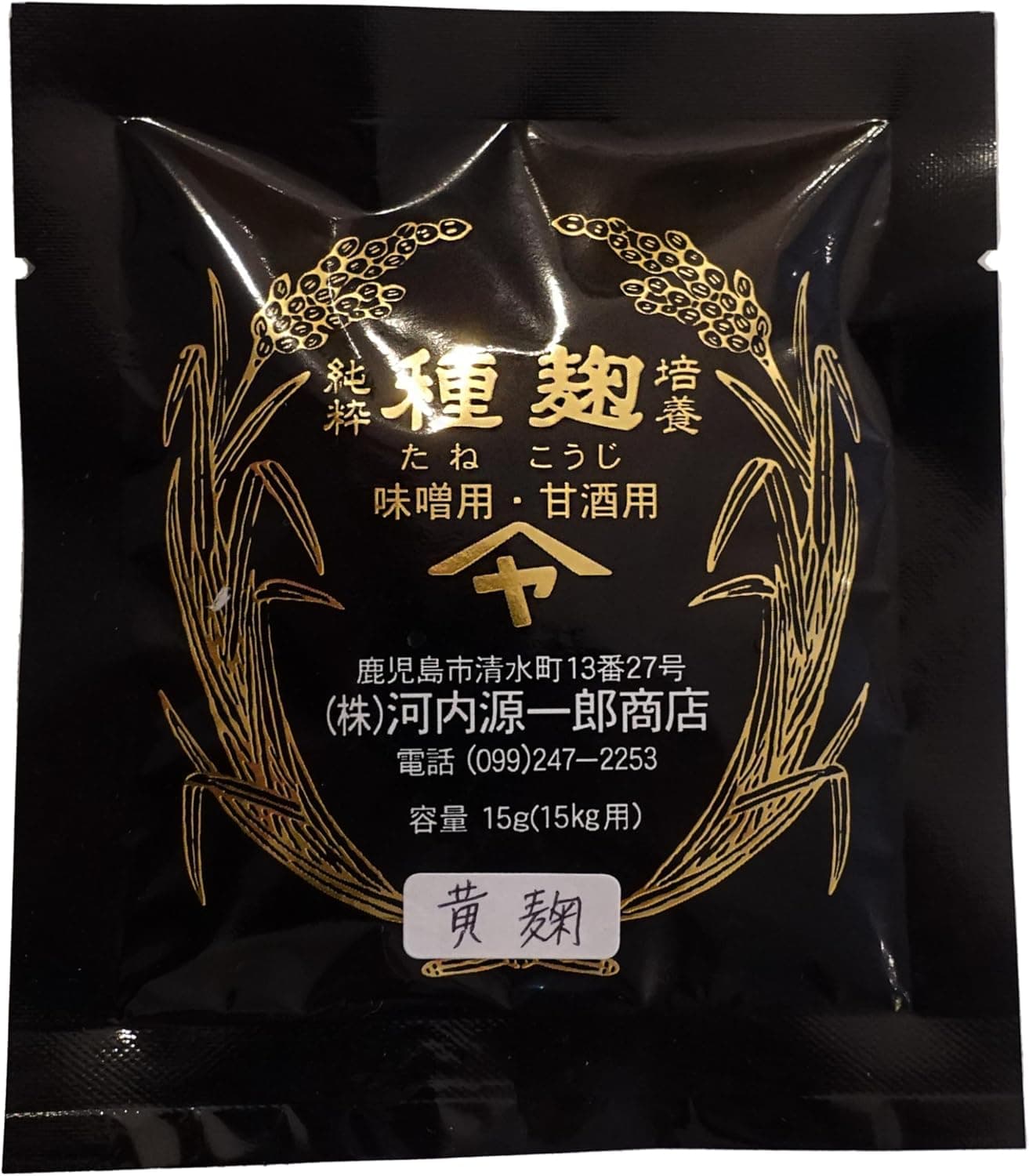
Koji is where home fermentation gets genuinely different. Instead of bacteria souring a jar, you are working with a cultivated mould called Aspergillus oryzae, grown on cooked grain. As it grows it releases enzymes that break starch into sugar and protein into amino acids. Those enzymes are the engine behind miso, soy sauce, sake, amazake and mirin, and they are why Japanese ferments taste so deeply savoury. For a home cook, the practical entry point is buying ready made koji rice and using it to make miso.
Products from this article
The highest-scoring picks from the buying guides this article links to. Scores are our editorial assessment, not customer ratings.
+ Yellow koji spores are the classic choice for miso and soy sauce
From our guide: Best Koji Starter Spores
+ Pickle Pipes are waterless silicone valves, so there is no airlock to refill
From our guide: Best Fermentation Gifts
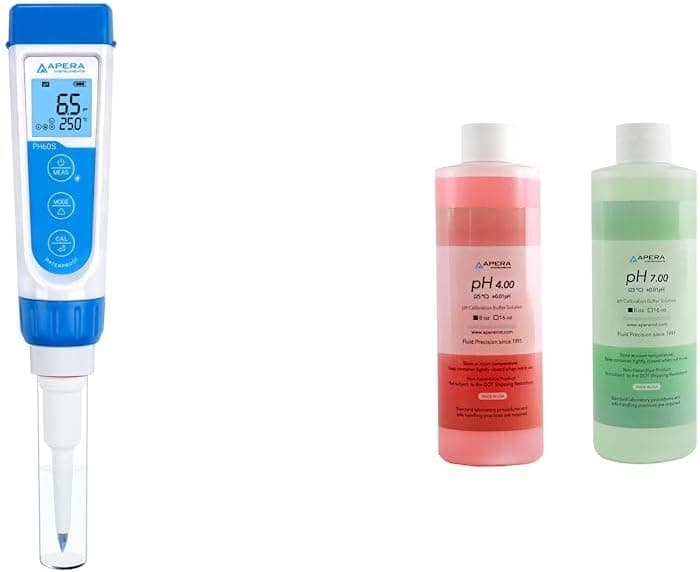
+ Swiss Spear pH Electrode pierces cheese, meat and firm vegetables
From our guide: The Best pH Meters for Fermentation
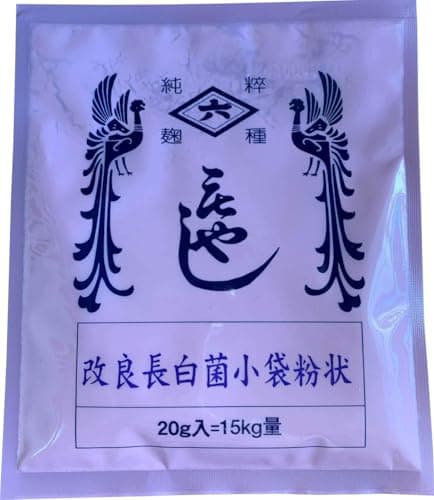
+ Made by Hishiroku of Kyoto, described in the listing as a 300-year-old specialist koji maker.
From our guide: Best Koji Starter Spores

Koji rice is sold dried in Japanese and Korean groceries and online, usually as pale rice grains with a faint sweet, chestnut like smell and a dusting of white. Growing your own from spores is possible and is a satisfying project, but it needs steady warmth around 30 degrees, high humidity and close attention over two days. Buying it for your first few batches removes the hardest variable and lets you learn what koji actually does before you try to produce it yourself.
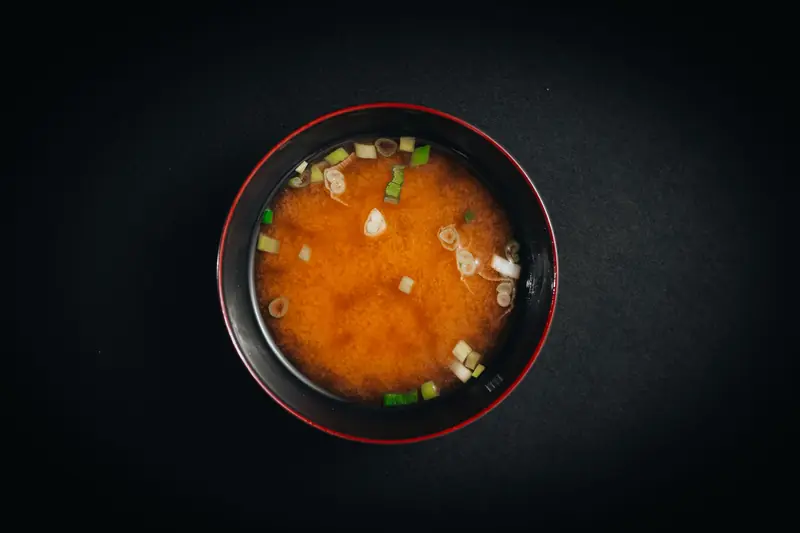
Miso is, at its simplest, cooked soybeans mashed with koji and salt, then left to age. The enzymes from the koji slowly dismantle the beans into a paste full of glutamates and free amino acids, which is where the savoury depth comes from. Salt controls the pace and keeps the mixture safe over months of ageing. There is no daily maintenance, no bubbling to manage and no burping. Once it is packed, miso mostly wants to be left alone, which makes it one of the least demanding ferments to keep.
Ratios determine the style. A high proportion of koji to beans with a shorter age gives sweet white miso, ready in as little as four to eight weeks. A lower proportion of koji with more salt and a long age gives dark red miso that may need a year or more. A reasonable first attempt is roughly equal weights of cooked soybeans and koji rice, with salt at around 6 percent of the combined weight. Cook the beans until they crush easily between your fingers, cool them, then mash and mix everything with a little bean cooking liquid until it has the texture of thick dough.
Pack the paste firmly into a clean container, pressing hard to eliminate air pockets, and smooth the surface flat. Cover the surface directly with cling film or parchment pressed against the paste, add a weight on top, and cover the container. Air pockets are where surface mould grows, and firm packing plus a direct surface cover is the whole prevention strategy. Store somewhere cool and stable, out of direct sunlight, and note the date. Some liquid, called tamari, may pool on top over time, which is a good sign and can be stirred back or used as a seasoning.
Taste at the earliest point your recipe suggests and then at intervals. Young miso is mild and salty sweet. As it ages it darkens through tan into brown and the flavour becomes rounder and more complex. When you like it, move the container to the refrigerator, which effectively holds it where it is. Surface discolouration and a patch of white yeast are normal and can be scraped off. Coloured fuzzy mould should be removed generously along with the paste beneath it, and a badly contaminated batch should be discarded.
Beyond miso, koji rewards experimentation. Shio koji, made by combining koji, salt and water and leaving it a week, is a versatile marinade that tenderises meat and seasons vegetables. Amazake, made by holding koji and cooked rice at a warm temperature for several hours, produces a naturally sweet drink with no added sugar. Both take days rather than months and are a good way to get a feel for what those enzymes do before committing to a year long batch of miso.
Popular right now
- Brine Pickles or Vinegar PicklesArticle
- Water Quality and Chlorine in Home FermentationArticle
- The Best Vacuum Seal Bags for FermentationBuying guide
- Backslopping explainedGlossary
- Best Koji Starter SporesBuying guide
- Fermentation TemperatureArticle
Based on the last 28 days of search and visitor data.