Kombucha First and Second Ferment Explained
Published How we research
Kombucha is made in two distinct stages, and understanding what each one does makes the whole process far less confusing. The first ferment is where sweet tea becomes kombucha. The second ferment is where flat kombucha becomes fizzy, flavoured kombucha. They happen in different vessels, under different conditions, and they solve different problems. Many beginners treat them as one long process and then wonder why their drink is either sour and flat or explosively fizzy and undrinkable.
Products from this article
The highest-scoring picks from the buying guides this article links to. Scores are our editorial assessment, not customer ratings.
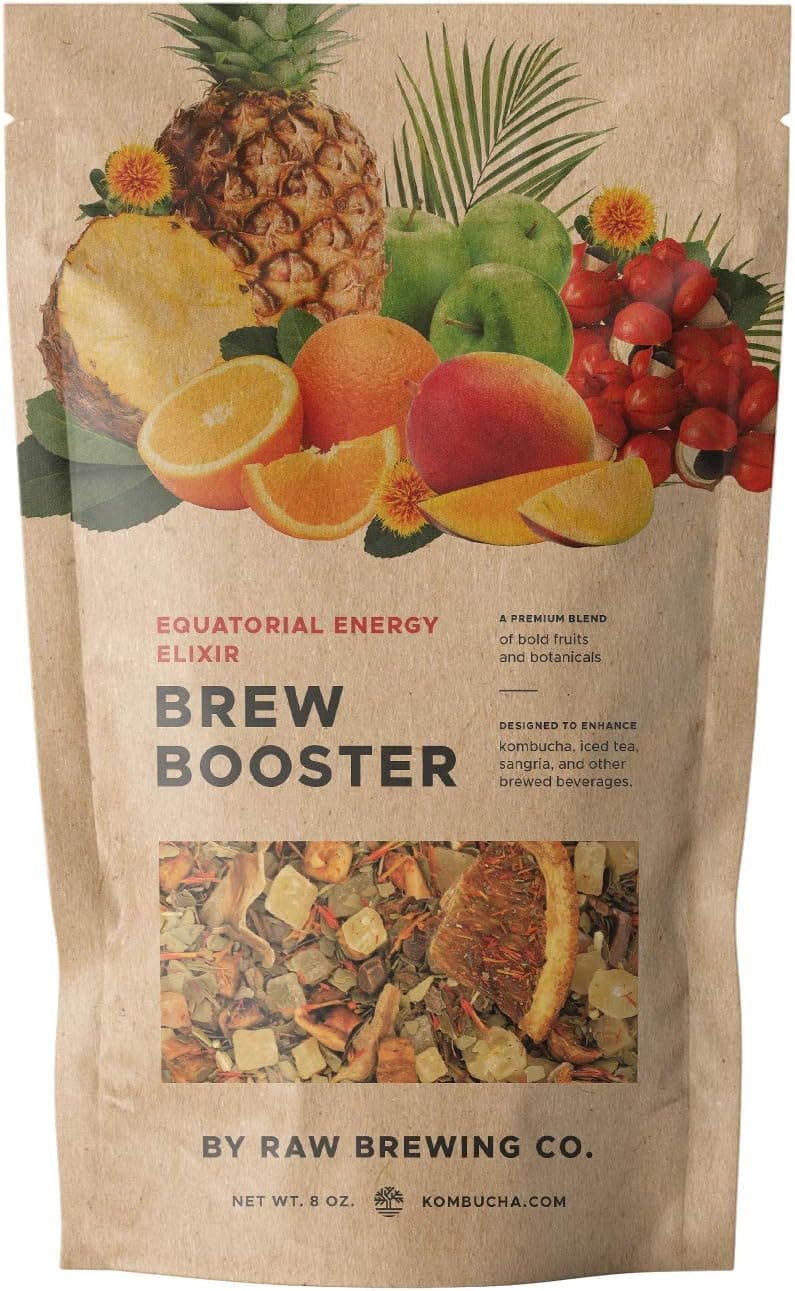
+ Pineapple, mango and papaya create a bright tropical second ferment
From our guide: Best Kombucha Flavoring Kits
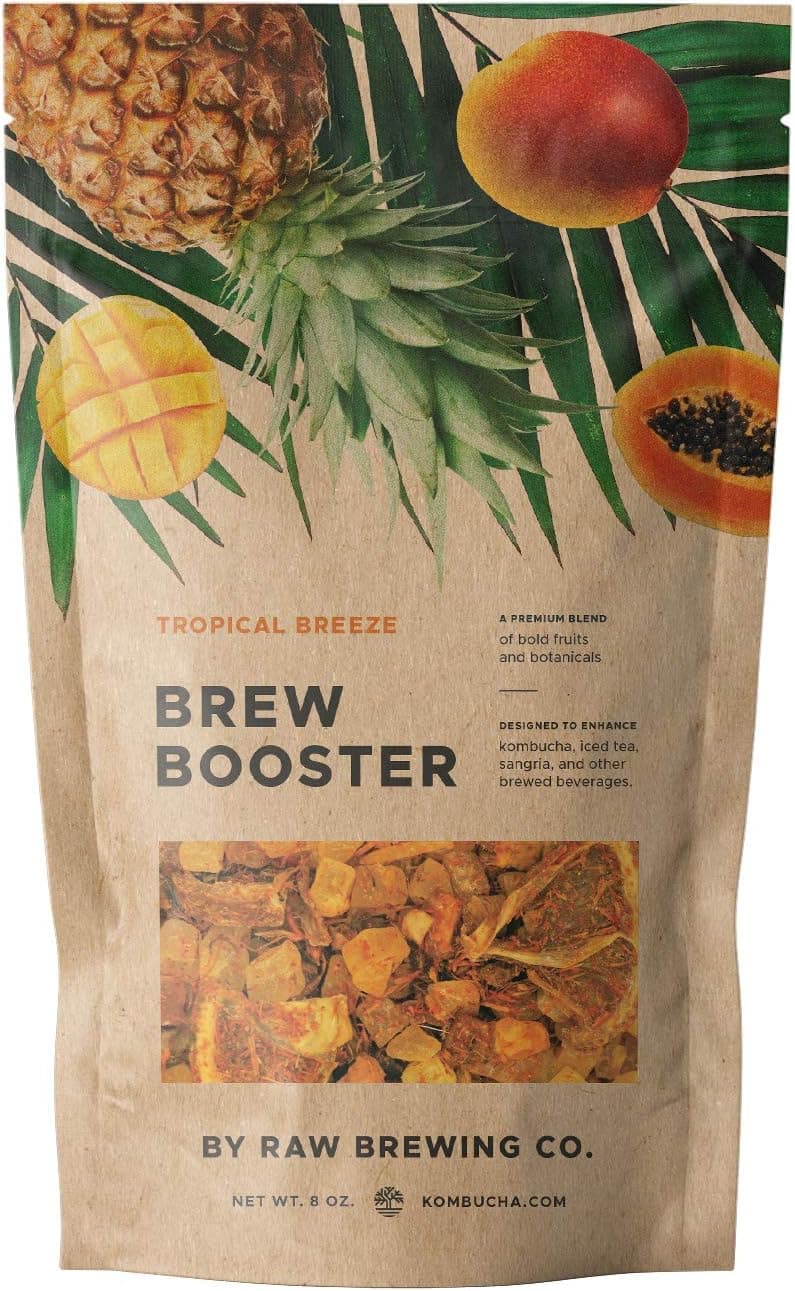
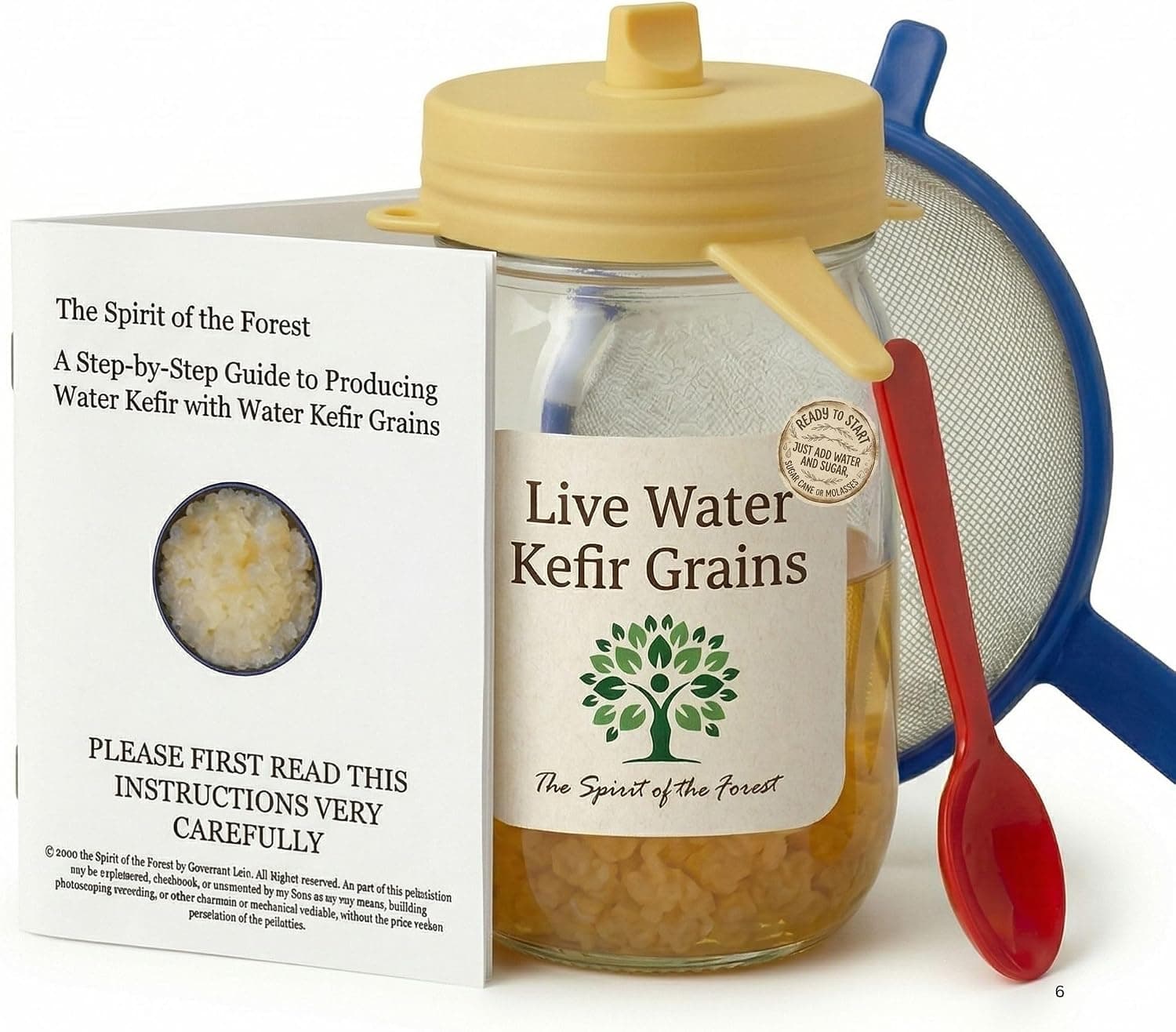
+ Fresh live grains start producing fizzy water kefir faster than dried cultures
From our guide: Best Water Kefir Kits
+ 64 Vegetables and Herbs are covered one by one, handy for gardeners with gluts
From our guide: The Best Fermentation Books Worth Owning
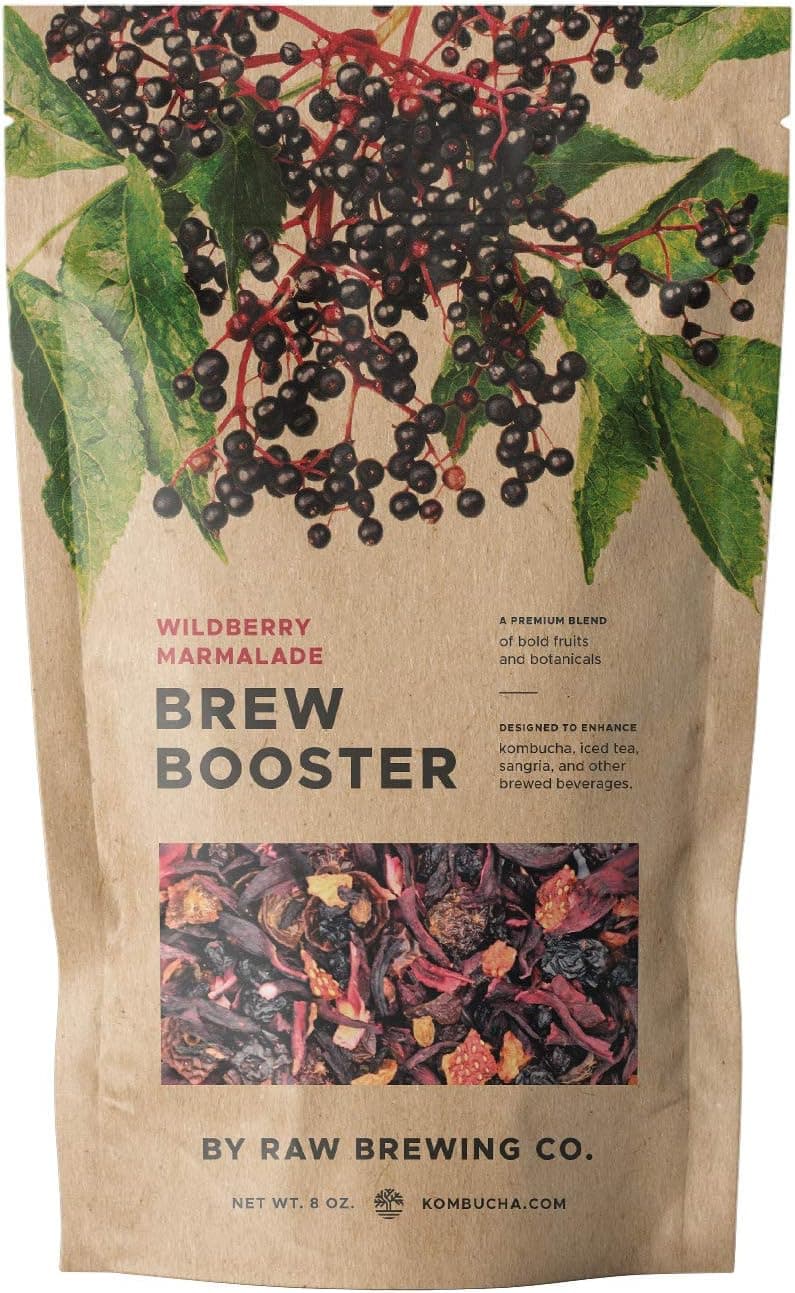
+ Elderberry, currant and strawberry build a jammy, fruit-forward flavor
From our guide: Best Kombucha Flavoring Kits

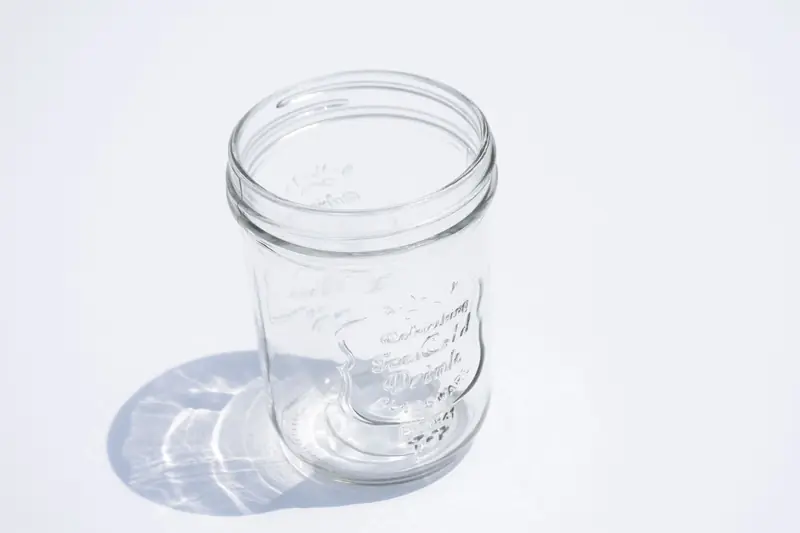
The first ferment takes place in an open vessel covered with breathable cloth. You brew sweetened tea, cool it, add starter liquid from a previous batch, and float a culture on top. The yeast in the culture eat the sugar and produce alcohol and carbon dioxide, and acetic acid bacteria convert most of that alcohol into organic acids. Because the vessel breathes, the carbon dioxide escapes and the acids that need oxygen can form. This is why first ferment kombucha tastes tangy but is only lightly sparkling, and why covering the jar with a sealed lid at this stage is a mistake.
How long the first ferment runs depends mostly on temperature and on how sour you like it. In a warm kitchen it can be ready in seven days. In a cool one it may take three weeks. Rather than counting days, start tasting through a straw or a small ladle around day six. You want the sweetness reduced but not gone, with a clean tart edge and no harsh vinegar burn. Stopping while a little sugar remains matters, because that residual sugar feeds the second ferment. Pull a cup or two of finished liquid aside as starter for the next batch before you bottle.
The second ferment moves the liquid into sealed bottles. Now the carbon dioxide has nowhere to escape, so it dissolves into the drink and builds pressure. This is where the fizz comes from. It is also where you add flavour, usually as fruit, juice, ginger, herbs or a small amount of extra sugar. The added sugar gives the yeast something fresh to work on, which is what drives carbonation. Use bottles built for pressure, such as swing top or thick walled soda bottles. Ordinary decorative bottles and repurposed juice containers are not designed for this.
Second ferment is usually much shorter, often one to four days at room temperature. Warmer rooms and sugary fruit speed it up considerably. Leave a little headspace in each bottle and burp one test bottle daily by opening it briefly and listening. When the release sounds sharp and lively, the batch is carbonated. Moving all bottles to the refrigerator at that point slows the yeast dramatically and holds the fizz where you want it. Chilled bottles also foam far less when opened.
Over carbonation is the most common second ferment problem and it is entirely preventable. Cut back on added sugar, shorten the time, or ferment somewhere cooler. Use a designated test bottle rather than guessing, and keep bottles in a closed cupboard or a plastic tub while they carbonate. If a bottle gushes on opening, chill it thoroughly and open it slowly over a sink. On the other side, a batch with no fizz usually means the first ferment ran too long and no sugar was left, or the room was too cold for the yeast to stay active. Adjust one variable at a time and take notes.
Popular right now
- Brine Pickles or Vinegar PicklesArticle
- Water Quality and Chlorine in Home FermentationArticle
- The Best Vacuum Seal Bags for FermentationBuying guide
- Backslopping explainedGlossary
- Best Koji Starter SporesBuying guide
- Fermentation TemperatureArticle
Based on the last 28 days of search and visitor data.