Salt Ratios for Vegetable Ferments
Published How we research
Salt is the main lever in vegetable fermentation. It pulls water out of plant cells to create brine, it slows down spoilage organisms, it keeps pectin firm so cucumbers and beans stay crisp, and it buys the lactic acid bacteria time to establish themselves. Too little salt and the ferment moves fast but risks softness and off flavours. Too much and it moves so slowly that the jar sits in a salty limbo for weeks. Getting the ratio right is less about a magic number and more about matching the salt level to the vegetable and the season.
Products from this article
The highest-scoring picks from the buying guides this article links to. Scores are our editorial assessment, not customer ratings.
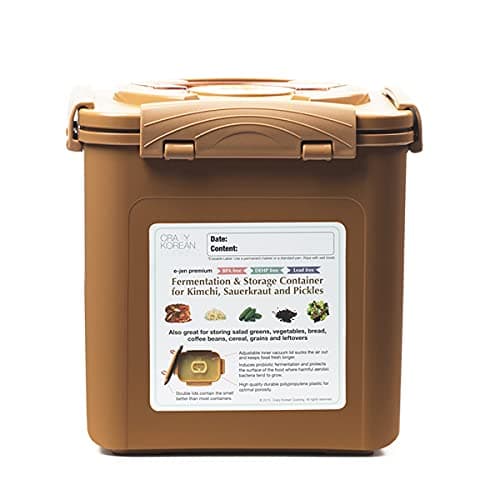
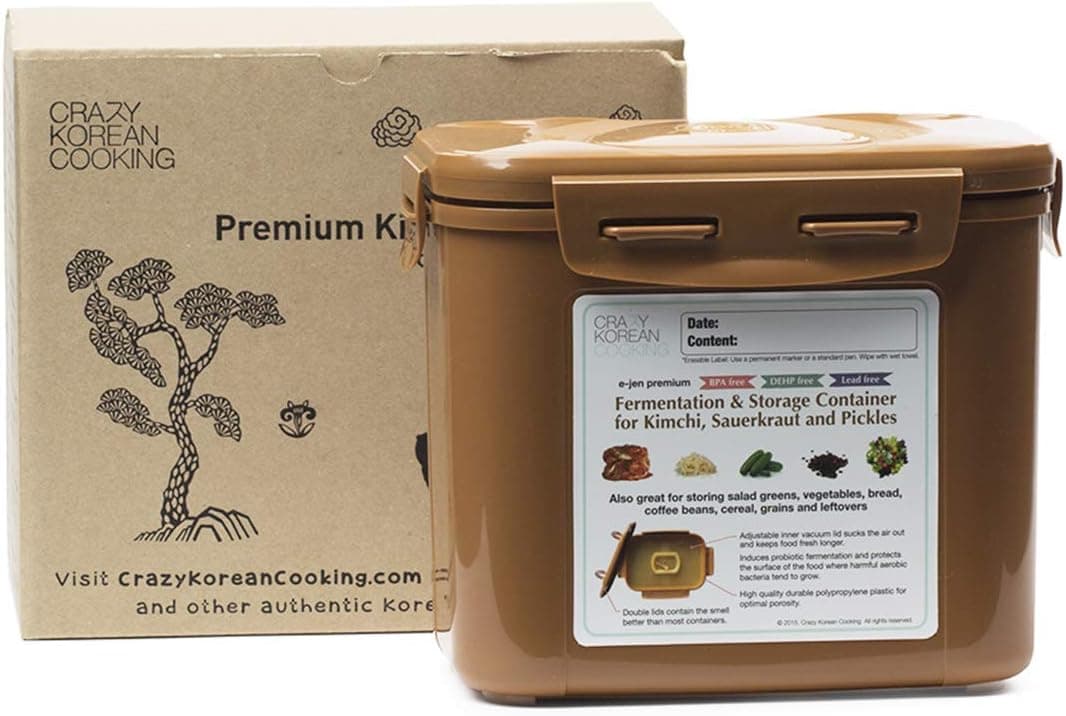
+ Adjustable inner lid minimizes the air above the food as the level drops with each serving.
From our guide: The Best Storage Containers for Fermented Foods
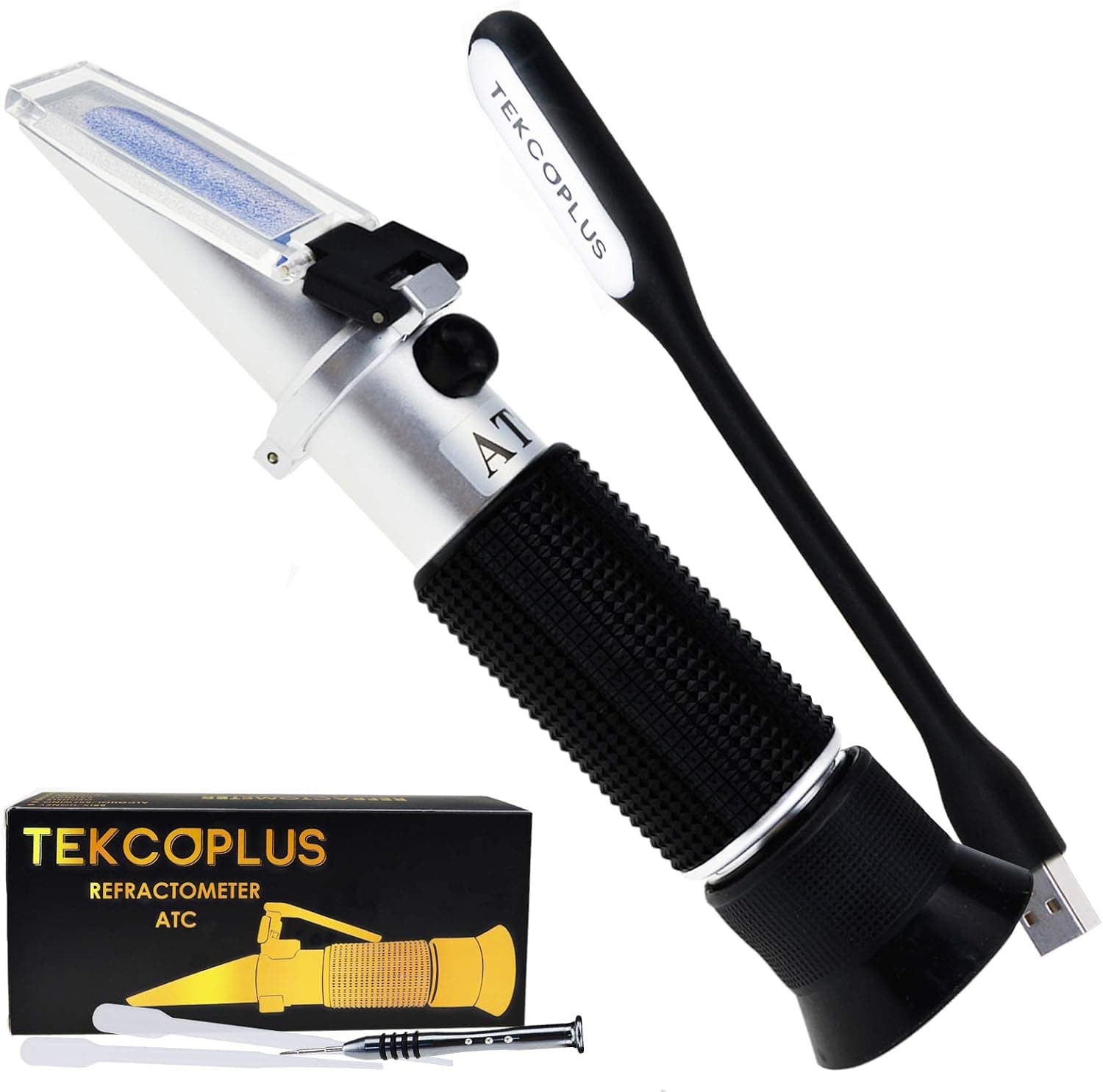
+ Hard Case protects the prism and optics between uses
From our guide: The Best Brine Calculators and Measuring Tools
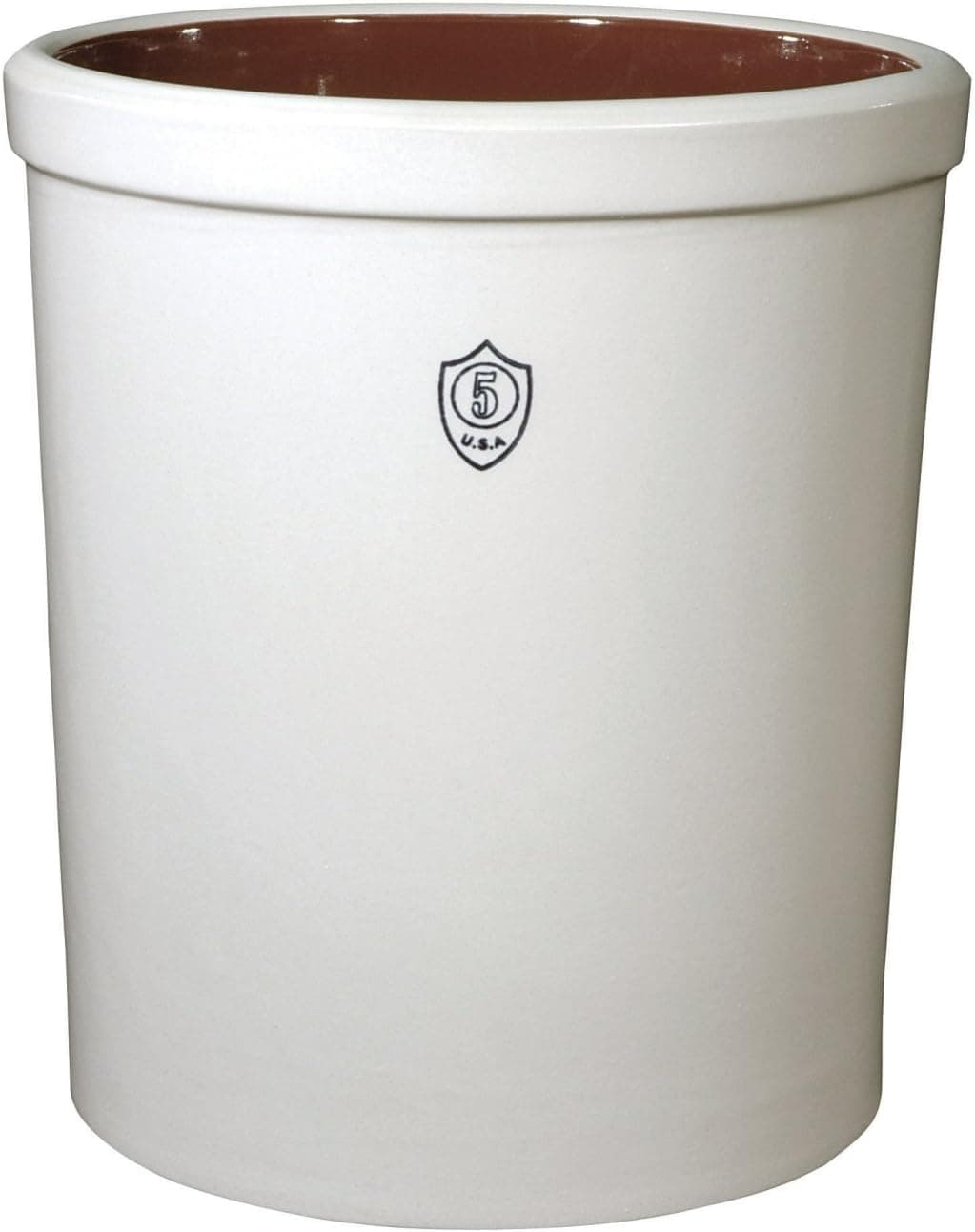
+ 5 gallon capacity handles a full garden harvest of cabbage or cucumbers
From our guide: Best Fermentation Crocks
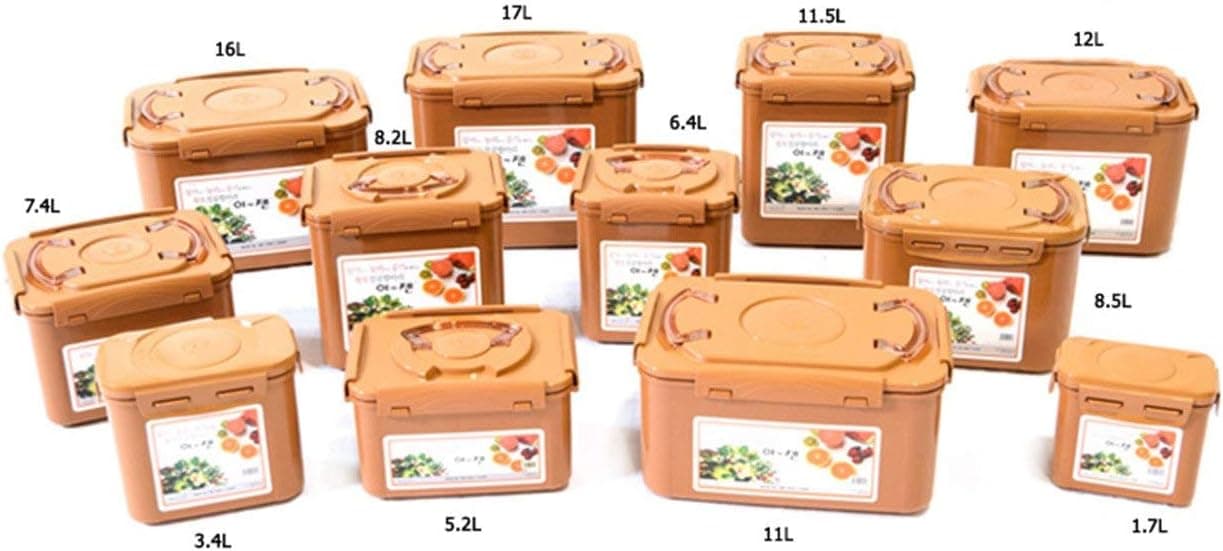
+ 1.7L size keeps a small daily kimchi supply in the fridge door or shelf
From our guide: The Best Storage Containers for Fermented Foods
The reliable way to do this is by weight, not by spoons. Weigh your prepared vegetables in grams, then multiply by the percentage you want. For a 2 percent ferment with 1000 grams of shredded cabbage, you need 20 grams of salt. Spoon measurements fail because salts differ enormously in crystal size. A tablespoon of fine sea salt weighs far more than a tablespoon of flaky salt, and coarse rock salt sits somewhere in between. A cheap digital kitchen scale removes all of that guesswork and pays for itself on the first batch.
For dry salted ferments such as sauerkraut, most home fermenters work between 1.5 and 2.5 percent of the vegetable weight. Two percent is a comfortable default. It creates enough brine, tastes seasoned rather than salty, and ferments at a steady pace at normal room temperature. Drop to 1.5 percent for a faster, milder result in cool weather. Push toward 2.5 percent in a warm kitchen or when you want a long slow ferment that will sit for months. Kimchi is usually made in a similar range, though the salting is often done in two stages with a soak followed by a rinse.
Brined ferments work differently because you are salting the liquid, not the vegetable. Cucumbers, whole peppers, green beans and cauliflower are submerged in a prepared brine, typically 3 to 5 percent salt by weight of water. That sounds much higher than sauerkraut, but the salt equalises across the vegetable and the liquid, so the finished pickle lands somewhere lower. A 3.5 percent brine is a solid starting point for pickling cucumbers, and 5 percent suits hot summer conditions or larger vegetables that take longer to sour.
Use salt without additives. Plain sea salt, kosher salt, pickling salt and non iodised rock salt all work well. Table salt often contains anti caking agents that cloud the brine, and iodine can inhibit some bacteria. None of these will ruin a batch on its own, but since good salt is inexpensive, there is little reason to fight your ingredients. Keep a labelled jar of your usual salt next to the scale so batches stay consistent from month to month.
When a ferment goes wrong, salt is the first place to look. Mushy texture, unpleasant smells or a batch that never really sours often trace back to under salting or to salt that was never properly distributed. Massage or toss thoroughly so every shred is coated, and check that the finished jar produces enough liquid to cover the solids. If it does not, top up with a brine at the same percentage rather than plain water, which would dilute what you already have. Write the percentage on the lid along with the date, and after a few batches you will know exactly which number your kitchen and your palate prefer.
Popular right now
- Brine Pickles or Vinegar PicklesArticle
- Water Quality and Chlorine in Home FermentationArticle
- The Best Vacuum Seal Bags for FermentationBuying guide
- Backslopping explainedGlossary
- Best Koji Starter SporesBuying guide
- Fermentation TemperatureArticle
Based on the last 28 days of search and visitor data.