Backslopping: How to Start a New Ferment From the Last Batch
Published How we research
Backslopping means starting a new ferment with a small portion of a finished, healthy batch instead of a fresh culture. The carried-over spoonful or cupful brings a large, active population of the right microbes and some acidity, so the new batch gets going sooner and behaves more predictably. It is how yogurt, kombucha and sourdough have been kept going for generations, and it is optional for vegetables. How much to carry over depends on the ferment, and more is not always better. The amounts below are the ranges home fermenters commonly use, along with the habits that keep a culture line healthy and the signs that it is time to begin again with a fresh starter.
What backslopping does for a new batch
A fresh pot of milk, jar of sweet tea or bowl of dough is a blank slate, and whichever microbes arrive first and grow fastest set the direction. Backslopping stacks the odds by adding a large number of bacteria and yeasts that have already shown they can thrive in that exact food. They are adapted to it, so the slow start that a from-scratch ferment goes through is shortened.
The second effect is acidity. Finished ferments are sour, and a splash of that sourness lowers the pH of the new batch from the first hour. Many spoilage organisms and molds struggle in acidic conditions, which is the main reason kombucha brewers do not skip the starter tea. Backslopping is a head start for the microbes you want. It does not make up for poor hygiene, the wrong temperature or too little salt.
Yogurt: one to two tablespoons per quart
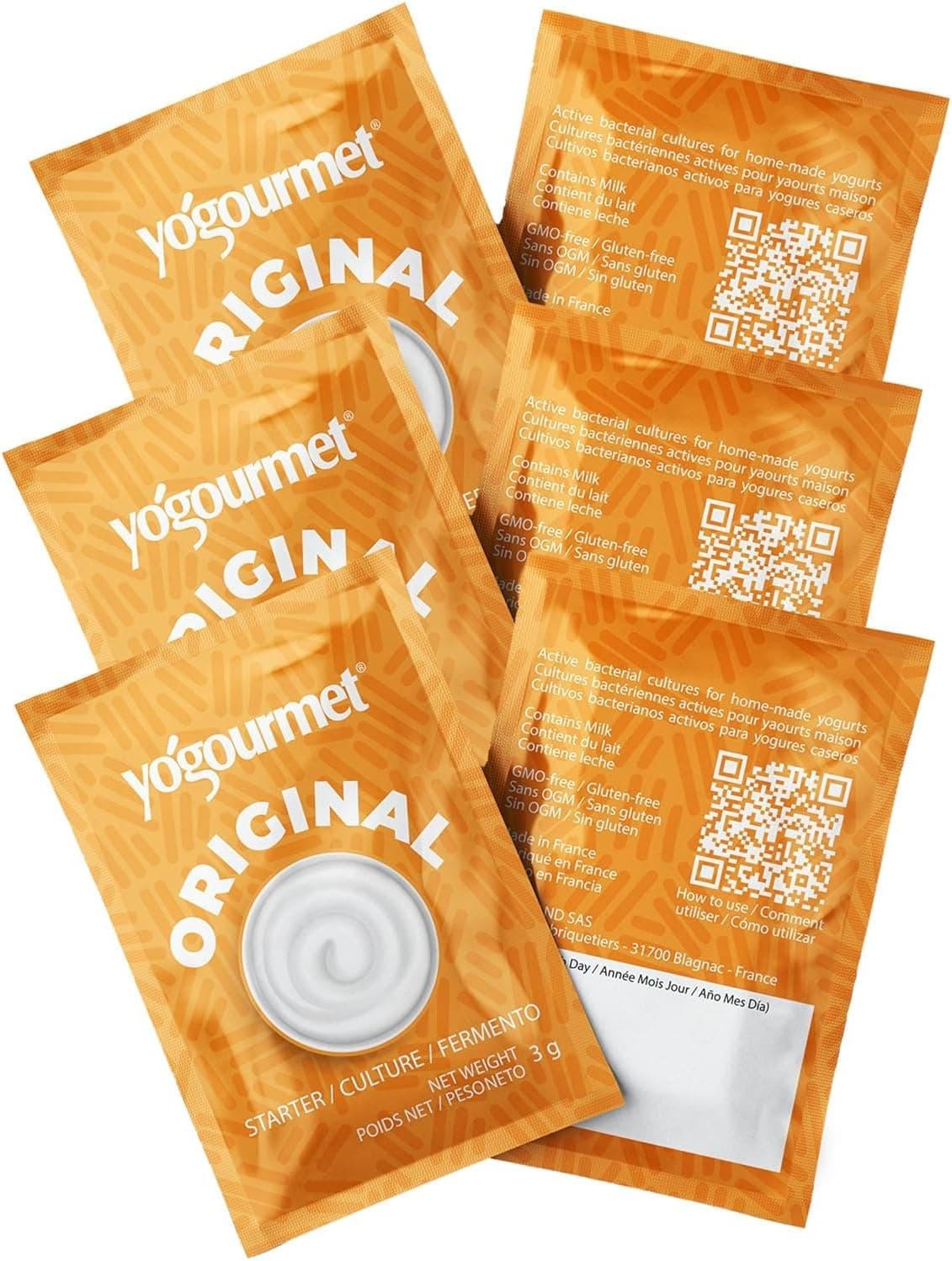
For yogurt, stir 1 to 2 tablespoons of plain yogurt with live cultures into each quart (about 1 liter) of milk. Heat the milk first to around 180 F (82 C), let it cool to about 110 F (43 C), then whisk the starter with a little of the warm milk before mixing it through the pot. Incubate at 104 to 113 F (40 to 45 C) until set, which usually takes somewhere between 5 and 10 hours.
Resist the urge to add extra starter. Too much tends to give a thinner, sourer yogurt rather than a faster one. Set aside the starter for the next batch as soon as the yogurt is finished, before anyone eats from the container, and use it within about a week while the cultures are still vigorous. Store-bought yogurt and direct-set powders usually weaken after a handful of generations, while heirloom cultures are sold specifically to be re-cultured batch after batch.
Kombucha: starter tea at roughly 10 percent
Kombucha is the ferment where backslopping matters most. The usual rule is 1 to 2 cups of mature, unflavored kombucha per gallon of fresh sweet tea, or roughly 10 percent of the batch volume, added along with the SCOBY. Take it from the top of the previous brew, where it is clear of the yeast sediment that settles on the bottom, and always reserve it before you bottle or flavor.
The starter tea acidifies the sweet tea right away, and a common home-brewing guideline is a starting pH of about 4.5 or lower. If your last batch was young and still sweet, use the higher amount. Let the sweet tea cool to room temperature before the starter and SCOBY go in, since hot tea can damage the culture. A pH meter or test strips take the guesswork out of the first day.
Sourdough: every feeding is a backslop
A sourdough starter is backslopping in its purest form. At each feeding you keep a small amount of the old starter and give it fresh flour and water, and the old culture colonizes the new food. A common routine is equal weights of starter, flour and water, written as 1:1:1. Bakers who want a milder flavor or a longer gap between feedings carry over less, using ratios such as 1:5:5.
The carried-over fraction changes the timing more than anything else. A large share of old starter peaks within a few hours at room temperature and turns sharply sour, while a small share takes much longer and stays milder. The same idea applies when you build a levain for a loaf: a spoonful of ripe starter seeds a larger mix of flour and water that will raise the dough.
Sauerkraut, kimchi and pickles: optional, with trade-offs
Vegetable ferments do not need backslopping. Cabbage, cucumbers and peppers carry their own lactic acid bacteria, and salt plus time under the brine is enough. Some fermenters still add a few tablespoons of brine from a finished batch to each quart jar, which can shorten the quiet first days when the kitchen is cool.
There is a cost. A spontaneous vegetable ferment moves through a succession of bacteria, and the early species contribute flavor and fizz before more acid-tolerant ones take over. Old brine is dominated by the late-stage bacteria, so a backslopped batch can skip the early phase and taste sharper and flatter, sometimes with a softer texture. If you try it, keep the salt at the usual 2 to 3 percent of the vegetable weight and keep everything submerged. Old brine is not a replacement for either.
Habits that keep a culture line healthy
Only carry over from a batch that looked, smelled and tasted the way it should. If a batch grew mold, smelled rotten, or simply seemed off, discard it and do not use any part of it as a starter, because whatever went wrong travels forward with the backslop.
Take the starter portion first, with a clean spoon, into a clean jar, before the batch is flavored, sweetened or eaten from. Keep it cold and covered, and use it soon: fresh, active starter performs better than one that has sat at the back of the refrigerator for weeks. Label it with the date so you know how old the line is.
Keep a backup. A dried smear of sourdough starter, a spare SCOBY kept in a jar of mature kombucha, or a sealed packet of yogurt culture in the freezer means one failed batch does not end the line.
When to stop and start fresh
Cultures drift. Over many generations the balance of microbes can shift, and you may notice yogurt that sets thinner or turns stringy, kombucha that takes longer and tastes yeasty, or a sourdough starter that rises sluggishly even with regular feeding. One slow batch is usually just a cold kitchen. A steady decline over several batches is a sign the line has weakened.
When that happens, or after any batch with mold, start again from a fresh culture rather than trying to rescue the old one. A new starter is inexpensive compared with the milk, tea or flour that a string of disappointing batches wastes. Wash the vessel and tools thoroughly before the new culture goes in.
Frequently asked questions
Is backslopping the same as using a starter culture? Not quite. A starter culture is any source of microbes used to begin a ferment, including freeze-dried powders and purchased SCOBYs. Backslopping is the specific habit of using part of your own previous batch as that starter, so the culture is carried from one batch to the next.
How many times can you backslop yogurt? It depends on the culture. Yogurt made from store-bought yogurt or a direct-set powder often stays good for several generations before it weakens, while heirloom cultures are meant to be re-cultured indefinitely if each batch is made within about a week of the last. Thin texture or an odd flavor means it is time for a fresh starter.
Can you use sauerkraut brine to start a new batch of sauerkraut? You can, and a few tablespoons per quart is the usual amount, but it is optional. Cabbage ferments reliably with salt alone, and many fermenters prefer the flavor of a batch that starts on its own. Only use brine from a batch that was sound, and keep the normal salt level.
Does backslopping make a ferment safe? No single step does that. Backslopping helps the right microbes take hold quickly and brings acidity early, but it does not replace clean equipment, correct salt, a suitable temperature and your own judgment. When a batch shows mold or smells wrong, discard it regardless of how it was started.
Products from this article
The highest-scoring picks from the buying guides mentioned above. Scores are our editorial assessment, not customer ratings.
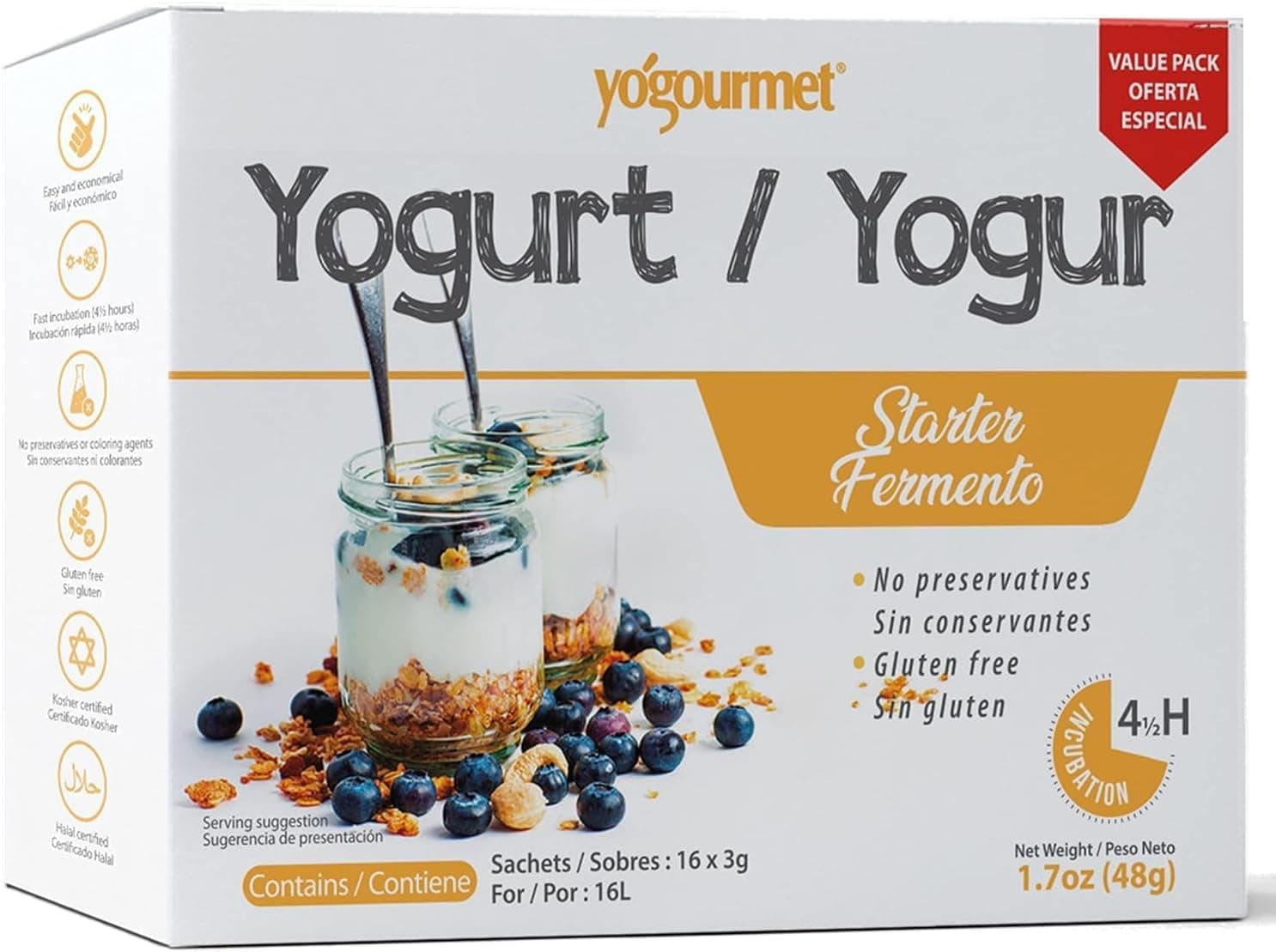
+ 16 Pack keeps a frequent yogurt maker stocked for months
From our guide: Best Yogurt Starter Cultures
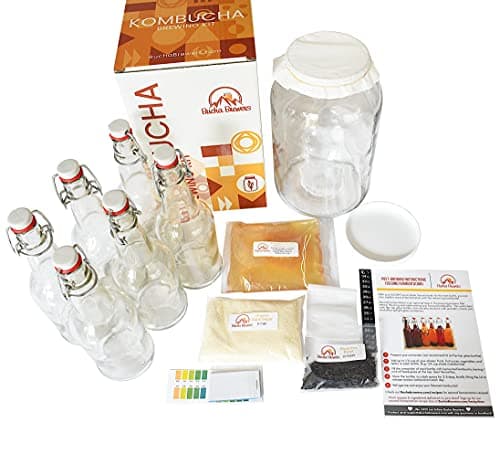
+ Covers both stages: a gallon jar for the first ferment and six swing top bottles for flavoring and carbonating.
From our guide: Best SCOBY Starter Kits
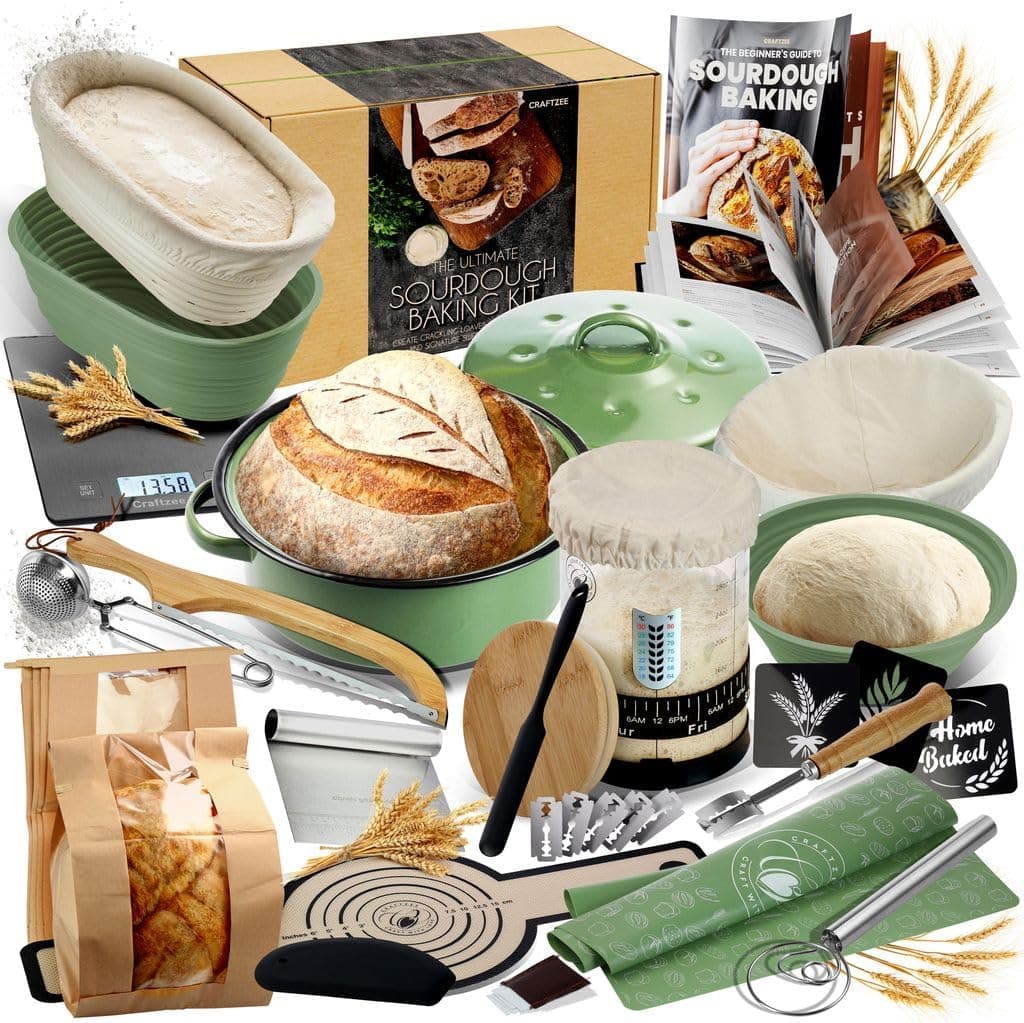
+ Scale is included, which is key for accurate sourdough feeding
From our guide: The Best Sourdough Starter Kits for Home Bakers
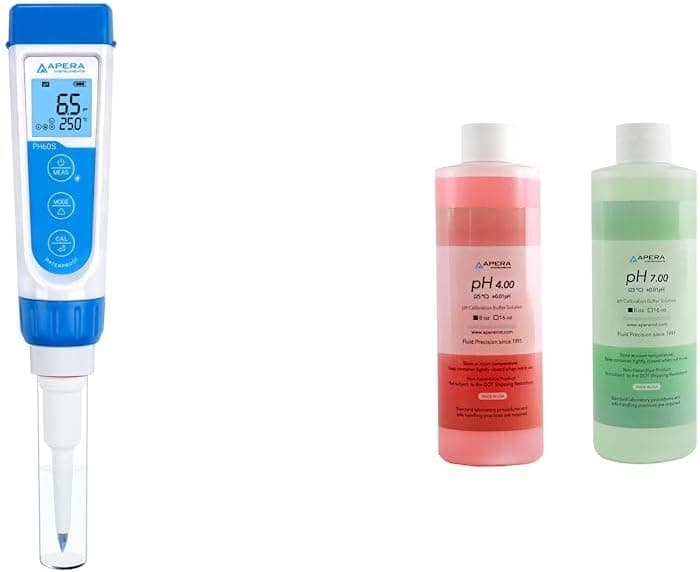
+ Swiss Spear pH Electrode pierces cheese, meat and firm vegetables
From our guide: The Best pH Meters for Fermentation
Popular right now
- Brine Pickles or Vinegar PicklesArticle
- Water Quality and Chlorine in Home FermentationArticle
- Backslopping explainedGlossary
- Fermentation TemperatureArticle
- Fixing Slimy or Soft FermentsArticle
- What to Do When Sauerkraut Does Not Make Enough BrineArticle
Based on the last 28 days of search and visitor data.